Wonder Woman: 21 New Details & Secrets Just Revealed
11. There's Humour

Patty Jenkins was very clear that she wants to ensure that humour was still part of the story, despite the fact that it's set in World War I with some obviously grim scenes.
She believes that reality has both starkness and comedy:
"I’ve had tragedy in my life and it doesn’t stop comedy, so I think it’s important to do both. Particularly in a superhero movie, but in any movie that accesses all people. Nobody wants to be abused for two hours. I think entertainment is ebb and flow. I actually came up in comedy around comedians; I thought I would be a comic director and then I got the opportunity to make a serious movie and it went that way."
She says that casting plays a major part in establishing the right basis for humour:
"It’s one of the things I love about superhero movies, is that they have both, and then casting really funny people and making scenes not disrespectful, so you’re like, “Okay, good. Chris Pine is hilarious. But when the moment comes, Chris Pine is a great dramatic actor. So having somebody who can be both. She is hilarious, by the way. They’re both really funny. But having a character who can be a real person that has both sides and taking them on a journey where it’s not serious yet—it’s funny and they’re having fun—that’s kind of perfect. So I don’t feel like we went camp in a way that then contradicted it. I felt like we were making a straightforward film that was funny in parts and then got serious in others."
And that will obviously affect the overall tone of the movie. So too will the story's preoccupation with compassion, which is a major narrative device in Diana's arc as she's motivated by a quest for peace and a symbol of justice and peace. That's markedly different to the attempt in the other
10. The Trench Action Scene

Collider offered a full description of the trench-based World War I scene already glimpsed in the trailer that sees Diana attacking an enemy position and deflecting machine gun fire with her bracelets. Quite wonderfully, they say that it's the best thing they've seen of the DCEU so far.
The scene opens with Wonder Woman and her team seeking a way to avoid the fighting in the trenches, only for Diana to learn of a civilian woman who has been forced into slavery by the German troops along with other civilians. Steve Trevor pleads with her to avoid the battle and stick to the mission, but she ignores him, charges the enemy line and draws the German fire so her team-mates can follow.
By the sound of it, the action is going to be amazing:
The scene ends with Wonder Woman, Trevor, and the troops breaching the German line and taking down a bunch of German soldiers. No, it’s not Superman punching Zod through a bunch of buildings. It’s not the Batmobile blowing up city streets. It’s so much better. It’s a character-driven moment where the action on screen follows the best version of the hero. How good was this scene? I’ll put it this way: I saw it with a bunch of fellow superhero movie nerds, and we’re a pretty jaded bunch. We’ve seen all the superhero films, and while we always want them to succeed, we’re also skeptical. After seeing this scene, we were absolutely giddy.
9. Ares' Backstory & The Amazonian Origin
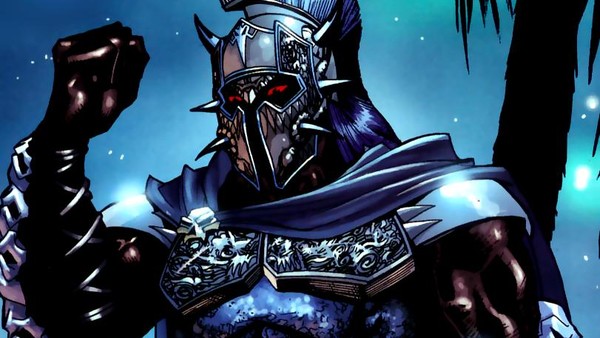
The flash-back sequences will actually take us all the way back to Diana's childhood, as her mother reads her the story of the origin of the Amazons before time existed.
That story establishes that Zeus created mankind and in the protest inspired jealous rage from her son Ares, who reacted by bringing war to mankind and killing his fellow gods. When Zeus turned to Aphrodite for help, she created the Amazon warrior race to restore peace for mankind. They were eventually forced to the island of Themyscira, and the film will also establish why they've chosen to stay hidden.
8. She Isn't Supposed To Be A Warrior
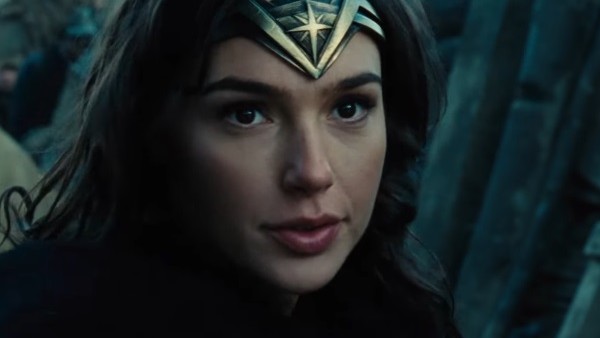
Despite her race's warrior origin, Diana is not supposed to be a warrior herself: her mother Queen Hippolyta (Connie Nielsen), forbids it, but she secretly trains with her aunt, General Antiope (Robin Wright), andher mother eventually sees the error of her judgement and accepts her daughter’s decision.
The film will establish that Diana grows up in unique context as the only child on the island, which makes her mother more protective than any other parents would be.
“Diana is a very opinionated girl. She was the only child raised on this island. She's the special kid and she was nurtured by her mother and by her aunts and all the women in Themyscira. She's very opinionated. Her mother is very opinionated. Her mother is very protective as well. They have the very natural clash that mother has with their daughters the first time they want to leave home. It's a very emotional moment. Very intensive moment. But it's what I love about Diana, is that in so many different points of the story she has conflicts that every human being has. She's very -- it's easy to relate to her. She's very accessible.”
7. Ares Is Behind World War One

After his presence in the film was accidentally revealed by the tie-in toy line at the New York Toy Fair, quite how the God Ares actually fits into the plot was a pretty pressing issue. But that's now been revealed too.
Apparently, Steve Trevor is an intelligence officer and when he crashes on Themiscyra, he has information pertaining to secret plans designed to ruin the armistice. When he tells Wonder Woman, she believes that Ares is behind the war, pulling the strings to his own ends, which certainly fits with his origin story.
Executive-producer Rebecca Steel Roven revealed why the film moved Wonder Woman's setting to World War I:
"World War I is the first instance of mechanized warfare on this huge scale, and being the War to End All Wars seemed like a very good time period for Wonder Woman, whose great enemy is Ares."
6. It's Not JUST A "Woman's Film"

Roven says that the time period also affords an opportunity to explore a particularly interesting time for women:
"To come in to Man’s World and face off against him. It also happens that you have lots of different opportunities for social commentary - like when you see her in London - for women’s roles during the time."
But it's not going to be a heavyweight feminist political film
"You don’t have to hit anyone over the head with it.”
Patty Jenkins had similar things to say about the role of feminism in the film's make-up:
"Of course it’s a bummer that we’re going to be a “woman’s film”, but on the other hand, it’s important to talk about because I think a lot of time those movies haven’t been. It’s like those articles where movies directed by women win more Oscars, but women directors never get nominated for Oscars. It’s important to acknowledge, yet making the film it’s important to tune out. I don’t think about it at all."
She said more on the same front to DenOfGeek:
"You know I grew up in a bit of a feminist fantasy with a single mom, and was totally shielded in a way from the idea that I couldn’t do something or that there couldn’t be something. So I think it’s been more of an education for me. Why can’t everyone see that it doesn’t matter if it’s a dog or a woman, or a person from another country or wherever, it’s about the story you’re telling."
But of course it's still an important moment in feminist film-making. Gal Gadot meanwhile says that the existence of the movie is a great thing for young girls, as it will give them - and her own daughter - figures to look up like boys had with Superman, Batman and Spider-Man.
5. David Thewlis' REAL Role

Though it has been revealed that David Thewlis is allegedly playing Ares, God of War, his full credit has now been revealed. IMDB already had him listed as simply Sir Patrick, and now it turns out he's playing Assemblyman Sir Patrick Morton, a British politician advocating for peace.
It's extremely obvious that this will be a front, with his human form of Sir Patrick giving way to his traditional demonic look from the comics, mixing CGI and practical effects to make him look like this...
4. The Dynamic Between The Leads

When Diana follows Steve Trevor back to man's world, the dynamic of the film changes, and very much becomes a fish out of water story, mostly because of Diana's mentality. Her removal from the "real" world means she is naive and hopeful, and she clashes with the modern world of 1918, with humanity facing a dark time.
In contrast to her, Steve Trevor offers her an insight into the dark side of humanity, balancing her idealism but not destroying it as she in turn brings hope to his life. He is effectively her Lois Lane, but not only as a love interest: he is her link to a world that isn't hers, as Gal Gadot says:
“I think that his character compared to Diana's character, they're very much yin and yang. He's this realistic guy who's been through a lot and he knows what mankind is capable of doing. And Diana is this young idealist who thinks that the world is very white, very pure. Mankind [is] only good. There's something once they get to know each other, and he teaches her so much about reality and mankind. She brings back hope to his life.”
The details also reveal the roles each of the others in the photo from WWI play: Steve is a spy, Sameer (Saïd Taghmaoui) is a master of disguise, Chief (Eugene Brave Rock) is a man who knows how to play both sides and get people across the front lines and Charlie (Ewen Bremner) is an alcoholic sharpshooter suffering from PTSD. Inevitably, Diana's appearance causes friction on both sides.
3. WonderFu

Just as Black Panther has his own fighting style in the MCU (cat-fu), Gal Gadot reveals that she has a fighting style based on a mix of martial arts that she calls WonderFu. Expect a lot of kids to be play-fighting it.
Gadot also says when she was cast - which Patty Jenkins had no hand in, but was happy with when she came on board - that she went back and watched some reruns of the Lynda Carter Wonder Woman from the 70s.
2. It Looks Like A Cross Between Thor And Captain America

Unsurprisingly, there is a reference point for Wonder Woman to be found in the MCU (DC fanboys might not like it, but it's an easy reference to make). Apparently, the film comes off as a cross between Thor and Captain America: The First Avenger.
The Themiscyra set scenes are those that are most like Thor, in respect of a God not knowing the human world and finding a guide, while the world War I material is inevitably closer to Captain America's first outing.
In other words, it's like two already successful comic book movies, and that should absolutely be considered a selling point. Ironically, of course, Patty Jenkins actually almost directed Thor: The Dark World.