10 Crucial Improvements The Gaming Industry Must Make In 2015
There's no getting away from it; 2014 was a very naff year for gaming.
10. Far More Strict Quality Control
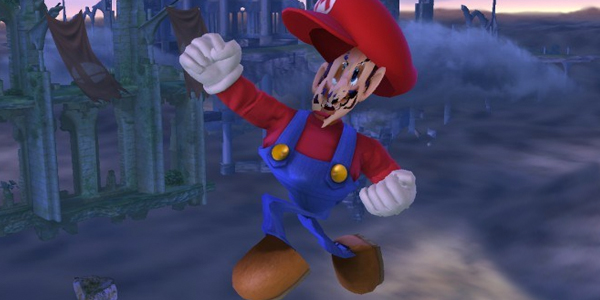
As mentioned, just this past week (in December 2014, future readers) Ubisoft dropped an otherwise-harmless port of the ancient classic Tetris onto new consoles. It was supposed to be a simple and flashy affair, with bright vibrant graphics and a general feel of gameplay that would connote the euphoric highs of slipping many a coin into many an arcade slot back in the day. Instead, it ran about as efficiently as an inhaler-starved asthmatic in a marathon, wheezing its way across the finishing line in a haze of wasted potential, putting off nostalgia-lovers who were ready to give it a go in the process. As you saw in the very first image for this article, even Nintendo's once proud 'seal of approval' is tarnished and cast aside in favour of getting more products out the door too. When the beloved Mario's face looks more like he's about to say "It's a me, Derpio" than his signature catchphrase, it hammers home just how unacceptable the publisher end of things is alongside that of the developers. The thing is, as much as delays aren't what anyone wants, the simple solution is not to announce tickets to board the hype train so early in the first place. Hang back and set attainable goals, then maintain a stringent series of checks between developer and publisher across the months afterwards. Right now it feels like detached executives are just waving their hands at any old rubbish that resembles a finished product and assuming the developers will make it work later down the line. It's just not good enough, and the production line needs to be thoroughly checked and vetted at every possible interval.9. Steam's Organisation And Curation

8. New Systems Need To Feel Worthwhile
There's a reason a great number of gamers flocked to the 3DS throughout the year; not only does it have a swathe of quality titles from Phoenix Wright to Fire Emblem, but the system itself actually feels like it's giving you an experience you can't get anywhere else. The PS4 and Xbox One - let's be honest - don't feel worthwhile as next-generation systems yet. Aside from the gorgeous vistas of Dragon Age or the architecture of Assassin's Creed: Unity (providing you can withstand framerate long enough to explore something like the Bastille), there's not been one title where you've had that previous generation thought of "Okay, this couldn't be done before." It doesn't help when Destiny, Titanfall, Metal Gear Solid: Ground Zeroes and next year's Phantom Pain all have last-generation versions that barely look any different to the one you're paying the extra buck for either. Sure there's additional texture-mapping and a general level of sheen (you know, a more accurate shadow or a bush or something) on the new versions, but within their respective games a headshot is a headshot, regardless of what console you're playing it on - and that's a major issue when trying to convince people the newer hardware is worth the financial hit.7. Intensify The Console Wars

6. No More Laughably Broken Games
5. New Intellectual Properties

4. Micro-Transactions
3. Early-Access Clarification
It's no secret that a great number of indie developers get their initial backing through services like Kickstarter or Steam Early-Access, and although the moral compass-spinning complexities of asking people to stump up their hard-earned for an unfinished product will automatically put you on one side of the spiked debate-fence, there are larger issues when bigger more financially-stable studios do the same thing. "Just trust us guys, we know what we're doing" is the general statement that surrounds early access, as what developers do to secure funding is offer a description of their in-progress title, asking for a certain goal amount of cash that'll help bring it to fruition. The problems come when said initial statement changes, or the final product never comes. Take one Prison Architect. Although it's a fantastic little indie gem that lets you manage and monitor the wants and needs of an entire prison full of inmates, it's been sitting in early-access for almost two years now, never going to full retail release but instead asking sticking on a full price tag to an in-progress game. Double Fine's Tim Schafer is another assumedly well-meaning individual who many gamers adore deeply thanks to his previous work. But he too stretched the limits of acceptable behaviour in regards to crowd-funding when after initially netting $3 million in 2012 for new adventure title Broken Age, both he and his company took to asking for more money to finish the now in-progress project, mentioning that their lofty design aims were too high for the millions they'd taken in. When it then turned out their were celebrity voice actors such as Elijah Wood and Jack Black involved heavily it raised a few more eyebrows, and now that part two of the experience is still without a concrete release date, it's left fans out in the cold as to where their money's actually gone. Early-access can give early developing projects a chance to shine, but all developers have a responsibility to set achievable goals they are comfortable meeting - rather than attempting to metaphorically leap out of a moving plane with a few needles and thread, and knitting a parachute on the way down. Where do you stand on the idea of funding a game through its development?2. Accurate Advertising

1. Servers That Work On Launch Day