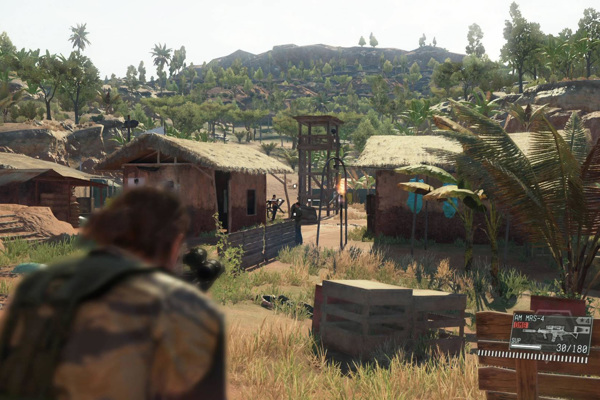
10 Things Assassin's Creed Must Learn From Metal Gear Solid V: Phantom Pain
This old dog always had all the best tricks to teach anyway.
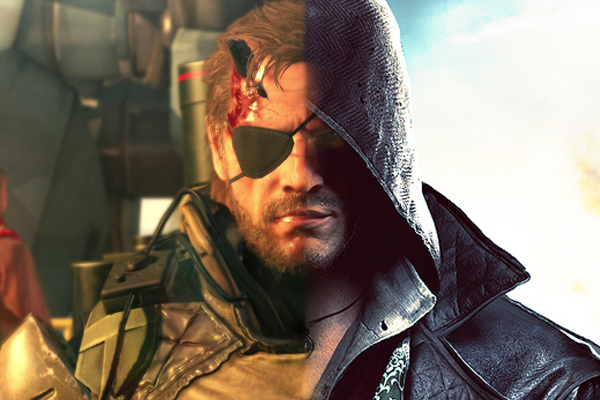
10. Manage Your Assassins Better - Have Consequences In The World
First pioneered in Brotherhood, the idea of playing as Ezio as he micro-manages a whole bunch of assassins darting off round the globe on missions was a strong one. Ubi put this together before the poisonous ways of mobile gaming revenue were in effect, and although it essentially meant you were clicking on guys and sending them out to be levelled up - had the awesome hook of then having them drop in out of nowhere if you were in a bind. In MGS V, your handheld iDroid device has a subsection that lets you essentially do exactly the same thing (save for calling in troops onto the battlefield). However, one key difference is the missions you send them on have tailored repercussions and consequences for the upcoming missions you'll embark on. A guard spotted you from afar with some night-vision goggles? Dispatch a team to halt the supply of them in the area. Someone else finished you off with a shotgun, suited up with riot gear or popped your eyelids off with a rifle? All of these are separate options you can get your combat team to handle, and the higher their rank, the higher the percentage of them pulling it off before your next deployment.
9. Boss Battles - Battle Other Assassins
Metal Gear's boss battles have always been the stuff of legend, going all the way back to Psycho Mantis reading your memory card on the PS1. For Phantom Pain they're few and far between, but the one that stands out most is against the dreaded Skull Unit; an infuriating superhuman combo that can outpace you at every turn. Honestly, MGS V can feel a little broken when it goes into full-on combat mode, but the idea of tackling enemies that are far more accomplished than yourself is one AC has dabbled in multiple times. Mostly, it's turned into one of the godawful 'chase missions' as you sprint after a boss character, waiting for the prompt to one-shot them in the neck, but AC III did see you tackling a mysterious antagonist in the present day timeline, whose close-quarters showdowns should've been fleshed out into a proper game mechanic. Assassin's Creed Rogue touted the idea of tackling enemy assassins as part of the story, but when it comes to gameplay, how awesome would it be to essentially crib from AC's multiplayer, putting you in a citywide space and asking you to track down an enemy of equal or accentuated abilities? They could hide in bales of hay, scout you just as much as you did them, blend in with crowds and everything else. It'd be a real test of your skills, and would absolutely be a major shake-up to the core gameplay formula we're getting increasingly tired of.8. In-Depth Crafting & Equipment Progression (Custom Hidden Blades)

7. Enemy Classes That Require Specific Tactics
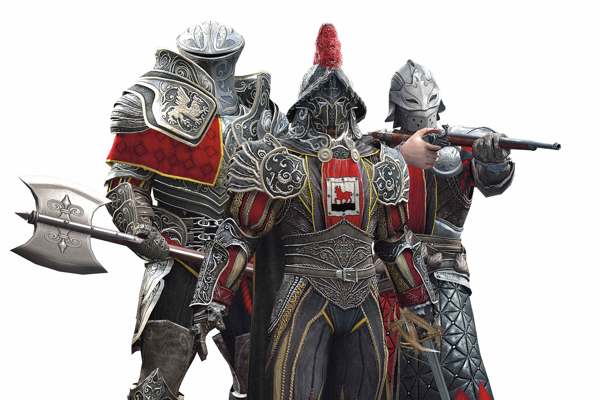
6. Overhauled Animation & A Reliable Set Of Brutally Effective Melee Attacks
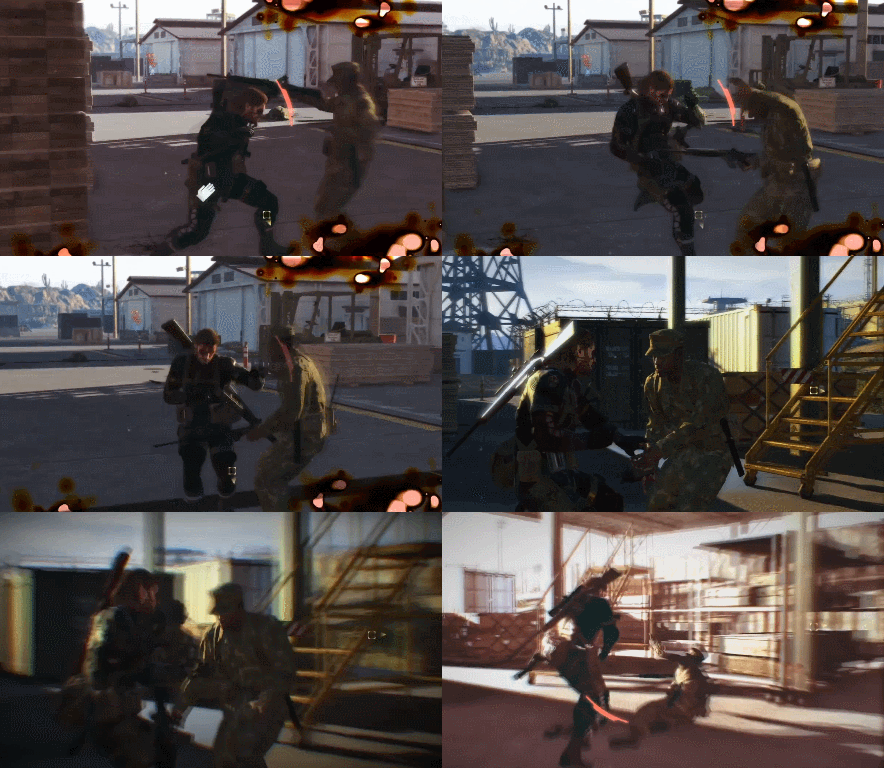
5. 'Eagle Vision' That Works
I've always thought the only way to 'do' a comfortable sense of infiltrating a place was to show you where the enemies were at all times; essentially giving you the Predator-like sensation of stalking your prey, whilst restricting things like how much damage you can take or the animations at your disposal, to fulfil a change. In 2007's Assassin's Creed we got 'Eagle Vision', the notion of seeing enemies through walls no matter their alert level - a vision mode that always felt broken, even visually. Watching batches of enemies float through the landscape just looks unpolished, and when you have to toggle it just to see what's ahead or around you - at most tagging a handful of goons to then keep track of - it results in your floundering around, rotating the camera in all directions just to establish sense of place. MGS V took just enough of this forward, allowing for a system that's either contingent on you scouting encampments for soldiers and tagging as many as you like (alongside proximity-based audio cues and on-screen indicators showing who's aware of your presence), but also giving you a companion character who'll auto-tag them all, should you choose to bring him along.
4. A Consequence To Being Spotted
The only consequence for being spotted in AC is your paltry life bar doesn't account for surviving too many close-quarters attacks. This was quadrupled in Unity as Ubi thought it'd be a neat idea to make guys attack from off-screen, alongside making their counter-prompts incredibly hard to see. 'More realistic difficulty' they said. "Absolute toss", we replied. When it comes to being spotted though, where's the impetus to reset and 'play properly' other than just not wanting to feel like a numpty for triggering the alert? Another thing Unity had in abundance was "Get seen and it's all over" stuff; quite possibly the cheapest way to establish a sense of suspense in the genre. Point being, outside these missions when you had to restart anyway, you were free to run away or hack your way out of any confrontation. Syndicate in particular has been 'showing off' how brawling is now a key mechanic in that game, as if that has a place in the genre. Don't they remember Splinter Cell: Conviction's disastrous table-flipping debut? Whilst combat shouldn't necessarily be shied away from, MGS' consequences include losing reputation points and potential recruits to your cause, not to mention the area will go on full alert, making the option of starting over a genuinely better choice for both gameplay and later reward.3. Character Progression/Unlockable Moves

2. A World That Feels Alive