10 Video Games That Royally Messed Us About

Ruining Christmas Day since 1986.

Doom We all know some games are harder than others. Some, like Dark Souls, revel in rewarding skill and precision while others start off easy enough but then ramp up the difficulty, reaching insane levels of toughness that leave you hunched over and hissing at the television like Gollum with carpal tunnel syndrome. Anyone who suffered through €œJordan€ in Guitar Hero II probably still has the muscle spasms to prove it. In this day and age, though, it€™s hard to get irreversibly stuck in a video game. When frustration sets in, you can simply switch to your console€™s web browser and hunt down an FAQ or skim through a Let€™s Play on Youtube. They may be tough, but we expect to be able to complete games if we put the effort in. Even in the 8-bit era, when getting stuck meant trading tips in the playground or the humiliation of phoning the Nintendo hotline, you believed you€™d get to the end eventually. Sometimes, though, you were unlucky enough to run into a game that didn€™t play by the rules. A game that wasn€™t just hard, but actually impossible, or where a simple mistake could prevent you from ever seeing the ending. Some games would deliberately include puzzles that couldn€™t be solved just by playing, leaving players wasting their time trying to assemble an incomplete jigsaw. Sometimes this was deliberate malice on the part of the developers, sometimes it was a late change to the game€™s code that never got properly tested. Here are some of the worst offenders:

10. Metal Gear Solid €“ Meryl€™s Frequency

When it comes to breaking the fourth wall, Hideo Kojima€™s usually the first to grab a pickaxe. His games are rife with clever Easter Eggs and sequences that explore the notion of playing a game €“ elsewhere in Metal Gear Solid, Psycho Mantis will freak out the player by reading the contents of their memory card and making their controller rumble. Partway through his mission, Snake needs to contact Meryl, one of his allies, for some information. To find the frequency they need to reach her, the player€™s told to €œlook on the back of the CD case€. The player has something in their inventory that might loosely qualify, but there€™s nothing on the back that can be used to solve the puzzle. As it turns out, it€™s an obscure clue - the player needs to examine the case that the game itself came in, where Meryl€™s codec frequency is shown in a screenshot on the back of the box. Whether this was an experimental puzzle, an attempt to foil game pirates or just Kojima having a laugh is uncertain, but anyone borrowing or renting the game was left utterly stumped. Even today this question continues to baffle players €“ the game€™s been rereleased as a digital download, meaning that there is no CD case to examine. Anyone desperately seeking Meryl can nose around in the game€™s digital manual for the answer, but the satisfaction of solving the puzzle €œproperly€ has, unfortunately, been lost to time.

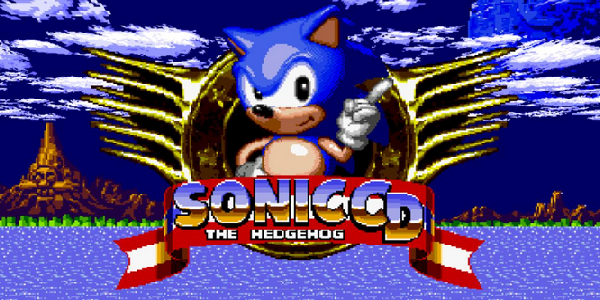
9. Sonic CD €“ Instant Game Over

It€™s hard to imagine Sega€™s quirky mascot being used to wind players up deliberately, but then, Sonic CD was hardly a run-of-the-mill Sonic game. With Yuji Naka relocating to the US to work on Sonic 2, a new team was assembled to work on an enhanced version that would include FMV sequences and high quality music, showcasing the power of Sega€™s CD add-on. It also freed up enough space to allow the developers to include some jokes and easter eggs, including a picture of Tails - which would have held more significance had the game€™s lengthy development not seen it release a full year after Sonic 2. One joke that left players less than amused, though, concerned Sonic€™s famous toe-tapping animation. Most people knew that if Sonic was left idle for more than a few seconds, he€™d start tapping his foot in annoyance. In Sonic CD, though, leaving Sonic untouched for three minutes would cause him to exclaim €œI€™m outta here!€ and leap out of the level, immediately ending the game. Sonic CD is one of the series€™ trickier adventures, and save games wouldn€™t be introduced until Sonic 3, so it€™s not hard to imagine the floods of tears as kids nipped downstairs for a snack without pausing and returned to find Sonic, their childhood hero, had wiped out their progress in the hedgehog equivalent of a temper tantrum. Unsurprisingly, this was not a gimmick that Sega ever repeated €“ in Sonic€™s more recent games, it€™s the players who ragequit, not the characters.

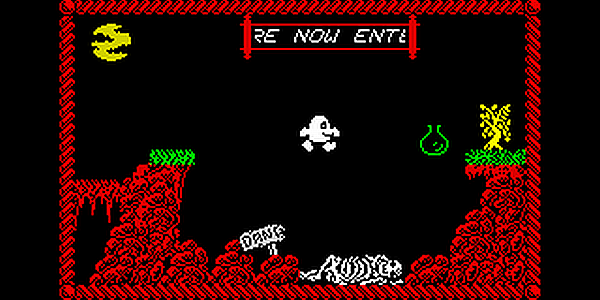
8. Dizzy And The Floor Of Death

Short of being locked a dungeon with only a fresh green apple, there wasn€™t really any way to own a personal computer in the 1980s and not know about Dizzy. The egg-with-boxing-gloves starred in over a dozen titles, leaping and rolling through a fantasy landscape - finding items, taking them to a place where they could be used and finding yet more items as a result. Part of the fun was figuring out which key went into which lock, with many of the solutions drawing from fairy tales and mythology. Dizzy would get more robust as time went on and the games got larger, with one-hit deaths being replaced by an energy bar and food to replenish it. In the earlier games, however, he was as fragile as you€™d expect an egg to be €“ and to make matters worse, his first couple of adventures were absolutely littered with game-ending booby-traps. One of the most notorious of these was a mossy walkway in the first Dizzy game; a thin green bridge stretched over a pit that, ominously, has bones at the bottom. Step on the wrong part of this walkway and the whole thing collapses, causing Dizzy to lose a life. And the game, as it turns out, as the walkway never reforms, trapping the player and effectively ending proceedings, no matter how many hours through they were. After staring mournfully at the far side for a while, players would have no choice but to commit repeated suicide, using up their remaining lives and starting the game afresh. 80s gamers knew the face of evil, and it was egg-shaped.

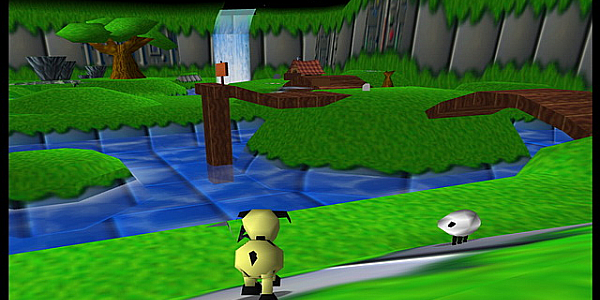
7. Space Station Silicon Valley €“ The Last Item

In the wake of Grand Theft Auto V€™s heist storylines and Red Dead Redemption€™s mournful chronicle of the Old West, it can be hard to imagine a world where Rockstar North€™s artists might come to work to start work on a coal-fuelled hippopotamus. But in the late 90s DMA Design, as they were known, were prolific developers for various platforms. Just a year before Grand Theft Auto, they released Space Station Silicon Valley for the Nintendo 64, a colourful adventure where you possessed the mechanical animals and used their powers to stop the station colliding with Earth. The game impressed players and critics with its originality, and some of its aspects could even be seen as precursors to GTA €“ the final level even has you running around New York City. Unfortunately, it was also pretty buggy. The game would lock up frequently if players had the console€™s Expansion Pak installed and it was often possible to fall out of the game world. The game€™s most infamous bug meant that one solitary souvenir, needed to fully complete the game and unlock a hidden bonus mode, lacked any collision detection. Players would pass through the object instead of picking it up and so would never manage that elusive 100% - the bonus level could be reached by cheat code, but with no way for the game to be patched, the player would always have unfinished business in Silicon Valley.

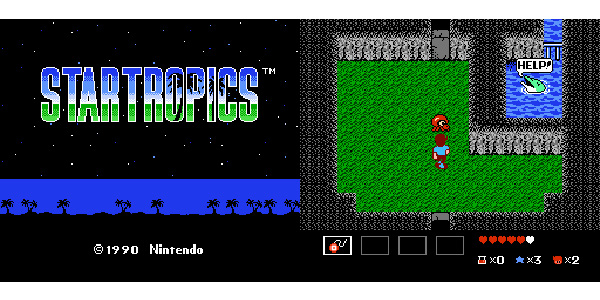
6. Startropics €“ The Letter

One of the few Nintendo titles never to get a Japanese release, Startropics was released at the end of the NES€™s lifespan and so went unnoticed by many fans until its Virtual Console re-release. Mixing the gameplay of Zelda with the more linear structure of Japanese RPGs, the game sees teenager Mike Jones receiving an invite from his eccentric Uncle and travelling to the tropical C-Island, becoming embroiled in an alien invasion plot. While it was increasingly common for PC games to come with additional bits and bobs, often inscribed with an activation key and used as a way to deter game piracy, it was unusual for NES titles to come with bonus pack-ins that weren€™t advertising a publisher€™s other titles. So it was quite surprising to find Startropics bundled with a letter, ostensibly to Mike from his Uncle, inviting him to come and visit the island. Much like Meryl€™s codec, it would prove crucial to solving a puzzle later in the game. Players were told to dip Mike€™s letter into water, a plan which worried many players - what if they had the wrong idea and wound up destroying their freebie? That€™s assuming players still had the letter, of course €“ unlike Metal Gear, which came on a CD and needed to be kept safe in its case, NES cartridges were robust enough that the game€™s packaging might well have been scrapped or stashed in the loft. After all, there was no way to know that the letter was important. Eventually, Nintendo relented and republished the solution €“ but even today, they continue to have fun with the idea. Buy the game digitally and the e-manual comes with a virtual €œclick to dunk€ bucket.

5. X-Men €“ Resetting The Computer

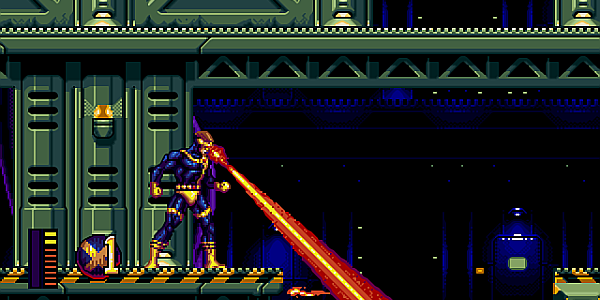
Despite essentially being a €œtrapped in the holodeck€ story, there was a lot to like about 1993€™s X-Men game. Released for the Sega Megadive, a console that was no stranger to scrolling beat€™em€™ups, the game was well-received thanks to its platforming elements, chunky characters and contemporary soundtrack. It was also notoriously difficult, requiring lots of trial and error to make any progress, but it was when players finally beat down the fifth boss that things got really unfair. With a self-destruct countdown ticking mercilessly away, players were informed that they needed to reset the computer before time ran out. The €œtrick€, deranged as it was, was to realise that the Megadrive€™s reset button was actually just another software input rather than a physical switch €“ pressed quickly enough, players could abort the countdown and continue the game. Unfortunately, Sega didn€™t €“ or couldn€™t €“ disable the console€™s low-level reset function. While a quick tap of the button would save the X-Men, holding it down for too long would trigger an actual reset, wiping out all of your progress - and more than likely throwing you off the scent, assuming the Megadrive wasn€™t sailing out of the window by that point. It was a trick that felt mean rather than clever and to add insult to injury, later hardware revisions removed the reset button entirely, making X-Men impossible to beat without cheats.

4. Teenage Mutant Hero Turtles - Rocksteady
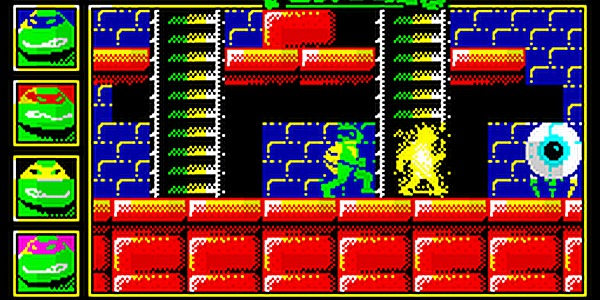
When it came to mutant turtles, Konami could do no wrong in the early 90s. In fact, their first NES game was so popular that it got a port to the ZX Spectrum, which seemed like a dream come true for anyone who was still saving up their pocket money for a console. The port cost a tenner, which was an extortionate amount at a time when most Speccy titles still went for £3.99 in Boots, but it seemed like a good deal for what looked like a faithful port of the NES title €“ at least, until you hit the first boss, Bebop. Bebop€™s a cakewalk on the NES. You€™re locked into a single screen as he paces back and forth, only dealing damage if you walk into him. Which is why it€™s all the more alarming on the Spectrum port when a horrible pink blob that€™s supposed to be Rocksteady appears and immediately wipes the floor with you. He mercilessly tracks you down, walking casually through mid-air to reach you and draining your life energy with a single touch. The secret, which you may never last long enough to figure out, is that unlike the Bebop battle you€™re not actually locked in. The only way to win is to scamper backwards through the level with Rocksteady in pursuit like a vengeful ghost, leading him around until he finally explodes. It€™s insanely tough - even Shredder, the final boss, only bounces harmlessly around like the ball from Breakout. To kids, Rocksteady seemed unkillable, and most of us were had to wait for a NES to ever see the second level.

3. Big Rigs

Released exclusively to the PC in 2003, Big Rigs: Over The Road Racing promises a high-octane racer where drivers compete to tow cargo to the destination, outracing one another while avoiding the attentions of the police. Unfortunately for anyone who missed the reviews or received a copy as a Christmas present from an enemy, the game is so woefully and deliberately incomplete as to be practically unplayable. Despite what the game€™s €œplot€ would have you believe, there are no police €“ but that€™s okay because there€™s no cargo, either. The opposing drivers never actually move and your truck lacks both collision detection, allowing you to pass through buildings and other obstacles, and physics, allowing you to drive up walls and reach infinite velocities while reversing. Amazingly, the game was actually patched. While the extra €˜effort€™ added some sound effects and activated the other drivers, they still wouldn€™t make it to the finish line before giving up €“ possibly proving them smarter than human players after all. The internet€™s love of terrible things led to memes and fan-sites for Big Rigs, with curious players tracking down the original developers for interviews and trying to figure out what went wrong. But while the game€™s development remains a curious mystery for gamers online, spare a thought for the unwary; those players who spent money on Big Rigs and have yet to see the funny side.

2. Doom 32X €“ Quit To€ DOS?

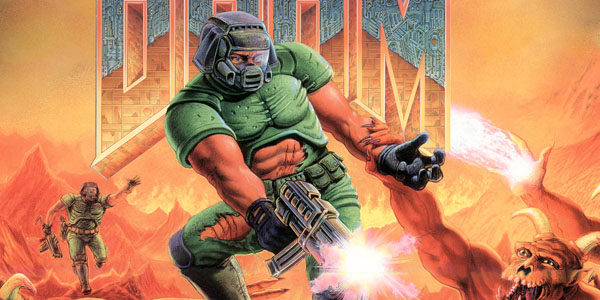
Doom€™s been ported to pretty much every system under the sun, from highly-publicised console releases like the SNES and Jaguar through to graphical calculators and cashpoints (no, really). As such, it€™s hard to blame Sega for their desire to get Doom out as a launch-title for their ill-fated 32X add-on €“ a great port would have proved that the humble Megadrive was capable of standing toe-to-toe with the heftier consoles. How much pressure Sega applied isn€™t certain, but despite heavy investment from ID Software (John Carmack and American McGee were both reportedly involved with the port) the 32X version arrived on store shelves in a scrappy and unfinished state. Maps from the first two episodes exist in the game but they€™re incomplete, with certain triggers and even entire corridors missing. As a result, it€™s not possible to complete certain levels with 100% items, and the BFG weapon can€™t be collected without cheating. Cheating isn€™t advised, however, even though it€™s the only way to see everything that the game has to offer. If cheats are active, players will reach the penultimate level and then find themselves facing€ an old-fashioned DOS prompt. According to the manual, this is supposed to be the developers€™ joke €“ the game would return you to the first level and tell you to try again without cheating. Unfortunately, this wasn€™t implemented either. Instead, the player is left asking themselves questions. €œWhy am I seeing a DOS prompt?€, €œHow do I type into this thing?€ and perhaps most importantly, €œwhy did I buy a 32X in the first place?€

1. Takeshi€™s Challenge

Years before Shigesato Itoi would turn his hands to developing the RPG €œMother€, another Japanese entertainer had got his sights set on Nintendo€™s Famicom system. Comedian and director Takeshi Kitano €“ creator of Takeshi€™s Castle - teamed up with gaming goliath Taito and took an active role in producing his first video game. Warnings on the box that the game was impossible to complete with conventional skills were not to be taken lightly. The player assumes the role of a downtrodden salaryman, one whose marriage and career are falling apart around him while he dreams of legendary treasure hidden on a distant island. It€™s fair to say that logic is not a companion on the journey. Players will be asked to invest their money in shamisen lessons to avoid paying alimony, sing karaoke into the Famicom€™s built-in microphone, take on the Yakuza and put the controller down for an entire hour to reveal a secret map. Two of the game€™s more obscure puzzles could only be solved by watching the game€™s commercials. Takeshi€™s Challenge is the most infamous example of €œNintendo Hard€, but it€™s also the most honest. It revels in being difficult and obtuse, playing with difficulty and slog in a deliberate parody of games and openly mocks just how much tripe gamers are prepared to put up with € which, for some, makes it the most enticing entry on the list, something to be cherished and explored in Let€™s Plays for masochistic pleasure. All of which rather backs up Takeshi€™s point €“ we€™ll never learn!

In this post: 
Doom
 
Posted On: 
Contributor
Contributor

Chris has over a decade's experience as a game designer and writer in the video game industry. He's currently battling Unity in a fight to the death.