10 Ways Video Games Keep Pissing Off Fans
The one graphics option you always turn off.
Video games have the capacity to be narrative masterpieces and mechanically stunning in ways us non-video game developers might not even be able to imagine. They also do some really annoying stuff, so in this list we’re going to go full nitpicky and point out the things we don’t like about them.
If that’s feeling a little overly negative, not to worry, we’ve got loads of WhatCulture lists celebrating everything that’s great about video games, and I think we all need a little vent session every now and then.
From things that are dragging the industry down as a whole, to weird features that just haven’t gone away, we’ve collected a bunch of our grievances.
It’s worth saying microtransactions and loot boxes won’t be making an appearance because that’s well trodden ground, but we’ve still got some doozies.
--
10. Mandatory Internet Connection

Alright, sure, it’s 2024 and most of our internet connections are a hell of a lot more reliable than they used to be, and they don’t make that excruciating dial up noise so that’s a win/win, but it still shouldn’t be a necessity for playing video games.
If you grew up in the age of primarily brick and mortar game sales where your collection was made up of gigantic cardboard boxes containing discs and manuals, as well as cartridges of various shapes and sizes, then you’re probably more bothered by this entry than those who were born this century. You can’t argue with the convenience of digital platforms housing all of your games.
Well, you used to not be able to argue with it, now your games are probably spread across seven different digital video game storefronts and it’s almost less convenient than going through your pile of old boxed games.
On the whole, though, there is a frustration with the feeling like you don’t actually own your games. While games being delisted and the threat of platforms folding altogether are totally crap, mandatory internet connections which force you to be online to play your single player games come off as pretty ridiculous. While this largely comes from a place of studios trying to protect themselves from those who might pirate games by implementing DRM, it’s certainly consumer-unfriendly.
9. Publisher-Specific Launchers
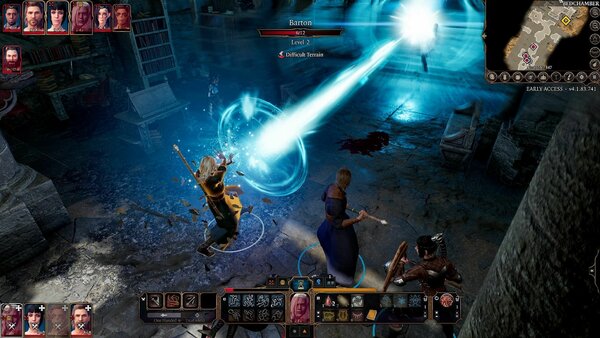
Since we’ve already touched on it, let’s talk about publisher-specific launchers. This goes an extra step further than digital storefronts. You know, like Steam, Ubisoft Connect, Epic Games, GOG, Humble Bundle, Microsoft Store, PlayStation Store, EA App, and good god, someone needs to tell these people to stop.
Publisher-specific launchers include the Larian Studios launcher, Battle.net, Rockstar Games launcher, The Sims launcher, the Paradox launcher, the Kalypso launcher, I could go on.
While sometimes these launchers are actually welcome like in the cases where they let you manage mods or DLC that you have installed, they’re mostly just an annoyance. You can mess with your digital storefront of choice to disable the secondary launcher to various degrees of effectiveness but it’s one more step that really shouldn’t be there.
The worst case is when layering these launchers like Larian launching through Steam or Epic launching through Steam, actually causes bugs to happen in your game.
This happened to a handful of people including me where Baldur’s Gate 3 would stutter until you disabled the launcher through Steam’s advanced launch options. Even if everything goes to plan, specific launches for one publisher, one series, and even one game are just an unnecessary hurdle stalling you from playing your games.
8. Bandwagoning
This one is a little more esoteric but once I crack into it I think you’ll see where I’m coming from.
It’s undeniable that video games are first and foremost made for profit, whether we want that to be the case or not. As a result, publishers generally aren’t too keen on taking a gamble on anything that might not prove to be commercially successful. Especially larger publishers.
The stories about publisher hesitation over things like Aloy being fronted as a female protagonist for Horizon or the industry assertion that CRPGs were dead right before Baldur’s Gate 3 took 2023 by storm are perfect examples.
While those devs got their vision made, many more aren’t so lucky, unless they opt for something more tried and true.
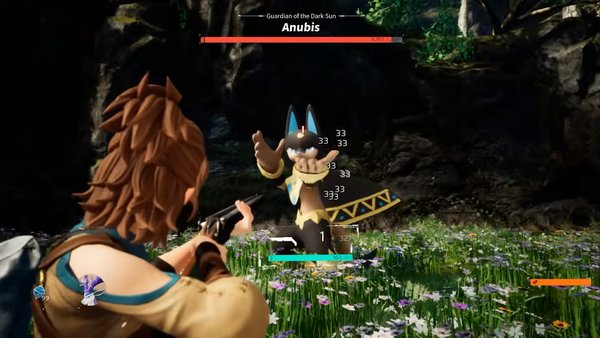
Enter what I’m short-handing as ‘bandwagoning’, publishers that see games going gangbusters financially and decide to essentially clone, copy, or reskin them. Instead of spending their time and money making something unique and innovative, they try to make their own Fortnite, GTA Online, or Call of Duty. As Larian put it after the success of BG3, “I hope [Baldur’s Gate 3] kicks the doors open,” Smith says. “If you look at the indie space, RPGs never went away. People can go to a publisher and say, ‘Well, look what it !*$% did for them.”
Fingers crossed that actually happens.
7. Dropping Split-Screen
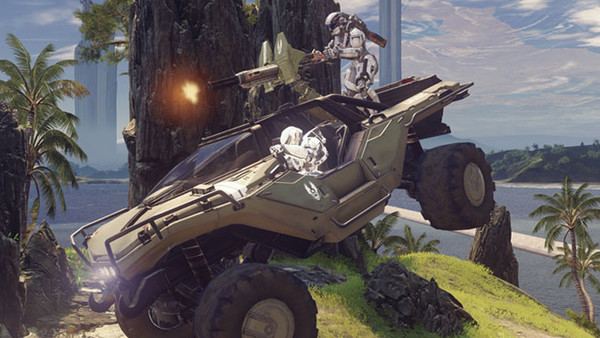
As much as the last entry took some explaining, this one takes next to none. Multiplayer video games used to have split screen co-op and now they don’t and it stinks. It’s not that we want to trade out online multiplayer, it’s just a shame that despite the size and resolution of screens improving year on year, most games have left split screen co-op back in the early 2000s dust.
This one kind of coincides with the mandatory internet connection entry, as split screen coop is a fantastic solution for people who want to play games but don’t have an internet connection for whatever reason.
Even if there’s an argument to be made that the feature’s popularity declined, or it became less necessary given the increase in households that had a console so each player had their own anyway, whether Mario Kart of Army of Two, there was nothing like a proper split screen gaming night with friends. The few games that haven’t dropped it are held dear by those who love this style of multiplayer.
You can’t help but feel like studios are deliberately ignoring fans who have been crying out for a split screen comeback for years now. So, yeah, it’s fair to say fans are pissed off.
6. Specific Locations For Fast Travelling
Fast travel isn’t an absolute must for video games but it’s certainly a bonus when you’re dealing with a big open world, and there aren’t a lot of games with enormous maps that don’t utilise the feature.
Given it’s optional, it’s not like these games are forcing you to buzz around them like you’re a blue hedgehog, but it’s nice to be able to.
That then begs the question of why certain games won’t let you jump to their fast travel points from anywhere on the map. You have games like the new Spider-Man that let you bounce from anywhere to anywhere once you’ve explored enough of the region, then there are games like Skyrim where you can fast travel to found locations as long as you aren’t inside.
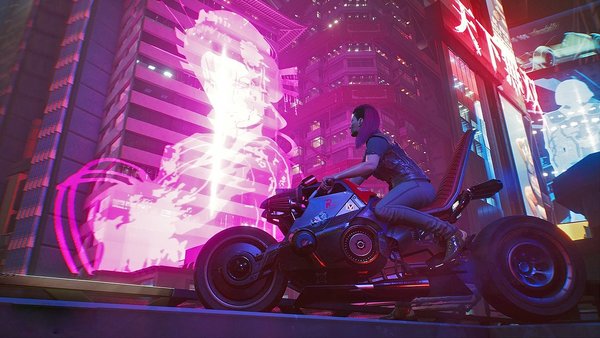
Then there’s The Witcher and Cyberpunk which, for some reason, require you to slog it to one of their allocated fast travel locations to get to another fast travel location, no matter how many times you’ve visited them.
It’s deeply annoying and I have to be honest this is a pretty personal gripe for me so you’ll have to let me know if it bothers you or not in that comment section.
5. Higher Difficulties = Bullet Sponges
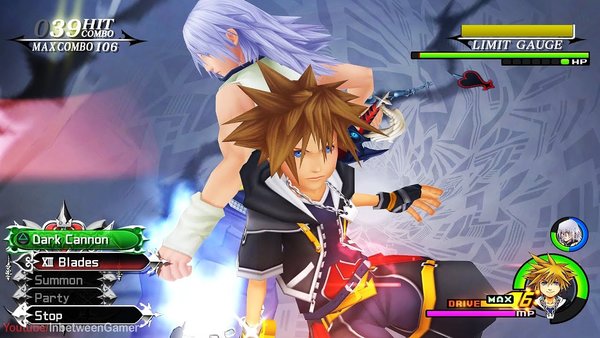
Most games, regardless of genre, include different difficulty options and games that do a good job of this might do things like let you adjust minor tweaks like parry windows and aim assist, or maybe even adjust the difficulty of combat and puzzling independently.
On the other hand, games that do not do a good job of this will interpret you turning up the difficulty as a request to simply pile hit points into your enemies ensuring they take however many times the amount of bullets to put down.
It’s far more interesting when video games use different methods to up the difficulty on determined players, like Ghost of Tsushima’s lethal+ mode where everyone goes down easy, Critical Mode in Kingdom Hearts 2 Final Mix that give you more abilities but more vulnerability, and games that grant you and your enemies with bonuses or drawbacks to align with how tough of a time you’d like to have.
There’s few things that feel lazier, especially in a game with a huge budget behind it, than simply beefing up your foes' health to make a fight more difficult and dragged out.
4. Filler Content
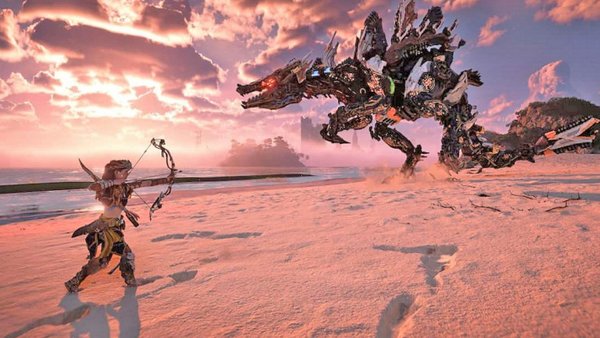
The greatest argument against video games being big just for the sake of being big is filler content. Filler content comes in many forms. They could be massive empty spaces that don’t hit in a solemn intentional way like that of Shadow of the Colossus’ map but instead just feel like great expanses of nothing significant.
Separately, but equally as mundane are mechanically and narratively meaningless side quests, busy work, and redundant objectives.
Unless you're a fan of fetch quests, random encounters, or anything that will grant you a little extra experience, there’s really nothing to love about any of these inclusions that are clearly designed to pad out a game’s world and runtime. In these situations, most of us would prefer less side content that was actually substantial, for example fewer quests that stretched out longer and let us get to know NPCs better, or smaller world maps that are more populated with interesting things to do, encounters to witness, and secrets to uncover.
Filler content feels like a tool for publishers to help market their games, so they can tout runtime or map size, but it’s rarely what actual fans are looking for.
3. Hand-Holding

Another thing fans are well and truly sick of, I guess unless you’re like a kid or especially new to video games, is hand holding. This goes double for any hand holding that extends past the tutorial or is impossible to turn off. There’s nothing wrong with a tutorial that runs you through the basics, personally I don’t even mind being told how to use directional keys if it helps somebody who needs it.
But I swear to god if one more NPC tries to tell me how to solve a puzzle when I’m part way through doing it I’m going to stab them in the back and reload so I don’t get in trouble.
Some games barely give you a moment of failing at a puzzle, combat encounter, or platforming section before they’ll tap you on the shoulder asking if you want to pull the difficulty down or dropping hints you didn’t ask for. This is especially bad with adaptive difficulty that decides of its own accord to make things easier without even letting you know that it’s happening behind the scenes.
Then there are NPCs, companions, or even the game itself regularly piping up to remind you of where you need to go next, even if you were happily exploring. Whatever the case may be, stop it, video games. Bad video games.
2. Dailies & Timed Content

This is one of the more insidious entries on this list, except that it’s not so insidious because that implies it’s taking advantage of us without our knowledge and we all know exactly what these games are up to. Even if we do admittedly keep engaging in the feature anyway.
More and more games are incorporating timed content with specific rewards you can only get if you complete dailies and weeklies. If that sounds like a job with a deadline, it basically is.
What games like Assassin’s Creed: Valhalla, PUBG, World of Warcraft, Fallout 76, Red Dead Redemption 2 Online, and 400 other titles do is pop a bunch of daily and weekly tasks that are cleverly designed to ask the right amount of time and energy from you in return for a prize you can’t get anywhere else. They’re also very clever at instilling you with the fear of missing out so you feel like you have to complete them at every interval.
This gets especially hard to pass up if you’re dealing with a multiplayer game and your friends are all doing the timed objectives so you feel doubly obligated.
1. Default-On Motion Blur
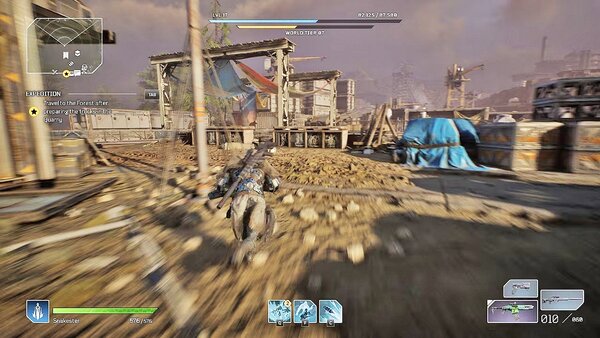
To wrap up with what is certainly the most nitpicky entry on this list, but one that pisses enough people off that I thought it was worth mentioning, we have the default-on visual settings that you almost certainly do not want on.
While there’s nothing like the rush of booting up a brand new game, diving into the graphics settings, and turning off motion blur before you’ve even seen what it looks like in game, it seems strange that games keep turning it on for you.
There’s nothing wrong with devs giving players more options as everyone likes to experience their games differently, mechanically, visually, and everything in between. Since we’re having a go at motion blur we may as well throw lens flair, depth of field, chromatic aberration, bloom, and film grain on the pile since they’re also frequent victims of being turned off as soon as they’ve been identified in the graphics settings menu.
We’re not mad, video games, we’re just disappointed. Although if you do love any of these you’d better sound off so we can understand what we’re missing.