5 Greedy Decisions That Changed Gaming For The Worse
1. Introduction of Microtransactions
Microtransactions, or the purchase of an in-game item using extra money from what is originally paid for the game, go quite far back. The earliest game to introduce a microtransaction was possible the arcade shooter Lost Tomb way back in early 1980s. Back then these purchases were simple such as an extra life after the player dies in exchange for a few cents, not leaving big dents on wallets. Fast-forward to 2025 and microtransactions such as loot boxes and battle passes have arguably become the major revenue stream for game companies, with critics literally linking it to psychological problems such as the Gambler’s Fallacy.
The sale of microtransactions was greatly facilitated in the 2000s with the emergence of downloadable content or DLCs, made available through platforms such as Xbox life. The first modern day microtransaction sold by a major company was in Edler Scrolls IV: Oblivion. Brainchild of legendary video game designer Todd Howard, in the 2006 installment of its action RPG series, Bethesda sold a horse armor DLC for the price of $2.50. At the time it may not have seemed like much, even drawing sharp criticism for its blatant attempt at squeezing its customers for extra money. Despite the complains however, the DLC was widely purchased, giving video companies all the evidence they needed to make microtransactions the future revenue model for the industry.
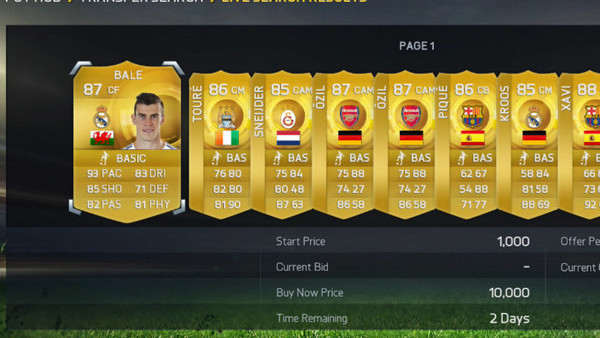
From here there was no turning back, with similar features such as Fifa’s Ultimate Team first introduced in Fifa 09, becoming video game staples. This shift was further solidified in 2009 by Apple thanks to the launch of in-app purchases within the App Store, with Google quickly following suite. Thanks to this feature, the world was introduced to games that were free to initially download, but most of its key components such as levels, abilities, etc. were locked behind paywalls. This model has since become widely implemented by video game developers, yes EA we are looking at you, where large sections of games are only accessible to players via extra payments.
Today it is not uncommon for gamers to end up spending far more on skins and loot boxes than what they originally pay for the game. For example, Star Wars Battlefront II can add up to over $2000 in microtransactions for around 40 hours of gameplay, a system so heavily criticized it even made EA re-think their plans. This has been likened to phenomenon such as Gambler’s Fallacy where an individual continues to purchase items such as loot boxes that have been marketed in colorful and palatable presentations despite unfavorable outcomes, driven by the belief that each undesirable outcome increases the likelihood of a positive outcome in the next purchase. This has been analysed and demonstrated by a number of research papers in the last ten or so years, published in journals such as Addictive Behaviors Reports and Entertainment Computing. It is difficult to pinpoint where exactly the blame lies for the current state of microtransaction use, and sure enough some blame at least resides with consumers for their initial commitment to purchasing these add-ons. One thing is for certain however, what Microsoft and Todd Howard helped ignite, has according to most, changed gaming for the worst.