8 Crippling Flaws In Popular Video Game Consoles
You want £300 for THIS?!

Though we like to compare Fortnites to PUBGs, Horizons to Zeldas and Call of Dutys to Overwatchs, none of these conversations would even happen without consoles.
The forefront of technological hype surrounding the industry, gaming tends to be on the cutting edge of controllable visual media - at least, once Hollywood have had a bash with the latest CG effects. Be it motion controls, virtual reality, even writing visual media to discs years before DVDs would replace cassettes, gaming's technological side is a wonder to see in motion, be it through previews or hands-on sessions.
That said, the consumer tends to be the guinea pig in gaming way more than the likes of the mobile phone market. As console cycles tend to be around the five year mark, teams are forever caught in an overlapping schedule of developing something new just as their past invention has released.
It's resulted in the guarantee that whatever you buy day one is the hands-down worst version of a given system - a reality that means a ton of incredibly popular and well-regarded consoles actually limped out the gate.
8. Yellow Light Of Death - PS3
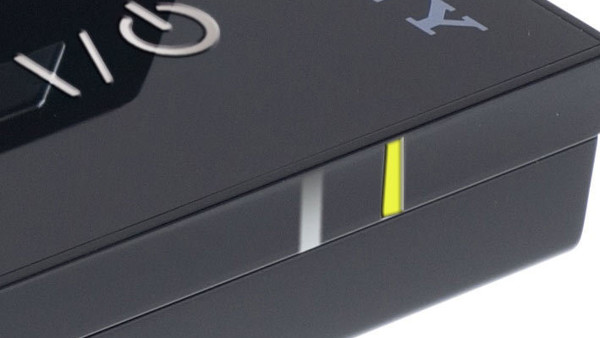
Though the Xbox 360's red ring of death caught all the headlines, the PS3's console-failing yellow light was all the more infuriating when you realised the rate of failure was almost guaranteed.
Coming from such a baffling oversight as the thermal paste inside the machine eventually wearing away between two specific conduits, it meant almost everybody who coughed up the cash for a launch model PS3 had it fail a year or two later.
Sony's response wasn't anywhere near as hospitable or consumer-friendly as Microsoft's either, acknowledging the error existed but offering nothing in the way of immediate compensation. They were spot-on that the yellow light could represent any number of systematic failures, but overall the takeaway for anyone who believed in the PS3 at launch was, "Yeah, thanks for the cash but... tough sh*t".
7. Red Ring Of Death - Xbox 360

The most widespread issue, possibly in console history, the fact the 360 crashed and burned at launch and still took the generation is tantamount to just how much Sony messed up.
Yes, rather like the PS3's yellow light error, this red ring problem was also caused by a specific connection failing inside the console itself. The 360's red ring happened very frequently due to internal heat, a cause that resulted in thousands upon thousands of systems needing to be fixed.
Thankfully, Microsoft responded with a bought n' paid for replacement service. They'd foot the bill for postage and packaging, sending a white box to store your broken system, and if you were better off with an all-new 360, they'd send you that back instead.
Good guys, Microsoft. Now, bring back the dashboard blades.
6. "Disc Read Error" - PS2 & PS2 Slim
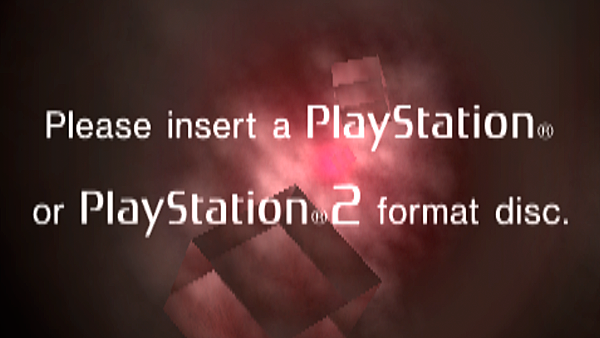
We all tend to have rose-tinted glasses when looking back on the almighty PS2, but for everyone who enjoyed Metal Gear Solid, Jak & Daxter and the 3D GTA trilogy, there were just as many "disc read error" prompts when firing them up.
Down to the console's laser not being built to last, many will remember the sheer muscle-clenching panic of watching the boot-up animation kick in... only for your game to not load. Worse still was the arbitrary "Insert a format disc" error - something that actually meant the same thing as the former error, yet looked more mystifying and off-putting.
The whole thing resulted in a lawsuit between Toys R' Us and Sony, the former suing over the frequency of the errors. Thankfully this resulted in Sony caving, letting certain batches of PS2s qualify for monetary compensation, a free PS2 game or full replacement of the PS2 itself.
Sony still maintained there was "no problem with these models", but "[had] agreed to settle these lawsuits to avoid the extraordinary high cost of cumbersome class action litigation."
Good... guy... Sony?
5. A Complete Lack Of Marketing & Consumer Messaging - Wii U

Not a technical hardware fault, but one entirely of marketing and positioning in the industry.
To date, the Wii U remains Nintendo's worst-selling console of all time, coming in with lifetime sales of just 13.6 million. This is a staggering tenth of the Wii's overall trade, and why? Because the vast majority of the populace didn't even know what the Wii U was.
As Nintendo's E3 showcases and adverts were threadbare at best, highlighting what looked like a fancy new tablet that altered the way you played Wii Sports Golf, it completely undersold the fact everything was now in HD - not to mention the array of triple-A bangers that are still recommendable today.
Naturally you saw the public's resurgence come back with a vengeance when the Switch was announced - its bright red/blue casing and portability almost screaming to punters, "SEE THIS?! THIS IS THE NEW ONE!!"
4. Forcing Broken Kinect Functionality - Xbox One
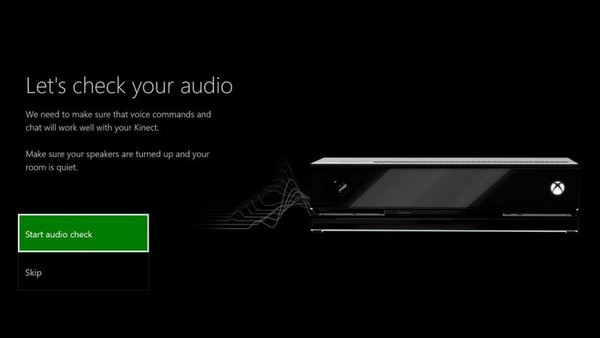
Evermore baffling the more you think about it. Why, oh WHY, did Microsoft take the one piece of kit that completely bombed on the original 360... before building an entire system interface around it?
You'd think the fact TV manufacturers weren't integrating voice controls would be some indication the average consumer doesn't care about such things, but no... they actively lead with voice commands and motion controls to operate the system's basic menus.
Worst still, the tech didn't even have a 100% success rate. Kinect would lose limbs mid-movement, would load up the wrong thing after mishearing what you said - or just completely fail to do anything, making you wave like a lunatic to wake it up again.
Compounding everything was Microsoft saying the Kinect was required to operate the Xbox One - a "fact" they walked back and released a standalone Xbox One, when the overwhelming consumer response was tantamount to a middle finger.
3. Sticking With Cartridges - N64

Many people don't know Sony and Nintendo once had a "Nintendo PlayStation" in the works - a project that went sideways when the two companies couldn't decide on how to split revenue at retail. Set to play cartridges AND CDs, Sony would take their new fangled disc technology and build the PlayStation into its own brand.
The rest is industry-shaking history as far as Sony are concerned, but Nintendo, perhaps only out of tradition or competition, stuck with cartridges.
It proved to be the system's undoing. Of course the N64 is still one of the most beloved consoles in gaming history, but the PS1 completely flattened it in sales and technical capability.
Cartridges were expensive to produce and had major memory limitations by comparison. The almighty Final Fantasy VII actually started life on N64, but Square had to jump ship, as the project just wasn't doable on cartridge.
All this, when it was Nintendo that helped pioneer 3D in 1992's Mario Kart, or 93's Star Fox. They should've been the first to execute on those ideas in full... yet, it all fell apart.
2. Joy-Con Literally De-Syncs If Anything Is In The Way - Nintendo Switch

The Switch is just about the most loveable machine Nintendo have built since the SNES, but it wasn't without fault.
Centred on the left Joy-Con, on every launch model of the console if your finger so much as goes anywhere near the top of the controller - which it will, to hit a shoulder button - it will de-sync. Annoyingly, the Switch keeps doing whatever the last entered input was - cue Link walking off cliffs or any myriad of precise platformers being made unplayable.
Even a particularly cloudy glass of fruit juice could cause the Joy-Con to lose sight of the Switch, but Nintendo's response was initially terrible. First they said the amount of broken Joy-Cons was not a "significant" number, then released some "tips" on how to avoid the issue, including not operating it "near an aquarium" (yes, really)
Finally they implemented a free replacement/augmentation service. Though it wasn't anywhere near as widespread or advertised as that of the 360, there was finally a way for consumers to get new Joy-Cons.
Much better.
1. The Games, Controller, Lack Of Games, Broken Promises & Shocking Build Quality - Ouya

What a complete and utter mess this thing was.
Granted the term "popular" in the headline has referred to massively widespread consoles that amassed sizeable fanbases post-launch, thanks to Kickstarter, the Ouya hoovered up 9 million dollars across tens of thousands of backers, only to squander every last penny.
At launch, every last part of the system was a disaster, and not even in a "Well, at least you had a go"-kinda way. No, where the Ouya was sold as a system "anybody could code for"; embracing the burgeoning indie spirit in gaming, the games themselves looked like phone ports and flash titles at best.
The Ouya's controller looked and felt like something you'd find at a flea market, and the console? Cheap, weightless, as though it was still in the prototype phase.
A complete and total failure, the Outa's lifecycle embodies the very idea of hyping up the populace for all new tech, only to completely disappoint.