10 Most Influential Rock Acts Of The 20th Century

Without these legendary artists music wouldn't be the same today.
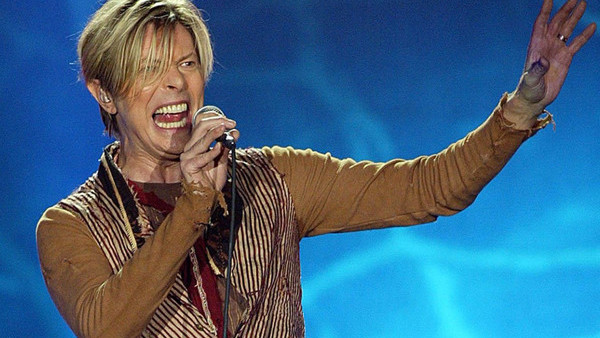
The Ancient Greek philosopher Pythagoras held a theory that the universe itself is musical - break the word down and it even suggests that all existence is singing in a single verse. Music certainly possesses a strange and ineffable power to change our mood at the drop of a note, and while tracing how any particular genre or style of music has emerged over the years is always a tricky task - influences come thick and fast and are as often subliminal as well as conscious - there are some artists who have left their mark on future generations more than most. When looking at the birth of rock and roll it's impossible to separate it from what had come before, notably the huge influence from music of black origin such a rhythm and blues and jazz. From the 1950s onwards an increasing number of musicians got their hands on the newly introduced electric guitar and took the instrument in new and exciting directions, creating sounds which had never been heard before. The following list takes a look at ten of the most influential rock bands and artists of all time, examining the impact they had both on other musicians and the various sub-genres of rock which have emerged over the last few decades.

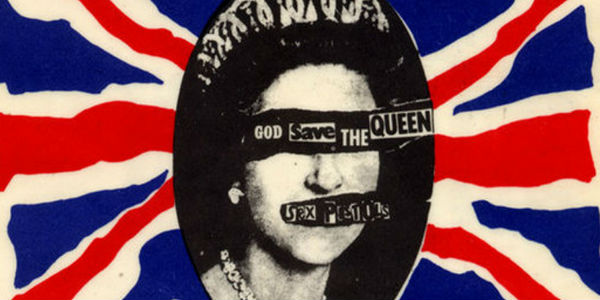
10. The Sex Pistols

If any one style of music can be said to provoke rebellion against the establishment and led to frequent moments of controversy in the public eye, then punk rock is the one. The most influential band to push this simple yet abrasive style forwards were The Sex Pistols. Despite the fact The Sex Pistols were only active for less than 3 years and their lead singer Sid Vicious, who joined the band in 1977, died at the tender age of 21, their legacy to punk can still be felt in music released today - their seminal ode to smashing conformity, God Save The Queen, has even influenced the work of poets such as Heathcote Williams, who used the song as a point of reference for his scathing analysis of the royal family, Royal Babylon. Rock bands in the late 70s had become stuck in something of a rut, and the arrival of The Sex Pistols ushered in a new era of bands such as the Buzzcocks, Dead Kennedys and The Stranglers, all of whom owe a debt of gratitude to Johnny Rotten and company.

9. Pink Floyd

For many years, rock musicians were largely confined to the verse/chorus structure of their songs which were, for the most part, short but sweet tunes lasting around three minutes. By the mid-60s new bands were emerging which took rock in radical new directions - one such band was Pink Floyd. Founded in 1965, Pink Floyd were immediately noted for their willingness to experiment with previously unheard of production techniques, creating psychedelic and progressive rock tunes which would go on to sell millions of copies - indeed, given their experimental approach to music it's perhaps something of a surprise that they were so successful commercially. As well as being a huge influence on many notable bands which followed, Pink Floyd also made a name for themselves as consummate showmen - their live acts, replete with lasers and huge props, established the benchmark by which future stadium performers would be measured.

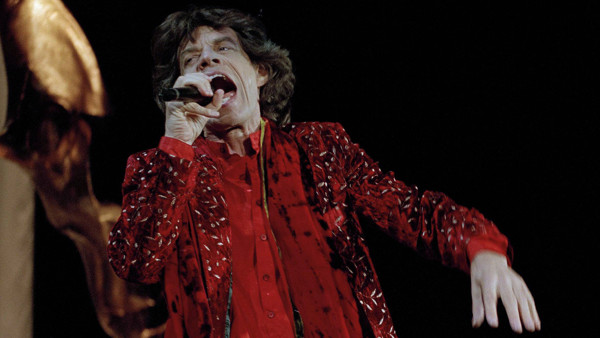
8. The Rolling Stones

If Pink Floyd represented one of the earliest bands to take rock on a long journey into the mind's eye, it was The Rolling Stones who gave it its boisterous, vibrant edge which, in the words of one journalist at the time, stood for "the antidote to a class-bound, authoritarian culture." Mick Jagger and Keith Richards might have been featured in the press at the time more on account of their legendary drug taking, but the band's influence on rock - particularly after they stormed America - is far more noteworthy. Songs like Jumpin' Jack Flash and Satisfaction became synonymous with the counterculture movement leading to countless imitators in the years to come. The Rolling Stones still perform today, although benefit concerts for the likes of Bill and Hilary Clinton suggest that their anti-authoritarian stance has been completely dulled. Still, without them rock music simply wouldn't be what it is today.

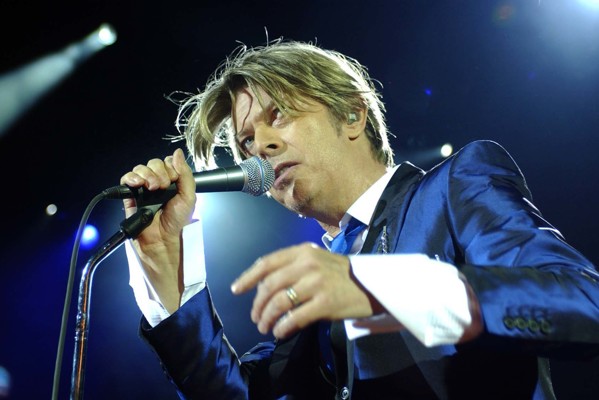
7. David Bowie

David Bowie first hit the big time a few years later than The Rolling Stones - it was his 1969 song Space Oddity which fired its way up the charts in the UK to reach the number 5 spot, ushering in the famously androgynous star into the spotlight. Merging rock with glam in the early 70s, Bowie would go on to become a key player in the fusion of rock and pop while at the same time gathering a legion of fans which numbered in the millions. What is perhaps most notable about his influence and lasting legacy on rock music is how chameleon-like he was - and remains - throughout his career, consistently reinventing and innovating as the decades passed. Bowie's unique talent was in the way in which he somehow managed to be both sophisticated and edgy - his compositions and arrangements were often complex, and yet the underlying songs were frequently catchy and accessible. For a performer with such a variable trajectory it's perhaps fitting that one of his greatest albums was titled Changes.

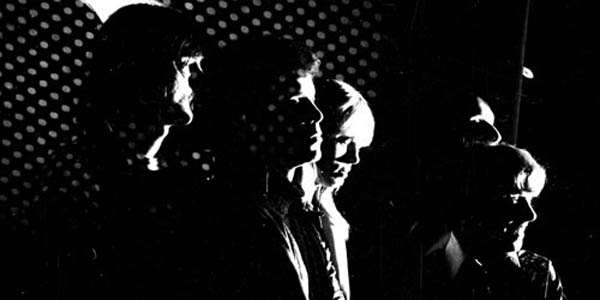
6. The Velvet Underground

Crossing over the Atlantic ocean to take a look at another band from the 1960s and 70s to have left a lasting legacy on rock music and we turn to The Velvet Underground who, unlike many of the other bands and artists on this list, were commercially unsuccessful during their time together. The Velvet Underground frontman Lou Reed is still a hugely popular artist to this day, but he cut his musical teeth producing music with John Cale under the management of eccentric New York pop artist Andy Warhol. The album The Velvet Underground & Nico, released in 1967, appears frequently on lists covering the best albums of all time. From alternative rock through to more experimental music, The Velvet Underground's relatively short time together led to only four studio albums, their politically-charged, visceral music and energetic stage presence has led many to liken them to the Beat poets who radically changed American culture in the 1950s and 60s.

5. Frank Zappa

Perhaps the weirdest fact about Franz Zappa is that he didn't take any drugs - he described himself as a coffee and cigarettes kind of guy and only tried hallucinogenics once saying that they weren't for him. As anyone who has heard his trippy and experimental music will know, this is surprising, to say the least. As a composer Zappa soaked in and exhibited more influences himself than perhaps any other musician from his generation - a self-taught instrumentalist and a huge fan of experimental composers such as Igor Stravinsky. he was constantly pushing his sound in new and interesting directions, producing over 60 albums over the course of his career. Given the diversity of his own music it's perhaps not surprising to hear his influence on a wide range of artists - everyone from The Beatles through to funk legend George Clinton have cited him as a source of inspiration for their own works.

4. The Beatles

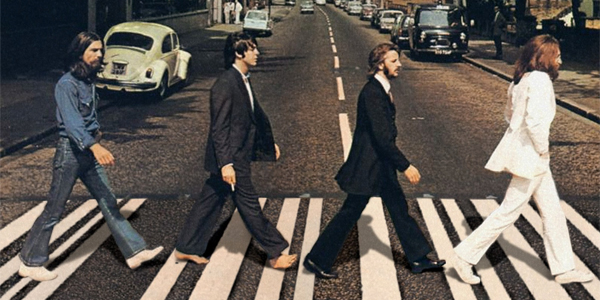
There's something a little twee and restrained about the rock and roll music which came out throughout the 1950s, and there's a hint of this sweetness in the early footage of The Beatles, whose skiffle-inspired tunes veered far more towards what we perceive as pop than they did rock. Jump forwards a decade from their formation in 1960, however, and it becomes immediately apparent how few bands in the history of music have managed to so successfully reinvent themselves over and over while still appealing to millions of fans around the world. Breaking through the constraints of the music scene they were brought up with, their songs oozed creativity, both lyrically and in the wonderful instrumental arrangements. While Beatlemania and the legions of screaming teenage girls which it spawned might not be the greatest legacy to leave to popular culture, The Beatles' overall output represented a string of major breakthroughs in how music is written and produced.

3. Led Zeppelin

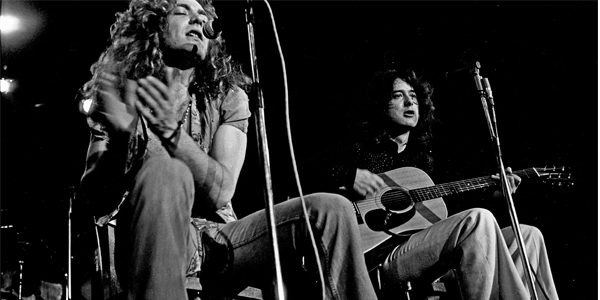
You know your rock band has made it into the big league when it finally gets a mention in the Rock And Roll Hall Of Fame. When Led Zeppelin were finally inducted there in 1995, their biography described them as influential in the 1970s as the Beatles had been the decade before. Having drawn upon a wide range of influences themselves, Led Zeppelin - comprised of Jimmy Page, Robert Plant, John Paul Jones and John Bonham - would go on to become the first heavy metal band in the history of music, noted for their use of loud, distorted guitars coupled with a lifestyle of debauchery which would become synonymous with the genre. While practically no one on the planet hasn't heard their most famous song Stairway To Heaven, Led Zeppelin's discography is full of experimental music which pushed through boundaries - everyone from Queen and Madonna through to Nirvana and Megadeath has cited their influence on their music.

2. Elvis Presley

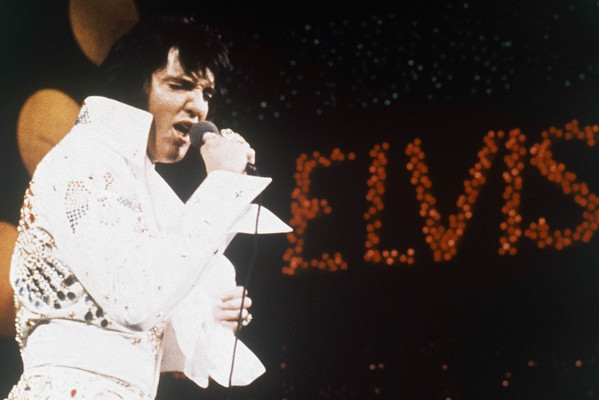
A few years before the Beatles were causing countless teenage girls to swoon and faint at their sell-out concerts, the man who started it all was stirring up a storm of controversy with his shaking hips and seductive voice. With Elvis "The King" Presley it's highly unlikely that rock music would be what it is today. Frequently described as the catalyst for the cultural revolution that was rock and roll, Presley's fusion of black-oriented music such as rhythm and blues in an era when the civil rights movement was just picking up made him something of an icon for rebelliousness. The influence he has had on countless artists since cannot be understated - music legends Bob Dylan and Jimi Hendrix are just two of the incredible talents who count Presley among their formative influences. The hundreds of Elvis Presley impersonators who wander the globe entering competitions to this day are a testament to the long-lasting impact on culture he had. Practically everyone who has ever held a guitar on stage owes a debt of gratitude to the King of Rock and Roll.

1. Jimi Hendrix

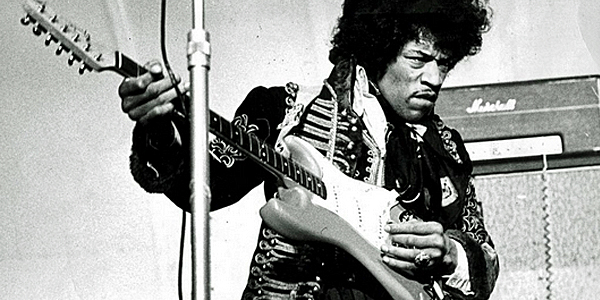
Picking the number one spot for a list of the most influential rock performers in music history is always going to involve a degree of subjectivity - measuring the significance of one artist over another is often a tricky thing to do, not least because often the great artists tend to influence one another in a continual feedback loop. Still, it's hard to argue with the fact that few other musicians ever to have graced a stage managed to wield a guitar with quite the same effortless dexterity and mind-blowing originality as Jimi Hendrix. With a career spanning just four years Hendrix emerged as someone almost universally regarded as the greatest instrumentalist in the history of music, not least through his revolutionary use of the wah-wah pedal and transforming feedback and distortion into musical expressions. Technically innovative as well as one of the most awe-inspiring performers, Jimi Hendrix has left a legacy which most other artists would die for, influencing artists and musicians involved in punk, funk, rock, soul, hip hop and many more. And all before his unfortunate death at the age of 27. What other influential rock artists would you include on this list? Why not let us know in the comments?

In this post: 
Jimi Hendrix
 
First Posted On: 
Contributor
Contributor

Andrew Dilks hasn't written a bio just yet, but if they had... it would appear here.