10 Origins Of Famous City Names
Why is New York called New York?
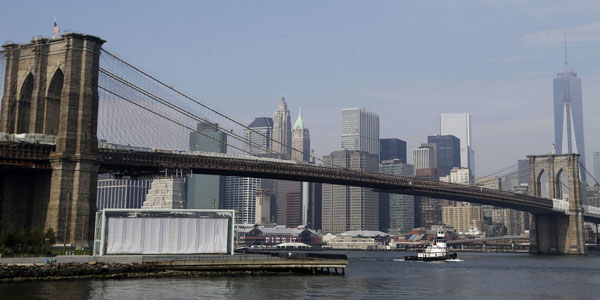
We see the names of famous cities all the time be it on the news, an airport departure board or on a travel show. Names hold a lot of power in our world, everyone gets one and everything has one. You only need to hear a name and a flurry of associated images and feelings will follow. Cities are no exception, hearing the name New York for example will instantly conjure up an image in our heads of the Statue of Liberty and streets thronging with yellow taxis. When you look back at the history of the world, from the cave dwellings of prehistoric man to the soaring skyscrapers of today, cities literally stand out as the greatest physical marker of how far the human race has evolved.
As cities grow and evolve so do their names. The study of the origins of words and how their meanings have changed and evolved over time is known as etymology. Although we are all very familiar with the names of famous world cities the stories behind their names are often much less well known to us. Here we have a run down of 10 of the worlds most famous cities and the history behind their names.
10. Paris
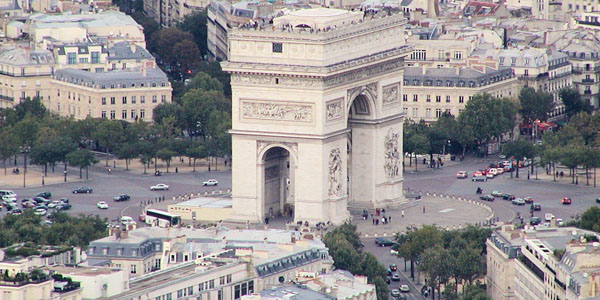
Paris has long held the the title of being the world's ultimate romantic destination and is an incredibly popular location to for couples to get engaged. The French capital began life around three centuries before Christ when a group of Celtic fishermen, named the Parisii, settled on the banks of the river Seine. The name Parisii stems from the gallic word parisio, which means the working people or craftsmen. Under Roman rule, a garrison known as Lutetia was founded on the banks of the Seine. The garrison evolved into a town and later became known as Civitas Parisiorum which meant City of the Parisii. This was later changed to simply Paris when Clovis I became the first King of the Franks in 481 AD and proclaimed the city his capital.
Paris also holds the nickname La Ville-Lumiere, which translates as The City Of Light. This nickname originates from Paris reputation as an important centre for education and enlightenment and also due to the fact that Paris was one of the first European cities to have gas street lighting.
9. London
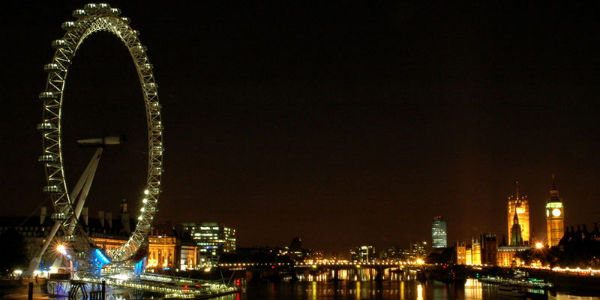
Each year, around 26 million overnight visits are made to the city of London making it one of the most visited tourist hot spots in the world. The city is steeped in a long history with archaeological evidence of a settlement and a bridge across the Thames dating back over 3000 years.
After the Romans invaded Britain in 43 AD, they established a settlement on the Thames in which they named Londinium. This Roman settlement was initially only about the size of modern day hyde park but would soon begin to grow and change to become the centre of British politics in subsequent generations. The architecture of London is incredibly varied thanks to each generation of Britons leaving their own mark on the iconic city from the Norman Tower of London to the modern addition of the London Eye.
The origin of the name London is not entirely clear. However, a 12th Century account states that the main root of the word, lund or lond originates from a pre Roman king named Lud. Lud is believed to have ruled over a settlement that occupied the area that was destined to become the city of Londinium and later London.
8. Sydney
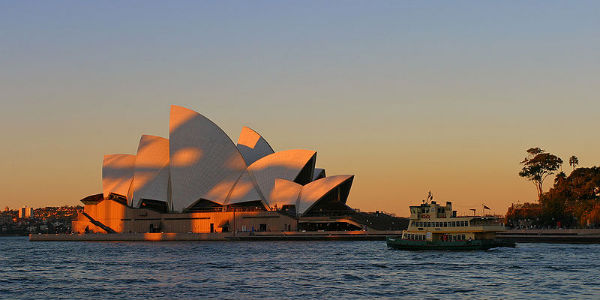
Sydney is probably the most well known Australian city and is often mistaken for being Australias capital. Sydney is home to the instantly recognisable landmarks of the Sydney Opera House and the Sydney Harbour Bridge.
On the 26th January 1788, the first English colonists arrived on Australias shores after seven long months of sailing. The colonists consisted of over seven hundred convicts accompanied by guards and experienced sailors. The voyage was being overseen by Admiral Arthur Phillips, the man responsible for discovering the site where Sydney now stands and also naming it. Phillips first gave the name Sydney to a small bay on the southern shore of Sydney harbour. The name was then reused for the settlement that began to develop there. Phillips chose the name Sydney in honour of the then british home secretary, Thomas Townsend Lord Sydney, as he was the man responsible for devising the plan to ship convicts to Australia. Sydney grew at a rapid rate as ships continued to bring more and more colonists to Australia and it was finally made a city and granted a Mayor in 1842.
7. Tokyo
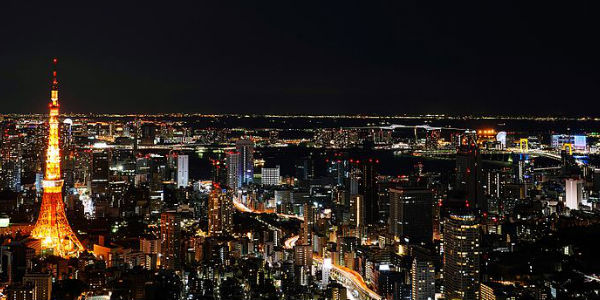
Tokyo is well known for being a sprawling metropolis of neon lights and high-tech trains mixed with traditional gardens and ancient temples. The Japanese capital has a population of close to nine million people making it the most populous metropolitan area in the world. Famous sites within Tokyo include the Imperial Palace and the Tokyo Tower. Due to its vast size, Tokyo is actually not a city but is instead officially known as a metropolitan prefecture. This title is unique to Tokyo and means that it combines elements of both a city and a prefecture. A prefecture serves as an administrative area within Japan and the country is divided up into 43 of these.
Tokyo started its life as a small fishing village in east Japan and was originally named Edo, which means estuary. However, in 1868 Emperor Meiji moved to Edo making it Japans new imperial capital city and renaming it Tokyo. The name is a combination of the Japanese words To, meaning east, and Kyo, which means Capital. It is tradition in the east that a capital city should contain the word capital within its name. Interestingly, the previous imperial capital city of Japan was named Kyoto, a reverse of the two words that make up Tokyos name.
6. Hong Kong
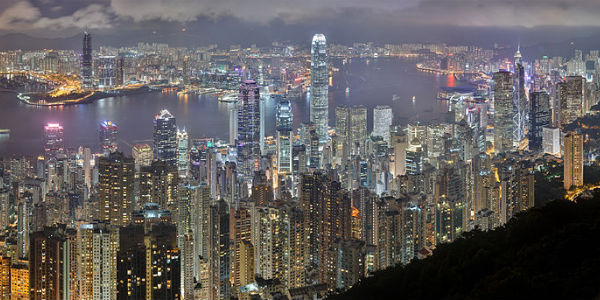
Hong Kong is located on the southeast coast of China and is famous for its expansive skyline and deep natural harbour. The name Hong Kong is the phonetic rendering of the pronunciation of two cantonese characters meaning fragrant harbour. The reference to fragrance comes from the sweetness of the water of the Pearl river and because incense that was produced in nearby factories would often be held at Hong Kong before being exported by sea.
The city became a British colony in 1842 after the Qing Dynasty government were defeated in the First Opium War. During british rule, the cities population grew rapidly due to large flocks of refugees coming to the city from mainland China. Due to the population boom and the eagerness of the refugees to work, Hong Kong became a major centre of manufacturing. This period in Hong Kongs history has led to the development of a very unique culture in the city that blends together aspects of both eastern and western societies.
On 1st July 1997, Hong Kong became the first special Administrative region of the peoples republic of China. This allows for Hong Kong to be a part of the country of China but to also retain its capitalist system and freedom of speech. The agreement is known officially as One Country, Two Systems.
5. Rio De Janeiro
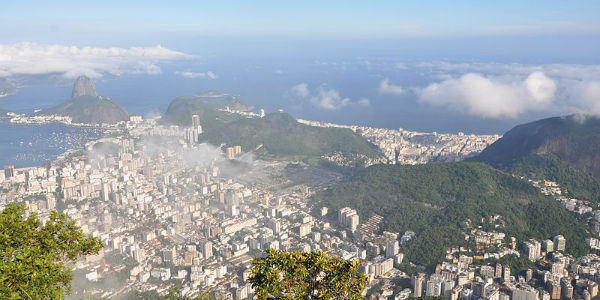
Rio De Janeiro is undoubtedly Brazils most famous city and its carnival in known world wide as the greatest party on Earth. The Carnival de Brazil sees the city possessed by three days of singing, dancing and parades. Rio De Janeiro is also an important location on the map of the sporting world having just played host to the 2014 World cup and being due to host the upcoming 2016 Olympic Games.
The City is situated between a beautiful bay on one side and an expansive of tropical forests and soaring mountains on the other. Rio De Janeiro is watched over from the top of one of these peaks by a 30 metre statue of Christ named Christ the Redeemer. The statue is instantly recognised around the globe and has even been named as one of the New Seven Wonders of the World. The bay upon which the city sits was first discovered on the 20th January 1502. It was at first mistaken for the mouth of a river and this led to the city being named Rio De Janeiro, which means River of January in Portuguese.
4. Rome
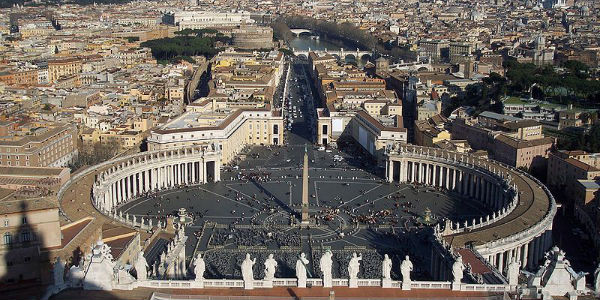
Rome is one of the oldest named cities in the world and has a incredibly rich history. It also has a well documented myth as to how it came to be named. The myth is a tale of twin brothers, named Romulus and Remus who were raised in the woods by a she wolf after they were abandoned to die by their evil uncle, King Amulius. When the brothers are grown, they learnt that they were in fact the sons of the king's sister and Mars, the Roman god of war. The brothers then kill their evil uncle and plan to build a city of their own. However, a quarrel broke out as to where the city should be located and this fight led to the death of Remus. This then allowed Romulus to build the City where he wanted to and name it Rome in his own honour.
However, historians believe that the name is more likely to have stemmed from the Greek word Rhome which means strength.
3. Los Angeles
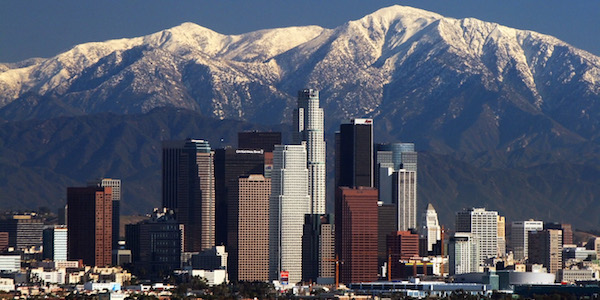
Los Angeles is located on the west coast of the United States and is famous for being the location of Hollywood as well as its laid back and dreamy lifestyle.
Los Angeles started its life as a small missionary in 1781. The town was originally named El Pueblo De Nuestra Señora Le Reina De Los Angeles Del Rio De Porcuincula. Which translates as The Town Of Our Lady The Queen Of The Angles On The River Porciuncula. The first population boom occurred in Los Angeles upon the discovery of gold in California in 1848. This discovery began the period known in American history as The Gold Rush. The Gold Rush was a mass migration of people from the cities of the east coast to California all desperately hoping to find gold and get rich quick. The majority of the gold rushers never made their fortune but some of them did get rich by establishing businesses selling equipment to would-be gold miners. As the town grew, the name was shortened to Los Angeles and today is often shortened even further to simply L.A.
2. Saint Petersburg
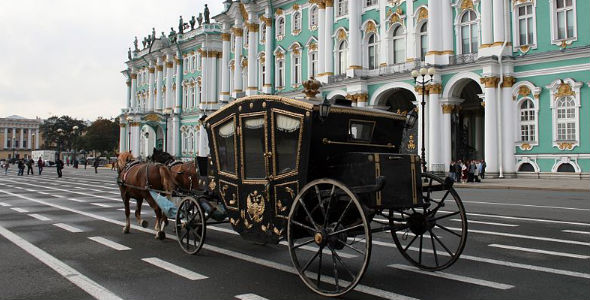
Saint Petersburg is the second largest city in Russia and is most famous for its rich culture and the impressive architecture of buildings such as the Winter Palace. The city is situated on the mouth of the river Neva and stands on the site of a 17th Century Swedish fort that was known as Nyenschantz. The name Nyenschantz is a combination of the Swedish name for the river Neva and the swedish word skans, which means bastion. A town soon sprung up around the fort and this town became known as Nyen. The town's strategic position at the mouth of the river led to it being coveted and captured in 1703 by Tsar Peter the Great who was eager to establish a Russian trading port there. After capturing Nyen, Peter the Great founded his own city on the site naming it Saint Petersburg in honour of Saint Peter.
The city has undergone many name changes since its foundation. The first of these name changes occurred during world war one when the city was renamed Petrograd in order to disassociate the city with german sounding words such as burg. Petrograd would go on to serve as the centre stage for the Russian Revolution which saw the fall of imperial rule and the rise of soviets and the communist party. After the rise of the USSR, the city had its name changed again in 1924 to Leningrad after Vladimir Lenin, the first Premier of the Soviet Union. The latest change of the citys name occurred in 1991 when the name was changed back to Saint Petersburg following the dissolution of the USSR.
1. New York
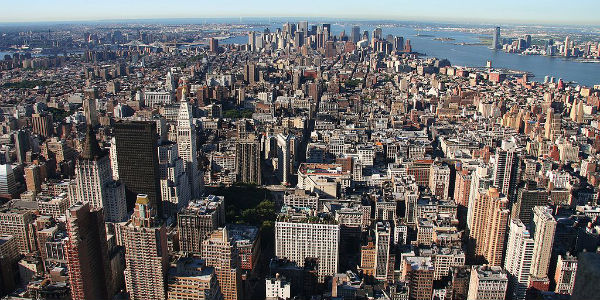
Possibly the most famous and instantly recognisable city in the world. No other city has inspired as many films, books and songs as New York has.
The City began its life in 1642 when the Dutch founded a permanent trading post on manhattan island, naming it New Amsterdam. The original settlers sold animal skins which accounts for the beaver that can be seen on the seal of New York City. As the town grew, a wall was built around it for protection. The small road that ran alongside the wall was named Wall Street, the same Wall Street that is now one of the financial centres of the world. In 1674, the city was taken control of by the British and they renamed it New York in honour of the Duke of the english city of York.
New York is commonly referred to as The Big Apple. This nickname was popularised in the 1920s by a sports journalist named John J. Fitzgerald. The term Apple was used in reference to the prizes given for winning horse races. As New Yorks prizes were incredibly substantial in size they became known as The Big Apple a phrase that was later adopted for use as a reference to the city itself.