9 Times The Media Tried To Scare Us With Bad Science
2. GMO Crops Are Evil
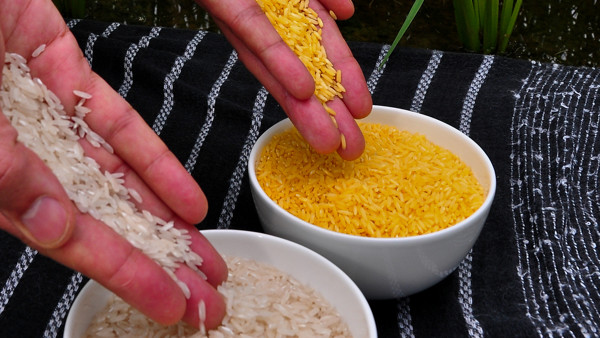
The fierce debate surrounding genetically modified crops has dragged on for some time now, rearing its head every couple of years as the latest thing to get your knickers in a twist about.
With the likes of Gweneth Paltrow and other famous lentil-knitters leading the charge against GMO, the whole thing has been painted as a great conspiracy to give us all cancer by feeding mutant produce to our children.
But do any of GMO's shrillest opponents really understand what it is?
It should be said that the genetic engineering of plants, in one form or another, has pretty much been going on since man invented agriculture. The idea of selectively breeding crops in order to produce stronger, disease-resistant plants with a higher crop yield is as old as the hills. This, by and large, is what is going on in the GMO labs, but in a much more efficient and accurate way - as opposed to the more trial and error method of traditional selective breeding.
When you really boil it down, the main reason why a lot of people don't like GMO is because the people doing it are wearing lab coats rather that wholesomely dirty dungarees.
The true benefits of GMO crops are that we would be able to produce high-yield, nutrient dense, hardy crops that would survive in countries that often experience famine and crop failure due to drought and disease. We would also be able to finally grow enough food to feed the ever expanding population on Earth.
Incidentally, the golden rice pictured above shows a strain of rice that has been genetically modified to combat vitamin A deficiency, which is estimated to kill 670,000 children each year.
The use of disease-resistant GMO crops has already drastically reduced the amounts of pesticides used in farming and has contributed towards bringing the cost of food down, but most people would rather focus on the idea of mutant monster plants coming to kill you in your sleep.
Yes, we do need to continue to conduct serious scientific research into the modification of crops and its effects on the environment, but don't think for a second that (a) They're not already doing that and (b) The scientists are just out to get you.