Burnley: 10 Things You Need To Know About Sean Dyche
Everything you need to know about Burnley's man in the hot seat.
10. Hes A Big Man
9. Got The T-Shirt
8. His Values
7. Strength Of Mind And Confidence
6. He's The Journalist's Dream
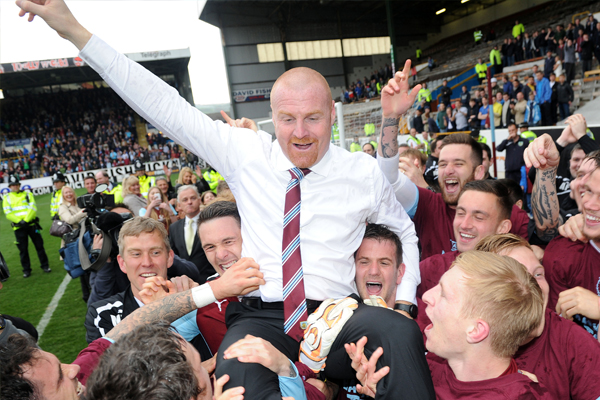
https://www.youtube.com/watch?v=OYygb_snNEw What do journalists like? What do journalists need? What do they respond to? They need a story. They need sound-bites. They respond to characters. They like the humour that Dyche can bring to a conference. With a conference in full swing a journalists phone rang on the front row. The golden rule phones are switched off. He wasnt mad; he took the phone and answered the caller with humour and banter. You can see the excruciatingly painful, but hilarious exchange above. He's also a fan of one-liners, and here are some of his choice offerings: Maximum effort minimum requirement. Be the man that makes the difference. Round pegs for round holes. We want to be relentless in our attitudes towards games. Man management is the key. Having 25 players now is like having 25 mini-companies. Look at what youve got, not what you havent. The pressure is on other teams to beat us. All noses pointing in the same direction. Im not a nightclub bouncer, I just look like one. Were not just here for the fluff to think isnt it lovely.5. His Football Philosophy
https://www.youtube.com/watch?v=d34GxUde4Gg Dyche recognised immediately what the Burnley problem was when he arrived; before his appointment he watched Burnley concede four goals away at Cardiff. It was all a bit gung ho under Eddie Howe - if you score 4 well score 3, that kind of thing. His new, immediate philosophy had the simple mantra of stopping the goals as the basis. It took him a few months to sort things out and get his own players in. Burnley might easily have slipped into the bottom three in his arrival season. He inherited good players but also some dross, but once he signed Heaton, Jones, Kightly and Arfield he had his own team. Once the defence was sorted then the style emerged, the intense pressing game, dont let the opposition settle, harry them into going right back into their own half. What you do when you dont have the ball is as important as what you do when you do have it. Then when opponents lose possession the response is a style that is practised on the training ground, moving swiftly through the units to get to the opposition penalty box. Passing in the opposition half is one-touch, incisive, penetrative and at pace. The players might not move at pace, but the ball does. The beautiful example against Wigan was a classic, textbook goal that was the reward for training routines and drills. From goalkeeper to goal in 15 seconds and 5 players, from one end to the other so quickly you had to watch the replay to appreciate it. It was a manager and players dream, the culmination of practice and belief. It was Ashley Barnes who scored but it was a team goal. And the team is the basis of the philosophy. It is the group that is powerful so the individual is harnessed to it and must fit in.4. Alignment
3. He Talks Fondly Of Brian Clough
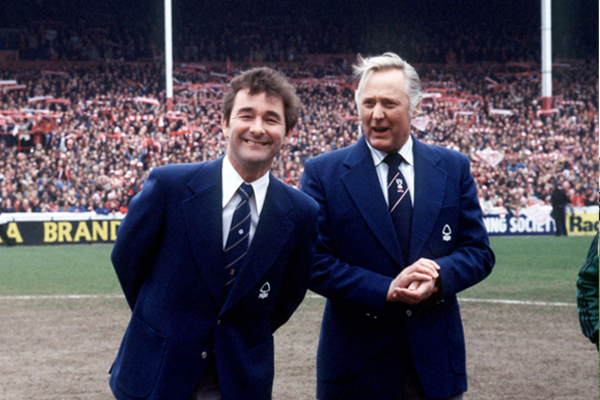
2. Being Positive
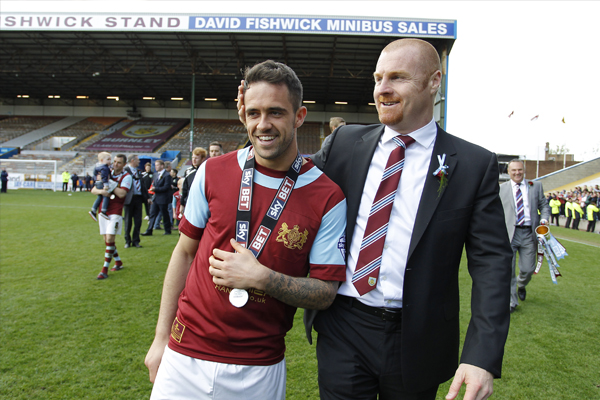
https://www.youtube.com/watch?v=aNHDLVnv5NM He is into psychology especially the psychology of winning. Confidence in your own ability and in yourself is the key. A footballers confidence can be brittle. Its an invisible thing but absolutely key to performance. He cites the example of the Oxford Boat race crew that he studied as part of a course. He talks about the example set by the great athletes. He has never thought that he has consciously copies Cloughs style but one thing has remained with him: Playing on the front foot, he used phrases like that. Its very general but everybody in football understands it. Its been around for years but he was always using that play on the front foot expression. I think theyre quite generic in football now but they were the first time Id heard things like that. I think here weve played on the front foot from pre-season and a lot of the time, not all of the time. Its all in the mindsets Ive had with the players. Its a general term but everyone understands what it means; being positive in the way you play. That positivity is one of the keys to his man-management. Never say never is one of his mantras. Dont set limits on yourself. Its a mindset that has served players well in games where they have gone behind and come back to win. He talks of the game at home to Leeds United when they went 0-1 down but the positive attitude instilled into them drove them on to a 2-1 win in a very difficult game.1. The R Factor