10 Moments That Changed Doctor Who Forever
Who knew a little bit of salt could have such dire consequences?

To borrow a line from the Seventh Doctor, every great decision creates ripples, like a huge boulder dropped in a lake. The heavier the decision, the larger the waves, the more uncertain the consequences.
A lot has happened to the Doctor in their thousands of years of time and space. Most of the time the Doctor walks away (relatively) unscathed, brushing the dust off and jumping into the TARDIS to find the next planet that needs saving, or the next evil alien monsters that need defeating.
But some moments are more pivotal than others. Sometimes, there are consequences. And occasionally, these consequences are so great that they can fundamentally change Doctor Who as a show, sending out ripples that are still being felt years – or even decades – later.
From the origins of the Last Great Time War to accidentally changing reality with the flick of a salt shaker, these are the moments we can pinpoint as having the biggest effects on the history of the Whoniverse.
10. Dalek Caan’s Temporal Shift

Evolution of the Daleks ends with a standoff between the Doctor and Dalek Caan – the last of the Time Lords versus the last of the Daleks (at least, as far as anybody knew at that point).
Tired of the endless death and destruction, the Doctor shows Caan mercy, begging the Dalek to lay down its arms and finally end the conflict between the two species. To no great surprise, Caan refuses, and instead activates an Emergency Temporal Shift – a last-ditch randomised time and space teleporter which is the reason the Cult of Skaro ended up in 1930s Manhattan in the first place.
This time though, the Temporal Shift took Caan a lot further than 70 years into the past and across the Atlantic. Somehow, he was able to breach the Time Lock around the Last Great Time War, allowing him to save Davros and help establish the New Dalek Empire.
He does also lose his mind in the process, but hey, swings and roundabouts.
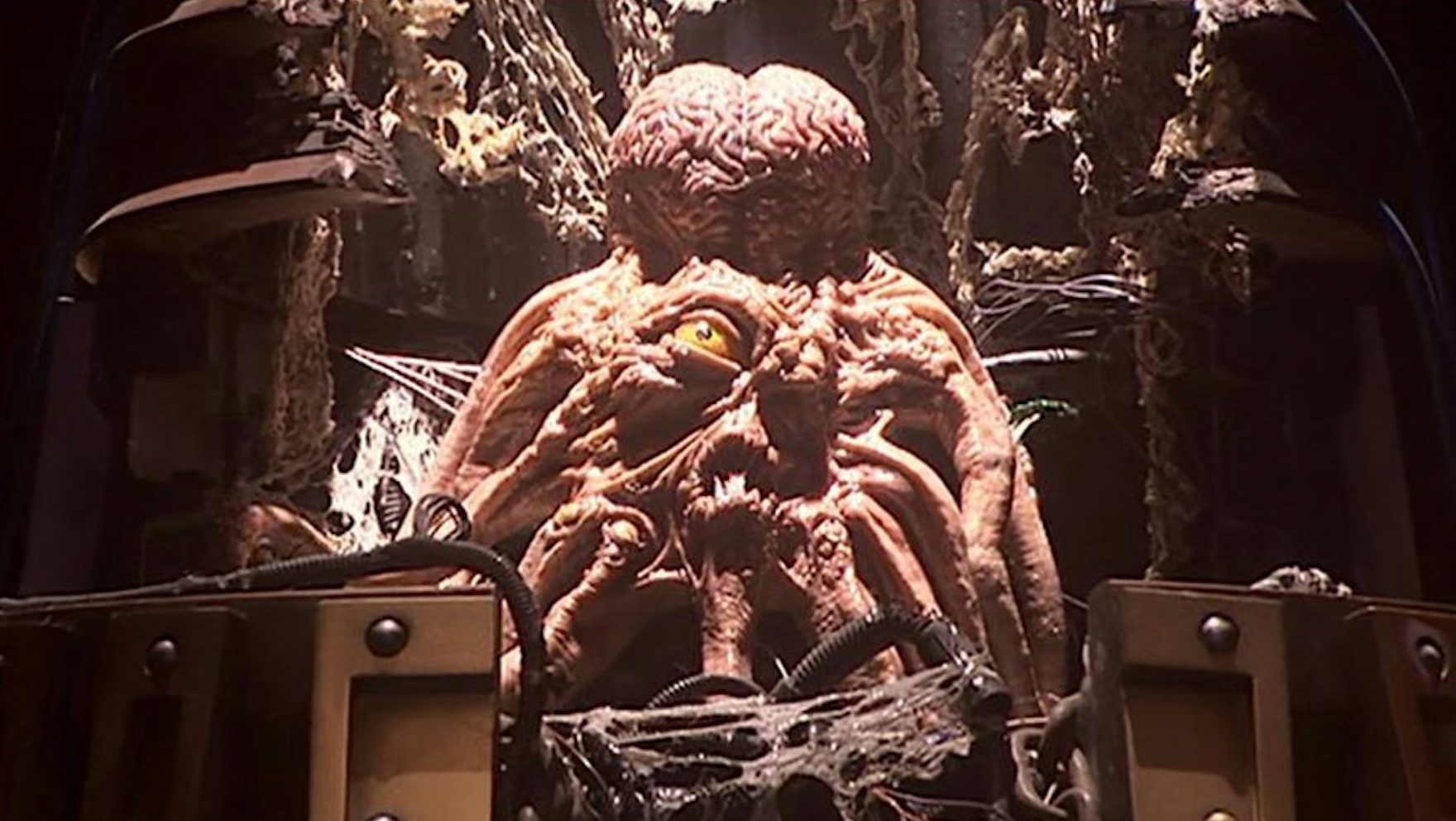
This sets the foundation for the Series 4 finale, which in turn has massive implications for the Doctor himself.
If it wasn’t for Dalek Caan’s last-minute escape there would be no Metacrisis Doctor and no DoctorDonna. As a result, the Eleventh Doctor would no longer be on his final regeneration, Donna would never have her memory erased, and Rose Noble would never inherit the Metacrisis in The Star Beast.
9. The Doctor's Earthly Exile

Ask anybody to describe Doctor Who, and along with bubble wrap and fish custard, they'll inevitably mention "travelling through time and space" at one point or another.
But there was a time when the Doctor was stuck firmly on present-day Earth, and for multiple seasons too.
In The War Games, the Second Doctor is faced with a problem he can't fix on his own. With no options left, he's forced to ask for help from the very people he's been running from: the Time Lords.
The Time Lords soon put the Doctor on trial, charging him with repeatedly and consistently violating their law of "no interference". Fair enough, honestly.
Their verdict? That the Doctor should be exiled to Earth and forced to regenerate, marking one of the biggest format changes in the show's history.
It took over three seasons for the Doctor to be granted full control of his TARDIS again, and in that time, the Doctor working on present-day Earth and fending off alien invasions with the assistance of UNIT became an integral part of the show's identity that persists to this day.
8. Captain Jack's Resurrection

While he always had the self-assured confidence of a man who couldn’t die, there was once a time when Captain Jack Harkness was just as mortal as any other human.
But then The Parting of the Ways happened, and Rose Tyler – after opening the heart of the TARDIS and absorbing the god-like power of the Time Vortex – brought him back to life after he'd been well and truly exterminated.
And not only that, but now he was alive... forever.
This changed Jack from a secondary human companion into one of the most important characters in the modern era of Doctor Who. He returned in the third and fourth series finales, playing pivotal roles in defeating both the Master and the Daleks, and would even help the Thirteenth Doctor break out of jail over 15 years after his first appearance.
And that's without mentioning his lead role in Torchwood, the first Doctor Who spinoff that wasn't cancelled after the pilot (sorry, K9 and Company), and a show that would've been very, very different without him – if it would've even existed at all.
7. Time Lord Interference At The Daleks' Genesis

It's hard to comprehend these days but there was once a time when the Daleks were just another of the Doctor’s many monstrous enemies.
Their popularity couldn’t be matched (especially during the ‘Dalekmania’ of the mid-60s), but onscreen they were usually depicted trying to invade Earth or destroy individual planets. Yes they were a threat, but they didn’t tend to get more ambitious than destroying Earth’s solar system in The Daleks’ Master Plan.
That all changed with Genesis of the Daleks. Only a few years after putting the Doctor on trial for interfering in universal affairs, the Time Lords pull him out of time and send him to Skaro, tasking him with destroying the Daleks at the point of their creation.
Here, the Daleks are consciously established as the Doctor's ultimate foe, and a genuine threat to both the Time Lords and the universe at large.
The consequences are far-reaching, with Gallifrey's interference in this story being considered one of the opening shots of the Time War, which itself resulted in the Time Lords and the Daleks being all but wiped out.
There's a dark irony in the fact that the Time Lords' attempt to stamp out the Daleks is what led to their own annihilation.
6. Bumping Into Queen Victoria

When Doctor Who returned in 2005, it quickly developed a habit of having an episode per series where the TARDIS team travel into Earth’s past and meet a well-known historical figure.
And usually, the Doctor does a pretty good job of making sure they don't cause any colossal changes to Earth’s timeline.
Usually.
In Tooth and Claw, the Tenth Doctor and Rose save Queen Victoria from a big bad werewolf, and in the process accidentally infuse some werewolf DNA into the British royal family. But since Queen Victoria isn't the type of person to just move past a terrifying encounter with a massive hairy alien, she orders the establishment of a secret organisation to track and combat extra-terrestrial threats: the Torchwood Institute.
This single action has so many massive and varied consequences that it would be impossible to list them all.
Torchwood's experimentation with the hole between universes in Army of Ghosts leads to the Battle of Canary Wharf and the arrival of the Dalek void ship, the first in a long line of dominoes that culminates in our old mate Dalek Caan breaking the Time Lock on the Time War, and Davros creating the Reality Bomb.
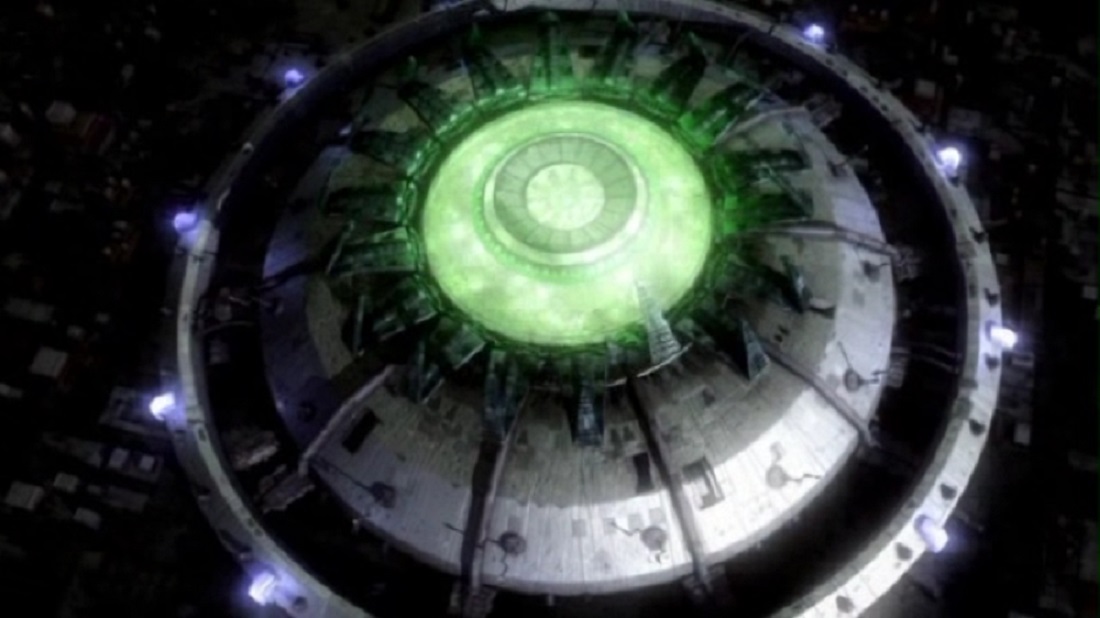
And that's without mentioning Rose being trapped in a parallel Earth and the many aliens defeated by Torchwood over the years, and it can all be traced back to the Doctor's accidental royal encounter in the Scottish countryside.
5. Crash-Landing On Karn

Released as a surprise minisode in the lead-up to Doctor Who’s 50th anniversary, The Night of the Doctor finally answered a question that had been hanging over the fandom since the show’s 2005 return: how did Paul McGann’s Eighth Doctor end up regenerating into Christopher Eccleston's Ninth Doctor?
The answer? He didn't.
After failing to save gunship pilot Cass, the Eighth Doctor finds himself crash-landed on the planet Karn, where the mysterious Sisterhood of Karn offer him the chance to determine the nature of his next incarnation.
Realising that he can’t stop the Time War while continuing to act as he always has, the Doctor asks to become a warrior, and John Hurt’s War Doctor is born.
Interestingly, the Doctor had no idea he was going to land on Karn – it was complete coincidence. Had Cass’s ship crashed on literally any other planet in the galaxy, the Eighth Doctor would never have been granted the ability to influence his regeneration, the War Doctor would never have existed, and the Time War would've ended up playing out very differently indeed.
4. "Don't You Think She Looks Tired?"

At the end of World War Three, the Doctor informs Rose that Harriet Jones will go on to be Prime Minister for three successive terms, becoming the architect of Britain’s Golden Age.
So it must've come as a bit of a shock to the timeline when, only a few months later, the freshly-regenerated Tenth Doctor has her premiership cut short with six simple words:
“Don't you think she looks tired?”
Beyond the (potentially huge) implications of the Doctor casually changing the entire course of British history, this moment had much more immediate ramifications for the UK.
By kneecapping Harriet's political career so soon, the Doctor inadvertently kicked off a chain of events that would end in Harold Saxon being elected Prime Minister.
And we all know how that went.
Without the power vacuum and ensuing political upheaval caused by Harriet's golden age falling apart, the Master wouldn’t have been able to infiltrate British politics, which, among other things, resulted in the death of the US President on live TV – one of the few events that wasn't undone when time was rolled back in the Series 3 finale.
3. Salting The Edge Of Creation

While technically a science-fiction show, Doctor Who has always had a foot firmly planted in the fantasy genre.
Over the years there have been werewolves, ghosts, witches, vampires, and even the Loch Ness Monster. Still, the show is always careful to remind audiences that what they're watching isn’t actually fantasy, and these magical elements are always explained away at some point – usually by revealing that it's actually aliens.
That was until the 60th anniversary special Wild Blue Yonder, when the Fourteenth Doctor made the fatal mistake of casting a line of salt and invoking superstition at the edge of the universe – “where the walls are thin, and all things are possible.”
As he very quickly realises, this has crazy consequences, permanently altering the nature of reality and opening it up to myth and legend.
Since then, Doctor Who has taken a hard turn into the fantasy genre. The Giggle, The Church on Ruby Road, The Devil’s Chord, and 73 Yards all play with elements that would've previously been explained as some sort of alien scheme, while bi-generation might have changed the concept of regeneration forever.
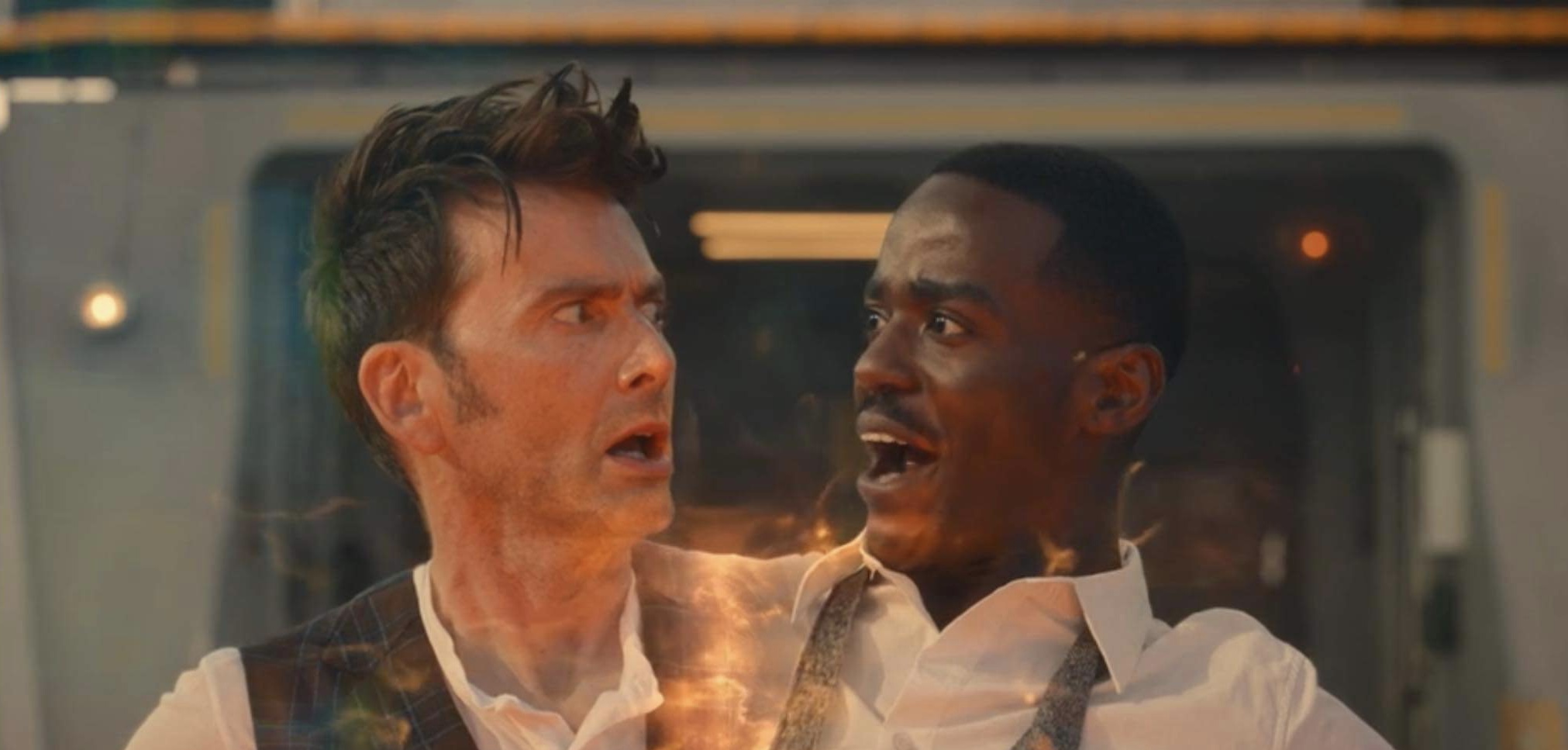
It remains to be seen how far this will go but the gloves are firmly off – fantasy and superstition are very real, and the Whoniverse is no longer the same.
2. Rose's Overtime

The Doctor meets a lot of their companions through complete chance – falling through the roof of a train, crashing the TARDIS into their garden, dying while they’re being operated on – but there might not be a more extreme example of the butterfly effect than the Ninth Doctor bumping into a shop assistant in the basement of a department store in 2005.
At the beginning of Series 1, Rose is just leaving work after a shift when she’s stopped at the door by a security guard, and asked to drop off some lottery winnings to the store’s chief electrician. This leads her to the building’s basement, a gang of murderous mannequins, and, of course, the Doctor.
It’s strange to think that if the security guard didn't stop her, or picked a different member of staff, or Rose just refused to do it, she'd never have met the Ninth Doctor, and the entirety of the new series would've panned out differently.
The Doctor might not have even survived his confrontation with the Nestene Consciousness, and then where would we all be?
1. Checking Up On Susan

On an ordinary day in 1963, two schoolteachers decided to investigate a mysterious student who lived in a junkyard. It doesn't sound like the most interesting start of a story, but what a story it turned out to be.
While the Doctor might talk about how they’ve been running all their lives, they originally attempted to settle down, at least by the Doctor's standards. After running away from Gallifrey with his granddaughter Susan, he parked his stolen TARDIS in a London junkyard, where it adopted its iconic police box exterior.
And they must've been around for a little while, because by the time Doctor Who’s first-ever episode begins, Susan is already fully enrolled in the local school. The episode gives off the impression that they are intending to stay in London, and lie low for a while.
It’s not until Ian and Barbara come stumbling into the TARDIS that they start running again. Panicking that their secret has been found out, the Doctor dematerialises with the four of them inside, and this is where the adventure truly begins.
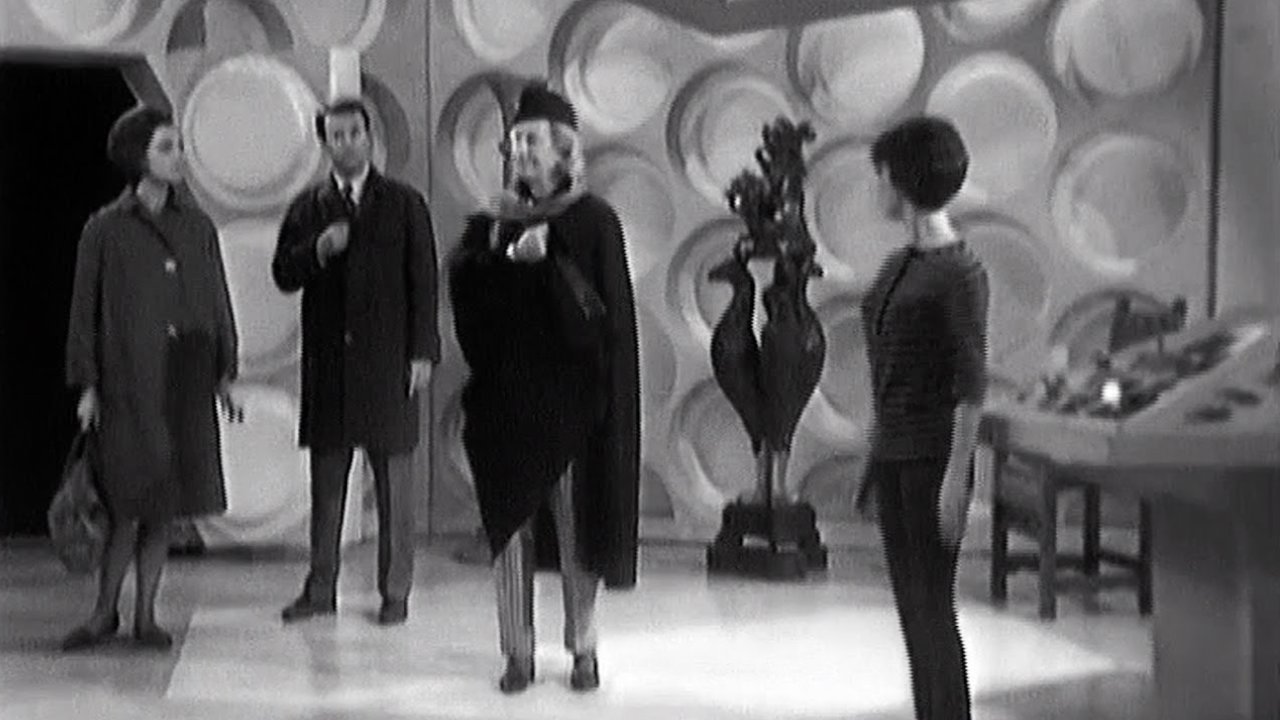
The Doctor spends the next little while trying to get Ian and Barbara back home, but even when he accomplishes that, he doesn't slow down. He keeps running, forging the legend of the Doctor that is known across the stars.
In other words, if it wasn’t for two nosy teachers taking an interest in a peculiar student, the entire course of the Doctor's life would've been altered beyond recognition.