10 Reasons True Blood Should Die The True Death

Should the show busting out the wooden bullets and calling it a day stay final?

Oh boy, we loved True Blood when it started back in 2008. A cable-produced hybrid of daytime soap and American Gothic horror? High camp vamps with Deep South drawls and white trash sass? Sex n€™ blood n€™ gumbo? Yeah, go on then... And it was all kinds of fine for a few years, giving us everything we could possibly want in an over-sexed wink of a show, featuring a cast that were never knowingly under-acting. Very loosely based on Charlaine Harris€™ Southern Vampire Mysteries series of pulp novels, the television adaptation veered off at a sharp angle as soon as it had found its feet, with showrunner Alan Ball electing to tell his own stories based upon the inhabitants of Bon Temps, Louisiana rather than follow the more established source material. And then it all started to go pear-shaped. Around the beginning of season four, True Blood stopped being a hilariously, brilliantly over-the-top guilty pleasure - the TV equivalent of a drunken game of strip poker - and became disjointed, garbled nonsense. Last September€™s announcement that season seven would be the last was greeted with a howl of€ well, indifference, which is curious given the fact that viewing figures for the show were still strong at the tail end of season six. But what€™s that? How can such a ridiculous television show becoming more nonsensical be a bad thing? Settle back, sweethearts. Let us explain (and, of course, here be spoilers).

10. Most Of The Vampires Absolutely Suck

Now, to begin with True Blood got everything right with the vampires, and thank Lilith for that €“ it€™s the show€™s bread and butter, after all. We like our vampires fast, strong, voracious, and arrogant (and, naturally, drop dead gorgeous), with a little bit of angst for some, a little bit of sadism for others, and a nasty allergy to sunlight all round. Vampires should be "powerful, beautiful and without regret", as Anne Rice once wrote. But as time went on, vampire after vampire turned up in Bon Temps and the surrounding area, with the inevitable consequence being that the majority of them are less than impressive specimens. Their effect is heavily diluted from overuse: for every Pam, Jessica or Russell Edgington, there's at least half a dozen badly-dressed fools devoid of any charisma. And there's so many more of them, piling into an already crowded story, rushing about like characters in a Benny Hill sketch (imagine a YouTube montage of vampires doing their super-powerwalking thing to Yakety Sax). Some of them can suddenly fly too, where did that come from? They couldn€™t do that before! Who€™s writing this?! Oh, maybe that's the problem. Then there€™s the Vampire Authority, who were set up throughout the first few seasons as a terrifying, draconian, centuries-old political force that rule the vampires with an iron fang. They punished those who messed with their attempts to mainstream vampire society, and dispensed hard justice to bloodsuckers that cross the line. Essentially, the Authority were the vampire equivalent of the Gestapo, sending stormtroopers with wooden bullets to bully the errant and the dissident into line. You don€™t rub the Authority's rhubarb, is what we're saying. Until season five of course, when we have a whole year€™s storyline dedicated to sitting in a fancy air raid shelter with a bunch of preening idiots making Machiavellian plans that amount to nothing. Then we're forced to watch them getting high on old-school vampire blood and staggering around New Orleans waving their hands in the air like teenagers on their first magic mushroom. Ridiculous. When are vampires allowed to be ridiculous? 'Never' should be the answer. But it€™s better than being domesticated€

9. The Werewolves Are Toothless Puppies

Now, like vampires, every supernatural show seems to have their own kind of werewolf these days, and they€™re getting more and more under our skins as time goes on. Teen Wolf has brought us a hit show on MTV with werewolves as central figures, and Canada€™s Bitten seems set to follow the trend. They bring us complex caste systems for pack culture, their own intricate mythologies and back stories, and strong, magical, scary-ass beasts that you do not want to let into bed with your grandmother. The concept of 'the curse' is crucial here. Teen Wolf, Bitten and the late, lamented Being Human give us lycanthropes that are turned through contagion, becoming what they are as a result of surviving a werewolf attack. It€™s a tragic affliction attached to survivor€™s guilt, which can be a powerful narrative drive for a character or a story. The Vampire Diaries and its spin-off The Originals prefer to give us hereditary werewolf pack-culture, families carrying the wolf gene from generation to generation. However the conceit of the curse is still carried through with the idea that they€™re forced to become unstoppable monsters every full moon, even if the rest of the month they€™re mostly rednecks skulking in the woods with designer stubble and good hair. And then there€™s True Blood, whose werewolves are just another shape-changing race with slight anger management issues. They€™re hereditary lycanthropes like the ones in The Vampire Diaries, but they turn into€ well, big dogs, and seemingly whenever they like. They get together around fires and howl at each other, they get naked a lot, and there€™s some scenes where they fight over who gets to be pack-leader, which seems to involve a lot of growling and posing - like college kids who really don€™t want to have this bar fight but, you know, their girlfriends are watching or something. But there€™s no curse, no tragic angst, and no sense of heightened drama around the time of the full moon. They€™re only slightly more dangerous than drunken bikers. Being Human€™s werewolves are, once a month, the scariest creatures in the world, capable of taking out a dozen vampires without a scratch. True Blood€™s are probably carrying parasites that are deadlier than they are. But, toothless as they are, they€™re not€

8. All Of Their Fairies Are Showgirls Or Strippers

€bloody fairies. Look, we're not going to harp on about the inclusion of the fey, the children of the forest, the faerie, or any form of goblins in True Blood, even though it makes no sense whatsoever. I mean, there€™s no indigenous or imported fey tradition in North America, and especially not in the deep South. Weres, vampires, even the Greek myth of the maenad - all of them fit in with the sleazy, swampy tone of the show. Fairies fit exactly the same way that a glass slipper on an alligator doesn€™t. But fine, it€™s pretty central to the character, so if Sookie needs to be part fey, then go for it, be our guest. But 'fairies' are cute, folksy creatures living at the bottom of the garden, over hill and under dale. There are a thousand creepy European tales and fables concerning demons, dwarves and kobolds in illusionary form that steal children, wives and husbands - some of which are clearly mined for True Blood€™s own plot-lines. We even see them in their true form on their own plane, and they're misshapen, grotesque creatures. So why do they hide in a fabulous burlesque club and make themselves look like a seventies amateur dramatics troupe? In the books, their base was a strip club called Hooligans, not a cabaret bar called Hot Wings. They€™re essentially a collection of showgirls and male strippers spraying glitter and moonbeams everywhere. True Blood is not Charmed, and neither is it panto (allegedly, anyway). But the fairies aren€™t even the most glaring misstep they€™ve made€

7. There Are Just Too Many Storylines To Follow
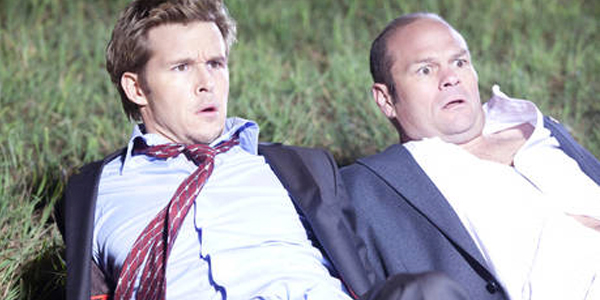
The formula for shows like this isn€™t a tricky one. True Blood, like Lost, Game Of Thrones and all soap operas, is an arc-based narrative. That means that each season should tell a continuing story, known as an A-plot. Usually your protagonists and antagonists propel the A-plot while your supporting cast carry the B and C plots, adding grace notes and/or comic relief to the overall story. It€™s not rocket science, is it? Arc-based narratives that work successfully can be massive hits, because the audience is compelled to watch every episode as soon as it€™s aired to see what happens next. It€™s not reliant on gimmicks or single, very popular characters to hook the viewers. Of course these plans can be wrecked when creative teams change, or if shows are cancelled before they have a chance to really get going. Or, as in this case, when B and C plots become overly intrusive, taking valuable storytelling time away from the A-plot, resulting in a messy narrative with no focus or clear agenda. When True Blood began to sprout plot lines all over the place around season three, it started to show all the signs of an arc-based narrative running off the rails. The supporting cast develop their own season-long B and C plots that almost never intertwine with the A plot. Tara is in despair after her boyfriend is killed, while Jason and Andy cover up said murder and Jason becomes involved with a clan of incestuous were-panthers. Were. Panthers. Sam gets into his trailer-trash shifter family-reunion, and obsesses over his dark past (which, given the overall tone of the show, is really more of a slightly grey past). Arlene gets pregnant and thinks her dead serial killer ex has possessed the foetus (as anyone would), while Lafayette and Jesus hook up and play around with V (which always goes well in this show), and there's more. All of these unrelated plot lines are allowed to swim alongside each other, taking up valuable time. You€™re honestly not sure what€™s happening from episode to episode. It's as if you€™re watching four or five different shows at once. And then most of season three's B and C plots continue into season four and beyond with barely a pause for breath, despite the fact that there€™s a year long jump in the narrative between the two seasons. It makes absolutely no sense. Of course, another way for arc-based narratives to derail is when showrunners begin telling the story with no idea as to where it€™s heading€

6. They Don't Know Where They're Going Or Why
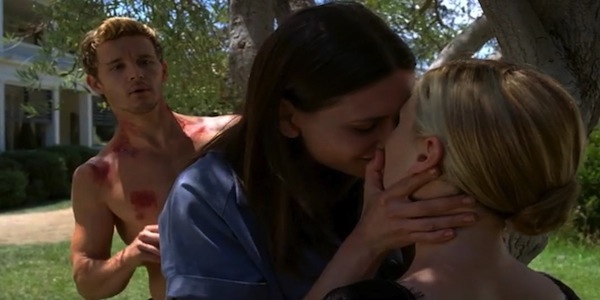
One of the main selling points of serial television is some form of compelling arc plot that connects season to season, demanding that the viewer tune in to the next season. Cliffhanger finales alone don€™t tend to cut it, because details tend to be forgotten by audiences in the long wait till the next episode. But people remember good stories, and with arc-based narratives you€™ve got a even larger ongoing story to play with (let€™s call it the AA plot). Castle€™s Kate Beckett had the conspiracy behind her mother€™s murder and The Mentalist€™s Patrick Jane was driven to catch Red John, the serial killer that murdered his wife and child. Meanwhile, The Blacklist has spies and assassins desperate to uncover Lizzie Keen's mysterious family background. All of these are examples of classic AA plots. So is there anything that hooks viewers to True Blood from season to season? Viewing figures have only slightly declined from the show€™s series high in season three, meaning people are still watching... but, judging from blog posts and comments online, it€™s often despite themselves. A common thread emerges when you read complaints about how bad True Blood has become. People are literally only hanging in there to see how messed up the show can get. True Blood has no AA plot, no storytelling through-line. Sure, we have loose threads of plot skittering around unattended here and there, but there€™s nothing we need to know the answers to, nothing in the story that needs resolution to give us closure. In fact, the nearest we have to a narrative that runs through every season is Sookie€™s perennially high-stakes love polygon€

5. Sookie Stackhouse And Her Tangled Love Life

Okay, so first things first. A lot of the chatter about Ms Stackhouse and her barely controlled fascination with vampire nookie neglects one very important fact; until Bill Compton arrived on the scene, Sookie was unable to hold down any form of romantic relationship due to the crippling effects of her involuntary mind-reading on her love life. Her sudden realisation that vampires are immune to it opened the floodgates to some seriously pent-up tides in the deep south, if you know what we mean (and we think you do). So let€™s quit it with the slut-shaming language here, boys and girls. If you were a hot slice of apple pie left on the shelf for years, you€™d want to get bitten every once in a while too. That said, Sookie€™s a very confused young woman, and with good reason. Both Eric and Bill take some significant liberties with her over the first four seasons. Both find a way to get her to drink their blood to establish a mental connection and further their secret schemes, and then both get in way over their heads and declare their undying love for her - 'undying' actually meaning something in this instance. Both obsessively refuse to let her do her own thing under the guise of wanting to protect her. Neither can be trusted. Warlow looked like he might be an antidote to all that sneaky old testosterone, being part fairy himself€ until they pulled the rug out from under him in the season finale. That leaves us with Alcide, whose thoughts she can hear - but hey, maybe that mysterious six month gap made her learn how to block them out, or some other thing that doesn€™t make sense. Now, Alcide€™s got anger management issues and turns into a big dog on occasion, making him the most normal boyfriend Sookie's ever had. Naturally, this means that we don€™t get to see anything about their new and exciting relationship, because this show is not about Sookie being happy. It€™s about Sookie being used by vampires. She's a little blonde chess piece in a summer dress, and that's just not right. Except€

4. We Don't Actually Like The Heroine

€we don€™t really like Sookie, do we? It should go without saying, but she€™s literally the worst waitress and employee in the world, which is a massive character flaw when you consider that her boss Sam is a close friend. Moreover, he's a close friend that she€™s well aware holds a torch for her, a torch whose embers she isn€™t above blowing on if she feels like it. She constantly puts her vampire boyfriends and their byzantine political agendas before her family and her best friend. This is a woman who consistently gets involved in abusive relationships with obsessed, controlling, much older men who treat her like a possession and drink her blood every time they get stressed, and yet she blames everyone else for the predicaments she finds herself in. And she can€™t look after herself either; putting herself in danger time and time again, Sookie is constantly protected by the men in her life and by her best friend. In season five, Tara reluctantly reassures Bill that Sookie is safe, telling him that she€™s always safe, because she always has someone there ready to take a bullet for her. The last 'someone' was Tara herself, who literally took a shotgun blast to the face protecting her. Sookie had treated Tara like crap for three seasons before that nasty ending to season four: skipping out for a year to Fairyland; traipsing off after her vampire lovers whenever she felt like it; abandoning her best friend to mind control, her boyfriend's murder, suicidal despair and, most horribly, kidnapping and rape. Throughout all of this, Sookie just floats in and out of Tara€™s life between arguments and make-up sex with tall dead guys. Let€™s not even go into the messes that Jason€™s stumbled into without someone with a brain to look after him. It€™s a good thing that boy leads a charmed life. Sookie€™s not our heroine. Let€™s face it, we don€™t really have heroes and heroines here€ there€™s no one in the cast who hasn€™t utterly screwed up and made some brutal, jaw-droppingly stupid decisions, no one left who€™s acting from clear, pure motives, no one really left to root for€

3. There's No Character Development Or Consistency

€ because no one actually does anything that makes sense in this show. Our protagonists and supporting cast change their minds and their positions on important things from episode to episode, never mind from season to season. There are rarely, if ever, character-defining moments or arcs that explain the sudden changes of personality. It just happens. Now, we know that the mindset of True Blood is that it€™s crazier than a fox in a chicken wig, but a story has to have some form of coherent internal logic even when it€™s about things that don€™t exist killing or having wrong sex with other things (that don€™t exist). We€™re being asked to care about what happens to these people, after all. Terrible things are occurring to them all on a daily basis, when they€™re not having inexplicable six month and year-long jumps in the story when it€™s not important what happened just shhh and watch what happens next. We€™re still supposed to be invested enough to give a damn when horrible things happen to the good guys. But the problem is that these are not characters. They€™re ciphers, adaptable to changes of plot and circumstance. They€™re anything the writers need them to be at any given moment, able to turn on a dime and on a whim. You can€™t become properly invested in people that aren€™t people, just like you can€™t bring yourself to care about€

2. The Cliffhanger Endings Don't Mean Anything

€cliffhanger endings that come with their own reset buttons. It doesn't mean anything to an audience to have a shocking cliffhanger ending to every episode when they€™re aware that anything from five to sixty seconds into the next episode, circumstances will conspire to make that ending irrelevant. It€™s classic €˜boy who cried wolf€™. Fundamentally, there€™s no emotional payout possible from a cliffhanger ending when you know there€™s little danger and no dilemma. They€™re not hooking people; no one€™s out there screaming "I must know what happens next!" Has Jessica just stepped out into daylight to kill herself? It€™s ok, Jason will tackle her back indoors in a few seconds and it€™ll be as if it never happened. Has Sam€™s brother Tommy been roped back into dog fighting by his parents? Don't worry, in the first sixty seconds of the next episode he'll just kill the pair of them. Actually, do we even care enough about Tommy to worry about his alleged cliffhanger? Relax, it won't matter anyway - because five episodes later he€™s going to be beaten to death by another character we don€™t care about, who€™s going to be killed in turn in the episode after that. But hey, who needs actual jeopardy when you have€ wait, what do we have again? Oh yes€

1. The Entire Show Is Overkill

€we have everything, everything in the entire world, all happening at once. If there was ever a show guilty of 'lasersharking', it€™s True Blood. Lasersharking is a gaming principle, positing the following: that sharks are cool, and that lasers are cool, but that sharks with lasers are rubbish. It€™s overkill, to the point that it actually makes both the shark and the laser less cool together than they were individually. True Blood brings us vampires, werewolves, shifters, fairies, a Maenad, a vampire/fairy hybrid, witchcraft, ghosts, werepanthers (Were. Panthers.), the vampire goddess and her Bible, black magic and voodoo, and it€™s all happening at once in the same tiny area of the world, to the same people, often simultaneously. Now, with the season six finale, we have hep-V infected vampire zombies dropping fang across America €“ the zombie apocalypse, albeit True Blood style. Really? There€™s just not enough time to focus on any of these disparate elements to give each a fair crack of the whip. They're not trying to spread these intriguing concepts out from season to season. It€™s all chucked into the pot, heated up and then flung, undercooked, back into our faces like so much bad gumbo. All of the ingredients are wasted €“ except vampires, who are so omnipresent and overplayed here that you could actually do with a lot less of them. Where does all this end, we ask you? Well, it turns out it ends ten episodes from the beginning of season seven, thank Lilith. Which is more or less where we came in. Is it about time that someone brought a halt to this convoluted mess, or is there life in this reanimated corpse yet? Let us know what you think in the comments!

In this post: 
True Blood
 
Posted On: 
Contributor
Contributor

Professional writer, punk werewolf and nesting place for starfish. Obsessed with squid, spirals and story. I publish short weird fiction online at desincarne.com, and tweet nonsense under the name Jack The Bodiless. You can follow me all you like, just don't touch my stuff.