10 Sci-Fi Plots We're Sick Of Seeing
It's like we're caught in a time loop...
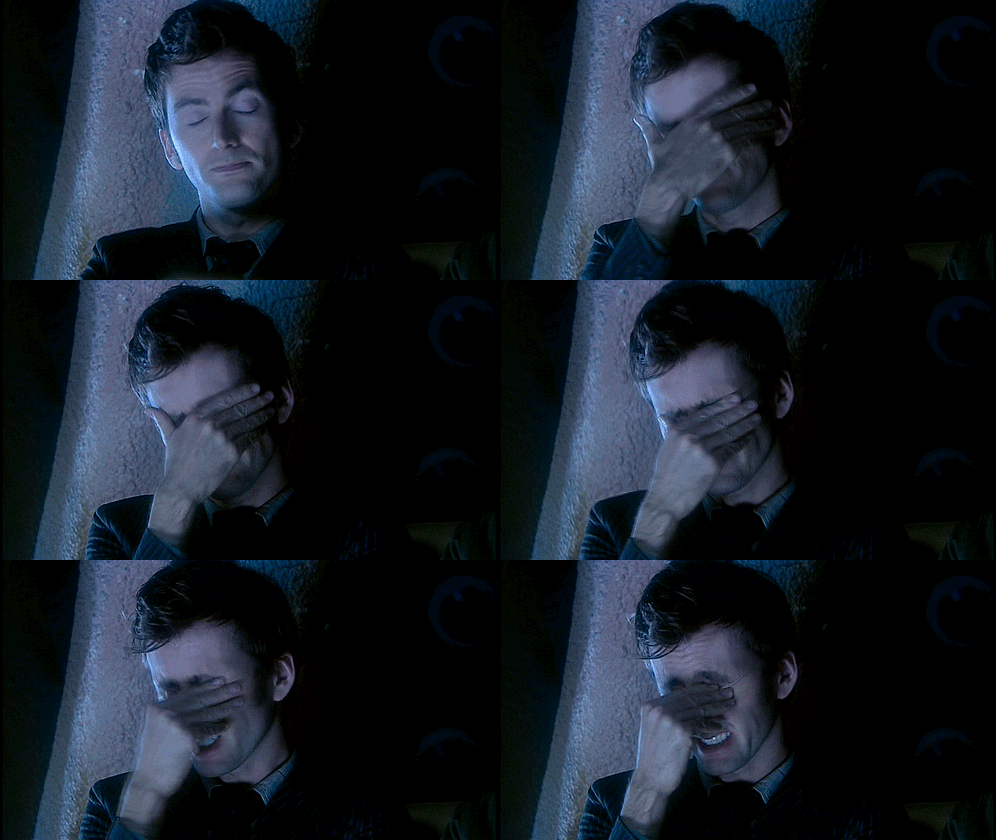 BBCIts easy to see why Steven Moffat claims to loathe the internet. Its not just the criticism; that all-too-familiar swarm of mindless complaints that accompany pretty much every TV show, its that websites and wikis alike have given the audience an infinite capacity to catalogue, compare and contrast absolutely everything against absolutely everything else. Writers cant cheat, they can only choose whether or not they give a damn about the consequences. Theres an amusing nod to this newfound omniscience in the first Doctor Who Programme Guide, released in the early 80s; producer Barry Letts explains that Atlantis was destroyed three times during the shows early run. With TV being produced as fire-and-forget broadcasting, such little note was taken of what had gone before that each new team believed they were the first to visit the underwater city. Its baffling to think that nobody thought to jot anything down, but given the shows budget it was probably a choice between a Dalek and a new pencil. Fifty years later, though, theres really no excuse. When most stories are broken by teams of storytellers early in the production run, you cant even blame one writers pop-culture ignorance when they churn out a rehashed sci-fi idea that has you fumbling for next episode on Netflix. Its not that these plots are necessarily bad, but that the concepts and themes have been covered countless times before. In an on-demand world, we dont need the televisual equivalent of frozen leftovers. Leaving aside common plots that still have surprises to offer the audience (like time travel) or act as vehicles for character growth and exploration (like, er, time travel), here are ten worn out sci-fi stories whose sell-by date has most definitely passed:
10. Everyone Wants The Baby
 20th Century FoxWorking an actors real-life pregnancy into a TV show isnt a sci-fi idea - its been around since the days of I Love Lucy but futuristic or paranormal trappings make it easy, and all-too-tempting, to work the newborn into your show. Alien gestations can be as speedy or as protracted as fits your shooting schedule and any after-effects can be ignored because its not a human baby. The only problem is what to do with the little tyke once its born having an infant around is one thing, but do you really want to introduce a regular child character and risk being responsible for the next Wesley Crusher? Generally, this means that pretty much every baby conceived in science-fiction is going to be both special and also big news on supervillain social media. The main characters will be pursued by religious zealots, shadowy government organisations or a maniacal alien whos convinced that the babys DNA will go lovely with a glass of pinot. As the writer, youve got your reset button the child can either be captured, be sent to live off-camera where theyll be safe, or turn into some sort of ultra-wise glowy space being once youre done with it. Weve seen so many super-powered foetuses in sci-fi that the dramas worn away. The audience doesnt automatically share the characters attachment to the baby because youve been treating it like a plot device rather than a person. In an age where even episodic TV can make copious use of CGI, showrunners should work around a pregnancy instead of treating it like a coupon for free drama that is, unless theyre prepared to deal with the long-term upheaval that real children bring.
9. The Seductress
 Mutant Enemy ProductionsAs you might expect from a genre perceived as the stomping ground of nerdy males, science-fiction shows are not exactly bereft of beautiful women. Whether its a slinky Borg catsuit or outer-space shower scene, TV producers get the channel-hopping audience engaged with copious amounts of fan-service but most of the time, unless theyre the shows designated lothario, the main characters are either oblivious or duty bound to ignore how attractive all of their co-workers are. Having established that the heroes are mostly too noble and professional to be distracted by a passing femme fatale, writers seem to love the notion that a voluptuous villain will instead use some sort of pheromone control or hypnosis to grab a position of power and have all the regular male characters acting as her panting lapdogs. Its a hackneyed teenage power fantasy that dismayingly managed to make it into this years Agents Of SHIELD, a show supposedly under the eye of Buffy mastermind Joss Whedon. Initially presented as a cool and calculating vamp, the Seductress is usually revealed as a spoiled tantrum-thrower when whatever trick shes using is exposed. Apart from perpetuating the outdated notion that beautiful women must be tricking and seducing their way into authority, these episodes normally have nothing meaningful to say and contain little for the actors to work with. Romance-by-hypnosis is no longer risqué TV its just creepy and embarrassing to watch.
8. Everyone Gets Possessed While Youre Out
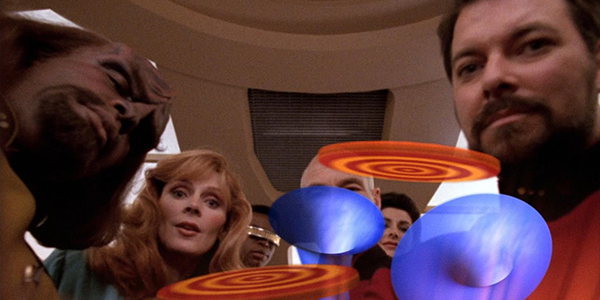 Paramount StudiosIf youre the hero of a sci-fi show, its probably not worth ever going on holiday. Quite apart from the zany antics thatll ensue on your supposedly-relaxing vacation, the odds are good youll arrive back home to find everyone acting strangely. The clues will be subtle to begin with your spouse acts oddly distant when you try and snuggle up for your welcome-home present and the family dog growls at your approach. Gradually, youll become aware of whispered conversations that stop as you enter the room, or meetings taking place without you. And just why is that one room suddenly off-limits, anyway? Your paranoia growing, you try to access records of what happened while you were away, only to find them destroyed or locked behind top-level security. At this point, youll probably be reunited with the one person whos noticed something weird is going on. Bonus points if theyve been hiding in the ventilation ducts. Eventually youll figure out a way to release everyone from their possession, but not before theyve started hunting you down and while you cant hurt your friends, theyre certainly happy to slaughter you. At the last second, you force your way into the forbidden room and discover, to your shock, the repentant writer of this uninspired and unwelcome conspiracy episode. As an allegory for the Cold War and the fear that those you loved could be brainwashed or subverted by an invisible menace, this type of possession plot was once very powerful. These days, its a story thats easy to spot from a mile away. With the rise of arc-based sci-fi providing us with genuine conspiracies and betrayals, this is one plot that can be safely put to bed.
7. Everyone Loses Their Inhibitions
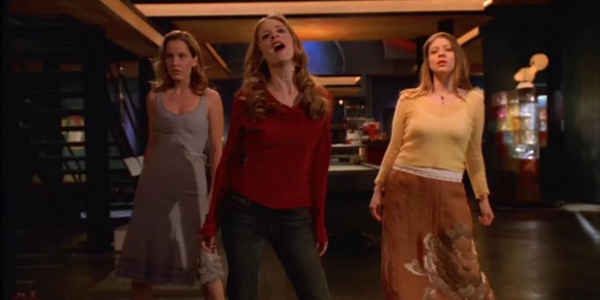 Warner Bros. TelevisionOn paper, having your characters resort to their baser instincts or just act drunk and horny must seem like a fantastic idea. Youll be using your regular cast on regular sets, but youll get to see them playing off each other in a whole new way. Itll stretch the actors, itll provide a few laughs and youll get the comedy pay-off of everyone being socially awkward when it all wears off. Especially if two of the characters had sex, ha ha! Burn that paper. The theory may be sound, but this is one plot thats always so terribly executed itd probably be best if humanity just cut its losses and forgot the idea even existed. One of the most infamous examples is The Naked Now, the second episode of Star Trek: The Next Generation which decides to flat-out duplicate an Original Series plot. Recycling material from a show youre being unfavourably compared to is a daft enough idea at the best of times, but having your cast act out of character when youve barely established who they are on a normal Tuesday? Madness. More recently, writers have tried to put a darker spin on the notion by gradually stripping away the moral safeguards that characters place upon themselves. Whether its the Doctor declaring himself Time Lord Victorious or Walter Bishop battling his own psychosis, these moments are far more effective - theyre revealing genuine traits that the characters must struggle to suppress every day, and not just because the plot of the week demands it.
6. Endlessly-Growing Space Plants
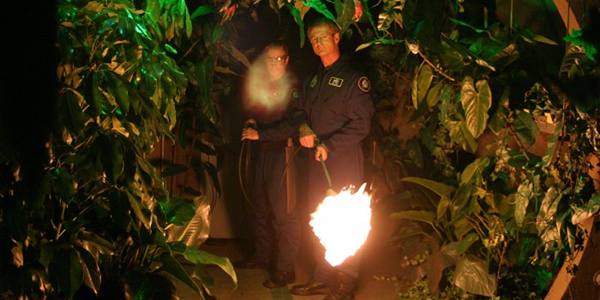 MGMWhether its a mutual appreciation for Little Shop of Horrors or just terror at having to mow the lawn every week, sci-fi writers seem to share a particular affinity this story. Someone brings back seemingly-innocent plant spores that proceed to grow ridiculously quickly, clogging up all the passageways with vines and sucking the power and/or life out of the surroundings. Perhaps theres some shared Writers Guild trauma involving Harvard and an ill-attended spider plant? Whatever the reason, this plot crops up a lot, normally with minimal variation. On rare occasions the organism might be intelligent but mostly its just a big ol plant. Its quite common for episodic sci-fi to have a handful of problem solving stories where the threat is purely scientific Stargate SG-1 got a lot of mileage out of these. Theres normally a ticking clock to ramp up the tension, something like a self-destruct thatll prevent the plant from getting into the water supply, and it gives the science-types a chance to show off their smarts while the other characters are running around with flamethrowers and jumbo cartons of Roundup. Still its a plant. You are essentially watching 45 minutes of very aggressive gardening. The universe is full of amazing possibilities that sci-fi has barely begun to explore and were watching grumpy soldiers hacking away at asparagus. Lets try for something more imaginative if I want to see someone assaulting a salad, Ill watch Come Dine With Me instead.
5. The Bedford Falls Experience
 Liberty FilmsFor the unfamiliar: Bedford Falls is the setting for seminal schmaltz-fest Its A Wonderful Life. While strictly a fantasy film, Frank Capras classic managed to popularise an idea that would go onto become a staple of sci-fi what would the world be like if the protagonist never existed? The films source book draws more inspiration from A Christmas Carol than from scientific notions, but the ideas survived for over sixty years because its such a common and intriguing consequence of science-fiction. When considering time travel and the grandfather paradox, the main character rarely understands the consequences of their actions until they return home and see a world without a place for them. When multiverse theory captured the publics imagination, sci-fi was on hand to depict alternative realities where the main cast had never met or even been born. Its A Wonderful Life is still shown every Christmas and thats part of the problem. Whether its Back to the Future or Sliders, theres very little about the idea that sci-fi hasnt already covered, often superbly. Weve seen the full spectrum of what-ifs, from a world thats happier because Ebenezer Scrooge is dead to a universe thats crumbling without the Doctor to save it. As a sci-fi or fantasy fan its almost impossible not to have seen this plot a dozen times before, and as great as Bedford Falls may be, Im getting a little tired of visiting.
4. Trapped In VR
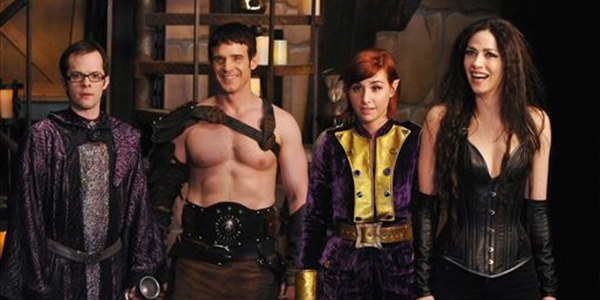 SyfyTech enthusiasts may find the publics lack of enthusiasm for Virtual Reality baffling, but its only because sci-fi has taught us a valuable lesson: the minute you stuff yourself into a lycra bodysuit and headset for a game of virtual badminton, all hells going to break loose. Sci-fi likes to up the ante and the peril by having participants wire themselves directly into the VR system while mumbling vaguely about psychosomatic consequences die in the simulation and your brains so astonished by the whole affair that it promptly induces a heart attack. When the safety features inevitably get turned off and characters find themselves facing down Wild West gunslingers or pirates, there can be genuine jeopardy despite the unreal nature of it all. Except its all bit contrived nowadays, isnt it? As VR becomes a reality, its hard to suspend your disbelief and buy that someone would build something so dangerous, let alone use it as a recreational pursuit. Even in Star Trek, some of the best uses of its holodeck werent about trapping the crew with a bunch of gangsters but the occasions it was used to recreate a murder or provide an expression of a machines evolving subconscious. Writers love VR because its a chance to travel outside of the usual sci-fi settings to write something Western or historical, and producers love VR because it lets them shoot on the old soundstage next door. Ultimately, though, its about making the choices that result in the best TV, not the easiest TV. Here in the real world, were finding amazing things to do with virtual reality. Its about time sci-fi caught up.
3. Proud Alien Warriors
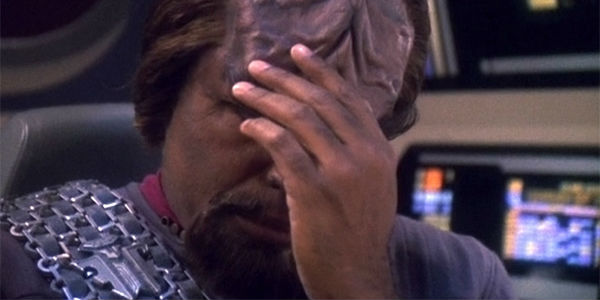 CBSMankind seems to have a soft spot for groups of burly blokes sitting around in big halls quaffing ale and bragging about how many people they honourably slaughtered before breakfast. The Klingons are undoubtedly the most well-known example of outer-space Vikings; theyve inspired generations of bank managers and geography teachers to spend their weekends scaring the staff of Pizza Hut by trying to slice a stuffed crust with a batleth, but most sci-fi series have warrior cultures of their own. They make for layered and interesting villains whore just as happy fighting alongside you to defeat a greater threat as they are punching your face off because you spilt their grandmothers pint. And yet, for whatever reason, sci-fi writers invariably decide that what wed really like to see is alien warrior political intrigue lots of sneaky chaps running around in the shadows and arranging assassinations and coups in-between writing up the High Councils minutes. These proud fighters are reduced to middle-aged loudmouths who seem to like nothing better than sitting around a table for hours on end arguing which type of floral roundabout would bring the most honour to the local parish. Even if the backstabbing and political shenanigans does end up in a great big fistfight, alien warrior politics is a tedious waste of characters who just arent suited to the role. If youve established that their cultures built around strength and honour, let them fight - preferably without having to file their tax returns first.
2. The Intelligent Virus
 BBC WorldwideThis particular cliché comes in not one, but two delicious flavours of tedium either its a good old-fashioned fleshy virus or, in more recent sci-fi, its a computer virus instead. Of course, the characters dont immediately realise the virus is intelligent; thats a revelation saved for the halfway point of the episode, where someone will utter the line Its as if the virus is trying to protect itself! and anyone whos ever used a computer dies a little inside. Real viruses try and protect themselves, setting files to read-only and creating multiple backups it doesnt mean the five new browser toolbars Ive developed are an attempt at communication. Eventually, the virus will gain the ability to communicate directly with our heroes, either by infecting so much of their victim that it can work them like a meaty marionette, or utilising a nearby computer. After our heroes convince the virus that they didnt mean to kidnap it, both species can co-exist peacefully and many other platitudes, the virus agrees to be transported back home or to a special computer where it can live out the rest of its days spawning pop-up ads and logging your World of Warcraft details. Its remarkable how often this plot rears its hackneyed head, considering how obvious and uninteresting it is. Even if the audience doesnt recognise the story straight away, the episode normally flat-out tells us that the virus is sentient, meaning we spend the next hour watching the main cast playing catch-up as they trudge through a story weve been tired of since the 80s.
1. Bodyswapping
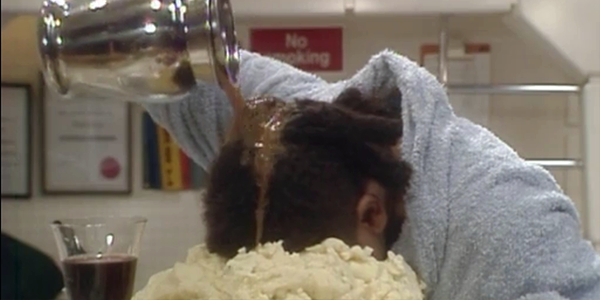 BBC WorldwideWhile it may not be as overused as some of the other entries on this list, there are few plots more obnoxious than the bodyswap sometimes known as the Freaky Friday plot, named after the movie where a mother and daughter switch bodies by wishing really hard. If youre unfortunate enough to be watching a bodyswap episode, the best you can hope for is that itll be played for laughs the actors will have a good time mimicking one another and therell be a bunch of in-jokes and sight gags as characters attempt to control unfamiliar superpowers or body parts. Even the stoniest heart cant resist the simple charm of Red Dwarfs Rimmer, at his first meal in three million years, pouring gravy over his own head. Its when the bodyswap is used to inject peril or drama that everything collapses for instance, when the villain takes over the heros body and the hero finds themselves trapped in an asylum or surrounded by thugs and murderers, escaping just in time for the inevitable fighting yourself battle at the episodes climax. If your best friend suddenly forgot where they lived, every shared adventure and the fact that they have a lethal peanut allergy well, you might not immediately deduce the truth, but nor would you shrug it off as them not feeling well. These are characters who deal with alien possession, intelligent viruses and energy beings on a daily basis - but in spite of all their prior experience, everyone has to lose 50 IQ points for this plot to work. If you have to make your characters uncharacteristically stupid to tell a story, it probably isnt a story worth telling.