10 Times Doctor Who Broke Its Own Canon
Doctor Who canon is a ball of wibbly-wobbly, timey-wimey stuff – but that's not always an excuse!

In The Giggle, the Toymaker said that he had made a jigsaw of the Doctor's life, a handy bit of dialogue that can excuse a whole host of inconsistencies within the continuity of Doctor Who.
It also reflects the fun of being a Doctor Who fan – the obsessive pursuit of answers as we try and connect the jigsaw pieces of the Timeless Child, and the half-human Eighth Doctor.
However, there are some jigsaw pieces that just do not go together, no matter how much you hammer the edges. Sometimes these inconsistencies are purely by accident, a quirk of the fact that Doctor Who has been going for over 60 years and it would be incredibly difficult to ensure that every tiny detail fits together.
Other times, it's just carelessness, a lack of research on the part of a writer, or a script editor who should've highlighted a glaring error.
On the plus side, the fun of Doctor Who's canon contradictions are the ways that fans try to make sense of them. So with that in mind, let's take a look at some of the most head-scratching ones we've seen over the years – and perhaps suggest a few ways they could be explained away!
10. The Fate Of The Mary Celeste

In 1872, the merchant ship Mary Celeste was found abandoned and adrift in the middle of the Atlantic Ocean, leading to decades of speculation about what happened to the crew.
Was it an elaborate insurance scam? Was the ship attacked by a giant squid? Or was everyone chased overboard by Daleks?
That's the answer that Terry Nation provided in the First Doctor serial The Chase, which sees the crew of the Mary Celeste attacked by time-travelling Daleks, who are in pursuit of the Doctor's TARDIS. When faced with the Daleks, the terrified crew jumps overboard, with anyone left on the ship likely being exterminated.
Despite various non-canon comic-strips and short stories offering different solutions, The Chase's explanation was accepted as the answer to the Mary Celeste mystery within the Doctor Who universe – that was until The Eaters of Light came along in 2017, and directly contradicted The Chase.
Here, Nardole recounts the story of how an ambassador for an alien species called the Enzomodons digested the entire crew of the Mary Celeste, before tragically choking on a lifeboat. So how do we explain this contradiction?

If we're being kind, perhaps the folks who worked on The Eaters of Light knew Nardole was wrong, and intended for him to be relaying a second-hand story. Nardole is full of tall tales, so perhaps this is a rumour he's heard about the Mary Celeste's demise?
But if we're not being kind, this is a clear contradiction of the actual historical event itself.
9. The Destruction Of Atlantis

Solving the question of whether Atlantis is a genuine lost city or a fictional creation is an easier proposition than squaring Doctor Who's three – yes, three – contrasting portrayals of Atlantean society between 1967 and 1972.
While script editor Terrance Dicks and producer Barry Letts could be forgiven for not having seen Doctor Who's first depiction of Atlantis in the 1967 serial The Underwater Menace, the Atlantean inconsistencies between The Daemons in 1971, and The Time Monster in 1972 – stories that were both overseen by Letts and Dicks – are a little harder to forgive!
So what exactly happened to Atlantis in the Doctor Who universe? Well, The Daemons states that it was a failed experiment by Azal and his fellow godlike beings, who sank the city as a punishment. This doesn’t necessarily contradict The Underwater Menace, which reveals that the fish-god-worshipping Atlanteans survived the submersion and lived on into the 20th century.
Things get more complicated in The Time Monster, which relocates Atlantis from the Portuguese islands the Azores, to the Greek islands of Thera. This version of Atlantis is destroyed when the Master unleashes the titular Time Monster, a creature known as Kronos.
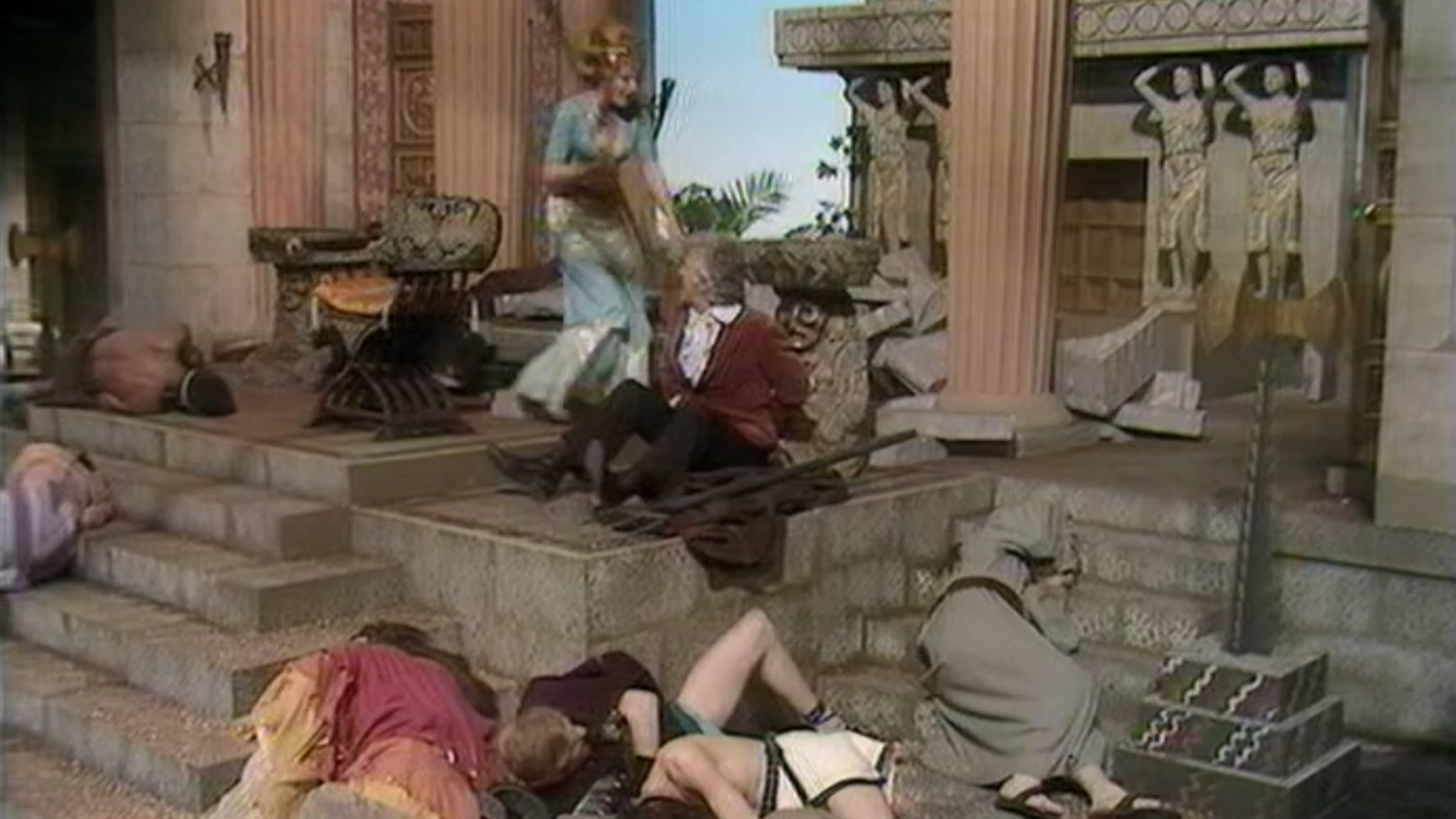
If we’re generous, continental drift and the timey-wimey nature of the Master’s plot could explain some of these inconsistencies.
But there’s no escaping the fact that The Time Monster clearly forgot that The Daemons had already offered an explanation for the destruction of Atlantis. And even more bizarrely, there was only a year between these two stories!
8. The Doctor Hasn't Had Kids "Yet"

Whether it's refusing to give answers about the Doctor's family, or the recent assertion that the Doctor hasn't had kids "yet", Doctor Who has made various moves to conceal the Doctor's paternity.
But that said, the Doctor definitely has had kids – they've told us as much several times over the years!
The Tenth Doctor told Rose he was a dad in Fear Her, and later said that he "lost" his children at some undisclosed point a long time ago. And hell, let's go right back to the beginning – the Doctor and Susan are introduced as grandfather and granddaughter, meaning that the Doctor must have had a son or a daughter first! There's nothing in Doctor Who's first two years to suggest anything other than the Doctor and Susan being family.
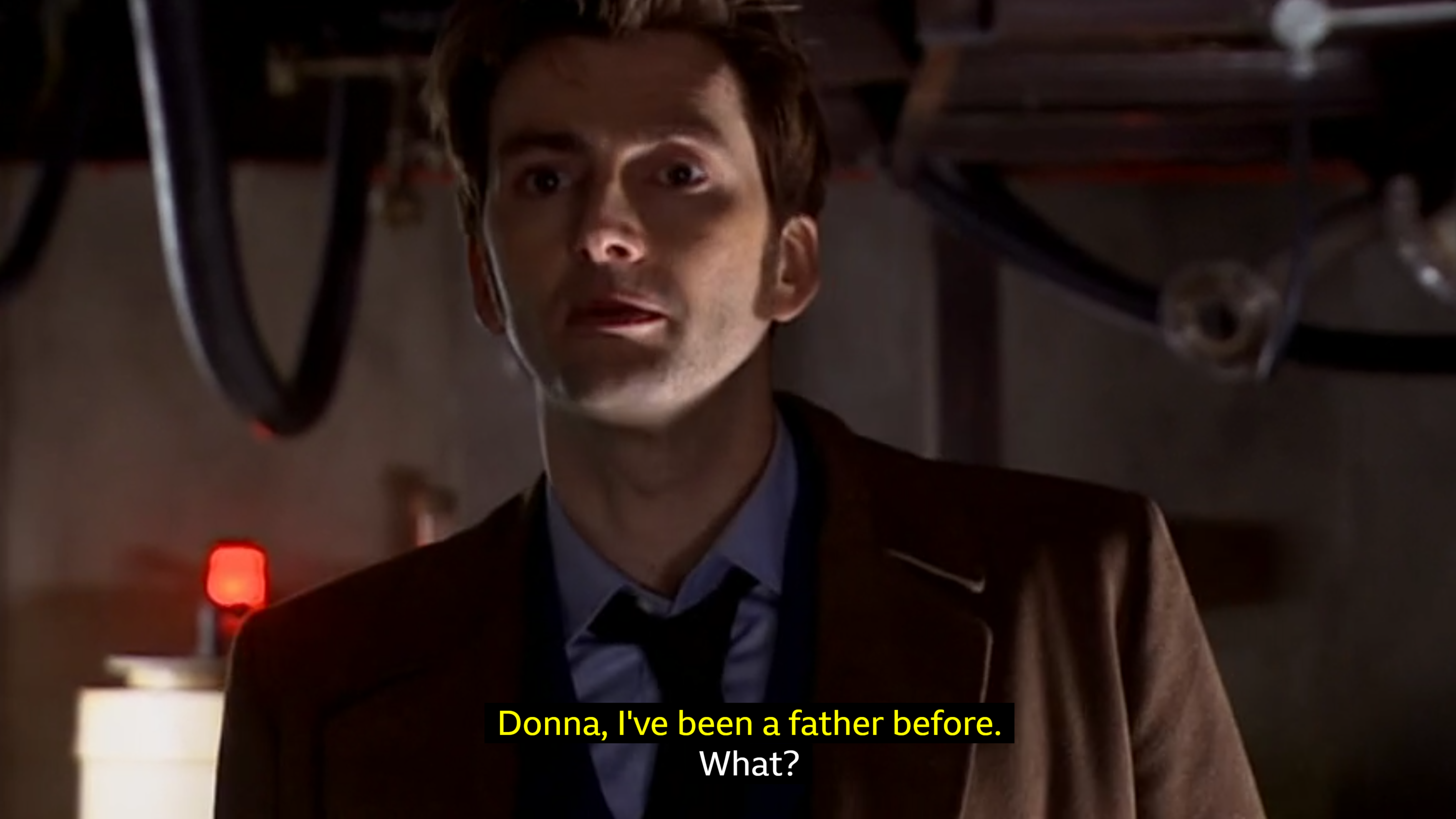
So The Legend of Ruby Sunday's revelation that kids are in the Doctor's future and not their past directly contradicts almost everything we've known since 1963.
If Susan's mother hasn't been born yet... then who are those kids that the Tenth Doctor was telling Rose about? And how exactly does Susan end up at the other end of the Doctor's personal timeline? The fact that Russell T Davies was the showrunner when the Tenth Doctor said he had kids and when the Fifteenth Doctor said he didn't, just makes this even more confusing.
But don't worry, I'm sure the writer of Empire of Death will give us a perfectly satisfying answer to these questions! Ah.
7. The Doctor Bleeds... Blue?

In science-fiction shows and movies, different coloured blood can be a quick shorthand to demonstrate a character's alien status. Spock in Star Trek bleeds green, as does Ming the Merciless in Flash Gordon.
The Doctor, meanwhile, bleeds an ordinary red. Or hang on, is it blue?
Well, it's blue in State of Decay, in which the Fourth Doctor is bitten by a bat. When he checks his wound, blue blood can clearly be seen on his fingers. The story goes that this was suggested by Tom Baker, who thought that blue blood would reflect the Doctor's lordly status. Producer John Nathan-Turner was apparently annoyed by this bit of Baker tomfoolery, perhaps because it's wildly inconsistent with everything we've seen before or since.
Whether or not there's any truth to this blue blood being a Tom Baker suggestion, there's no escaping the fact that in stories like Death to the Daleks – which aired six years before State of Decay – we are shown the Doctor's very red blood smeared across an oil lamp.
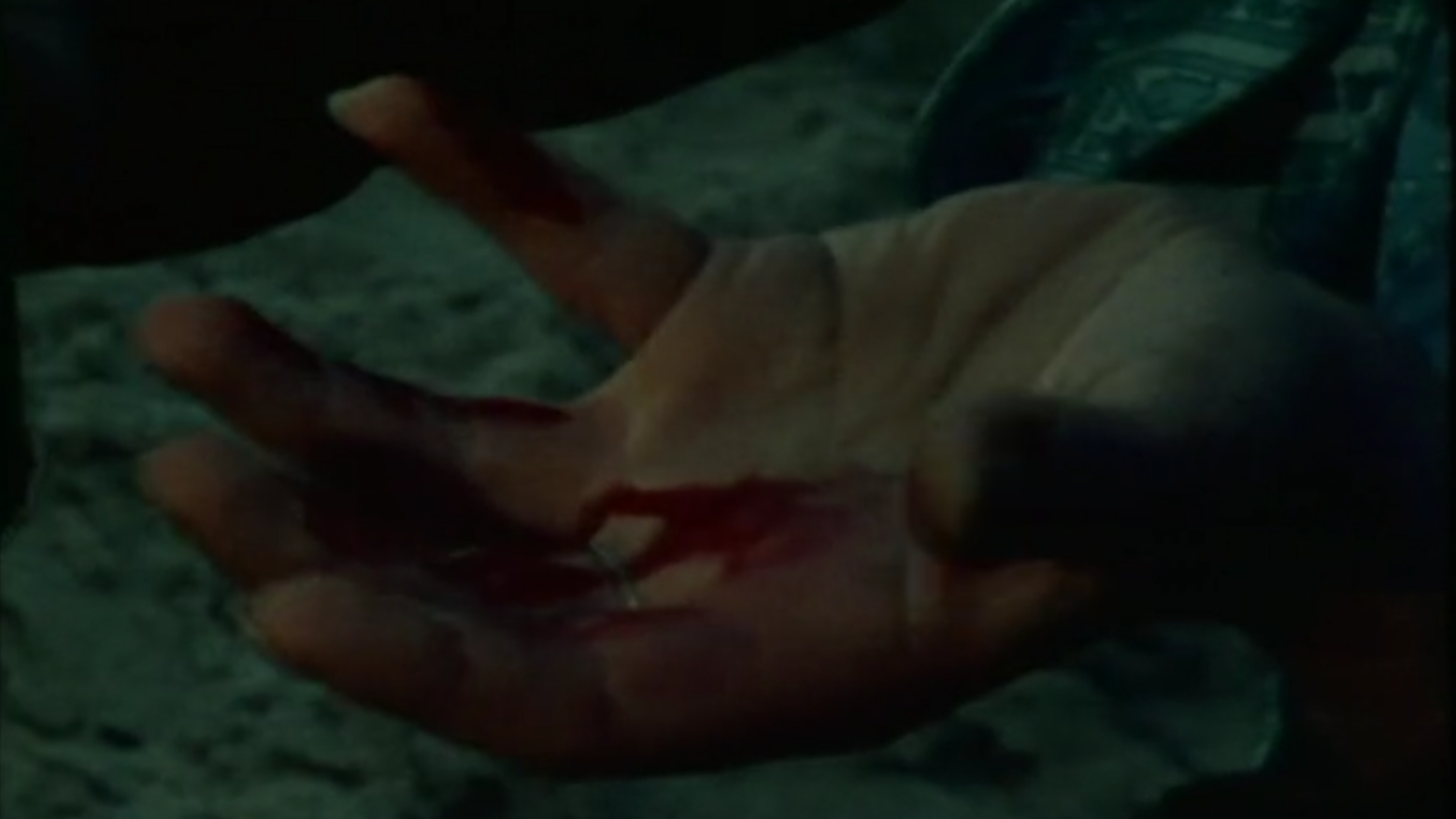
And then, in later stories like The End of Time, the Tenth Doctor's face is covered in little cuts that bleed red after he crashes through a skylight.
So yes, if you cut the Doctor, they bleed red... except for that one time they bled blue. If we're being kind, maybe we can chalk that up to the strange effects of being in E-Space, but in reality, it just doesn't make sense does it.
6. Earth's History With Mars

In The Christmas Invasion, soon-to-be former Prime Minister Harriet Jones refutes allegations that the Guinevere One probe – which was sent into space to explore Mars – is a waste of money, telling the cynical journalists that:
"The Guinevere One space probe represents this country's limitless ambition. British workmanship sailing up there among the stars."
The implication here is that the British space programme is something relatively new, and that Guinevere One provides the UK's first opportunity to land on Mars.
But wait, doesn't anyone care about history?!
Britain had already landed a probe on Mars decades prior to The Christmas Invasion, in the Third Doctor serial The Ambassadors of Death. This probe was called Mars Probe 7, and unlike Guinevere One, it was manned! However, Earth lost contact with the astronauts, who had been captured by aliens. The Doctor then piloted a recovery craft to locate the astronauts and secure their release.
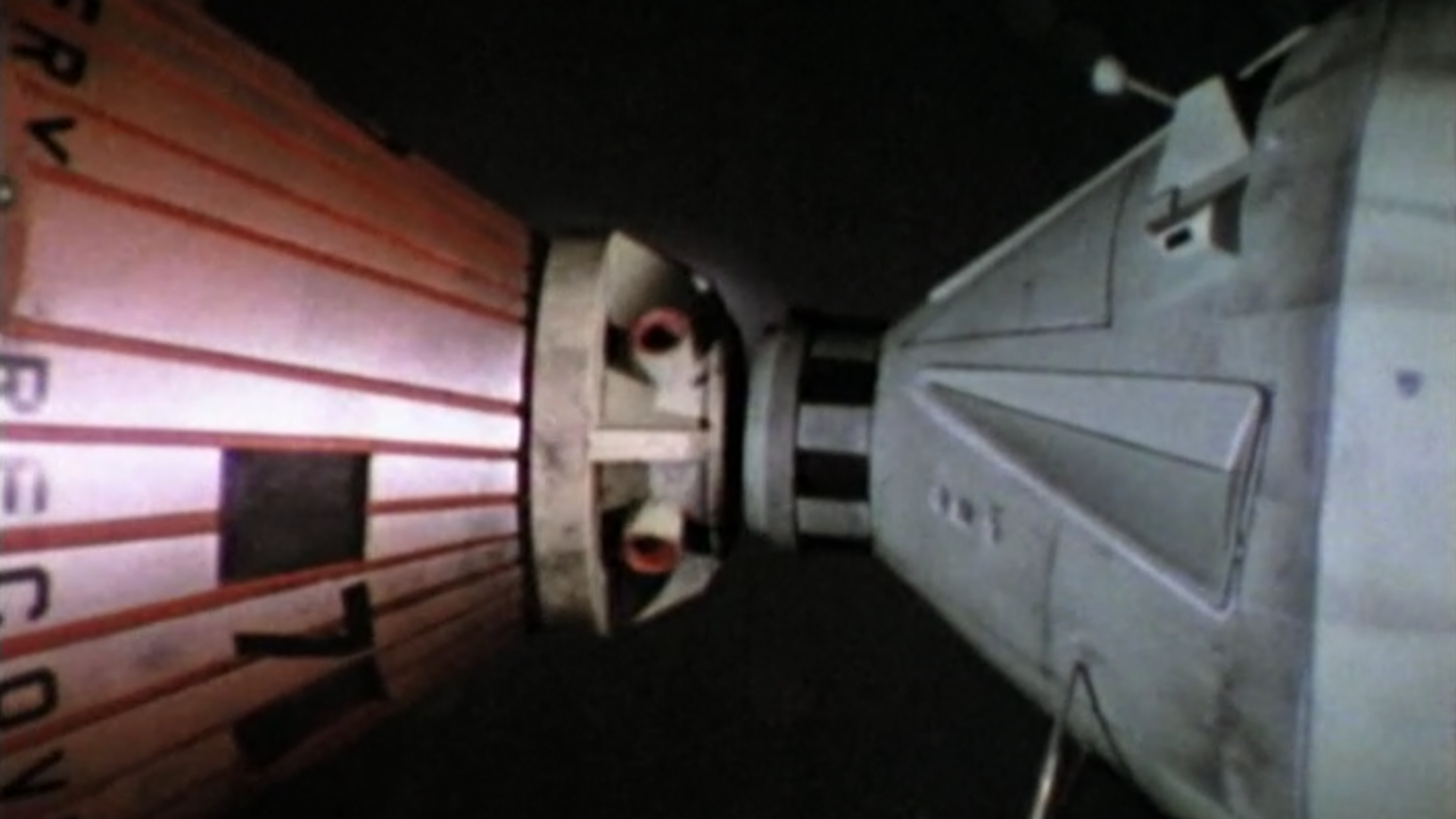
The events of The Ambassadors of Death are completely ignored by The Christmas Invasion, and what's more, they're directly contradicted in The Waters of Mars, which states that the crew of the Bowie Base One are the very first humans on Mars.
It's possible that UNIT covered up the whole Mars Probe 7 affair, but then again, there was a journalist present throughout the recovery mission, broadcasting live on TV!
5. Regeneration Is Like Death

The Tenth Doctor changed everything we thought we knew about regeneration when, holding back tears in a depressing little cafe on Christmas Eve, he told Wilfred Mott that, "Everything I am dies. Some new man goes sauntering away, and I'm dead."
Except, that's not been true of regeneration before or since The End of Time, has it?

After the very first regeneration in 1966, the Second Doctor explicitly stated that "Life depends on change and renewal", which affirmed the process as a means to extend life, rather than end it. But it's not just classic Doctor Who that the cafe scene contradicts – Russell T Davies' writing creates an inconsistency with his own work earlier in the show.
That's because, just a few years prior, the Ninth Doctor regenerated into the Tenth, all the while telling Rose that regeneration was a Time Lord trick to cheat death! Then, in the Tenth Doctor's first full scene (the Children in Need minisode Born Again), he stressed to a deeply concerned and baffled Rose that he was very much the same man, just with a new face.
Steven Moffat would then appear to take a shot at the Tenth Doctor's regeneration in the weeks leading up to Matt Smith's departure, when he explained that:
"The Doctor doesn’t die. He really doesn’t. He just gets a new body. He escapes death, he evades death, so that’s a triumphant ending rather than a sad ending."
The Eleventh Doctor's regeneration would reflect this sentiment, reaffirming the process as a change of body rather than a change of mind, exactly as it was introduced all those years ago.
So is this a canon inconsistency... or evidence that the Tenth Doctor was being a bit too melodramatic? Well, when RTD and David Tennant returned to Doctor Who in 2023, they essentially confirmed that Ten was being a crybaby when the Fourteenth Doctor told Donna and Mel that regeneration "isn't dying."
4. The Doctor "Constructed" The TARDIS

In the two non-canon Peter Cushing movies, the TARDIS is presented purely as the invention of the Doctor. But this was something that was a bit more ambiguous in the early days of the main TV show.
While Susan claims to have created the TARDIS anagram, there's nothing to confirm that the Doctor and Susan built their time machine themselves.
That is until the 1965 First Doctor serial The Chase, in which the Doctor claims to have "constructed" the TARDIS. Whether the adapted screenplay for the first Cushing movie had seeped into Terry Nation's mind while writing The Chase – or whether the Doctor is actually talking about his Time Path Detector, which he's also discussing in this scene – is anyone's guess, but the idea of the Doctor building the TARDIS himself is directly contradicted by everything that's followed.
We've visited Gallifrey and seen lots of other TARDISes lined up like it's a car dealership, while The Name of the Doctor briefly took us to a TARDIS repair shop. It's also been mentioned multiple times that, rather than building the TARDIS himself, the Doctor just pinched one and ran away.
Maybe the First Doctor just wanted to sound more like a brilliant inventor and less like a common thief?
3. Seeing The Weeping Angels Move

Blink firmly established that the Weeping Angels could only move when they weren't being observed.
Brilliantly, this meant that we, the viewers at home, could hold an Angel in place by watching it on our TVs. This little flourish from Steven Moffat and director Hettie Macdonald placed us firmly in Sally Sparrow's shoes, and implanted the terror of the Angels in the mind's eye of a generation of kids.
Which is why it was utterly baffling when, in Flesh and Stone, showrunner Steven Moffat and director Adam Smith decided to show us the Angels moving! While it's understandable to build tension as a blinded Amy Pond tries to navigate the Angels on some uneven terrain, this sequence took a rocket launcher to everything that had been previously established about the Lonely Assassins.
It's not just the fact that viewers should be able to hold the Angels in place – it's the fact that both Blink and this Series 5 two-parter clearly show that the Angels can move great distances in the blink of an eye. Literally! So when they do start moving, Amy should last less than a second.
Seeing the Angels turn their heads really really slowly greatly undermined their terror. By contradicting their lightning-quick movement, we no longer have a race of quantum-locked, hyper-intelligent assassins – we're left with a group of stone statues that move exactly like you'd expect stone statues to move.
Liiiiiiiiike thiiiiiiiiiiiis.
2. The Brigadier Retired In 1976?!

When UNIT was first introduced in 1968's The Invasion, there was a broad suggestion that they were a military organisation from a few years in our future. This largely holds throughout the Pertwee era, and it also explains why Sarah Jane Smith states that she's from 1980 in Pyramids of Mars, which was broadcast in 1975.
Meanwhile, a retired Brigadier Lethbridge-Stewart is called back into service over a decade later in the serial Battlefield, which is set in 1997. All of this would be fairly watertight continuity-wise... if it weren't for the existence of Mawdryn Undead.
This notorious Fifth Doctor serial tells us that the Brigadier left UNIT in 1976. This is particularly problematic not just because it's four years before Sarah Jane's time, during which the Brigadier was still working at UNIT – but also because it totally breaks the entire UNIT timeline!
One of many ways this breakage occurs is if we look at the original Radio Times listing for The Invasion, which states that the story takes place in 1975.
So if the first appearance of UNIT was in 1975 and the Brigadier retired in 1976, that would mean the entire Pertwee era, Robot, and Terror of the Zygons took place in less than 12 months.
No wonder the Brigadier had a nervous breakdown!
1. The Doctor Leaves The TARDIS Brakes On...?

In The Time of Angels, River Song states that the iconic wheezing, groaning sound that the TARDIS makes while landing and departing only happens because the Doctor leaves the brakes on.
It's a fairly funny joke by Steven Moffat, but it doesn't hold up to any scrutiny whatsoever.
Sure, the Doctor isn't the universe's best TARDIS pilot, often landing on the wrong planet, in the wrong timezone, or even the wrong galaxy. But that doesn't really explain why every other Time Lord also seems to leave the brakes on too. The Master's TARDIS makes a similar wheezing, groaning sound, as do those of the Rani and the Meddling Monk!
Even the Time Lord agent from Terror of the Autons makes a wheezing groaning sound as he pops into existence in front of the Third Doctor. So does everyone on Gallifrey leave the handbrake on? And if so, how is River Song the first person to realise this?! It's probably just River winding the Doctor up, but then again, how does she turn that sound off?
One amusing possibility is that, if the Doctor, the Master, the Monk, and the Rani were all in the same class at the Academy, perhaps they all just had the same terrible TARDIS flight instructor.
But if we're being honest with ourselves, it's really just that Moffat didn't think this one through.