5 Reasons Why Doctor Who Should Continue Getting Darker
It's not dark if you switch on the light.
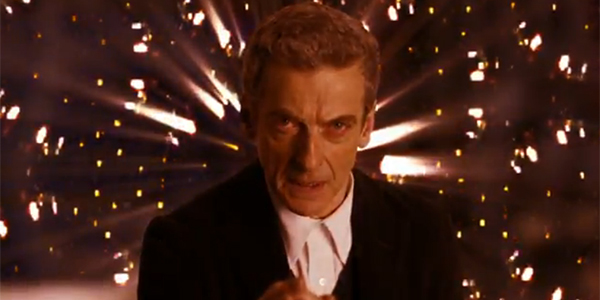 Since its return to our screens back in 2005, Doctor Who has spawned some of the most iconic and original episodes in its 51 year history, although most of them have been memorable in their own right, whether for good reasons or bad. With the conclusion of the most recent series, however, critics and fans alike have been expressing their concerns that the Doctor's adventures have become too dark for the show's younger viewers. Doctor Who prides itself on challenging the creativity of a child's imagination and, while it has been known to cover some quite serious issues, it does always try to contain their fears and resolve them in a way thats both entertaining and as scientifically accurate as possible. The audience is always left assured that no matter how bad things get, that strange time traveling man from Gallifrey will appear in his blue box to save the day - usually at the last minute. For a child, the Doctor is conveyed as the ultimate hero - someone they look up to, who they want to know or perhaps even be. That's how it started for Peter Capaldi, after all. Some would argue that Doctor Who should be dark and, since that's the direction the show seems to be taking under the ongoing reign of Steven Moffat, it looks like the naysayers will just have to deal with it. If you're still unsure, though, perhaps you might be persuaded by these 5 reasons outlining why the series works best when its at its scariest. After all, isn't Doctor Who notorious for sending its viewers - both young and old - screaming behind their sofas? And may that never change.
5. Educational Purposes
 At its inception back in the 1960s, Doctor Who was designed to be an educational programme for families to enjoy together at teatime. As such this is the fundamental ethos of the show and while it isn't an aspect of it that's as heavily emphasised or explored today, it does still have the tendency to inform its viewers about various aspects of the universe - albeit in its own special timey-wimey sort of way. What's more, its inspiring foray of characters makes Doctor Who a show that encourages the audience to want to discover more about the world around them and that's one of the most powerful aspects of its far reaching format. You might not realise it but Doctor Who has opened your eyes - and minds - to what's really out there and if you haven't been left questioning the concepts of time after watching a Steven Moffat episode, you obviously weren't paying attention. For Doctor Who to be education, it also has to be truthful (or as truthful as the confines of its fictional universe can be, anyway). Sometimes the truth is dark so the writers owe it to the format to respect this. If it sugarcoated everything it would be going against what it's been trying to represent for half a century.
4. Appealing To A Wider Audience
 The argument that Doctor Who is a children's show is irrelevant (and saying such is a guaranteed way to annoy one of its devoted fans - you have been warned!). After all, everybody knows that Doctor Who is actually aimed at everyone and even those who don't actively admit it know deep down that it actually is their cup of tea. What's not to love? Either way the show has become the centrepiece of British television culture and it's still managing to attract new fans today which is no mean feat for a series that last year celebrated its 50th anniversary. There's many possible reasons for its longevity and, most importantly, its ongoing ability to appeal to viewers but one of them is no doubt down to the darker avenue that it's been exploring in recent years, most particularly whilst it's been under the reign of Steven Moffat. The Grand Moff's decision to making the Doctor's adventures - and even, with the introduction of Peter Capaldi, the Doctor himself - darker has introduced elements which have increased the show's flexibility and this has ultimately benefited its potential in terms of characters and themes. There really is something for everyone to enjoy and if it were to lose its darker undertones, it would no doubt also lose its legion of devotees who like to delve that little bit deeper into the weird and wonderful world of their favourite drama.
3. Moral Values
 To put it simply, if Doctor Who was continuously happy from start to finish, everyone would lose interest. Giving the story its much needed depth and darkness reflects the audience, too, as it highlights the moral dilemmas of each episode and the consequences they have for the characters involved. They're not always good ones but the fans are with them every step of the way. The audience become emotionally invested in the characters which is vital in order for them to be able to suspend their disbelief. Doctor Who is known for its somewhat exuberant plots and without that touch of realism, viewers would no doubt find it much harder to relate to the titular Time Lord and his foray of coveted companions. Without them and the real issues that affect them, it would basically be a show about a man stuck inside a box. If you like that sort of thing, you could always check out The Cube on ITV...
2. The Dramatic Effect
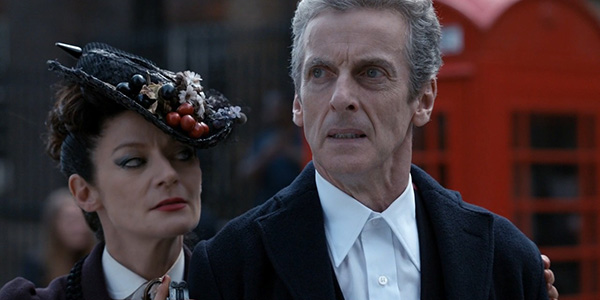 Doctor Who is drama at its best and, more often than not, the relationships of the characters prove to be much more appealing than the monsters and general sci-fi madness. Not that all of that isn't brilliant but one of Doctor Who's unique selling points is that it's like watching Coronation Street and Star Trek all at once. The darker themes make it more interesting, funny, action packed and, perhaps most importantly, scary. The term 'hiding behind the sofa' wasn't given to the show without good reason - if it lost its darkness, it would no doubt lose that, too. It's the impact Doctor Who has on its younger fans that they take with them into their adulthood and it's usually the reason they pass their love for the show down to their own children, too. Let's keep the legacy going by sharing the scares.
1. Fans Want The Darkness
 If it ain't broken, don't fix it. It's true that Doctor Who is getting scarier but the show itself is constantly maturing and evolving and it's a testament to the writers that it's still able to evoke the same feelings of fear and wonderment that it did way back when in the 1960s. There's a reason a generation of new fans took it to their hearts when it was revived in 2005 and there's a reason its legion of Classic Series fans have stayed around for the party, too. It's because they all want the same thing - they want to be scared. Whether it's by the villain, the plot or even (especially) by the Doctor himself, fans of the show want it to push the boundaries because nothing quite compares to the adrenaline rush that only Doctor Who has the power to provoke. Thankfully Steven Moffat understands this and as long as he's showrunner, the Doctor's adventures will have that flavour of darkness that makes the show stand head and shoulders above the rest. What do you think of this list? Do you think Doctor Who should get darker or was Series 8 as far as it should go? Leave your thoughts in the comments.