Doctor Who: 73 Yards Review - 6 Ups & 4 Downs
Hear that? That's Doctor Who fans across the world exclaiming "What the hell just happened?!"

Well... that was quite something, wasn't it?
If nothing else, 73 Yards is an episode of Doctor Who that will be discussed for many years to come. It's simultaneously one of the most engaging and unique episodes the show has put forward in the last 20 years, and also an episode that says almost nothing at all about anything.
One part folk horror, another part psychological thriller and with a brief sidestep into political satire, it's an episode you could see being aired as a short film at Cannes or Sundance, which certainly isn't the bracket Doctor Who normally falls into. 73 Yards is artsy, ambiguous, and high-concept, and that may not be everyone's cup of tea – frankly, I'm still trying to work out if it's mine.
Overall though, I can't deny I want more of this style of writing: big ideas, new genres, different vibes. Russell T Davies is nothing if not ambitious, so let's get into where that ambition succeeded, and where it let him down.
10. UP - A Visually Stunning Episode

Space Babies put the new CGI budget front and centre, while Boom saw the Doctor Who crew playing with its new Volume-style tech to create a virtual environment.
Spectacle is great, and I certainly don't mind the increase in production value on the show, but sometimes you can't beat some good old-fashioned location shooting.
For basically the first time, the team was able to film in Wales this week without having to pretend they were somewhere else, which must've been a novelty. 73 Yards is dripping with gorgeous shots and environments, from the crumbling cliffside to the cosy yet claustrophobic pub. It's an episode that has its own 'feel' in a way few episodes do.
Whereas most direction in Who seems to borrow from the same BBC production bible, this episode felt like RTD sent director Dylan Holmes Williams out into the Welsh countryside with a camera and told him to do whatever he wanted. I'm very impressed, and I hope this isn't the last we see of him (after Dot and Bubble of course).
This show doesn't need insane CGI to bat with the big boys, and after a rather flashy run of episodes, it's nice to see a reminder of that.
9. UP - Millie Gets Her Moment

Last week, I had a little moan about Ruby being sidelined two-thirds of the way through, and still not being given her own moment.
If only I'd known.
Having a Doctor-lite episode so soon into an era is a bold choice, and giving us an episode entirely focused on a relatively new companion could've backfired spectacularly, but Millie Gibson rises to the occasion.
So far, we've seen Ruby do a lot of 'excitable and bubbly', with brief saunters into 'reckless and fearless', but here, we get some serious range. We start the episode with the Ruby we know, as she tries to keep her head despite being abandoned in the middle of nowhere and stalked by a haunting figure.
But throughout the episode, as Ruby grows, this performance changes. Gibson gives us a restrained take on Ruby, distant and stoic, still unsure of herself but presenting confidently and planning every action carefully.
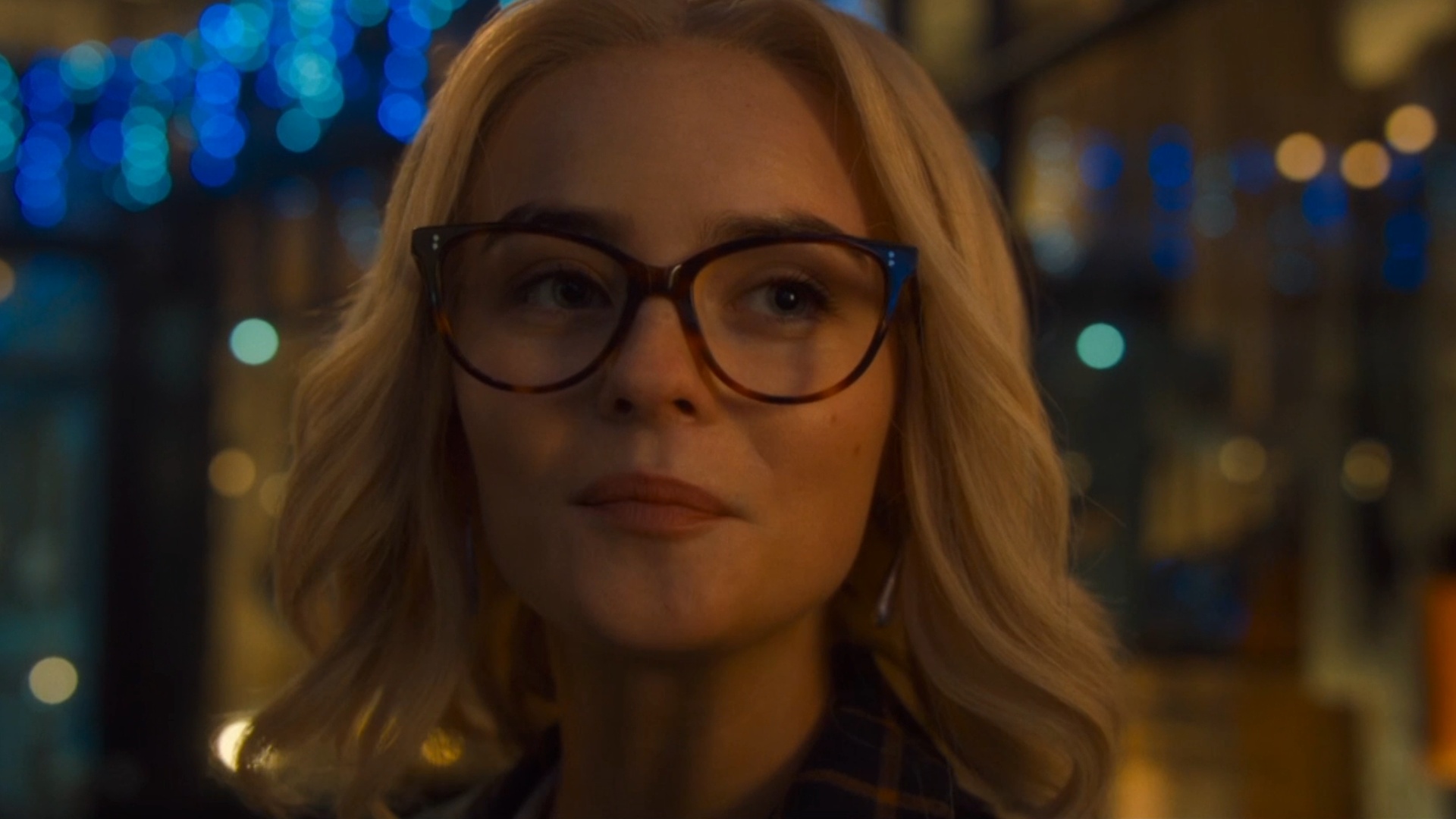
Gibson sells the passage of time in this episode, even if she is slightly let down by the makeup department not really aging her up at all (glasses and a big glass of wine aren't quite enough).
She came into her own in a major way this week, and quite frankly, I'm a little sad that this version of Ruby, for all intents and purposes, no longer exists.
8. UP - The First 20 Minutes

Without a doubt, the highlight of 73 Yards is the first act, before the story leaves Wales.
Ruby finding herself alone in the middle of nowhere, and the rising tension as she becomes more and more unnerved by the supernatural figure following her, is one hell of a hook. We're introduced to yet another Susan Twist character as Ruby comes across a hiker (with Ruby actively recognising her face this time, which is interesting, but will she remember?). But the real standout was the scene in the pub.
Ruby finds herself in a typical rural setting on a stormy night, complete with a cast of zany locals. At first, they poke fun at her, as a city girl who is out of her comfort zone – it's all very Hot Fuzz.
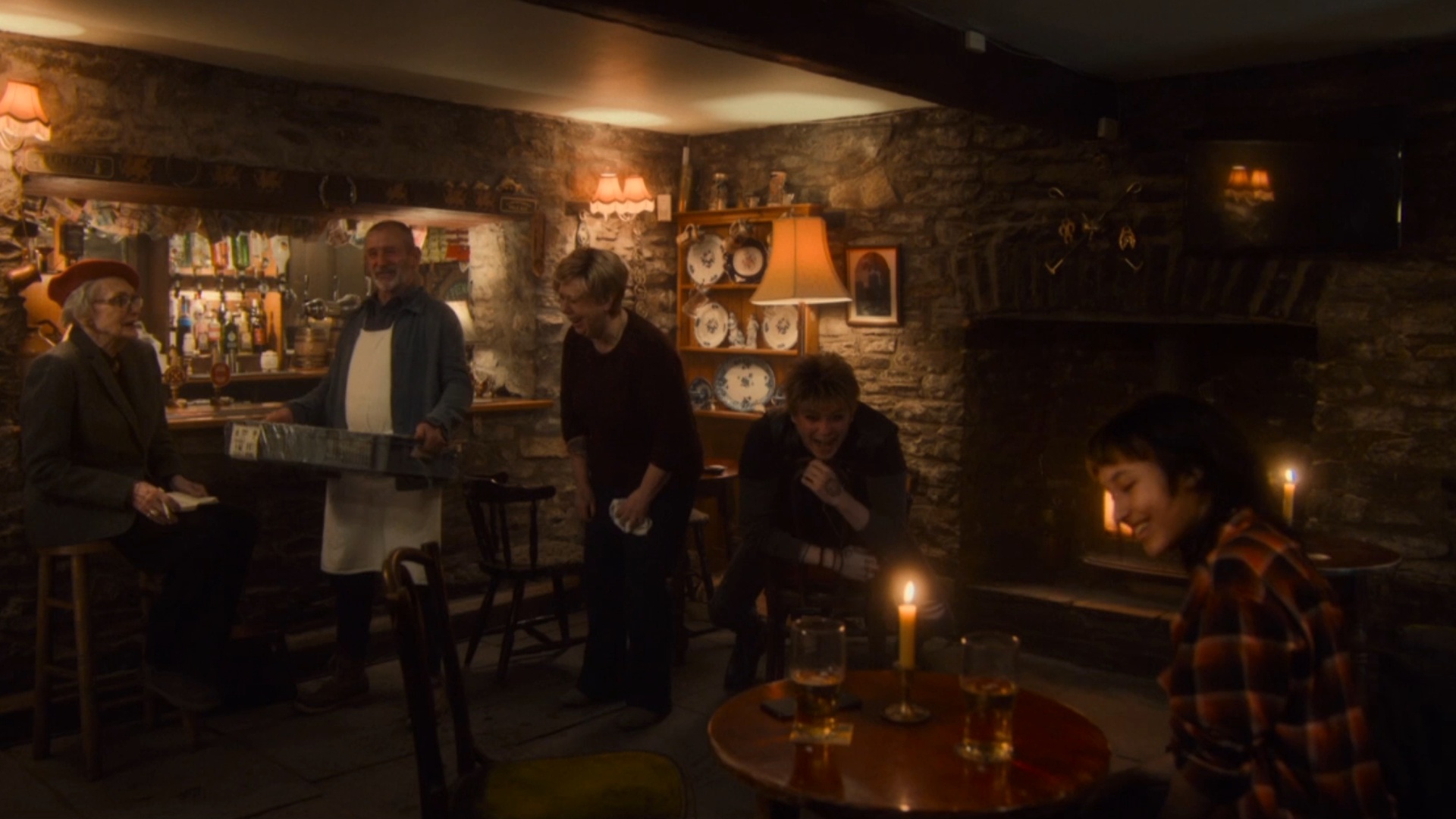
We don't really question it when these 'strange rural types' start to bang on about witchcraft and folklore as if it were common knowledge, only for the episode to punish us for doing so by making us the butt of the joke (along with Ruby) when it turns out they're just on a wind-up. The whole sequence is delightfully spooky, and I wouldn't have been mad at a whole episode of this.
And if you're wondering why that pub made you feel uneasy from the word go, that's because the last time you saw it, cannibals were eating other humans alive in Torchwood's Countrycide. If this was an intentional re-use of a filming location, then bravo.
7. UP - A 73 Yard Stare

It's time to talk about the central premise of the episode, and I'd like to start by saying that the figure who stays at 73 yards, (or semper distans) is one of the best original concepts RTD has put to screen.
A villain with a built-in restraining order shouldn't be scary at all, and yet, there's an unknowable, uncanny aspect to the Woman that makes her absolutely terrifying. Russell describes in a behind-the-scenes clip that he essentially stood on a pier until he worked out at what distance features became indistinguishable, and then the crew made sure to replicate this precise distance every time the mystery woman was on screen – a production nightmare, but remarkably well done, and all the more effective for it.
Oh, and that scene where old Ruby wakes up in the middle of the night and sees the Woman standing at the end of her bed, coming closer in the dark? Terrifying. Absolutely terrifying. It might be portrayed in a positive light, but regardless: absolutely no thank you.
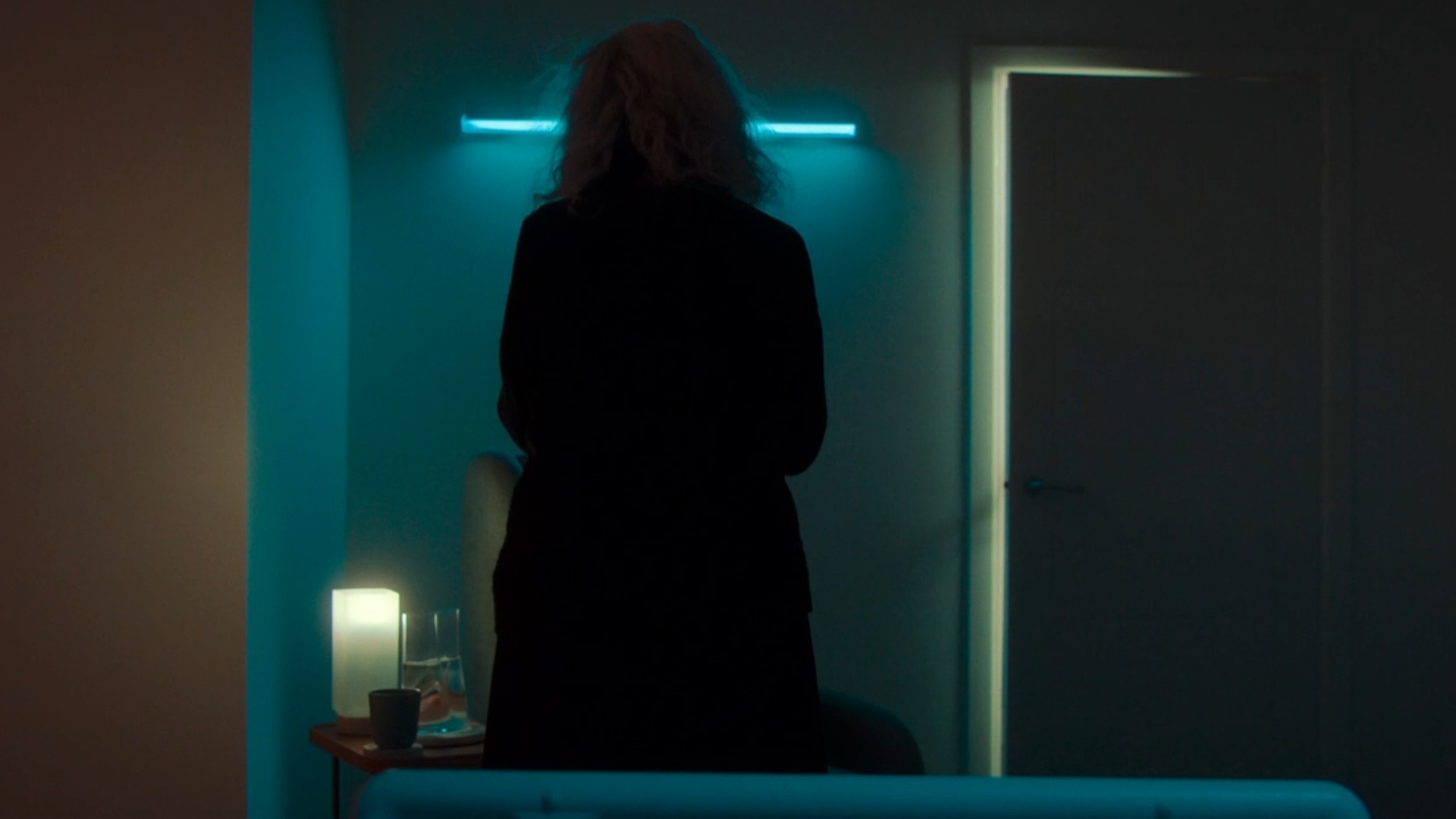
As I briefly touched on earlier, I'm a big fan of leaning into the folklore and witchcraft vibes as this feels like a relatively untapped area for the show, and if anything, I wish it had been explored a little more.
I'm a little sad that the repeated hand gestures didn't seem to hold any relevance to the story either, as they were revealed to be the sign language equivalent of nonsense in behind-the-scenes footage. I thought for sure those gestures would be the key to everything.
6. DOWN - The Mad Jack Plot

I didn't at all mind the plot featuring Roger ap Gwilliam, but I'm not sure this episode was the home for it.
With extra runtime, I can see how this story might've gelled together a little better, but as it stands, this portion of the episode felt disconnected, under-developed, and rather rushed. Roger doesn't seem to have much of a motivation to cause a nuclear apocalypse besides being a little unhinged, and while there's probably some commentary to be had regarding him getting elected in spite of that, we don't hang around long enough to get into it.
There are hints of what could have been during Roger's TV interview, but that's about as much attention as this character gets beyond some allusions to abusing poor Marti later on. I of course also recognise the sorts of slogans and branding his political party, Albion, uses, and the kind of real-world political parties this aligns him with.
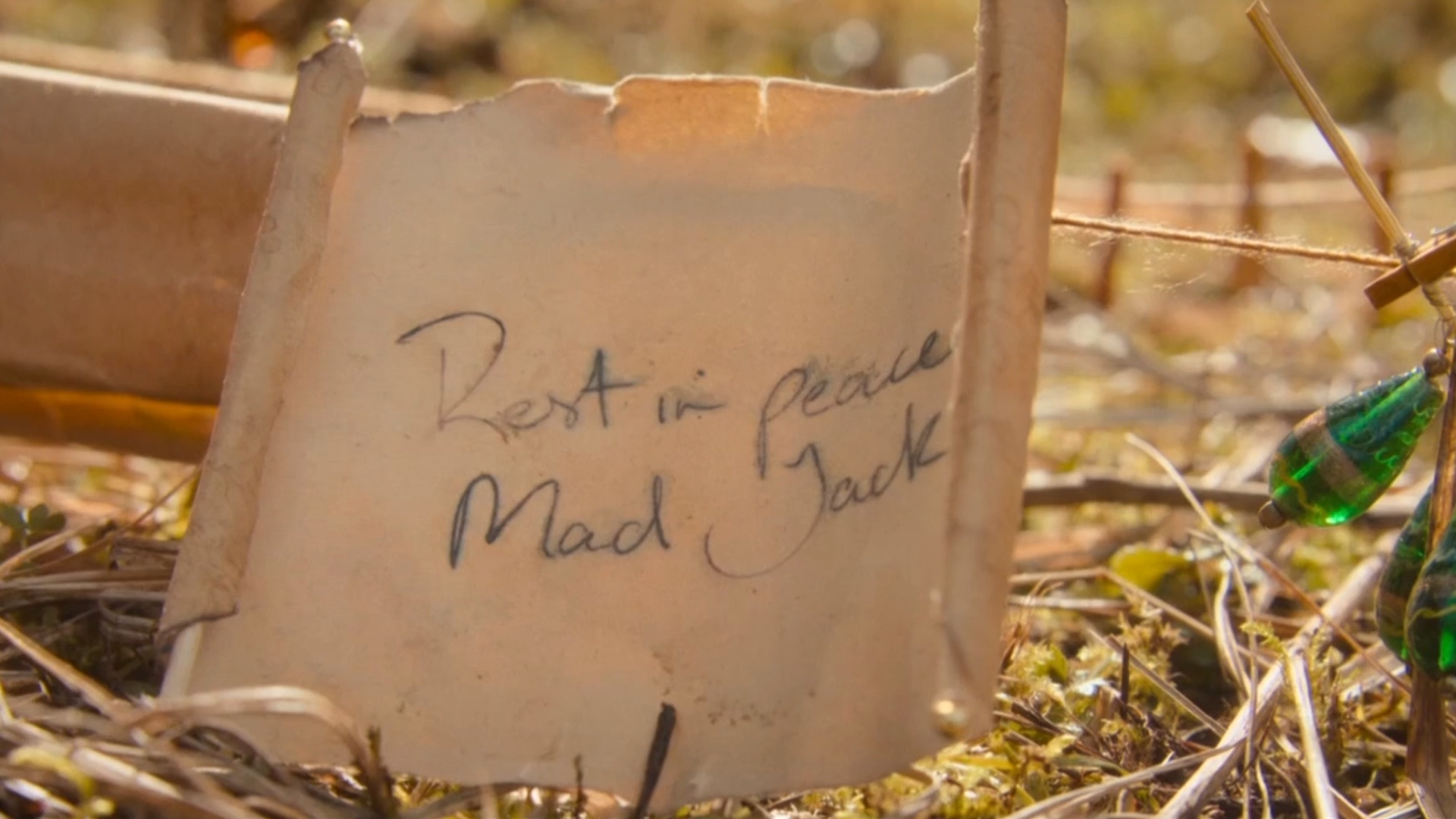
There's also an indication that Roger ap Gwilliam is Mad Jack, despite the notes at the start suggesting Mad Jack is dead. It could be that he is a manifestation of this chaotic spirit, but again, that's pure conjecture, as we don't linger on it. It's a shame, as a folklore sprite with an itchy trigger-finger climbing the political ladder in order to access nuclear launch codes is a beautifully insane little plot.
Ruby decides that her purpose is to take down Gwilliam, but she does so rather passively and seems to postpone this for quite a long time with relatively little reason.
I appreciated her using her 'curse' to her advantage, but ultimately, given her purpose seemed to be warning herself about the fairy circle, this whole section doesn't feel like a resolution.
5. DOWN - A Waste Of Kate (Again)

It's time to talk about the treatment of Kate Stewart.
While it's great that Jemma Redgrave seems to be on hand whenever a cameo is needed, I do feel like, in all her appearances across the Chibnall and RTD2 eras, she's become increasingly ineffective and underutilised.
Between Flux, The Giggle, and 73 Yards, this is the third time that Kate has been outmanoeuvred by a villain and sidelined shortly after, and UNIT is starting to look like a bit of a joke as a result. We need a proper UNIT story soon which gives Kate a chance to do something properly, rather than getting possessed and turning on the protagonists like she has in her last two appearances.
I also feel like the writing isn't quite right. She's lost the twinkle in her eye, and this week seemed almost a little patronising to Ruby. Not sure if this was intentional or not. Most likely, she just hasn't been utilised very effectively, but one potential counter-argument is that this episode seemed to linger on her red fingernails for a long time – the same style of nails we saw pick up the tooth containing the Master in The Giggle.
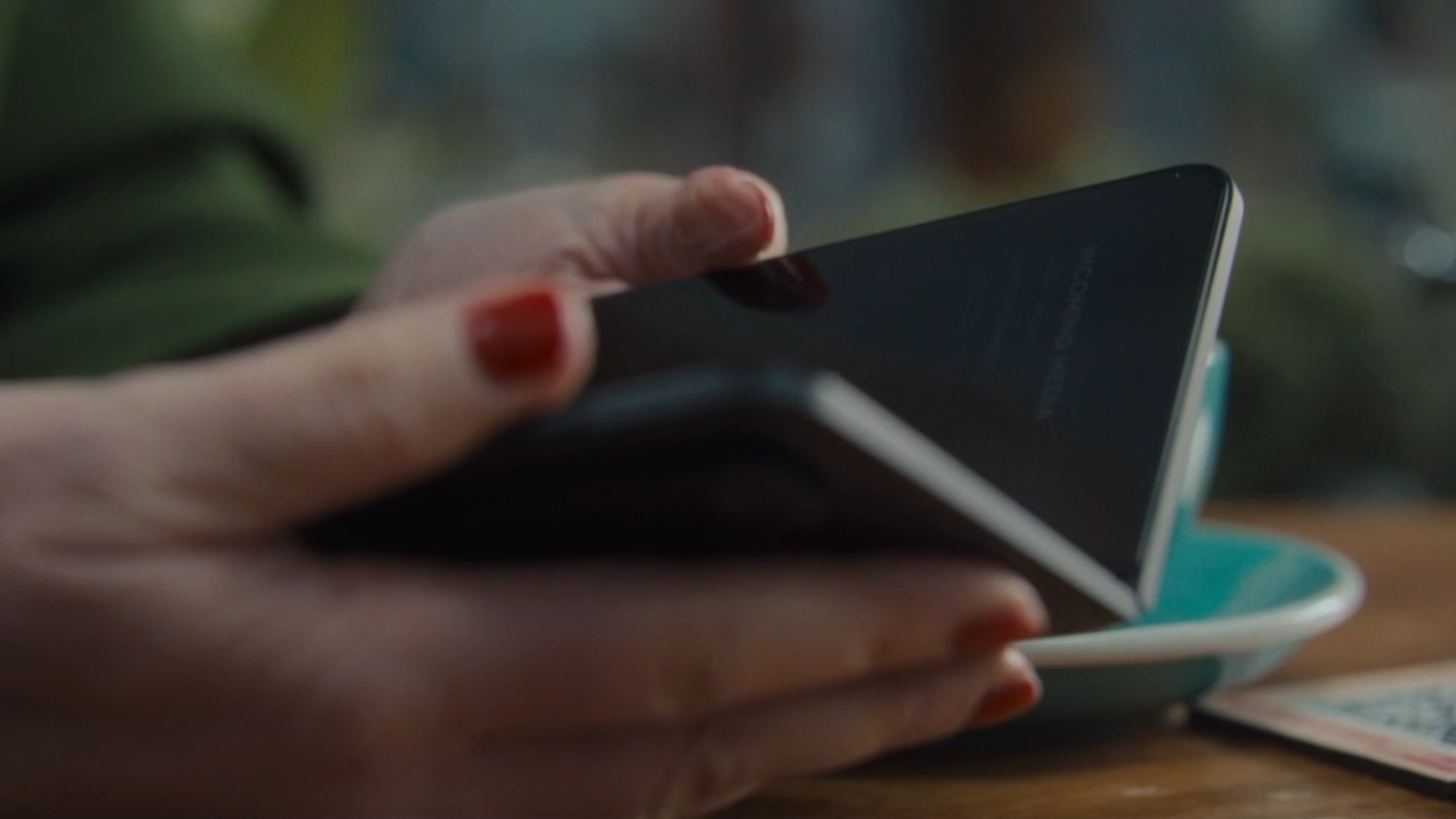
Sadly, we can't dismiss every inconsistency in the series just because it might be intentional, and this one is a stretch.
4. UP - Time Jumps

It does seem like RTD is replaying his greatest hits. If Wild Blue Yonder was his attempt to recapture the feeling of Midnight, then 73 Yards felt like it drew a lot of inspiration from Turn Left. You have an unseen presence stalking the companion at all times, the Doctor being absent from the plot forcing the companion to go it alone, and, of course, time jumps.
I had no idea how far this episode was going to go with this. I was a little surprised to see that Ruby had been alone long enough to justify her leaving the TARDIS behind, but to see her returning fully to her life, especially after losing Carla, was especially painful.
To see Ruby spend her entire lifetime keeping others at a distance, unsure what her goal is and how to achieve it, was rather depressing – but also the kind of story that Doctor Who, by its very nature, doesn't ever get to tell with a companion.
The glimpses we get of Ruby's life without the Doctor, her family, or any support network whatsoever are some of the best in the episode, as she struggles to hold down relationships and instead seems to take comfort in the presence of her constant companion. It very quickly paints a picture of the kind of life she has lived.
3. UP - Thematic Depth

Say what you will about the leaps in logic in this episode (and don't worry, I will), but the storytelling on a more thematic abstract level is among the best in the revival. It's a stunning character piece for Ruby. The throughline for the season as a whole is of course Ruby's parentage and her search for answers, but 73 Yards takes her status as an orphan and goes much deeper.
My read on this episode is that it's about Ruby's fear of abandonment. She's been left alone before, and her greatest fear is that happening to her again – no Doctor, no Carla, no love in her life at all. But more than that, I believe there's a part of her that believes this is her fault, that there's something wrong with her – this is the only way she can justify someone leaving a baby. She's terrified that the others in her life will realise there's something wrong and abandon her too.
When the Woman sends people running, it's not about what she's saying, it's a manifestation of Ruby's fear – the idea that these people could hear something about her that makes her unlovable, that makes them run from her. It's no coincidence, either, that Ruby spends her whole life being haunted by a spirit that turns out to be herself. She's stopping herself from living a normal life.
Ruby hasn't expressed any of this aloud so far, so maybe I'm wrong. Right now, we're analysing subtext – but at least there's actual subtext to analyse!
2. DOWN - The Time Loop

Let's talk about the twist at the end.
After all those years, it's revealed that the spectre that has haunted Ruby is none other than herself – she's in a time loop, and the only way out is to become her own phantom and do it all again in the hopes of warning herself away from the fairy circle.
I'm not exactly sure how this happens, or how Ruby gains occult powers in the process, but that can be hand-waved away to a degree. I'm not the biggest fan of 'magic' as an explanation though. I'm aware that Doctor Who has always had magic under the guise of science, but I'd still prefer stuff like this to be explained with technobabble nonsense than not at all.
What I'm struggling more with, is why this particular time Ruby managed to break the loop. If the Woman was there the first time, this suggests we didn't start on the first loop, but why could Ruby not hear her? What changes this time around? Did the previous Ruby not stop Roger ap Gwilliam? If this is the difference between the timelines, why does the Doctor mention Roger in both versions of the timeline? Is Britain still doomed to elect this guy in the 'main' timeline?
This segues fairly well into my final point...
1. DOWN - Too Many Unanswered Questions

What on Earth did RTD actually answer in this episode? What even happened?
At the end, we don't know where the Doctor has been, how Ruby became herself and travelled back in time, what the status of Roger ap Gwilliam is, who left the fairy circle in the first place, or what Mad Jack actually is. Most frustratingly, we don't know why future Ruby does any of the things she does, or what the goal of the episode was.
While it's frustrating to not know what Ruby was saying to make people run away, I accept it's probably symbolic, as previously mentioned. The bigger question is, why does she do this? Why make everyone run from herself, including her own adoptive mother? Was this a case of getting Ruby to exactly where she needed to be at the right time, with the right knowledge? Either way, this is a point that didn't benefit from being ambiguous.

It seems like RTD saw how much everyone loved the unknown element of the Midnight Entity and tried his luck again, expecting similar results. You have to give us something to go on man!
This episode had 10/10 written all over it. Perhaps it still is, or perhaps the last ten minutes completely dropped the ball and took the lazy way out by not explaining a thing. It entirely depends on how much you enjoy filling in the blanks. I don't know if this is the best thing RTD has ever written, or the biggest case of style over substance in the show's history.
Ask me again in a year.