Doctor Who: 9 Years Retrospective Look At The Ninth Doctor

Nine years on, how does the Ninth Doctor hold up?
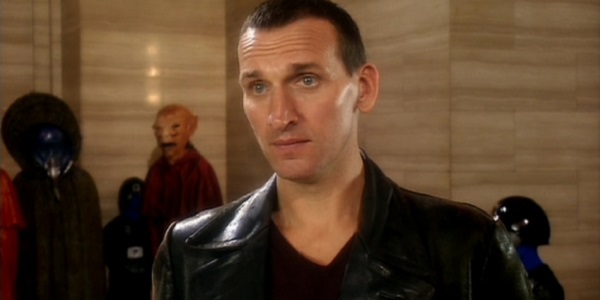
It has come to be somewhat of a fashion amongst the older generation of Doctor Who fans to tell newer converts to make sure they don't 'Skip 9'. As such, 'Skip 9' has become one of the most prevalent memes in the Doctor Who fandom, and rightly so, of course, for Christopher Eccelston's performance in the first series of NuWho is arguably wholly responsible for the modern continuation of the Time Lord's adventures as well as the ongoing success of the modern series, which is now enjoying levels of international success of which it has never experienced before. However, believe it or not but it has now been nine whole years since number the Ninth Doctor left the show and, with the fandom's enduring love for the Tenth Doctor, the undisputable coolness of the Eleventh, and now the grumpy old man called Twelve to boot, the Ninth Doctor is often overlooked - and in some cases even shamelessly forgotten entirely - in celebrations of the modern era. Is his exclusion from the proceedings justified? Or is there much more to this alien with a northern accent (lots of planets have a north!) than first meets the eye? Read on in this retrospective list of the Ninth Doctor's short but sweet era and you'll soon find out...

9. The Time War

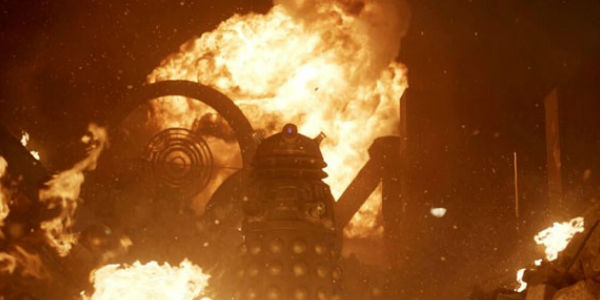
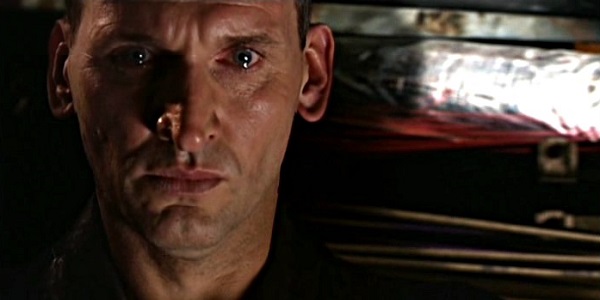
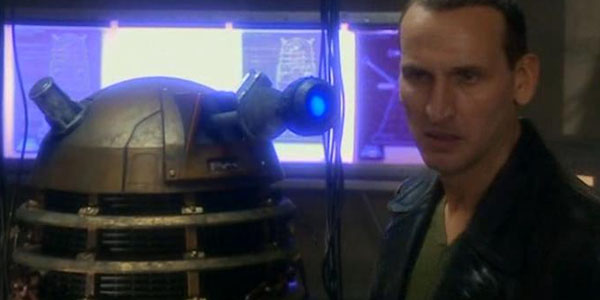
In caveman times (that's 2005 for Doctor Who fans, by the way!), the Time War was dubiously mentioned, yet never really explained. Back then, all fans really knew about it was that there had been a great war between the Time Lords and the Daleks, one which ultimately resulted in the destruction of the Doctor's home planet, Gallifrey, along with the Time Lords and Daleks, too. Pretty climactic stuff, really. As for the Doctor's actual involvement in the war, it was mainly just hinted at throughout Series 1. He had become a bone fide mystery again - a masterstroke by new head writer Russell T Davies. However, in retrospect, that mystery has been all but solved in The Day of the Doctor. Fans now know a lot more about the Time War, and most importantly, that the Doctor didn't really destroy Gallifrey after all. Hurrah! Despite this, the Ninth Doctor doesn't really lose any of his original impact. The scene in Dalek in which the Doctor tortures the weakened metal monster even takes on a whole new meaning with the added knowledge of the 50th anniversary special (and if you've read the book Engines of War even more so). The active hatred that the Ninth Doctor conveyed had never before seen in the titular Time Lord before and it's credit to Eccelston's performance.

8. A Difficult Doctor

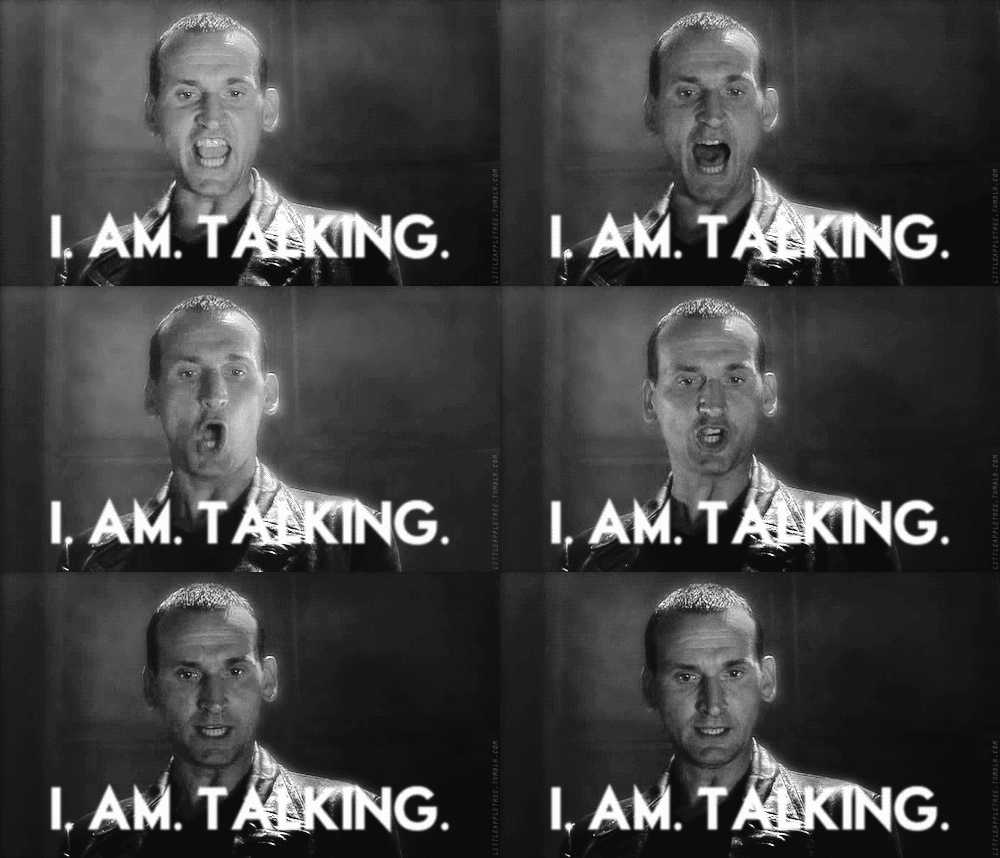
A Difficult Doctor Gif To put it simply, the Ninth Doctor wasn't always the nicest of the Doctors. In fact, he was a sarcastic cynic who did not suffer fools gladly. On more than one occasion he bluntly told the people around him just how little he thought of them. New fans and fans who switched off in the Fifth Doctor's run had no real precedent for this. The people who knew about the Sixth Doctor were more prepared, however, but this Doctor was still a hard sell. The addition of Rose Tyler truly made this work, and through her eyes we saw the man underneath - a man who, despite his misgivings, was trying desperately hard to believe in the universe again. Most recently, we've had a series with Peter Capaldi's anti-social, introspective Doctor, and the Ninth Doctor seems positively cuddly in comparison with the Twelfth Doctor's darker moments, so has the spiky nature of the Ninth Doctor now been diminished? The answer is probably yes and no. The Ninth Doctor is clearly defined now, plus it's much easier for us to forgive him for his outbursts. That's more than can be sad for the Sixth Doctor, who was rude and egotistical simply in his nature. Saying that, the Ninth Doctor's unnecessarily mean-spirited attitude toward Mickey is still somewhat grating, so that, at least, remains intact.

7. A Commoner Companion

While this wasn't an entirely new concept for Doctor Who (see Sarah Jane Smith), Rose Tyler was by far the show's most personally defined companion that fans had, thus far, ever seen. Pretty much by at the end of that first episode, viewers had been told all about her family, her ordinary life, and for the Doctor - who flatly says that he "doesn't do domestic" - this was unchartered waters. This has radically changed. Every companion since has followed suit, none of them lacking in personal life and real-world problems, and it's safe to say that the Doctor now handles it much better than he did with this prototype. Clara in particular is much like an upgraded Rose. She has a boyfriend and a life, but the key difference is that she doesn't drop everything for the Doctor. Rose's family and Mickey are difficult to stand, because Rose obviously puts them second to her travels. They're not unlikable, they're just not handled as well as in later series', which damages the overall product in retrospect.

6. Outfit

In 2005, the Ninth Doctor's outfit was all but revolutionary. The idea of the Doctor, who previously wore the most extraordinary and weird getups, now wearing a minimalist outfit, (with a leather jacket, no less) was brand new. Back then, it was looked down upon by old fans as unnecessary modernization. It was that, to an extent, but it was an outfit that defined the Doctor that wore it, a no frills individual that got the job done efficiently. In 2014, we've had the twin suits of the Tenth Doctor, the old maths teacher tweed jacket with the Eleventh, later becoming a suave purple outfit, but never without the constant accessorizing, and now the Twelfth Doctor with his Crombie jacket and various undershirts. The Twelfth Doctor is most like the Ninth in his attempts at keeping it low-key, (even stating it in Time Heist) and looking back, the leather jacket seems fairly commonplace. The uniqueness is gone, but the effect remains, that this Doctor means business. Your mileage may vary.

5. Effects

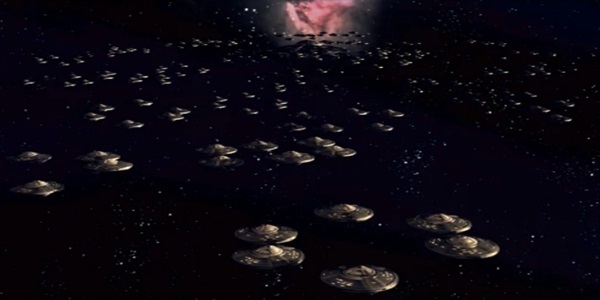
The SFX technology (and the budget to facilitate it) has improved by leaps and bounds in the past decade. Doctor Who has seen this leap and seemingly rode the wave, with its newer episodes looking crisp and even rivaling some movies for the quality of their CGI. As a result of the comparatively small budget of Series 1, however, the animation is sorely lacking in comparison to even Series 2. However, the exterior shots in the final two episodes of the series are magnificent and one of the best reveal shots in the show as a whole. But when then compared to the Classic Series, the production values of Series 1 surpasses what was readily available. Again, the overall mileage may vary, but the series is effective in getting across the images its trying to. It's an inescapable fact that SFX will always age more poorly than most other aspects, but still, that shot of the Dalek saucers is just brilliant.

4. The Worst

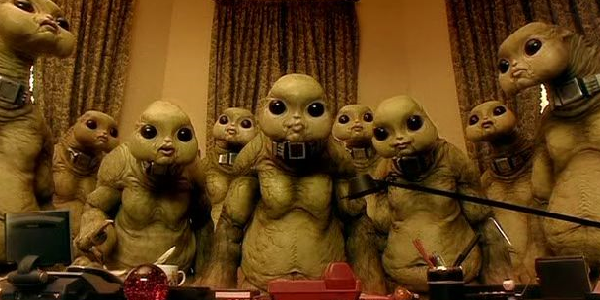
Farting monsters in Doctor Who. Fart jokes in a show with a protagonist who is suffering real world psychological damage from his part in a war that wiped out his entire race and his planet. To paraphrase the Angry Video Game Nerd: "What were they thinking?!" The majority of fans did not care for the Slitheen the first time they appeared on our screens, and, after countless appearances in The Sarah Jane Adventures - in which they are admittedly better suited - they still do not care for them now. In a series where Doctor Who was struggling to regain relevancy, farting, political-grabbing aliens were not the way to do it. This is Absorbaloff-level ridiculousness right here. The only saving grace from this is that it provided a great look into the roles of executioner and victim in Boom Town. The scene, below, in the restaurant is a fantastic example of how good the Doctor Who writing can be. https://www.youtube.com/watch?v=VLZOFZggG4w

3. The Underrated

Rather surprisingly, this is more often that not missed out on Ninth Doctor lists. For a lot of fans, this is right up there with their favorite episodes of Doctor Who as a whole. While the villain is pretty hokey and the parade of aliens can be somewhat off putting, the part that makes the episode so memorable is its glimpses into the Ninth Doctor's soul. Christopher Eccelston is an amazing actor and this episode can certainly vouch for that, in iconic scenes such as him explaining to Rose that he's the last of the Time Lords, or the scene in which Jabe comforts him over the loss of his race. In addition, the latter scene in particular really showcases Murray Gold's amazing Ninth Doctor theme, but more on that later. The stakes of new Doctor Who are well and truly set within this episode. In 2005, it was the new viewers' first adventure in the TARDIS. Today, it's a reminder that nobody is safe when the going gets tough in Doctor Who, and that the ending of The Day of the Doctor with the War Doctor grinning wide as he regenerates was not the end of the story. A happy ending for the Doctor is almost always just out of reach. This episode in particular warrants a revisit.

2. The Music

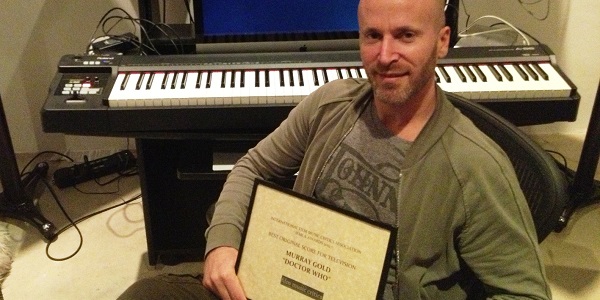
Throughout the revived series, Murray Gold's incidental music has been criticised by some for telling the viewer what to think, but 'The Doctor's Theme', which was also heavily used during the Tenth Doctor's run and more sparingly during the Eleventh's, is quite possibly one of the most tragic and mournful pieces of music ever written. Just see for yourself. https://www.youtube.com/watch?v=GNK291kugdo

1. Overall Script Quality

The final two episodes, Bad Wolf and Parting of the Ways, are commonly placed on Doctor Who's best stories lists, and there is a clear reason. That story in particular is a marvel, and one of the most satisfying regeneration stories, even more so in 2014, knowing the sheer magnitude of the Ninth Doctor's shift from his previous life's warrior ways when he refuses to destroy the Earth. Dalek also shines as being unique in its own way and it's worth the price of admission for the interaction between the Doctor and the Dalek alone. Raxacoricofallipatorious is still lots of fun to say, but the Slitheen two-parter has not managed to age well. However, Boom Town is a lot of fun to watch, and the scene where the spaceship crashes into Big Ben loses none of its shock value. The Long Game was forgettable and Rose's faults have been talked about at length elsewhere, so that's a discussion for another day. Father's Day is still one of the better 'use time travel to save friends/family' episodes, and it really furthers the relationship between the Doctor and Rose. The Unquiet Dead is worth a rewatch and is a blast, especially the scene in which the Doctor finds himself n a carriage with Charles Dickens himself. The prototype for Clara's habit of having meaningful talks with the victim of the week also makes its proper debut here. The End of the World is the definitive episode for anyone looking to see the characterization of the Ninth Doctor laid bare, and no list is complete without the Steven Moffat classic two-parter, The Empty Child and The Doctor Dances. Those episodes have actually gotten better with age and they still possess the power to chill the blood as soon as the child asks, "Are you my mummy?" Overall, the quality of Series 1 is extremely high. Picking up a copy of Series 1 (or your already purchased copy) to watch again is definitely worth your time. What are your thoughts on Series 1 of the revived Doctor Who? What was your favorite episode? Post your comments below.

Contributor
Contributor

Matthew Quayle was born in 1994 in Queensland, Australia. He mostly spends his time watching TV, playing games and being opinionated. Now that he has a job writing at What Culture, he's getting paid to do it too.