Doctor Who Series 12: 10 Huge Questions After Orphan 55
1. Has It All Become A Bit Too Preachy?
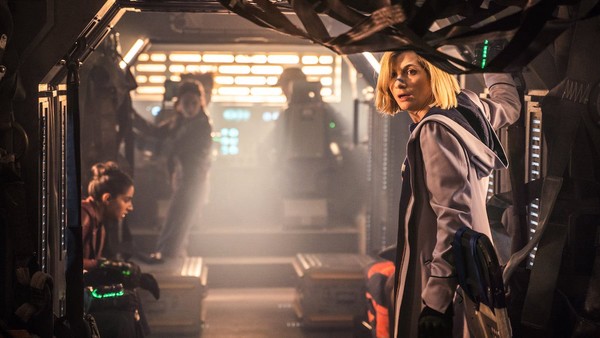
Doctor Who is often at its very best when it tackles a contemporary social or political issue and some of the most memorable speeches by the Doctor have been messages of empowerment and hope. Why then has the internet been full of complaints about the show becoming too preachy and why has this episode in particular brought out the naysayers?
If it is the message itself that is being questioned, then do research and take it up with those who are campaigning for a safer and more sustainable environment, but be sure to have read up on it, because it is hard to argue against the facts. If it is a continuation of the misogynistic dislike of the show’s new lead, then join one of those awful hate groups and moan to each other, but leave the rest of us out of it.
But if you have genuine concerns about the way in which social issues are being tackled in Doctor Who, then it is important to be heard and not labelled.
Doctor Who can be right and spectacularly wrong at the same time, like anything else. It is brave and necessary to tackle potentially controversial issues and has prompted some excellent debate and rethinking, as for instance Rosa and The Demons of the Punjab did last year.
A number of schools used those episodes to good effect. But done shoddily, it can be counterproductive. Even a good episode, like In the Forest of the Night, in tackling some pertinent issues (in that case, children and mental health) can be open to misinterpretation in a field that really matters. And the messages the show gives to younger viewers are so important to get right and be clear about.
In truth, the speech at the end of Orphan 55 is no more preachy that the 12th Doctor’s appeals for kindness and peace. But because of the way the episode was structured, those words lost connection to the immediate events that had played out in the story. The speech broke the fourth wall, even for those who agree with every word of it.