10 Moments That Almost Killed Doctor Who
Like the lead character, Doctor Who has regenerated to avoid death SO many times...

Doctor Who has been a TV institution for more than 60 years, but despite being about a hero who can regenerate time and time again, it's nearly met its end on more than one occasion. The BBC has come close to cancelling Doctor Who more than once – not to mention that time it actually did!
The reasons for these brushes with death are numerous and often complex, whether it's related to viewing figures, or pure costs. It's also a series with a ton of fans, but it has a plethora of detractors too, and that can often work against it.
The following moments nearly tanked Doctor Who forever, but like the Doctor themselves, the series was able to regenerate, and move on to pastures new.
And that's the beauty of Doctor Who. No matter how bad things get, it can always reinvent itself and stride forward – and no doubt it will do that many more times in the future as well...
10. Doctor Who Almost Ends Before It Starts
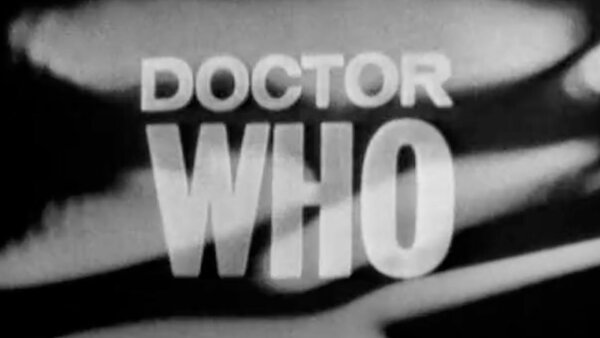
The earliest example of Doctor Who’s near-demise comes before the show had even aired a single episode.
Let’s all travel back to 1963. The Beatles are top of the music charts, Cleopatra is dominating the box-office and it feels like the universe is doing everything it can to stop Doctor Who getting made.
The show's first-ever episode was actually completely scrapped after being recorded, with co-creator Sydney Newman feeling that the Doctor was a bit too unlikeable and the overall pace was too slow.
Meanwhile, the Controller of BBC Television at the time, Donald Baverstock – the man who originally tasked Sydney Newman with creating the teatime family show that would become Doctor Who – was more than a little bit concerned about how much it would cost to bring all of time and space to life.
Initially he agreed that four episodes would be produced, later extending this to 13. That further committment didn't last long however as Baverstock had clearly punched the numbers into an abacus and come to the conclusion that the BBC simply couldn't afford to produce any more Doctor Who.
In October 1963 he sent a memo to the producers which read:
"Such a costly serial is not one that I can afford for this space in this financial year. You should not therefore proceed any further with the production of more than four episodes."
Fortunately after a few crisis meetings and a bit more number-crunching, Doctor Who was given the greenlight (again) when the producers figured out they could make the show a bit more cheaply.
Newman's famous description of Baverstock as "very keen" but "worried about money" certainly sounds accurate, doesn't it?