Money In Star Trek EXPLAINED
5. Phase One
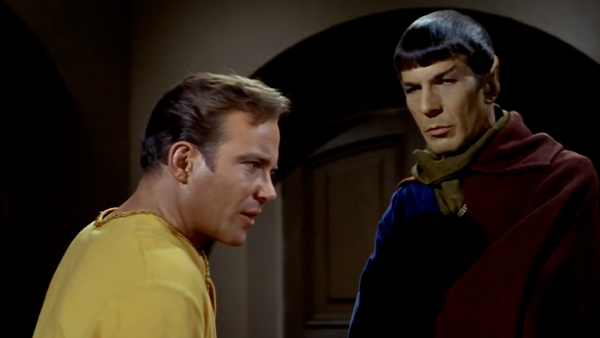
Each iteration of Star Trek has been a product of the environment in which it was produced. Star Trek: The Original Series went through many changes and adjustments from Gene Roddenberry’s original utopian vision, but it still came together to show us a brighter version of the future while highlighting the issues of the day.
Money was specifically mentioned in four different episodes of The Original Series, plus two of the films. Outside of time travel, and one planet that based its society on 1920’s Chicago for whatever reason, there are three references to what can be assumed to be the Federation Credit. In Errand of Mercy and The Trouble with Tribbles, Kirk and Uhura, respectively, make comments that seem to indicate that Starfleet runs on monetary funding and pays its officers in credits as well. The third example from Star Trek III: The Search for Spock is similar, with McCoy stating he has money when negotiating with an alien for passage to the Mutara Sector.
Each of these ideas obviously does not directly reflect what we know of Starfleet’s future, but they were also all written in a time before those ideas had been introduced to the franchise. The real world was still recovering from the Second World War, and it was still deep in the midst of the Cold War. Leaders of the United States and its allies were engaged in combating the spread of communism. This means that The Original Series was made at a time, in the wake of McCarthyism, where being perceived as being in any way supportive of communist ideals could kill a career. For those who don’t know, McCarthyism is named for US Senator Joseph McCarthy. It refers to an intense anti-communist propaganda campaign, as well as the practice of publicly persecuting individuals who had been accused of supporting left-wing ideals. As this was taking place in the US, China and the Soviet Union went through a period of restructuring and conquest.
All of this to say: the struggle between capitalism and communism was inescapable, even in utopian science fiction. It was hard enough just to get the series greenlit in the first place. Centering ideas like the abolition of currency would likely have been dangerous for the show and for Roddenberry himself. But the evolution of Star Trek on screen followed the development of its society in the background.