The Walking Dead: 5 Points On How They Botched The Finale
2. The Cliffhanger
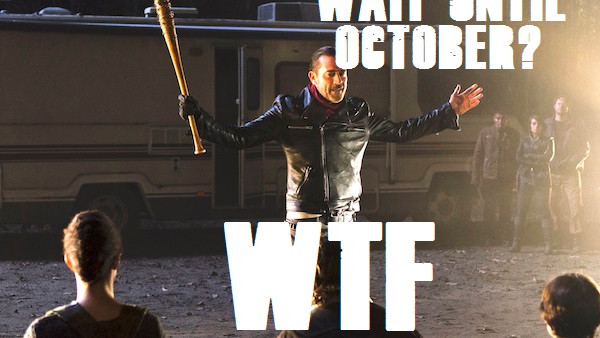
Before the finale aired, the general consensus was that, while there were rumors they’d end with a cliffhanger, most didn't buy it because there was simply no way the show's writers and producers could be so stupid. They couldn't tease the biggest moment of the entire series all season long, only to end it with a big fat question mark. They wouldn't throw away their one shot at a "Red Wedding" moment, a la Game of Thrones.
All they had to do was do the one thing that had been predetermined for years. All they had to do was give the audience the most visceral, disturbing, gut-wrenching moment they'd waited months, maybe years for.
And then, they didn't.
This was the biggest crime, and it was committed against the audience. When they basically crowd-sourced the death of Glenn, leaving the audience hanging for four episodes (and thereby detracting from Here’s Not Here, one of the best episodes the show has ever done), only to find him hiding under a dumpster, they were hammered for it by critics. And rightfully so.
It's a lazy tactic to cover for bad writing. But the main takeaway is that The Walking Dead as a whole either didn't learn from their mistakes, or didn’t care to. Either scenario is equally disturbing.
How can we ever trust The Walking Dead again? What faith equity did the finale build? At this point, they can say whatever they want about the premiere of Season 7. It doesn't matter. The moment is gone, and when Lucille eventually does come down on someone's head, it won't have nearly the emotional impact it was originally intended to have. The focus will shift from a truly terrifying moment to one of pure desire to get a question answered.
Good writing will propel the audience for six months to ask, "What's next?" Not, "Okay, so who's gonna die?"
The rest of the episode was a non-starter. You didn't need to watch it. Nothing of major importance happened that couldn't be explained in a few quick minutes of montage. The vast majority of people tuned in to experience a moment. And when that moment was taken away, what remained was only a realization that we'd all been duped.
That's how you insult an audience. That's how you show them you don't value their time or investment. That’s how you lose credibility.