What The Veronica Mars Kickstarter Really Means
 On March 13th, writer/director Rob Thomas launched the largest Kickstarter campaign in history to support a movie version of his 2005-2007 series Veronica Mars. The show ran on the WB (later the CW), and since its cancellation six years ago, Thomas and lead actress Kristen Bell have publicly supported fans hopes for a continuation of it in some form. Those efforts were coming up empty until now. The WB, which still owns the rights to the Mars property, agreed to allow Thomas and Bell the chance to raise enough money for a film, with the caveat that if the fundraising goal was met, WB Digital Studios would foot the bill for advertising and distribution. In less than 24 hours, the crowd-sourced campaign to fund a film cleared its goal of $2 million and has surpassed the $3 million mark as of this writing. Fans of Mars arent the only ones paying attention to this speeding bullet of a story. The news of a studio-backed film being funded through the Kickstarter platform has raised excitement, ire, and not a few eyebrows in the entertainment community. The sudden debate surrounding this largely unprecedented effort is multifaceted and not a little challenging, for a variety of reasons. As the dust settles, well take a look at what the successful campaign does and does not mean for the parties involved, the fans, and the future of television and film. Hit Next to get started!
Kickstarter and Independent Projects
 First, a quick crash course: Kickstarter.com is a platform site that provides opportunities for the funding of creative projects through a system of all-or-nothing financial backing. Anyone can submit a project, and as long as it meets the sites Project Guidelines, backers can begin pledging donations to it, in return for rewards and perks from project organizers that vary depending on the project itself and donation levels. Launched in 2009, the platform plays host to a wide variety of independent creative projects in all areas of the arts. The keyword here is independent, and some critics were quick to challenge the validity of a studio-backed project like Thomas utilizing a platform like Kickstarter. Admittedly, this is somewhat new territory for crowd-sourced projects. Its the first time that a major studio has promised to support such an effort if it reaches its goal, and such a promise (especially with the dramatic success of the effort) could be seen as detrimental to the very nature of crowd-sourced projects. After all, isnt the real goal of crowd-sourcing to fund creative work that would not otherwise see any possibility of success? The short answer is yes. The longer answer, though, has to take into account that the Veronica Mars film does in fact belong in that previous category of projects with no other possibility of success. Without the support shown through the Kickstarter campaign, the film never would have moved forward. Its possible to argue that Thomas and Bell should have simply funded the movie themselves surely two talented members of Hollywood could have fronted the $2 million necessary, right? Rightbut the catch is a big one: even if the movie had been made on their dime, there was still no way to distribute it widely. A major benefit of this campaigns success will likely be the raising of Kickstarters already fairly high profile. In turn, that may well benefit the other projects that can be found on the site through increased interest in the platform and word-of-mouth concerning different projects that can be found there.
The Fans
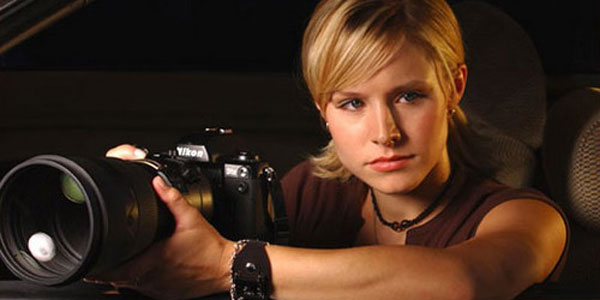 As the old saying goes, patience is a virtue. Very few people know that better than television fans, and among those fans, some of the greatest experts of all are the fans of Veronica Mars. It has been over six years since the cult favorite series was cancelled, and fans have held on to the consistently dimming hope of a movie ever since. Now, that patience and loyalty are looking to be rewarded handsomely. But the campaign isnt exciting just for fans of Mars. TV fans of all stripes are buzzing about the possibilities raised by this success what could it mean for other shows cancelled before their times, like the oft-lamented Firefly, Pushing Daisies, and the like? In short: Not much. The Veronica Mars Kickstarter was in a unique position from the get-go, with established creative and star power behind it, as well as an incredibly strong fanbase with six years of pent-up desire under their belts. This isnt to say that there arent other strong fan communities out there for a variety of shows and projects, because there are. What most of them dont have, and probably wont achieve, however, is the particular blend of audience, behind-the-scenes influence, and promise of distribution that VM was fortunate enough to have in place. Despite this, the success of the Mars effort is an exciting shot in the arm for TV fans, many of whom are (sometimes rightfully) cynical about the state of network programming and the way their favorite shows are treated.
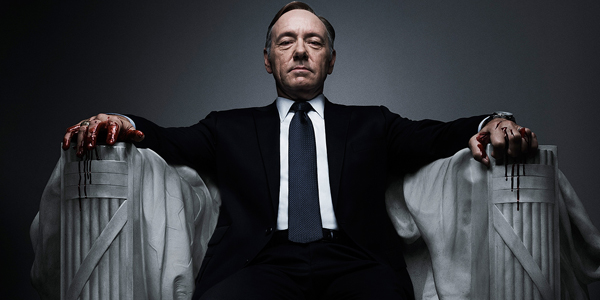 The TV landscape and the way we access that entertainment is changing. Original programming like House of Cards and the upcoming fourth season of Arrested Development are available on Netflix for the first time ever. Web series like Felicia Days The Guild and Jane Espensons Husbands have gained both interest and respect in the internet community. New trends like these are becoming the order of the day, and it may be that Kickstarter campaigns like this one are simply another step in that process. The most exciting opportunity for fans lies not in looking back at cancelled shows but in looking forward to the future of entertainment and storytelling. The advent of internet series and crowd-sourced projects allows for more fanbase input into projects than ever before. This presents a new iteration of the rights and responsibilities debate: sure, viewers can demand the right to watch quality shows, movies, or what have you, and criticize networks or executives for being out of touch when they dont get what they want. Now, though, it is time for fans to put our money where our mouth is. If we want to see more science fiction or fantasy entertainment, we have to find creators who feel the same way and support their efforts. Want more ethnically-diverse storytelling? Seek it out online or through Kickstarter. Better yet, think about doing it yourself! If the VM effort brings anything to light, its that you dont need multimillion dollar budgets or summer-blockbuster style studio backing to tell a great story and find an audience for it. Creators, writers, filmmakers, and artists of all stripes should seize the opportunity to prove that the success of the VM venture is no mere fluke.
The Studios
Its almost paradoxical to claim that a project like the Veronica Mars Kickstarter is a good thing for studios but its true. So how and why is that the case? Obviously, a major factor in any studio decision is money, and a project like VM actually lends itself to posing little financial risk to the studio that takes it on. Heres how things went down in the Veronica Mars case: Rob Thomas wanted to make a movie with his creation, but Warner Brothers still owns the rights to the property and didnt see the financial viability of it which is why it languished in wish-land for so long. Thomas last-ditch effort was to propose a Kickstarter, and after a period of legal wrangling, the idea got the go-ahead from the studio, with these stipulations: if, and only if, Thomas crowd-sourcing effort could raise the $2 million required, Warner Brothers Digital would handle marketing and distribution for the finished product a situation that translates into a win-win for WB. Had the project failed, the studio lost nothing, and with its success, they save the production costs and gain positive PR. In the realm of potentiality, the success of this crowd-funded project might actually benefit studios by showing them that certain risks come with guaranteed benefits. What I mean is this: as weve established, the Veronica Mars project was relatively low-risk for Warner Brothers. It may be a small-scale project compared to many of the studios other offerings, but the WB is also virtually guaranteed a strong return relative to their investment. It makes sense that fans who pledged anywhere from $25 and up to get the movie started will shell out for theater tickets and DVD copies as well, so the trade-off is simple: a smaller, niche audience, sure, but one that is for all intents and purposes locked in from the get-go. What this means for the future in terms of studio filmmaking is really and truly anyones guess. It may be that Veronica Mars is the only property to get this treatment, but odds are that wont be the case. If nothing else, the project has to have gotten studio executives thinking, and as time goes on we may find that it has opened new doors in terms of the business model studios have when it comes to niche projects like this and thats a good thing.
Looking To The Future
 Eventually, the hype surrounding Veronica Mars surprising success will die down thats just how things work. The opportunities and changes it might precipitate in entertainment, though, will last much longer no matter what forms they take. The Veronica Mars Movie project probably wont be as great a game-changer as some hope it will be. We wont wake up tomorrow and find announcements about half-a-dozen defunct TV shows or movie franchises being revived through the Kickstarter platform. But neither can it be dismissed as unimportant or uninteresting. Rob Thomas successful project is a fascinating example of the changes in media and creative presentation that precipitated it, and an engine to foster discussion and debate about what comes next. What do you think of the Veronica Mars Kickstarter and my ideas about it? Agree? Disagree? Sound off in the comments section below!