10 Problems Only Wrestling Managers Will Understand

I have to get THIS guy over!?

It's unusual for things to be written from a purely first person perspective on WhatCulture.com, but I perform as the manager 'James R. Kennedy' for Insane Championship Wrestling. My character - one of a wealthy background who uses that money to hurt others - is influenced by all the greats, from Bobby 'The Brain Heenan and Jim Cornette, to Paul Heyman and J.J Dillon. Obviously, I have a long way to go before I even deserve to be mentioned alongside those men, but they were the inspiration for causing me to pursue my childhood dream of becoming a wrestling manager. Throughout my time in ICW, I've been lucky enough to work with some unbelievable talents. Many of these men have wrestled across the globe, and their wealth of experience has been eye-opening for me. As any manager knows however, the very position comes with its own range of problems. Those troubles are explored in this article, and they're not exclusive to my own work. Not all of these problems are ones personally experienced by me, but they are ones most common for the wrestling manager. For that reason, there will be numerous examples from my performances scattered throughout, mainly to provide key experience context. I've always maintained that my place is to help wrestlers get over with the crowd and ensure the spotlight is on them, but circumstances can make that difficult on occasion.


10. Do You Go Out Before Your Wrestler(s) Or Not?

Pro wrestling managers face a never-ending battle against their own performance, even before they step through the curtain. The main task of a manager or valet is to enhance the character of the wrestler or group they're representing. That should never change, but it does raise one very interesting point. Namely, who goes through the curtain first? Is it wrestler, or is it manager? On the surface, this one is easy, because the wrestler is the one doing most of the work. Therefore, should the manager simply be pleased to be associated with them? Many wrestlers like to go in front of the live crowd first, which is entirely understandable. In ICW, the grapplers are actually quite accommodating with this, recognising that the choice is contextual. There have been occasions when James R. Kennedy has went out first, holding the curtain for his charge. Sometimes, that makes sense, but there's always that niggling thought in the back of a manager's mind that they're stealing the spotlight from the wrestler. That's one thing managers are asked never to try and do, so even the most simple of decisions becomes a maddening battle.

9. Constantly Having To Run Away And Act Cowardly

Most managers are heels, that's just the way it is. There have been exceptions, such as Paul Heyman's recent work as Brock Lesnar's 'Advocate'. Recently, Heyman has started to become more of a babyface, but it's not through his own doing. Fans simply enjoy his work to such a degree that they want to feel part of it, which is wholly logical. This doesn't change the fact that Paul Heyman must still act like the biggest coward on the planet. There's no getting round it, managers aren't really there to do anything noble or brave. Instead, they exist as almost a halfway house between fan and wrestler. Not as physically imposing as a wrestler, managers won't be able to come out on top in a face-to-face confrontation. This means running away, and lots of it. Often, this doesn't even make much sense, but it does fit into that ongoing fight to make pro wrestlers appear somewhat superhuman. After all, if that non-wrestling manager can beat them up, why should fans believe that they couldn't? It's a fine line, but managers are consistently asked to beg off and try to get out of harms way.

8. Fans Think They Can Put Their Hands On You

As aforementioned, managers exist in that weird 'no man's land' between wrestling fan and in-ring performer. Managers are still very much part of the show, but that doesn't stop people around ringside from feeling there's more freedom for physical interaction with them. There have been countless examples of managers being slapped, their ears flicked, or pushed by fans. To a certain degree, there's nothing wrong with this. The problem starts when exploring just how much these ringside villains are expected to take. During an ICW show in Newcastle, James R. Kennedy found himself in the unenviable position of causing someone to vault the barrier and attempt to legitimately attack. Before the punter decided on the crazy, there had been nothing more than verbal banter back and forth. Would that fan have attempted to ambush a wrestler? Possibly, but they would certainly think twice about it. That's because there's more of a perceived threat of getting hurt. Meanwhile, with a manager, there's more of a chance that the fan will be able to physically match up to them. For that very reason, there will always be those wrestling fans who deem it acceptable to lash out at managers.

7. Fans Claiming That You Block Their View Of The Ring
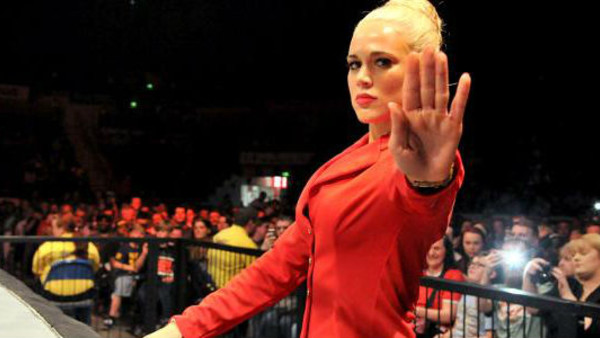
A major problem with ringside managers is that they're rarely inside the ring. Instead, managers are camped around the outskirts of the canvas, something which greatly irks a certain breed of grappling enthusiast. Even though managers are assuredly part of the action, despite their positioning, there are those people who believe they get in the way of the match. It's not uncommon for managers to hear the phrase, "Get out of the bloody way" when patrolling the ringside area. Watching older veterans such as Bobby Heenan and Jim Cornette, they would often position themselves in one of the corners, so that they restricted as little of the ring as possible. This comes with its own trials and tribulations, because a manager can't simply stand there like a dummy. No, the second has to rile up the crowd during slow portions of the match. During a 'double down' (a spot when both wrestlers are on their backs) for example, it's easy for the crowds attention to lull. That's because there's nothing of note happening inside the ring. At that point, a manager can be vital. Even though he/she may appear to be obstructing someone's view, there's nowhere else for them to really go. The ring is often off limits, so the ringside area is their work station.

6. Criticised For Bumping 'Like A Wrestler'
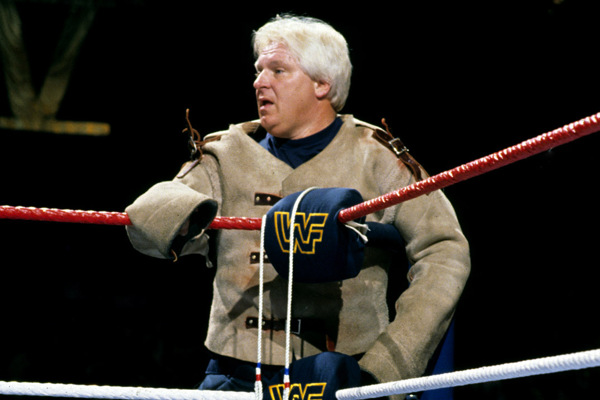
Before he was a solely a manager, Bobby 'The Brain' Heenan was also a professional wrestler. Pre-WWF, Heenan worked extensively for the AWA. Yes, he did manage early in his career, but Bobby also stepped foot between the ropes and grappled. According to the likes of Hulk Hogan, he was pretty damn good at it too. Why then was he criticised by some fans for bumping 'like a wrestler' in the WWF? In numerous show reviews, the writer will talk about how clean and crisp Heenan's bumps looked. Often, this is marked down as a criticism. There's a simple explanation for this, he knew how to wrestle and bump properly. It's difficult for managers to know where to draw the line. When a heel valet finally gets their comeuppance, there's a decision to make. Managers either sprawl across the ring awkwardly, or they take bumps professionally. It's a tough choice, because managers will be denigrated for doing both. If they don't bump 'properly', some people feel it looks unsafe and clumsy. If they do, it takes away from the fact that they're a manager, not a wrestler. This dilemma is a hard one to solve, because it's really up to personal opinion.

5. The Referee Forgets About Your Planned Interference

In a perfect world, everybody who is part of a wrestling show should be working together. To the credit of the referees in ICW, there haven't been too many occasions when James R. Kennedy suffers from a lack of communication. Before matches, those men in stripes make sure they have everything in their heads. After all, they want everything to run without a hitch too. Sadly, there are occasions when things don't go quite to plan. Maybe things changed last minute, and the referee hasn't been informed of a manager's scheduled interference. There's nothing worse than when a ref catches a manager when they're not supposed to, and ruins the heat of the match. It can take wrestlers a while to build that drama back up again, making their jobs harder. It's not all the referee's fault either, the manager must take some portion of the blame. Perhaps their positioning is off, and they're obviously in line of sight of the referee. Whomever is to blame, it's a problem, and it's one that can really hamper performance. The general idea of a heel manager interfering is to build resentment on the heel wrestler, who needs that manager to butt in on his/her behalf.

4. Feeling Inadequate Next To Wrestlers Who Can Talk

Bobby 'The Brain' Heenan likely didn't feel inadequate when he managed 'Nature Boy' Ric Flair. Despite the fact that Flair is one of the greatest promo men in the history of the industry, Heenan's experience enabled him to sidestep a potential banana skin to his character. Instead of looking out of his depth, Bobby looked smug and comfortable, which deserves credit. That's not something James R. Kennedy can claim. Before working with Joe Hendry, the manager worked with several wrestlers who either hadn't found their feet yet on the microphone, or simply didn't feel comfortable talking in front of a crowd. That makes a manager's job relatively easy, because they get to do all the talking. With Hendry, things were different, and it came as a shock. The entire experience was a real learning curve. Joe Hendry is perhaps one of the fastest rising stars in British wrestling today. Not only has he improved vastly in the ring, he's also a very accomplished talker. His delivery is excellent, and his speaking voice clear. There's not much a manager can add to his act, which makes things difficult. There are few things more confidence-shattering than feeling your position isn't essential.

3. Your Position Being Overlooked As Important
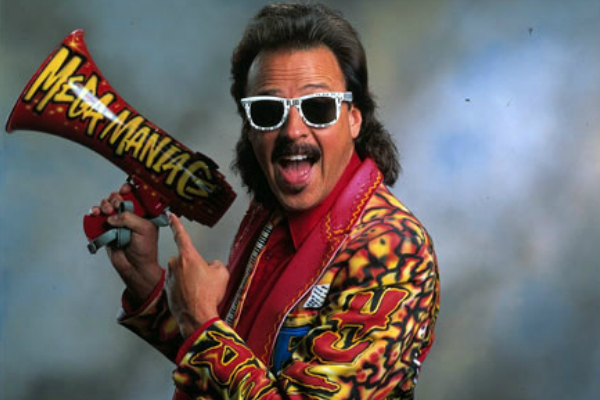
That leads things nicely on to the next point, one which has been a huge debate amongst wrestling fans for years. Just how important is the role of the wrestling manager? In the 1980's and early-90's, the WWF was festooned with countless managers, and they were deemed critical. Indeed, it was a compliment to a wrestler if they were placed with the likes of Bobby Heenan or Jimmy Hart. Later in WCW, Hart managed Hulk Hogan, and a lot of fans didn't really see the purpose. After all, this was Hulk Hogan, not some newcomer to the wrestling world. It must have been really difficult for Jimmy to explain away his role in the company, which is likely why it was revealed recently that Hulk paid a part of the man's salary to keep him employed by WCW. For years, WWE didn't really favour the role of the manager. All of a sudden, promo-giving managers were replaced by female valets, there to look good more than anything else. This all had a purpose, but it wasn't until Paul Heyman returned to WWE that the wrestling manager has been heralded again.

2. The Wrestler You're With Doesn't Want A Manager
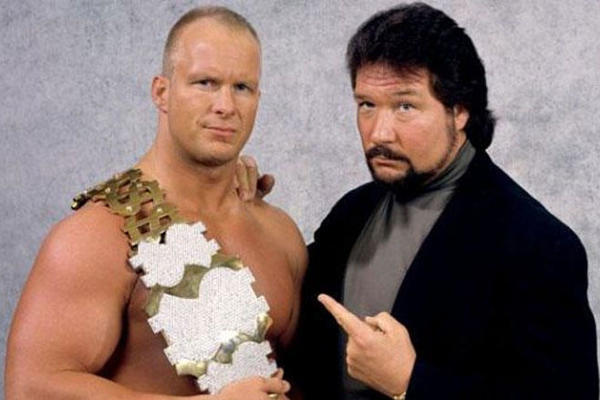
When a wrestler declares that they don't want a manager, it's hard to stomach if you are one. This is something that simply must be conquered mentally, not every in-ring performer needs a manager. That's just a fact of the industry, there are those wrestlers who neither want nor need someone to back them up or cut promos for them. Maybe it doesn't suit their character, or perhaps it doesn't fit in with how they want to perform. The 'Million Dollar Man' Ted DiBiase was far better known to the WWF fans than lowly Steve Austin in 1995. A superb talker, DiBiase would have been cherished by many wrestlers. That didn't change the fact that Austin didn't want a manager. This wasn't a slight on DiBiase whatsoever, the future 'Stone Cold' merely wished to make his own path and talk for himself. It's hard not to take this personally, because managers always have a chip on their shoulder. At the end of the day, managers can rarely wrestle full matches, so they protect their strengths without question. One of those strengths is the ability to get wrestlers over and speak for them. When that's discarded as unnecessary, it can be hard to comprehend.

1. Being Expected To Work Miracles With Poor Talents

Joe Hennig is not a poor professional wrestler. In fact, he's actually pretty accomplished inside the ring. However - as Curtis Axel - he's certainly not the most must-see star on the WWE roster. Credit to WWE, they really tried with the guy, even going so far as to install Paul Heyman as his manager in 2013. The idea didn't pan out, but there was method to the madness. Unfortunately, the association did nothing for Heyman as a manager. This is not an isolated case. When Bobby Heenan was handed Terry Taylor, he later remarked that he wondered if management felt he was capable of working miracles. Again, Taylor was a solid wrestler, but he didn't have that intangible star quality burning just beneath the surface, waiting to be developed. This is something many managers fall victim to. If it's found that they can talk effectively and get wrestlers over a little more than they would on their own, people start thinking they must be able to do that with anybody. The wrestler/manager relationship is a two-way street, each party has to bring their own individual qualities to the dance. That's how things progress, not simply by shunting someone in a manager's direction and saying, 'here, you sort them out!'. What other common problems do you think pro wrestling managers face? What do you make of the entries listed here? Let us know your thoughts down in the comments section below!

In this post: 
Bobby Heenan
 
Posted On: 
Contributor

Lifelong wrestling, video game, music and sports obsessive who has been writing about his passions since childhood. Jamie started writing for WhatCulture in 2013, and has contributed thousands of articles and YouTube videos since then. He cut his teeth penning published pieces for top UK and European wrestling read Fighting Spirit Magazine (FSM), and also has extensive experience working within the wrestling biz as a manager and commentator for promotions like ICW on WWE Network and WCPW/Defiant since 2010. Further, Jamie also hosted the old Ministry Of Slam podcast, and has interviewed everyone from Steve Austin and Shawn Michaels to Bret Hart and Trish Stratus.