10 Ways To Successfully Build A WWE Babyface

It's not easy, but it's not as hard as the WWE makes it look either.
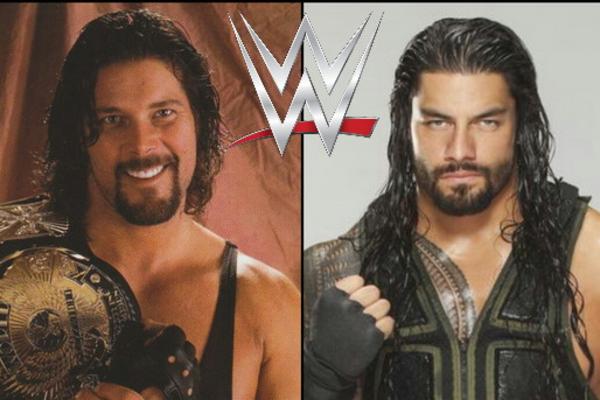
Men wanna be them, women wanna be with them. A babyface is, of course, wrestlespeak for "good guy". The basic foundation of professional wrestling has been the same for years: good vs. bad, heroes vs. villains, babyfaces vs. heels. The characteristics of these roles have, however, changed over time. What made someone "good" in 1985 might have gotten them booed out of the building or turned "bad" by 1996, but the basic story remained the same. There were superstars on one side of the fence and there were opponents on the other side, diametrically opposed forces doing battle inside of a squared circle. Over the past several years, WWE have struggled mightily to create new babyface stars, a notable recent example being Roman Reigns. Vince McMahon, the writing team and other decision makers in the company have bungled this effort enormously by making numerous illogical decisions, highlighting Reigns' weaknesses, and employing additional egregiously poor strategies in an attempt to establish Roman as the company's top babyface performer. It didn't just start with the former Shield member, though, and it isn't limited to the top spot. Whether it was Lex Luger, Diesel, Ryback, Alberto Del Rio or The Miz, WWE have been failing miserably for many years to successfully build babyface characters at all positions of the card. There are several ways to create a new babyface superstar, and several things to avoid in order to ensure success. The WWE would be wise to review these ten crucial elements for creating a successful babyface in the modern era, as it has become painfully obvious to anyone who watches the product that WWE are clearly lost when it comes to this area.

10. Stop Pandering To The Local City
Babyfaces can have many different character traits such as being charming, hard-working, loyal, good-looking, an underdog, a bad-ass, or (the only ones WWE seems to remember) funny or cool. With that said, the transparent, ass-kissing nature displayed by WWE's top babyfaces on nearly every RAW is vomit-inducing and just plain awful to watch. Every month, it seems, the television audience is forced to watch superstars constantly pandering to whatever city RAW is in that week. With no legitimate ties to the city, the sports teams or local celebrities, this sycophantic behaviour from supposed "good guys" is as deep as the foam on the ring mat they stand. The minute RAW goes off the air, they're on to the next city where they'll act in the same fake manner. And when you think about the pattern the WWE has exhibited over the years in terms of their preferred target audience (the television viewer vs. the local crowd), it becomes even more mind-boggling. The WWE has always catered their product to the more substantial television audience of millions as opposed to the crowd of thousands in the building. It's the reason house shows were often treated as if they never happened and how, unofficially, WWE canon was only what made it on television. So why on Earth do WWE continue to have the babyfaces falsely pamper the live crowd when it changes every night (often at the expense of other cities' fans), instead of removing this cheap pop opportunity and with it, the risk of alienating their millions of television viewers? The reliance on cheap pops is exactly that - cheap - and not exactly a redeeming quality for a babyface to exhibit. An endearing good guy doesn't go around shouting the name of the city, acting like it's their favorite place, temporarily rooting for their sports teams just because that's where they are at currently (and not by choice) only to say the same things and take the same attitude the next week in a totally different city. That type of behaviour is so disingenuous and unbelievably phoney that it is more in line with the behaviour of a heel.

9. Represent Their Hometown

Pop quiz: how many superstars' and divas' hometowns can you name? How many of those wrestlers actually incorporate it into their act/gimmick? The answer is not nearly enough. While it may be foolish for a character with no ties to the local town to act as if it's their favorite place every single week, a bigger emphasis should be put on superstars' and divas' hometowns. The best example of how this works, when done right, is CM Punk. At Punk's peak, the Chicago shows were the hottest of the year and Punk came off as a megastar due to the rabid reactions of the Chicago fanbase. While not every town is as good a wrestling town as Chicago, a legitimate hometown hero goes a long way in terms of crowd reactions and, more importantly, selling tickets. More talents should speak openly about their hometowns and weave it into the fabric of their character. Whether it's their place of birth, their current home city, or even their favorite city, a legitimate locale that is tied to a wrestler should always result in a positive reaction when the WWE inevitably puts on a show there. When RAW is in a city with a hot audience, the show always feels better and if the crowd is hot for a certain character, that wrestler is perceived as a bigger star. The WWE needs all the help it can get in terms of making their talents feel like true superstars, and a local crowd who is proudly supporting their hometown hero will tell the home audience that this person is a big deal. A crucial element of being a successful good guy is connecting with the audience and one easy way to get that party started is by embracing the character's hometown.

8. Social Media: Less Is More

Like it or not, social media is an important part of most businesses today and WWE are no different. Long gone are the days when your favorite superstars felt like they were forever unreachable, shrouded in mystery and off doing who-knows-what in Parts Unknown. Nowadays, most WWE superstars are just a search field box away. The social media world has created some divides that would simply not have existed had this form of communication not existed as there are way too many people who use the forum to spew hatred and negativity. As it is, this is the world we all live in but, at least for some superstars, less social media activity is definitely more. How many times have we seen talents get themselves into trouble because of their (mis)use of social media or because they said something they shouldn't have? Too many to count, and guess what? It's going to continue to happen. But I'm not even speaking about that so much as I am the frequent usage in which the audience gets to see and learn more about the person sending the Tweets. For as much as it is meant to connect individuals, the social media empire is great for creating a divide. It also runs the risk of pulling the curtain back a little too much and breaking down the barrier that once protected a superstar as being larger-than-life. The WWE promotes Superstars. The use of social media as a promotional tool is one thing, but the talents are better off keeping an air of mystery around them and acting like a true superstar than by letting the world know just how normal they really are.

7. Don't Look To The Crowd

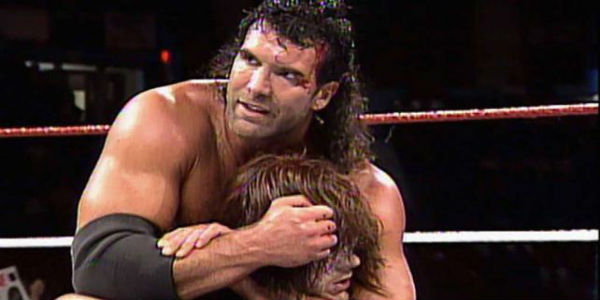
Wrestlers are positioned as superstars and shouldn't need the audience's advice or approval throughout the entirety of a match. Constantly looking out to the crowd can come off as lacking confidence, being confused or, worse, looking stupid and unfocused - none of which are admirable qualities. Nor should they be part of a babyface's makeup, unless they're being used strictly to elevate others (read: jobber). Scott Hall, the man behind the Razor Ramon character is, without question, one of the smartest minds that has ever been part of the professional wrestling business. One of the things Scott has discussed in various interviews is the belief that wrestlers shouldn't play to the fans too much. For the most part, he has said, do your thing and don't look to them for approval or adulation. So many wrestlers ignore this advice that it is likely they are being coached to do the opposite. How many times do we see talents look to the fans before, during or after a match? Sometimes it's inevitable: working the hard camera, trying to rile up a dead crowd, attempting to elicit a response. All these things require some form of interaction with the fans, but go back and watch Razor Ramon matches and you will see two things. First off, the guy was over and secondly, he paid little attention to the fans. This was important because there came a time when Razor did look to the fans - maybe it was a quick shrug or to signal a move - but when he did, the fans reacted in a big way. Had Hall always been looking to the audience for affirmation, he wouldn't have been as effective when he finally did decide to use that tool. It's a small thing, but it goes a long way. If the audience is to believe in a star, the wrestler needs to act like a star and not beg for the love of the fans.

6. Break The Mould

Today's professional wrestlers (or sports entertainers if you will) have become so formulaic and reliant on formula. Everything from the entrance to the promos all have the same paint-by-numbers feeling, and are only slightly tweaked from one talent to the next. Take a look at your typical entrance for an NXT superstar. The first chord of the music plays and within seconds the talent appears on stage - what do they do next? Usually, they do a little pose or sequence on the top of the stage/front of the curtain before making their way to the ring. They all then have their own "unique" way of entering the ring. Once they're in the ring, they'll do another "unique" pose/sequence/dance that will come to be part of their identity. While none of these nuances are exactly the same, the mass production of this type of wrestler-schematic is far from "unique". Breaking away from this method would actually mean that they are more likely to be more noticed, and supported, by the fans watching. There are reasons for WWE doing things this way and they are, admittedly, not without their benefits. WWE can continue this approach, along with the in-ring style and interview format ('My name is...'), with the talent that needs a crutch, but for the stars you want to push as super babyfaces? Allow them the freedom to NOT follow the pack, allow the superstars to go off-script, give them the opportunity to shine, to break the mould. Anything to make the character stand out, if executed properly, should result in the viewers supporting this fresh new superstar.

5. Entrance Music

Returning to the aforementioned Scott Hall/Razor Ramon, another thing that helped him get over was his look and his entrance music. Hall has told the story about his buddy Kevin Nash telling Razor the reason why his character would get over was simple: "You got cool ring music", Nash told the Bad Guy. Nash was likely half-joking when he said it, but he's got a point. Entrance music matters. The cooler the music, the bigger the star, or so it is perceived. The best stars will get over without a good theme song (read: Daniel Bryan), but isn't the job of the WWE to help position their talents to succeed? It starts with the first impression, and that's the music. Think of some of the best entrance music over the years: The nWo, D-Generation X, Chris Jericho, Stone Cold Steve Austin, Bret Hart. All of them were major components of the character's identity and, though they may have been big time heels at certain points, all of these names had some of the largest fan support in wrestling history. The difficulty comes with the fact that WWE haven't always had their finger on the pulse of what's hip. They like to think they do, but more often than not the company is late to the party when it comes to what's cool in pop culture and that includes music. A good entrance sound sets the tone for the character and if fans are going to cheer for the superstar being presented, they have to like their theme song.

4. Ring Attire

Like the wrestler's theme, entrance gear and ring attire chosen by a superstar or diva are incredibly important parts of a wrestler's presentation. It's the first impression that the superstar gives the audience and if it makes fans cringe, laugh or question whether the talent owns a mirror, they're in deep trouble. It's hard to come back from a comedy character or being perceived as a joke, and the wrestler's choice of attire goes a long way in telling the audience who they are and how seriously they should be taken. Bad gear can kill a character. Ask Aldo Montoya or Dean Douglas, or modern acts like Los Matadores or The Ascension how important an outfit is. If rumors are to be believed, Triple H himself has said that "main eventers wear trunks", meaning the small, brief, underwear-style wrestling gear that The Game, along with other legends like Ric Flair, Hulk Hogan, Steve Austin and The Rock, prefers. While that particular theory has many holes, it is important to put an emphasis on the wrestler's appearance and informing them that the wrong look can sink a guy. It's not always a death knell but, at the very least, it can be a big setback on the path to babyface stardom.

3. Establish A Good Finisher

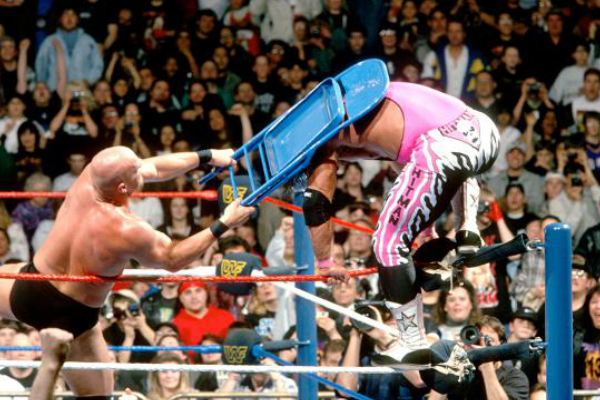
Pop quiz time again: name three current finishing moves that a wrestler has yet to kick out of? Like many other aspects of building a successful good guy, a good finisher is an absolute must. Before strong babyfaces were an endangered species, moves like the Tombstone, Sharpshooter, Jackknife powerbomb, Running Powerslam, Doomsday Device, and DDT were among the biggest part of wrestlers' identities. Today, there are few true finishes which when executed once actually end the match, and it's not coincidence that there are equally few babyfaces. The shame of it is that some of the moves performed today look ten times more vicious than anything from past generations. It would be easy to sell any number of moves as a finish, but WWE chooses not to protect these moves. Ever since WrestleMania XV, kicking out of an opponent's finish has become an unofficial staple in "WWE Main Event" style and it's long past time to re-establish the finishing move. It's a huge part of a character's integrity, but if the agents and/or talents themselves are constantly directing kickouts of finishers, they are killing themselves. For example, seeing Neville's amazing Red Arrow delivered every Monday night diminishes its special effect, and a kickout after two just about kills the move altogether and for what? A throwaway match between two mid-carders spinning their wheels that no one will remember in two weeks? To illustrate how times have changed, look at the main event of SummerSlam '97, the first and only time in the WWF that somebody had broken out of Bret Hart's Sharpshooter. In his book, Bret said he respected The Undertaker so much that he wanted to give him that spot, and it worked because it was such a rare occurrence. Even though The Undertaker lost the title to Bret that night, he accomplished something no one had EVER done throughout Bret's entire six year run as a singles competitor to that point. It can be argued that, due to the rarity, that moment was as big as the match's finish, but moments like that don't happen anymore. A legit finisher used to carry so much weight and really helped create babyface stars that not resurrecting that element of pro-wrestling would be a sin.

2. Win More Than Lose

Nobody cheers for a loser. The worst team in the league doesn't have a bandwagon. It doesn't take any superior skill or effort to win as often as you lose. It takes even less talent to lose more than you win. People don't pay to see mediocrity. Think of some of the biggest draws in sports and entertainment history: Elvis, The Beatles, Muhammad Ali, Michael Jackson, Mike Tyson, Madonna, Hulk Hogan, Steve Austin, Ronda Rousey. Did they have more hits or misses? More victories or defeats? Those acts were true superstars and true superstars sell tickets. That's what people want to see, and that's what the WWE doesn't do with their performers. It would almost make more sense if the WWE promoted shoot fights because they wouldn't be working the outcome, but when you are able to book the winners, why is it that no one stands out? Why does the WWE think they can attract a bigger audience by utilizing the 50/50 booking style they've employed for far too long (where talents win 50% of the time, and lose 50% of the time)?. WWE needs to go back to putting the appropriate value on wins over losses. This isn't to say that talents can't benefit from certain matches where they lose and it also doesn't mean that this is the only way to get a babyface over. But no babyface becomes a star by being booked to lose half the time. Tyson didn't sell out arenas because of his .500 record and Elvis didn't get the title of "The King" by releasing albums without hits. WWE knows this but they try to sell the opposite to their fans and talents, and it's bulls***. It's bulls*** because when they really do want to get someone over, they suddenly remember how it works. Roman Reigns, Ryback and Cena are all examples of superstars that were protected by having very few (if any) losses during their biggest push. There's a reason why Triple H, when he was a full-time wrestler, was said to only be concerned with whether or not he was going over. Don't be fooled: wins definitely matter and the WWE knows they do.

1. Start As A Heel

During his February 2015 appearance on the Stone Cold Podcast, Triple H accurately stated that the hardest thing to do is to make someone a good guy. It has become painfully obvious that it's easier to be a heel than it is a babyface in professional wrestling today. A good heel who tries to get heat may be a lost art these days, but it is still easier than succeeding as a genuine, beloved babyface. The wrestling audience today is a tonne smarter than they used to be and they have higher standards for whom they cheer and why. The general audience still can (and often want to) be fooled, but it takes a little more of an effort from the talents and the booker. Couple that with the anti-culture of cheering the heels and booing the faces and the road to becoming a successful good guy becomes clearer: start as a heel. Think of some of the biggest faces of the past twenty years and how they got their push: The Undertaker, Shawn Michaels, Stone Cold, The Rock, CM Punk, Daniel Bryan, Brock Lesnar all did their job as heels so well that the company was forced to turn them babyface because of the crowd support and babyface reactions they were getting. More recently, there has been a groundswell of support for several talents while they were heels: Dolph Ziggler, Cesaro, Bad News Barrett, and Kevin Owens to name but a few examples. But unquestionably, the most over act in the WWE today is the New Day and when they were positioned as babyfaces at first, how did that turn out? Once they were turned heel, they took off. It really makes you wonder why the WWE hasn't utilized this strategy more often. Given the lack of success that the company has had with booking massive, overwhelming support for Roman Reigns, a change in their approach is long overdue. Simply put, when it comes to building new fan-favorites, the WWE has no idea what they are doing. From top to bottom, the company needs to scrap their old ways of how to build babyface stars and update them with practices that work in the context of today's wrestling world.

Contributor
Contributor

A former stuntman for Paramount Pictures, Matt enjoys sports, water skiing, driving fast, the beach, professional wrestling, technology, and scotch. At the same time, whenever possible. Having attended many famous (and infamous) shows including WrestleMania XV, In Your House: Mind Games, and the 1995 King of the Ring, Matt has been a lifelong professional sports and wrestling fan. Matt's been mentioned in numerous wrestling podcasts including the Steve Austin Show: Unleashed, Talk Is Jericho, and Something To Wrestle With Bruce Prichard. As a former countywide performer, Matt has been referred to as Mr. 300 for his amazing accomplishments in the world of amateur bowling. He is also the only man on record to have pitched back-to-back no hitters in the Veterans Stadium Wiffle Ball League of 2003.