Exposing The Biggest WWE Lie Ever Told
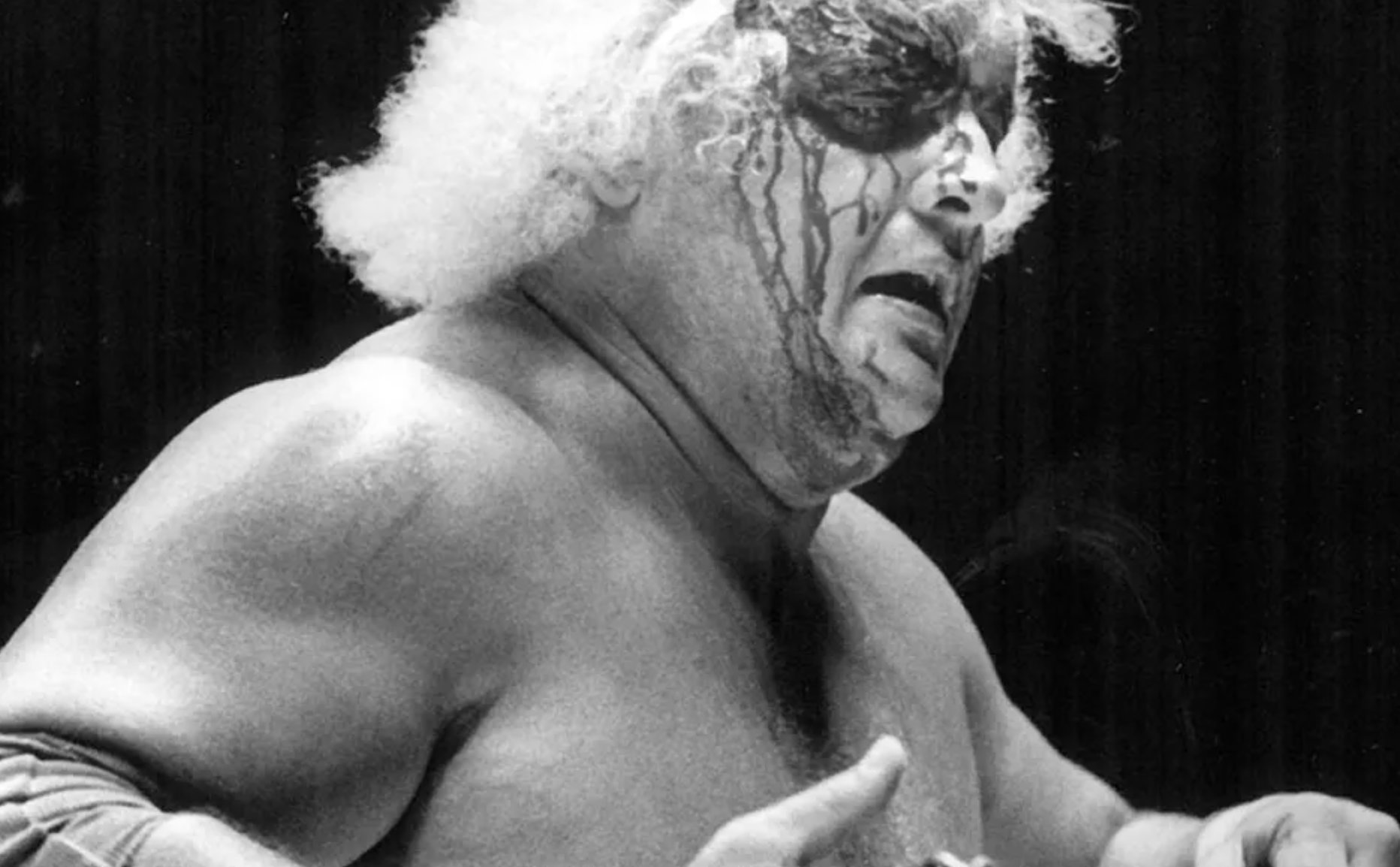
Outside of the purview of the NWA and the WWF, Hulk Hogan famously headlined a huge show in the early 1980s that drew a massive crowd of 19,000: AWA Super Sunday (the demand for the show was so high that Verne Gagne arranged a closed-circuit viewing nearby, attended by 5,000 people, in another example of another promoter arriving first at an idea credited to WWE). Even when he was on top in the WWF in the mid-1980s, Hogan was challenged by NWA powerhouses Ric Flair and Dusty Rhodes, whose combined drawing power had doubled annual attendances from 800,000 to 2,000,000 at their peak in Jim Crockett Promotions. In several major metropolitan cities, the WWF Vs. JCP feud was even. Dusty, whose creative genius was Vince’s biggest foe in the 1980s, was also the first major star of the cable wrestling boom; his feud with Ole Anderson drew the TBS SuperStation’s highest ratings on its biggest early attraction: Georgia Championship Wrestling. WWE was far from the first wrestling promotion to introduce wrestling stars to a new national cable audience - nor was Vince McMahon the first man to adopt a glitzy promotional strategy.
World Class Championship Wrestling, the originator of the pro wrestling show as a rock concert experience, a precursor to WWE’s approach, drew around 20,000 to its huge Reunion Arena shows. On June 27, 1983, WCCW drew 21,000 to Dallas, Texas. WCCW was not a “tiny thing happening in a bar”; with its new rock music entrance themes and muscled heartthrob main event crew, it was the proto-WWF in many ways. To underscore the extent to which the territory system was thriving during this era - the year before Vince apparently took wrestling out of tiny bars - Jim Crockett, Jr. and Jack Tunney co-promoted a show one month later that drew a venue record of 20,703 to the Exhibition Stadium in Toronto, Ontario, Canada. The July 10, 1983 Night of the Champions show was headlined by Harley Race Vs. Ric Flair. There are scores of examples that prove how popular wrestling was in the U.S. before Vince McMahon won the war.
The Junkyard Dog’s Dog Collar win over Michael Hayes drew around 30,000 fans to the New Orleans Superdome on August 2, 1980. Wrestling was a mainstream endeavour before cable TV and before Gorgeous George was one of the first stars of television full stop. Jim Londos, who might have set a still-standing worldwide record attendance in Athens, Greece in 1933, was also a bonafide national star stateside. It’s not simply the case that pro wrestling thrived at a level well beyond bars and bingo halls prior to Vince McMahon’s 1980s national expansion. The lie is not only flagrant; it is heavily ironic.
CONT'D...(2 of 5)