Why The Walking Dead Just Got Cancelled
4. Shock Deaths Are The Biggest Storytelling Drive
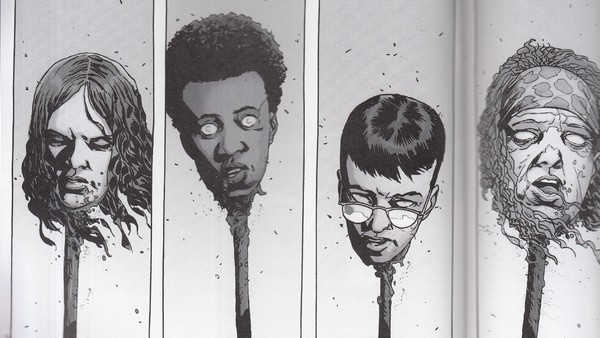
Despite claims over the years that the plan had always been to make it to 300 issues - a goal which Kirkman stated he already had a roadmap of how to get to - it turned out that the real endgame all along was to transform The Walking Dead itself - as a comic book and story - into Kirkman's biggest, most surprising death.
Writing in the pages of the final issue, Kirkman elaborated on the decision to suddenly end the comic without warning, saying:
"As a fan, I hate it when I realize I’m in the third act of a movie and the story is winding down. I hate that I can count commercial breaks and know I’m nearing the end of a TV show. I hate that you can feel when you’re getting to the end of a book, or a graphic novel. Some of the best episodes of Game of Thrones are when they’re structured in such a way and paced to perfection so your brain can’t tell if it’s been watching for 15 minutes or 50 minutes."
Interestingly, this comment does seemingly throw some indirect shade at The Walking Dead TV show, which has a habit of announcing major events before they happen. The exit of Rick Grimes is perhaps the biggest example, with the producers, actors and writers getting out before the launch of Season 8 to promote "Rick's final episodes". While this was no doubt in part a response to reports leaking during production that actor Andrew Lincoln was indeed leaving the show after only a handful of upcoming episodes, it was also a classic case of AMC putting ratings above the story itself.
The element of surprise was totally robbed from Rick's exit. Viewers had months to plan, to adjust to the idea of a show without the lead character, and AMC used the potential intrigue to get viewers engaged. They did something similar with the iconic Negan kill from the comic, replacing the sudden shock of the source material with a 'who dies?' cliffhanger that robbed the story of its actual ending, withholding the resolution and telling audiences exactly when it was coming, date and time.
Considering how the comic just wrapped up, it's clear Kirkman didn't want to go down the same route, but rather make his ending as surprisingly and as sharp as all of the other twists in the comic so far. Serialised media today - from Game of Thrones to Westworld - has taken some flack for prioritising shock twists and deaths that get people talking over conventional, coherent storytelling, but it's something The Walking Dead comic helped pioneer and has been its lifeblood for over 15 years now. Acknowledging this, Krikman said:
"The Walking Dead has always been built on surprise. Not knowing what’s going to happen when you turn the page, who’s going to die, how they’re going to die [...] it’s been essential to the success of this series. It’s been the lifeblood that’s been keeping it going all these years, keeping people engaged. It just felt wrong and against the very nature of this series not to make the actual end as surprising as all the big deaths."