10 Biggest MCU Controversies Ever
6. VFX Artists Speak Out Against The MCU's Post-Production Process
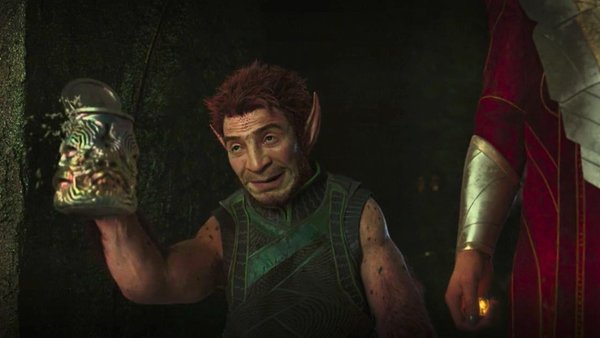
It's a common complaint that the VFX work across MCU movies tends to be wildly inconsistent - for every stunning creation like Thanos (Josh Brolin), there's a visually garish sequence like the finale to Black Panther.
Easy though it is to kneejerk-blame the VFX artists themselves, if you know much about how the film industry works at all, it's clear that they're the last people who should be taking the brunt of the ire.
In recent months in particular, numerous VFX artists have spoken out about what it's like working for Marvel Studios.
In particular, MCU VFX artists are grossly overworked and underpaid, often working 60-80 hour weeks while being forced to work to ridiculous production deadlines and even scrap masses of work because a filmmaker or producer decides on artistic changes late in the process.
One artist cited Marvel Studios' tendency to hire indie filmmakers as one of the key problems, given their inexperience working with VFX departments, and others decried the power that the studio held over VFX companies, being in a position to deny future work to those who push back against tough deadlines.
Understandably most of these artists have spoken out anonymously in order to keep their future work prospects alive, which is only a further depressing sign of an industry seemingly at breaking point.
With most MCU movies having their release dates near-literally carved in stone years before they're even shot, it creates an unstoppable bottleneck of projects whereby VFX houses are encouraged to offer cheap bids on work and worry about the whole overtime issue later.
It's a tricky situation to remedy, because smaller VFX houses lack the authority to demand more time and money from Marvel for their work. And so, the most oft-cited solution is for the industry to form a union which would allow them to collectively seek more favourable terms with any movie studio.
But with the VFX for any given movie typically being conducted across numerous countries, union-forming becomes more difficult, as does the industry's ability to police Marvel Studios' exploitation of overworked artists.