10 Movie Trends That Have Been Killing Cinema For Longer That You Think

Believe it or not, but 3D is older than cinema itself.

If a man from the past was suddenly brought into the present day, he'd no doubt, after questioning the very fabric of reality, marvel at the current state of the movie industry. Compared to decades past things are very different. Special effects push what we're capable of showing on screen - screens which, thanks to digital projection, look incredibly crisp - and the biggest hero of the summer is a humanoid tree with limited vocabulary. One thing he'd find familiar (besides the extortionate price for what is simply popped corn), however, would be some of the fundamental issues within the industry. Although we love movies, there's no denying that there's some major problems with how films are produced at the moment. Sure, some of these problems are genuinely new; splitting a single book into two parts just to maintain a franchise is a very 21st Century blight, whereas this emerging obsession with setting up a sequel over dealing with the plot at hand is clearly a bi-product of the franchise-dominated market. But you know what, a lot of the more common problems have been around for a long time. Today we're looking at those long-standing problems people mistake as a newly-emerged. issue. Here are ten things people chalk up to modern cinema that have in fact being around longer than they realise.

10. Back-To-Back Sequels

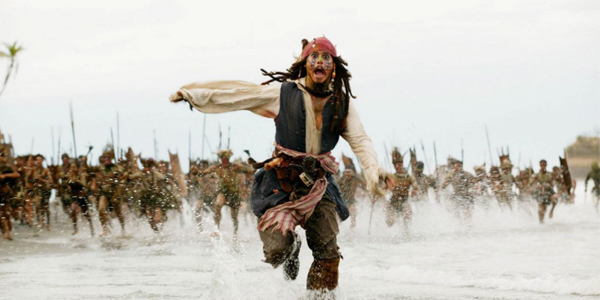
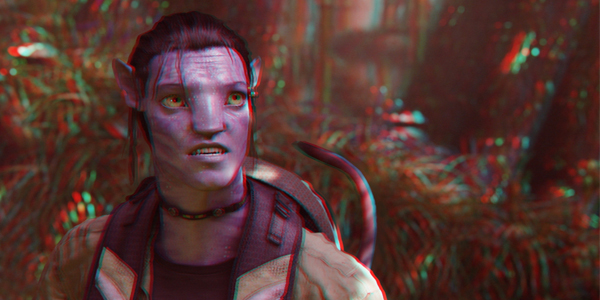
The 'Modern' Problem: Shooting movies back-to-back, making two (related) movies at the same time, essentially means that the cost and time of the most unpredictable part of production, actually filming the pesky actors, is minimised. So you can see why, with the gap between installments in series shrinking, this is a popular method. All those split-in-two novel adaptations are shot this way, while numerous sets of sequels sequels (Pirates Of The Caribbean, The Matrix) were rushed through together to capitalise on the original's popularity. Avatar looks set to push things to new extremes, with a sequel trilogy planned to shoot all at once. This was made vogue by The Lord Of The Rings, which had immense success after filming all its action over one year, but what most subsequent versions have missed is that there the structure was pre-determined. Back-to-back films tend to leave us with an open-ended first film with the creativity spread thin over two. But Actually: This has been a pretty common practice for decades. Even before the Back To The Future sequels there's a multitude of examples, with the earliest being Superman and Superman II; even though there were some major behind-the-shifts, the majority of both films were shot at the same time.

9. 3D

The 'Modern' Problem: With piracy threatening all strata of the movie production chain, there needed to be a new way to make watching films on the big screen the essential way to experience them. Rather than pushing enhanced image quality, superior sound and comfortable (read: non-sticky) auditoriums, it was decided to subject audiences to a darkened picture and increased ticket price for a gimmicky effect that you get used to after ten minutes. And, shockingly, it worked. 3D wasn't pushed on us for any reason other than money (don't listen to anyone talking about immersion - a good story would do that anyway), although at least now audiences are beginning to wizen up; ticket sales for 2D showings are totally dominating their more expensive brethren. But Actually: Everyone knows this isn't the first time we've had the industry try and push 3D on us; both when VHS arrived in the eighties and as TV first became big in the fifties cinema forced some of its biggest hits into the third dimension. But long before Hitchcock made Dial M For Murder 3D (seriously) stereoscopy had been tested on audiences. In fact, the process of turning images into a three-dimensional picture had been patented before cinema; 3D is older than film itself.

8. Directors Being Overly Secretive

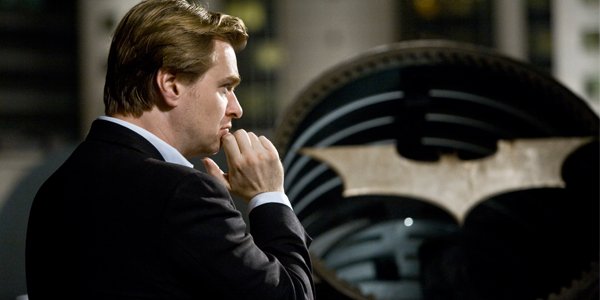
The 'Modern' Problem: With the internet allowing mass speculation and easy distribution of script leaks many directors are getting increasingly secretive, hiding their projects away from audiences until the very last minute. The likes of Christopher Nolan and J.J. Abrams in particular are well renowned for keeping tight-lipped about whatever they're working on. This isn't a problem as a general idea, but proves highly irritating when pushed to its extremes. You see, this practice can lead to heightened fan expectations and, once the marketing onslaught begins, hopes for something more. Both The Dark Knight Rises and Star Trek Into Darkness (neither of which, for the record, are as bad as people say) were crippled by their respective director's secrecy unintentionally leaving fans wanting. But Actually: Although the internet gives an extra reason to be cagey, there's been directors keen maintain the mystique of cinema for a long time. The most ludicrously over-the-top case is how Hitchcock dealt with Psycho; he didn't want anybody to find out the twist ending of his masterpiece so brought up every copy of Robert Bloch's (already released) source novel.

7. Dumb Sequel Names

The 'Modern' Problem: Studios are desperate to avoid sequels from looking like cynical cash-ins (which they often are), so attempt to create the illusion their latest different. Hence why there's now a multitude of ways to give a sequel an interesting title; got to keep the thin veil of originality. Subtitles have been all the rage for over a decade, with potential franchise starters now having them so it stands out less on later installments, but isn't all getting a little episodic? What's wrong with the good old 2 (or II if you're feeling classy) slapped on at the end of the title? But Actually: Well that 2 used to be as new and radical as the colon subtitles are now. It was first used in the fifties for Quatermass 2, but was only popularised decades later with The Godfather Part II. Before that sequels used to have much more mumbly titles, throwing Son Of, Bride Of, Extension Of etc. in front of the original title. People mocked Dawn Of The Sequel Of The Reboot Of The Planet Of The Apes for its silly title representing how silly our franchise culture had gotten, but it was really a throwback to a time before the usual 2.

6. Oscars Are All About Money

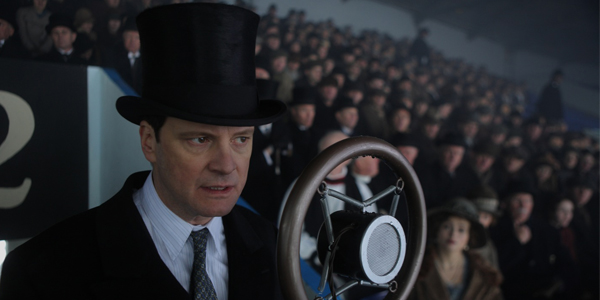
The 'Modern' Problem: 2010 was one of the strongest years we've had for movies in recent memory and the Oscar Nominations for Best Picture really reflected that; The Social Network, Inception, True Grit, Toy Story 3 and Black Swan were all in running. And yet it was The King's Speech, a competent but rather uncreative entrant, that took home the golden baldie. Was it the usual case of Academy prudishness? Well, to some degree probably, but as is always the case with the Oscars what really got Tom Hooper's movie the gong was the money invested in it. There's already speculation beginning for this year's awards and Richard Linklater's Boyhood keeps popping up, with the major reason it won't stand a chance not being quality (it's the best film of the year so far), but that it doesn't have a big enough studio behind it. It's just one of those things; for all its focus on the movies, like anything else the annual awards are all about money. The chances of a film winning hinge on its Oscar-specific marketing campaign. But Actually: It's true, the winners are based on the money sunk into them (or in the Golden Globes' case, how many big stars you can get to your ceremony), but that's nothing new. Politics have been present in the industry from the start, with movies twisted with words to make them seem more awards friendly; look at All the Kings Men, which director-producer-writer Robert Rossen intended to be a simple drama but was bolstered up to 'important' movie.

5. Remakes

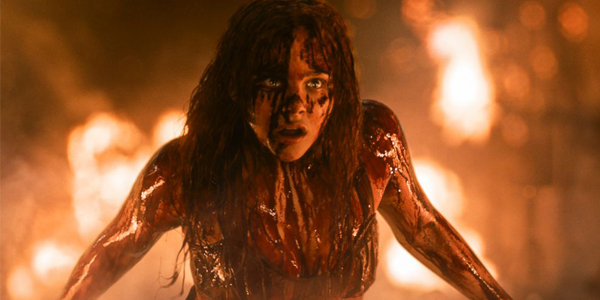
The 'Modern' Problem: Urgh, remakes. Take a great film and turn into a piece of mainstream tat because studios think audiences are afraid of subtitles and movies made before the year 2000. They're absolutely everywhere and even though the number of genuinely good ones can be counted on our hands they still keep getting churned out thanks to gullible people paying to see something that was done better years before. Worse of all, so often film-makers try to cover up the true nature of these films by claiming some artistic goal. 2013's Carrie was allegedly going back to Steven King's source novel with an added modern twist, but was as predicted just a retread of Brian De Palma brilliant original horror. But Actually: Remakes are as old as the hills and in the past the justification for making them was even flimsier than it is now. Hitchcock remade his own The Man Who Knew Too Much to fulfill a contractual obligation, while The Maltese Falcon was existed purely because the original had too much smut (or hints of it) to pass by the increasingly restrictive censors.

4. Spoilerific Trailers

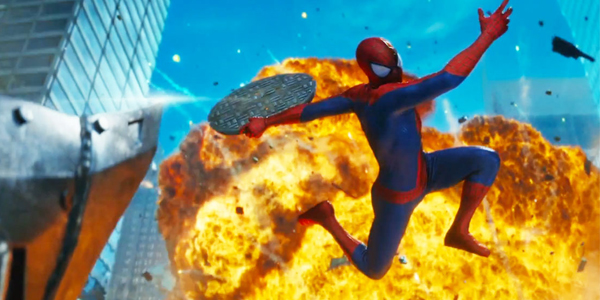
The 'Modern' Problem: Speaking of Carrie, here's one of the most irritating trends with modern movies; trailers that give everything away. The trailer for the Chloƫ Grace Moretz 'horror' not only provided a succinct set-up of the film's story (what you expect from a trailer), but also showed the film's pivotal climax in great detail (certainly what you don't expect). Sadly this isn't just a lone case; pretty much every major movie gets over-exposed in the barrage of marketing, with The Amazing Spider-Man 2, which had its final scene presented in multiple trailers, being a particularly bad culprit. We get that the most interesting images tend to come from the third act of a film, but if you stuff them all into the trailers all it does is make their appearance in the finished film feel anti-climactical. This is all exacerbated by the sheer number of trailers that exist; on their own they may be fine, but between them you can work out the entire story. But Actually: If you thought the trailer for 2013's Carrie gave a lot away, you clearly haven't seen the one for the original; there's not only an intense focus on the pig-blood-soaked rampage, but a subsequent murder is also given away. It's a particularly excessive example, but it's far from abnormal; most classic movies boast trailers that show all but the very final scene. If anything, trailers got less spoilerific as time went on, with the internet and clamouring fans slowly bringing the practice back.

3. The Critic-Audience Divide

The 'Modern' Problem: Every time a new, dumb blockbuster comes out that audiences love and critics hate the argument comes up that professional reviewers are out of touch with the people they evaluate movies for. And while you can dissect the distance between mainstream and critical taste there's no denying there is indeed a divide. It's best shown with a film like The Tree Of Life. Polarising critics initially (it got both cheers and boos after its Cannes premiere), once it won the Palme D'Or (the festival's highest honour), suddenly, out of almost critical peer pressure, the negative reviews turned good. Audiences, with no reputation to put on the line, were less gushing with praise, quick to point out you could read so much into the film only because it says nothing. It's an extreme case, but it's rare to find a film that manages to balance both sides. But Actually: The divide has existed as long as there's been critics who fancied themselves superior to general audiences. While a regular cinema-goer may be happy with an entertaining couple of hours, a critic demands more because entertainment is secondary to art apparently. Things tend to right themselves, however, with a film's enduring reputation normally a balance between the two appraisals. Hence why it always feels a new development; over time signs of this conflict have been quelled.

2. Fan Backlash Ruining A Movie

The 'Modern' Problem: Although much of the bitching and moaning on the internet tends to be aimless, if it's focused enough it can have an effect. And sometimes it can be for the better; the earliest example of this is Batman And Robin, which spent its first weekend savaged online and its second screening to empty auditoriums. But because fans are fickle beings it can go the other way; perfectly adequate films can be destroyed if you point out Jar Jar isn't funny enough times. With the Star Wars prequels this didn't have an immediate impact - the backlash didn't start until well after release - but other films can now flop simply if its detractors can be vocal quick enough. But Actually: This is only new in a world where the film makes most of its box office gross in the first couple of weeks of release. And that's only been the case for the past few decades. Before Jaws and Star Wars created the blockbuster model, movies tended to be released in a more staggered way. Rather than being screened in thousands of screens across the country/world at the same time, films would gradually roll out, building momentum thanks to a mixture of marketing hype and good old word-of-mouth. And obviously if the word-of-mouth was negative then the film wouldn't spread. Sadly we're still waiting for that modern positivity; internet impact tends to always be on the negative side.

1. The Destruction Of Cinema

The 'Modern' Problem: Cinema is dead. Transformers has dominated the worldwide box office, making over a billion dollars. All major releases are based on an existing property. Is there any originality left for us to enjoy? At least that's what a lot of people think, looking fondly on previous decades where "better" films were released. But Actually: Woody Allen's Midnight In Paris tells of a screenwriter obsessed with the 1920s who somehow develops the ability to travel back to his beloved time. There he meets, among a plethora of great writers and artists, a woman who, despite living in his ideal time, is herself obsessed with the 1890s. And it just goes on and on; we always hold the past in higher esteem because our rose-tinted recollections are more amenable than the bleakness of the modern day. And this stretches across to the perception of cinema; we're far from the newest generation to complain about the state of film. when Jurassic Park, widely regarded as one of the best blockbusters ever made, was first released, Roger Ebert dismissed it, saying it couldn't hold a candle to Jaws. Jaws, another film viewed as a classic, that at the time was unfavourably compared to movies released years hence. What's most commonly remembered about cinema in, say, the 1940s is Casablanca, Citizen Kane, It's Wonderful Life and all the other decade's masterpieces. What's often ignored is that movies on the same level as the pandering tat shovelled into modern multiplexes week in, week out were produced then too. Sure, there's probably more bad movies now, but that's predominantly because there's more movies made in general. Which other issues with modern cinema have been around longer than people think? Let us know in the comments below.

In this post: 
Avatar
 
Posted On: 
Contributor
Contributor

Film Editor (2014-2016). Loves The Usual Suspects. Hates Transformers 2. Everything else lies somewhere in the middle. Once met the Chuckle Brothers.