10 Things All Future Spider-Man Movies Must Do
Keep the mask on Spidey!
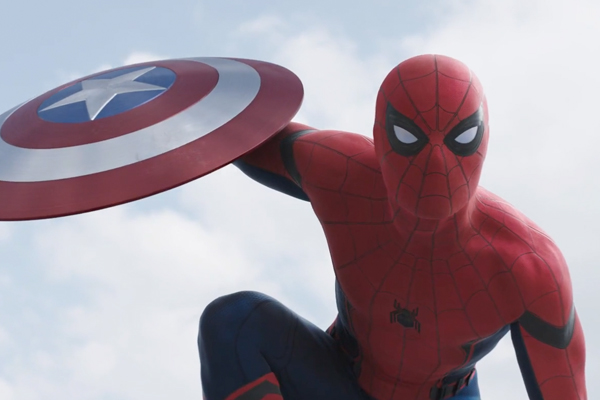
10. No More Removing The Mask In Key Action Scenes
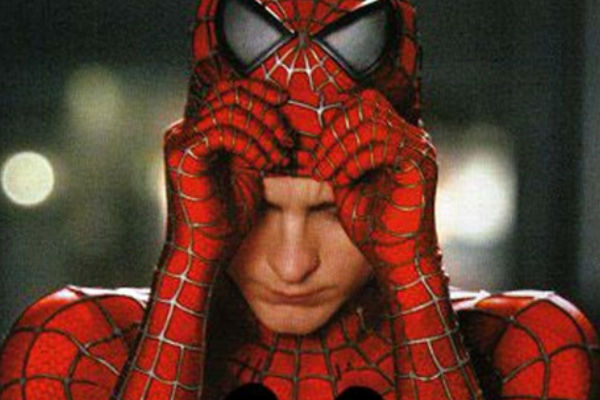
9. Give The Symbiote Storyline The Adaptation It Deserves
8. Add Spider-Man To The Avengers' Line-Up

7. Borrow The Best Parts Of The Clone Saga
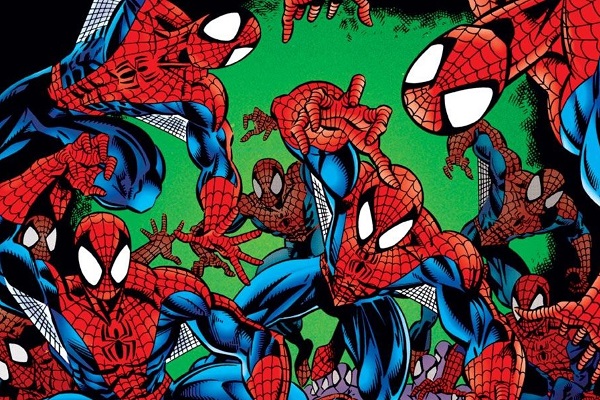
6. Don't Use The Same Tired Themes Again And Again

5. Limit The Number Of Villains In One Movie
Spider-Man, Spider-Man 2, and The Amazing Spider-Man centred on Spidey's attempts to bring down just one villain. It's no coincidence that they are regarded by most as better than Spider-Man 3 and The Amazing Spider-Man 2, which were criticised for being bloated and muddled. In these sequels, the inclusion of multiple villains meant too many characters were vying for screen-time. This is a common problem when it comes to comic-book adaptations. On the page, heroes can face a number of villains in one issue, as they have either usually been introduced already or will be explored in subsequent issues. Sprawling epic plots can also have villains come and go, with plenty of time to devote to each without Spidey feeling short-changed. However, with only around two hours to play with, and limited screen-time for each character, cramming too many villains in only leads to disappointment. Instead, future Spider-Man films should take care to focus on just one main villain, and perhaps refer to others in flashbacks or news footage to help flesh the world out without detracting from the main enemy. Compare how much audiences feel invested in Peter's struggle with Dock Ock in Spider-Man 2 against the lack of engagement they feel with Sandman and Electro. The more time a script has to flesh a villain out and explore their motivations, the more satisfying their struggle with Spider-Man will be.4. Introduce Spider-Gwen And Spider-Men Of Alternate Earths

3. Make Spider-Man More Quick-Witted And Funny

2. Introduce Spider-Man 2099
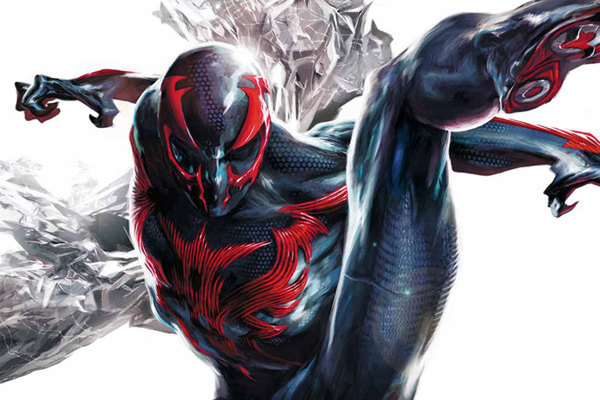
Marvel introduced the far-future version of Spider-Man back in the early 90s, and the character is still well-loved today.
Originally, Miguel O'Hara is a geneticist based in the sleek NYC of 2099, working for a sinister corporation. When he has half of his DNA rewritten with that of a spider, he develops a familiar helping of abilities (and a few new ones) and becomes a new Spider-Man, with organic webbing and enhanced vision but no spider-sense.
2099's web-slinger has been given his own title again in recent years, and appeared in the huge Spider-Verse event, with reworked origins. Introducing him to the Marvel Cinematic Universe gives filmmakers a unique opportunity to present a different type of hero in a brand-new setting, transplanting their brand of storytelling to a world of flying cars and bizarre cybernetics.
Seeing Spider-Man swing between huge towers and fighting technologically-enhanced villains is the perfect way to give audiences a fresh spin on such a well-loved character. Putting a Latino guy like Miguel behind the mask is also a neat way to incorporate more diversity into the MCU's roster of heroes.
Spider-Man 2099 is best introduced through a story involving time-travel, allowing Tom Holland's character to encounter Miguel, before spinning the latter off into his own series. Again, this is a smart business move and sure to find a horde of new fans.
1. Give Us More Diverse Villains