20 Things Horror Movies NEED To Stop Doing
19. Being So Dark (Literally)
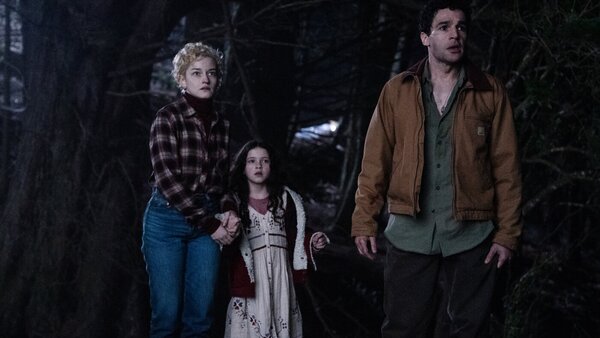
Much has been written in recent years about the growing trend of cinematographers embracing extreme darkness, whether using low-light camera setups on set or dialling things down in post.
And this has been met with considerable pushback from audiences, many of whom feel that filmmakers are sometimes delivering images so murky that it's difficult to actually parse what's happening in some shots and even entire scenes.
A glaring recent example is Leigh Whannell's Wolf Man, where so much of the film's third act is dimly lit that it's tough to make sense of the location's spatial geography or where characters even are in relation to each other.
Though the astonishing dynamic range of modern digital cameras allows filmmakers to capture usable images with less light than ever before, they need to remember that the deluxe editing suite they're colour grading their films on doesn't accurately reflect the screens which 95% of viewers will use.
Given the tendency for many cinemas to dim their projection bulbs in order to save money, while home TVs can vary wildly in their ability to match the filmmaker's original vision, the commitment to darkness can often result in visuals which viewers find muddy, even incomprehensible.
With that in mind, it'd sure be nice for horror films in particular to be lit and graded a little more generously.
The grandiose lighting setups of decades past were striving less for the stark realism of low light and more for something expressively theatrical, even "cinematic," and it might be nice for that to make a bit of a comeback.