8 Big Movies That Nearly Went Direct-To-Video

Who thought these films deserved bargain bin purgatory?
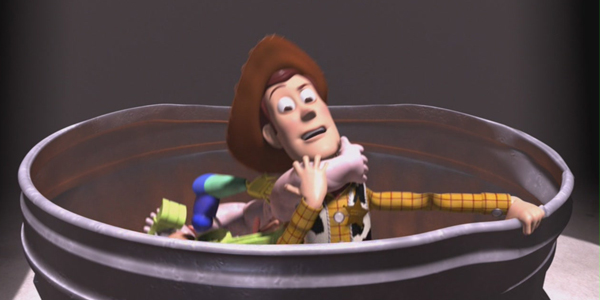
The home video revolution changed the way we watch movies. Suddenly the cinema wasn't the be all and end all of film; we could now watch what we want, when we want. VHS didn't just bring big budget blockbusters to our livings rooms, however. Just as streaming sites are now making their own 'TV' shows, video distributors started having their own stab at movie making. Although the results weren't quite Orange Is The New Black. Cheaply made with exploitive titles and garish cover art, direct-to-video films sit in stores as the bastard cousin of their cinematic fellows. Ranging from cheap knock-offs of big blockbusters (Transmorphers) and one-note B-Movies (Sharknado) to sequels to existing movies (those crummy American Pie sequels were released this way), direct-to-video tends to show the worst movies have to offer. One of the most infamous examples are Disney's spew of cheap sequels to their classics that blighted our screens for years until they smartly realised tarnishing their legacy wasn't a smart PR move. From The Lion King to poor old Bambi, no film was safe. These were conventionally remakes of the first movie with the kids of the original heroes going through a similar adventure, although some did something even more pandering; The Fox And The Hound 2 actually takes place in the middle of the story, with the duo becoming part of singing dog band. Seriously. So it's fair to say direct-to-video films don't have the best rap. But they have also born a varied range of big theatrical releases; films that started life set for the purgatory of a DVD shelf and ended up standing proudly in a cinema marquee. Here are eight such films that nearly ended up only on the small screen.

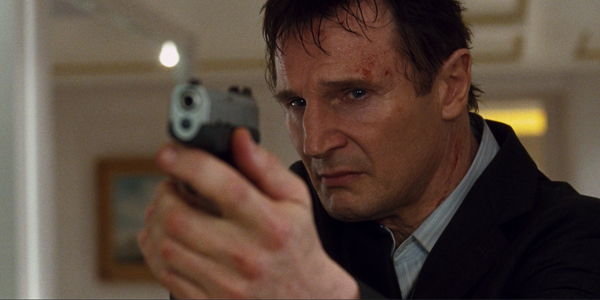
8. Taken

Liam Neeson as an action icon? That now-immortal line quoted ad nauseum? A still growing string of sequels? It all almost never happened; Taken could have been yet another bargain bin film starring a big name. Liam Neeson has proven a pretty foresightful actor; he's taken the role of Oscar Schindler, the one character in The Phantom Menace who wouldn't have to return for two sequels and the villain in the best superhero film of the early-naughties. So you think he'd be pretty good at gauging how good a movie would be. When Taken landed at his desk he not only thought it was simplistic actioner that wouldn't connect with audiences, but fully expected it to go straight-to-DVD. His assessment of Taken as a film is pretty spot on (he's the best thing in it), but he completely missed what the audience reaction would be. The film was a massive success, with "I will find you and I will kill you" becoming equally iconic and irritating. Why then, with his reservations, did he take the role (a decision that likely led to it going to cinemas)? He fancied doing a bit of action. Well you've got that by the truckload now Liam.

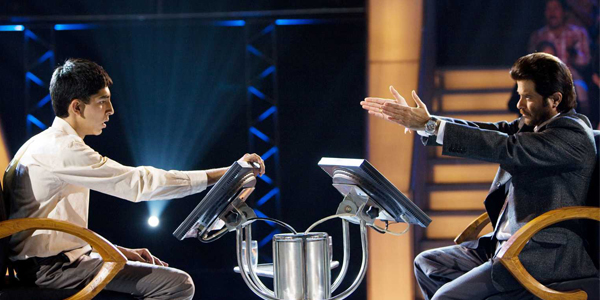
7. Slumdog Millionaire

It's the most visually distinct film to win Best Picture in years and brought home more Academy Awards than any winner since. Yet Danny Boyle's romance-thriller-drama-comedy-Bollywood homage almost skipped cinemas entirely (in the US at least). Guaranteed a UK release (it was produced by British indie powerhouse Film4), the movie faced much more uncertain prospects overseas. Due to internal shifts in the studios, the film found itself in the hands of a distributor who really didn't want it, happy to pawn off the thematically difficult film on the home video audience. Enter Fox Searchlight, one of the juggernauts of studio-edorsed indie movies. Recognising potential (the film had begun to do well on the festival circuit) they struck a deal with Warner Bros. (who currently owned rights to the film) to distribute it. One very misleading advertising campaign later (in no reality is Slumdog a "feel-good film") and the film walked away with profit in the hundreds of millions and eight Oscars. Probably the most successful movie to almost go direct-to-DVD.

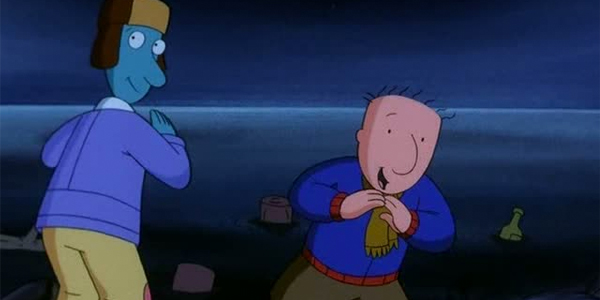
6. Doug's First Movie

When a film is obnoxious enough to call itself the first of an unplanned series you really hope it fails. So it's a pleasure to know Doug's First Movie, a tired cash-in on the Nickelodeon TV series about a school kid and his crazy adventures (nothing like a bit of originality for children to lap up) ended up being Doug's Only Movie. That Doug got a movie at all is something of a marvel - it's not exactly the top drawer of TV cartoons - and it should come as no surprise it was initially going to be direct-to-video. Nickelodeon had been trying hard to get feature-length projects off the ground for years and this one had eventually gone into production, with the VHS tapes being prepped. Then The Rugrats Movie, a film based on a much better property, hit big and suddenly big screen spin-offs of kid's cartoons were all the rage. There were plenty of imitators (Recess: School's Out, The Wild Thornberrys), but Doug had a distinct advantage of striking while the iron was hot in that the film was already in production. Judging by the finished project (TV-level animation, short run-time) little effort was put in to actually make the jump.

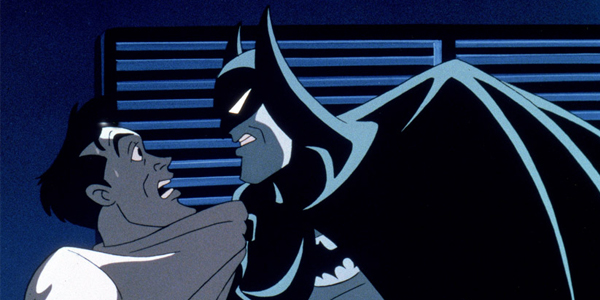
5. Batman: Mask Of The Phantasm

There's always one Batman film people forget was in cinemas. Tim Burton's films reignited popular interest in the character, and The Animated Series capitalised on that, creating a version of the character that more devout fans find sticks closest to the central idea of the Dark Knight. It was so successful that it led to the creation of the Superman cartoon, as well as getting its own feature-length spin-offs. The first of these, Batman: Mask Of The Phantasm, came at a point where hype around the character was so high Warner Bros. decided to release the film in cinemas rather than the traditional DVD release. This led to a rush to get the film up to scratch - what Doug didn't realise was that cinematic outings need more visual sheen - and the animators struggled with the eight months they were given before release. Anyone would think animation is a time consuming process or something. The film was an absolute bomb, not even making back its small $6 million budget. It only found its footing on VHS, where it was going to be released in the first place. This folly led to no more animated outings on the big screen; subsequent features only came out on home video.

4. Donnie Darko

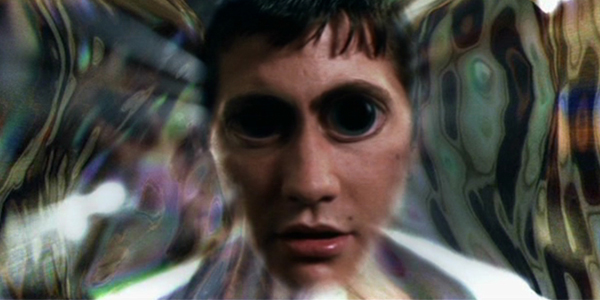
For a long time the go-to weird film for teenagers to try and act all deep about, Donnie Darko marked the arrival of new indie filmmaker on the scene. What we didn't know then that Richard Kelly was the definition of a one trick pony; the strangeness that boosted Darko was lazily replayed in all his subsequent films to hide the lack of filmmaking prowess. Kelly could have had a very different career trajectory had Donnie found home as originally intended on DVD. A bizarre, confusing film made on a peanuts budget it would have been able to offset much of its cost on home video, but the presence of star Patrick Swayze and Drew Barrymore (who was also executive producer) led to it being given a small theatrical movie. The theatrical release itself wasn't overly successful. Coming out a month after 9/11, it's plane crash element wasn't the most palatable to domestic audiences and it took another year for it be released overseas. Still, the massive cult that has emerged behind the film since no doubt makes that all seem like a necessary sacrifice.

3. Planes

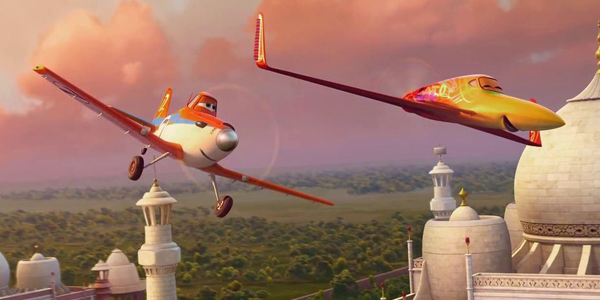
With Pixar reluctant to simply rush out new entries in the Cars franchise after Cars 2 received a grubbing from critics (a third film is announced, but the release date is still undecided), Disney decided they'd simply make their own take to keep the merchandising cash cow going. That's the only reason Planes exists and it's also why it eventually ended up in cinemas. Originally set to go direct-to-DVD, when it became apparent just how much could be made it was promoted to become one of the studio's big summer theatrical releases; the more high-profile your film, the more kids want your toys. What's shocking in this case is how late in the day the switch came; long advertised as a DVD cheapie akin to all those sequels to the company's traditional animations, we only learnt at the start of the year of release we'd have to suffer through it in cinemas. The sequel, Planes: Fire And Rescue, which began life shortly after Planes, was likewise bumped up to theatrical release instead of going straight into homes. Wouldn't want to look like a lazy cash-in now would they.

2. El Mariachi

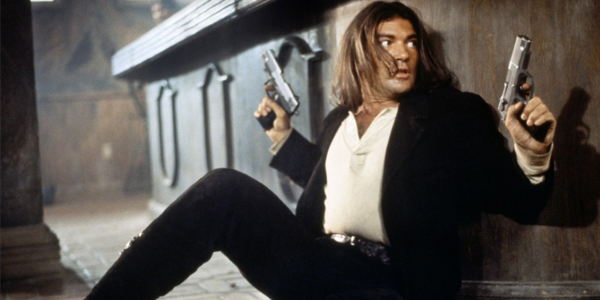
Robert Rodriguez is a unique voice in American cinema. Neglecting the high reverence contemporary Tarantino (normally) delivers, he's much happier with genre pastiches and B-Movie throwbacks. Machete and Spy Kids are series questionable in quality, but it's clear exactly what their director's going for; look no further than Machete Kills Again... In Space to see none of its meant to be taken seriously. Now happy going all in with his movies, Rodriguez didn't always have the same level of confidence that got Sin City made; his breakout feature, El Mariachi, was only ever intended to get a small video release in Spanish-speaking territories. Made for only $7000 dollars, the first in his Mexico Trilogy would go on to be a highly regarded debut, but at the time he only cared about getting it finished by any means necessary. In fact, the only reason the film ended up in cinemas was because none of the Latino distributors wanted to take his film to VHS; as a back-up he offered it up to American cinema distributors.

1. Toy Story 2

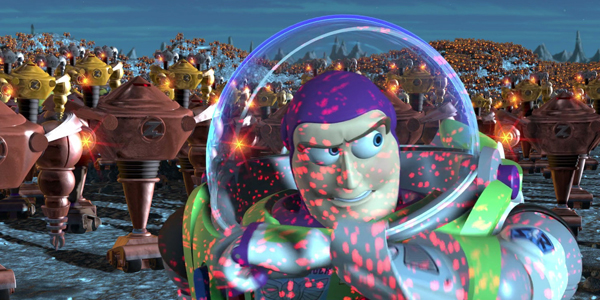
Inspired not only by the success of the first film, but by how much children adored Woody, Buzz and co., Pixar were keen to expand upon their newly created world. Even keener were Disney; following the early sucesses of the cash-in sequels Disney were very interested in doing the same with Pixar's baby. They didn't reckon for two things - that Pixar would produce something not only up to the calibre of the original, but better and, more importantly, that CGI films cost a lot more than traditional cell-animations. It soon became apparent the only way to do Toy Story 2 justice (commercially and critically) was to go all in and put it in cinemas. With a tight release schedule and a pioneering studio making things up as they went along, this was a pretty troubled production, with issues ranging from tight, distributor imposed deadlines to almost accidentally losing a good chunk of the film. In the end, the Toy Story 2 that was released bore none of the cheapness of a traditional straight-to-VHS sequel; broader in scope and packing a bigger emotional punch, it betters the original. A similar problem would occur with Toy Story 3; Circle 7 Animation, a company set up by Disney purely to sequelise Pixar films, had an early stab at the threequel with a story of Buzz Lightyear being recalled. The idea was scrapped and the studio shut down when Pixar founder John Lasseter took over Disney Animation. Here's hoping Toy Story 4 doesn't start life like that too. Which direct-to-DVD films do you think should have got a cinema release? Let us know in the comments below.

In this post: 
Toy Story
 
Posted On: 
Contributor
Contributor

Film Editor (2014-2016). Loves The Usual Suspects. Hates Transformers 2. Everything else lies somewhere in the middle. Once met the Chuckle Brothers.