The Lord Of The Rings And The Hobbit: Ranked From Worst To Best

What's the best Middle-Earth film?
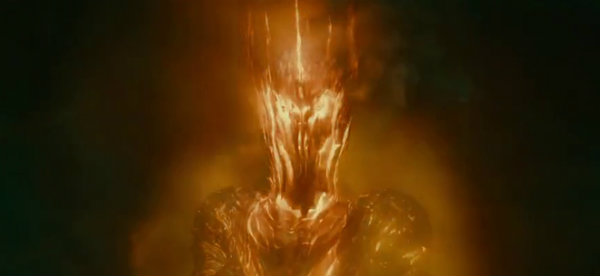
Like with Star Wars or Marvel, it's easy to think that audiences will keep going back to Middle-Earth forever. The cinematic saga based on the work of J.R.R. Tolkien has ran for over a decade in the face of numerous, Oliphaunt-size hurdles, making it appear almost invincible. For a long time Peter Jackson struggled to get a financier to back him for three films based on The Lord Of The Rings, then a muddled production led to the distinct prospect of the last two of those going direct-to-video. And that's saying nothing of the protracted production of what is now The Hobbit Trilogy. But, as Billy Boyd soothingly sings over the credits of The Hobbit: The Battle Of The Five Armies, it's hard not to believe that this is actually The Last Goodbye. Warner Bros. don't have the rights to The Silmarilion and it's unlikely, given how outrageously expensive The Hobbit proved to be, they'll shell out for more Middle-Earth movies - it's been slight, but the new trilogy seen somewhat diminishing returns - while series helmer Peter Jackson sounds like he's ready to finally move into a new Age. But was going there and back again, twice, really worth it? Come with us as we rank the Middle-Earth movies from their ponderous worst to jaw-droppingly epic best.

7. The Hobbit: An Unexpected Journey

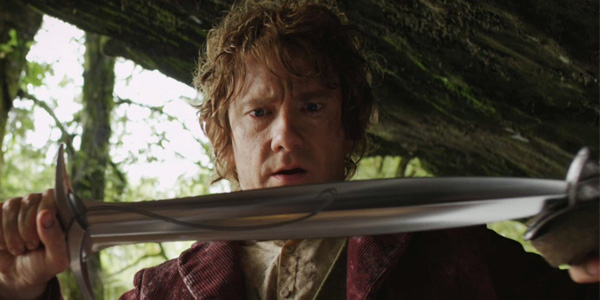
Silly title, a plethora of unmemorable characters, emergant reliance on CGI, all almost saved by one smart recasting - this is Middle-Earth€™s The Phantom Menace. There€™s a distinct confusion as to what The Hobbit is here. Is it an adaptation of the novel, a remake of The Fellowship Of The Ring or a prequel to the cinematic The Lord Of The Rings? The answer is that it tries to be all of these, yet ultimately fails to be any. Most of the issues are impossible to deny, particularly when compared to the originals, but the film€™s defenders found an easy get around - it€™s great to be back in Middle-Earth. Which is probably the most ill-judged praise of a movie in blockbuster history. Ignoring that this Middle-Earth - mostly soft-focused and realised through green-screen - feels different, the world Jackson created was just to tip of The Lord Of The Rings€™ successes. It€™s not a total trainwreck - when the shooting goes to the hills of New Zealand, Middle-Earth feels tangible and the Gollum scene really works - but when there€™s so little progression in almost three hours (the only character who develops is Thorin, and that€™s only going from hating Bilbo to not totally disliking him), it€™s easy to forget that. When the film proved noticeably less successful at the Oscars than Fellowship (compare thirteen nominations and seven wins with a lone nom), fans were keen to say it was going to be the long game, with the trilogy honoured with praise come the end. Yeah, that ain't how it's gonna go.

6. The Hobbit: The Battle Of The Five Armies
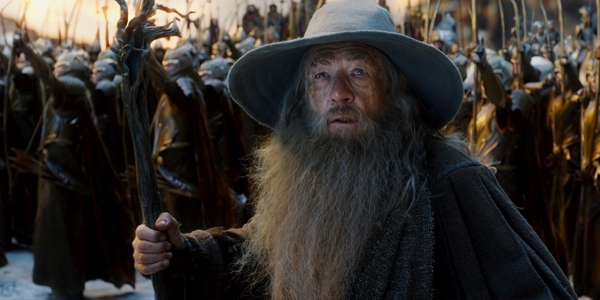
What The Battle Of The Five Armies has over the preceding Hobbit movies is that it has some semblance of a standard narrative. Following a €˜30€™s serial-style resolution of the previous film, the movie builds a conflict, twists it further, then provides some proper resolution. A three-act structure in a Hobbit movie? Hell must look like the peak of Ravenhill. Sadly, what the final Middle-Earth movie makes up for in having the framing of a proper story, it loses by not having one to fill the template. The central event is a minor part of Tolkien€™s book, a narrative device more than spectacle, and thus, while Jackson endevours to tie the whole thing into the broader Middle-Earth scope, the skirmish feels rather inconsequential to the overarching Hobbit narrative - bar Thorin€™s death nothing that important happens. The big problem with The Battle Of The Five Armies is the battle. Whereas Helms Deep and Pelinnor Fields were expertly constructed, telling a story as much as providing adrenaline, here, with Jackson€™s digital camera swooping through CGI vistas showing indistinct blobs either dying or being ridiculously powerful, it€™s just empty spectacle that pads out the already slight narrative. When the movie pulls away from the (misleadingly two-way) fight, focusing on the individual character arcs, there€™s some genuinely strong moments, which begs the question why the director didn't take a leaf from Tolkien and have the battle be a mere backdrop.

5. The Hobbit: The Desolation Of Smaug
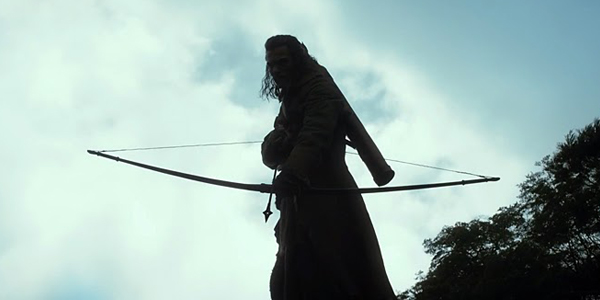
The best of The Hobbit Trilogy, this is the one that most embraces the book€™s episodic storytelling, realising not everything needs to be setting up Sauron (that element is here, but it feels like it applies to only certain part of the film) and that a sense of pace is all that's needed to gloss over larger issues. Of course, the pervasive problems with the trilogy - quiet moments become mind-numbing action €˜spectacle€™, The Lord Of The Rings characters returning for protracted cameos - are present, but they€™re at their least egregious here. After retracing the Fellowship€™s steps in the previous film, it€™s so refereshing to see the dwarves go in their own direction. Even a sub-fan-fiction, cross-species romance can€™t bring down a film that feels much more confident in itself. This is best seen in the movie's pivotal sequence; after so many iconic moments (troll freezing, barrel riding) fell flat, just having the bumbling Bilbo and an incredibly designed Smaug come face to eye with such assurance is a treat. There may be another cartoony action sequence not in the books thrown in, but that's forgiveable thanks to the unforgettable showdown. The Desolation Of Smaug has sadly been hurt a little by the resolution of The Hobbit Trilogy. Ending the Smaug fight halfway through provides a great hook for the final film, and its speedy resolution in The Battle Of The Five Armies gifts that movie with a sense of direction, but when these moments are put together it's clear the sudden cut-to-black was only done to cynically motivate the diminished audience to come back one last time. Retroactively, Desolation has one of the worst cliffhangers in cinematic history.

4. The Lord Of The Rings (1978)

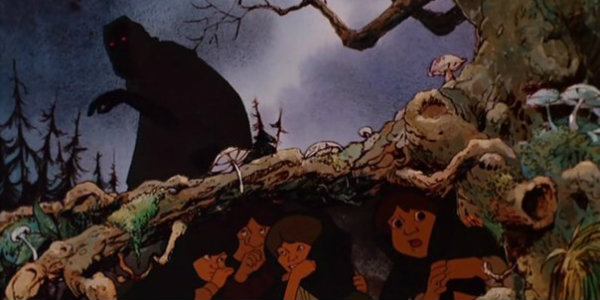
Now Middle-Earth is synonymous with New Zealand, it's easy to forget that Peter Jackson wasn't the first film-maker to dabble in bringing Tolkien's work to the screen. There's been plenty of other attempts, leading to some rather mixed results, but the only one that ever made it to cinema screens was Ralph Bakshi's incredibly ambitious animation. Adapting The Fellowship Of The Ring and The Two Towers (a sequel dealing with The Return Of The King never materialised, although an unoffical TV version was made), the plot follows rather similarly to the movies audiences are much more familiar with - similar major omissions are made in both versions, while any differences feel almost purposely opposed. Where Bakshi's vision is distinct from the Kiwi's is in its visual style. The Middle-Earth here is more typical of the classical, less-realistic fantasy of yesteryear, but thanks to the various animation methods used it's made enduringly unique. By far the most interesting element is the heavy use of rotoscoping, with live-action footage given a cartoon sheen in post-production. While it certainly dates the film, there's no denying it's an intoxicating effect that makes the sword-fights pop, the ringwraiths terrifying and Bakshi's world exciting to inhabit. To any fan of the Jackson's movies, this is pretty much a must see, showing what the director brought to the world and presenting an alternate take on now-iconic events. And to anyone else (if people who don't like The Lord Of The Rings actually exist), it's a forgotten animated gem that shows just how much the medium, even in its traditional form, can do.

3. The Lord Of The Rings: The Two Towers
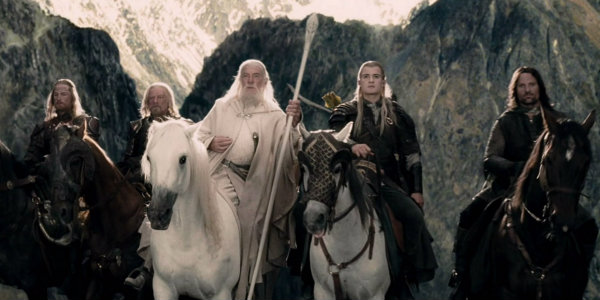
Now we€™re cooking. The Lord Of The Rings is Ages ahead of The Hobbit, with its prequel feeling like a watered down version of Peter Jackson€™s generation-defining trilogy. The Two Towers is the most drastically altered of the original three films in the transference from book to screen. Two of the novel€™s focal plot points - Boromir€™s death and Frodo€™s confrontation with Shelob - are moved to the other films in the trilogy. And yet it doesn€™t feel at all slight, with the continued balance of story and look feeling totally justified. The proper introduction of Gollum, a mix of groundbreaking CGI and Andy€™s Serkis€™ go-for-broke performance, could easily have overshadowed the rest of the film, but with the already well-drawn characters developed, new lands introduced and the action ramped up to jaw-dropping levels this stands as a remarkable sequel, a once more of the same and excitingly different. Where The Two Towers is weakened is by being a knowing middle entry. The Empire Strikes Back and The Godfather Part II are notable second films that rise above the rest of their trilogies thanks to not being made with the overall gameplan in mind (the grand scope of Star Wars and The Godfather wasn€™t decided at these respective points). The Two Towers, made explicitly as part two of three, is hampered slightly by having lots set-up, yet an inability to provide grand pay-off. This is far from a damaging issue, but when put against the sublime world-building of The Fellowship Of The Ring or resounding resolution of The Return Of The King, it can€™t help being the weakest film of the originals.

2. The Lord Of The Rings: The Fellowship Of The Ring
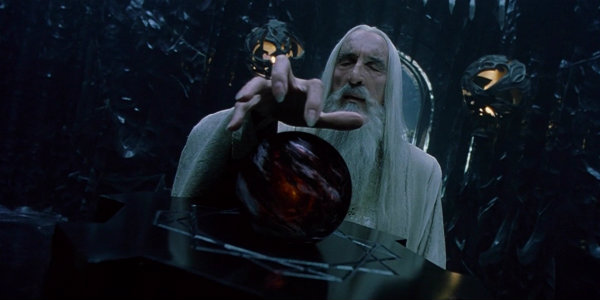
With six movies, each a box office success, it€™s hard to consider that when The Fellowship Of The Ring was first released a Middle-Earth blockbuster was something of a gamble. Fantasy, particularly high-fantasy, had only ever been done with mixed results in mainstream cinema, and, with Tolkien only familiar in geek ciricles, a film from a New Zealand gore-purveyor didn't immediately strike as having potential for being a massive phenomenon. What made The Lord Of The Rings so immediately popular was how it threw caution to the wind and went all in. Telling the epic story in the three movies it needed, there was no trepidation in presenting this new world or attempts to pander to audiences fresh out of the much lighter Harry Potter And The Philiosipher€™s Stone. All of which keeps to film as fresh today as it was in 2001. The largest hurdle in this regard is the stark change in tone. In Star Wars, Luke Skywalker goes from sun-gazing farmboy to hero of the Rebellion by way of saving a prisoner of war from torture, but it all feels like a consistent universe from the off. Here things are much more varied. Side-stepping from an epic prologue into rural Britain, the first movie takes its quaint middle-class hobbits out of their idyll and through the threat of death (and the loss of multiple friends) before sending them off into the wider world alone. However, thanks to Jackson's conviction in each stage, not once does it feel too much. This believable turn into the epic from the norm is something the majority of the trilogy€™s imitators have tried to replicate, but none (not even The Hobbit) had the patience on show here, with the time given for the audience to feel as much a part of the Shire-folk as the Bagginses.

1. The Lord Of The Rings: The Return Of The King
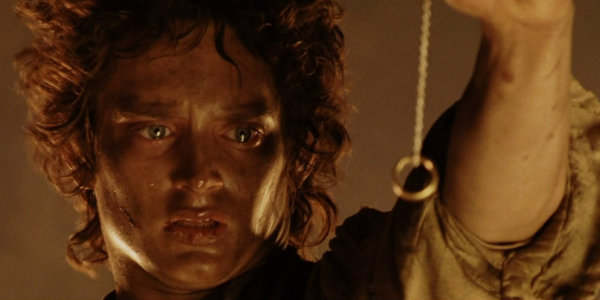
The Return Of The King has lots of endings. Like there being room on that door in Titanic and the unconvincing shark in Jaws, it€™s one of those oft-stated criticisms that is actually far removed from the movie itself. As the movies slip from their cultural peak, memories replacing actual viewings, the general public jump on these misjudged observations, believing them when a rewatch would explain them away; Rose and Jack both tried to fit on it and failed, the seldom-used Bruce is scarily real and without the multiple resolutions the end of The Lord Of The Rings would have felt flippant. At 201 minutes, The Return Of The King is a long movie, but it€™s far from a daunting undertaking. Delving into the politics of Gondor for the first time (assuming you're not watching the Extended Editions), something that's been looming over the trilogy thus far but hasn't been properly addressed, as well as detailing the springing of Gollum's spider-trap, there's a film's worth of plot present even before the final, Black Gate/Mount Doom set piece brings the series as a whole to a close. As an ending part (because, let's be honest, that's how the movie's always watched), there's the opportunity for The Return Of The King to have something the previous films explicitly couldn't - resolution. But it's the continued balance of the epic spectacle and the human emotion in of face of that which really makes the last chronological entry in the Middle-Earth Saga so complete. And it's all tied together by what is far and above the series' strongest scene; after three movies of slow descent, Frodo finally makes it to Mount Doom, where he finds it impossible to destroy the One Ring. The once fountain of good morals is now broken, irredeemable not even by friendship - the best of us has fallen, taking the race of men with him. Thank goodness for Gollum's self-destructive greed. So there you have it - Middle-Earth in film ranked. Did The Hobbit not get enough love? Is The Return Of The King really the best? Let us know your personal ranking down in the comments.

Contributor
Contributor

Film Editor (2014-2016). Loves The Usual Suspects. Hates Transformers 2. Everything else lies somewhere in the middle. Once met the Chuckle Brothers.