Physical Media Isn't Dying (You've Been Lied To)
Rumours of the demise of Blu-rays and DVDs have been greatly exaggerated. Here's why.
Exactly two decades ago, in 2005, physical media recorded its biggest ever year in terms of sales, accruing over $15 billion in revenue from a combination of DVD and VHS releases. This peak came following a boom for the two home video formats during the 1990s, which presented affordable ways for moviegoers to take the theatrical experience home when it had once been out of reach. It became a core pillar of the entertainment industry, extending the cultural footprint of box office smashes and giving a second life to those films that weren't as successful. Rental stores emerged as communal spaces in towns and cities. The whole ecosystem of cinema had been transformed.
But as we all know, it wasn't to last. 20 years on, in 2025, the forecast for physical media is decidedly more gloomy. Renting giant Blockbuster collapsed over a decade ago, beaten and bloodied by the rise of streaming services like Netflix and Prime Video, while yearly headlines declare that the industry is dead or near-enough close to it, thanks to a combination of streaming competition, shifting attitudes towards media consumption, the rise of video-on-demand premieres and so on and so forth.
We're also privy to the knock-on effects of this contraction, as hardware manufacturers shift attention away from 4K disc players, retailers shrink their physical media shelves, and Hollywood overall is forced to adapt to a reality where films now live and die in their opening weekends - as Matt Damon so eloquently explained in his appearance on Hot Ones in 2021.
The overall picture being developed from this isn't particularly rosy, and while I would be lying if I said the state of physical media overall is totally problem and/or worry-free, it would also be fair to say that the hyperbole surrounding the topic isn't all that helpful. As the industry pertains to movies and television, yes, physical media is not as popular as it once was. However, it has proven far more adaptable than the bulk of mainstream commentary has intimated, shifting towards a collector-first model led by boutique brands, cinephiles, and scholars, meaning that, for those who are investing in a 4K or Blu-ray collection right now - such as yours truly - things have never been better.
[Article continues on next page...]
Why Falling Back In Love With Blu-Rays Was So Easy
Before I go any further and extoll the virtues of Blu-rays and 4Ks as they exist today, an anecdote. Six years ago now, I had a bit of an epiphany. While I had grown up with physical media as a member of that awkward in-between generation known as the zillennials, waking up bleary-eyed on a Saturday morning to rewind my tapes of Batman: The Animated Series, Star Wars, and Independence Day, I'd come of age in the streaming era. Netflix came to the UK in the early 2010s and so, by the time university came around, I was locked in. The cost-benefit pay-off was obvious - pay a flat subscription fee and gorge on all the TV and films you could want, as opposed to forking out dozens of pounds for a bumper box-set that would also take up precious shelf space in a student haunt.
It was the kind of logic millions of people also followed around that time, as convenience, choice, and instant gratification expedited the movie-watching process and the binge TV model took FOMO and spoiler-related anxiety to new heights. They vacated the rental stores, sold their DVD players, and threw open the curtains to a neater, more seamless viewing experience.
But steadily, over time, streaming didn't remain such a no-brainer. Shows and films came and went, algorithms became more pernicious, and controversies surrounding censorship, delistings, cancellations, price hikes and so much more ignited a debate over the film and TV industries' digital transition and its various knock-on effects, especially as they relate to movie attendances, equitable industry compensation, and the nature of how we engage with medium of cinema itself.
It isn't clear how deeply these conversations have penetrated mainstream audiences (presumably little, given how Netflix, Disney and Prime Video continue to record strong figures year-on-year), but one consequence is that physical media has taken on another kind of cultural cache compared to its heyday, servicing primarily those film fans who are deeply invested in the medium, as well as those who have alerted to the lack that accompanies streaming in contrast to the DVDs they grew up with.
All of the aforementioned, plus the passing of my father - whose love for film was an ever-present in our relationship - galvanised me to reconsider my Blu-ray habits, and so, I took a wander to my nearest HMV and had a gander. The first thing I was struck by was the array of collectors' editions on offer, produced by independent labels like Criterion, Eureka, and 88 Films. One in particular stood out, however - Arrow Video, a label with a focus on genre whose branding recollected a retro rental store feel.

In and amongst the array of cult horror titles was something that struck an instant chord - a collector's edition of a film dad had recommended but that I'd never got around to watching: Sam Peckinpah's Major Dundee. The box was adorned with the stunning watercolours of artist Tony Stella, while the edition itself included a new 4K scan of the film, Stella's art as a full poster, a booklet of essays and complementary material, and copious amounts of bonus features to delve into.
The film itself is a brilliantly flawed masterpiece which you should absolutely watch if you're into Westerns, but the viewing experience overall was uniquely cathartic - both as a reintroduction to the full-bodied, comprehensive engagement that comes with taking your relationship with a film beyond the end credits, and as a totemic item that made a lost loved one feel just a little bit closer.
It was, in its own way, a kind of therapy, and it consequently recalibrated my relationship with cinema. Full shelves felt less like a burden and more like a comforting library - a reflection of my own filmic tastes and personality, and one that could be negotiated on my terms rather than an algorithm's. Streaming still had a function, but it was once again supplementary, not foundational, to my navigation of film and the history of film - a process further galvanised by an expanding Letterboxd watchlist and the gradually stagnating libraries the various streamers had to offer, all the while labels like Criterion and Arrow continued to announce and release gorgeous 4K restorations of classics and cult faves alike.
At the risk of all of that coming across as incredibly self-indulgent, I do think it serves an important context. There is a tangible, emotional quality that comes with physicality and one that has become more pronounced in the digital age. Think of physical media as another facet of people - primarily young adults - renegotiating their digital existence after coming of age in the social media and streaming era. First, there was the resurgence of vinyl, and more recently, the reemergence of film photography.
On a pure, fundamental level, it feels like people are coming to terms with the impact of convenience and the erosion of the little rituals that played a key part in our connection with art and memory. Not to equate consumption with protest or resistance, but engaging in these hobbies does also feel like a bit of a declarative statement against the notion of art as "content", as well as a small reclamation of a way of engaging with media in general, giving the time, space and energy to something so that it can sink into your pores as opposed to it being disposed of on a commute or background viewing.
It's not so much that there's an issue with engaging with art semi-passively (lord knows Spotify Premium is a welcome respite from public transport even as it rewards incurious habits), but rather that the method of delivery itself is important, and that when we devote the appropriate amount of time and respect to art, we're ultimately left with a more gainful experience. As far as film goes, 4K Blu-rays are a great pathway to achieving exactly that.
[Article continues on next page...]
Physical Media Vs. Streaming - Why Choose 4K Blu-rays Now?
The emotional case for physical media is compelling, but so too are the technical and economic arguments. Year on year, streaming services have upped their prices. This is in part to sustain the development of new, original productions to keep people invested on their platforms, with exclusives a key way of differentiating themselves from the competition. However, the quality of this original programming varies massively, and for every David Fincher-directed banger like Mindhunter or The Killer, you end up with two of The Gray Man or He's All That - disposable slop that gets shunted into the troff with the same level of care and attention as something more prestige.
The cost is further exacerbated by the tendency for streaming libraries to rarely extend their reach past 1980. Classics get forgotten, and the same familiar stable of nineties and 2000s hits are recycled over and over. Granted, this issue proves less glaring when you have multiple subscriptions to mix and match, but the point remains that these services have constructed an extremely narrow window for audiences to engage with the medium and, in the process, inhibited the sense of discovery that was part and parcel of pre-streaming models. There are reasons why catching a film on television or - better yet - perusing a retailer and finding something new and tangible hits so different: it's a process that stands in stark contrast to the convenience and familiarity the biggest streaming platforms have come to depend on.
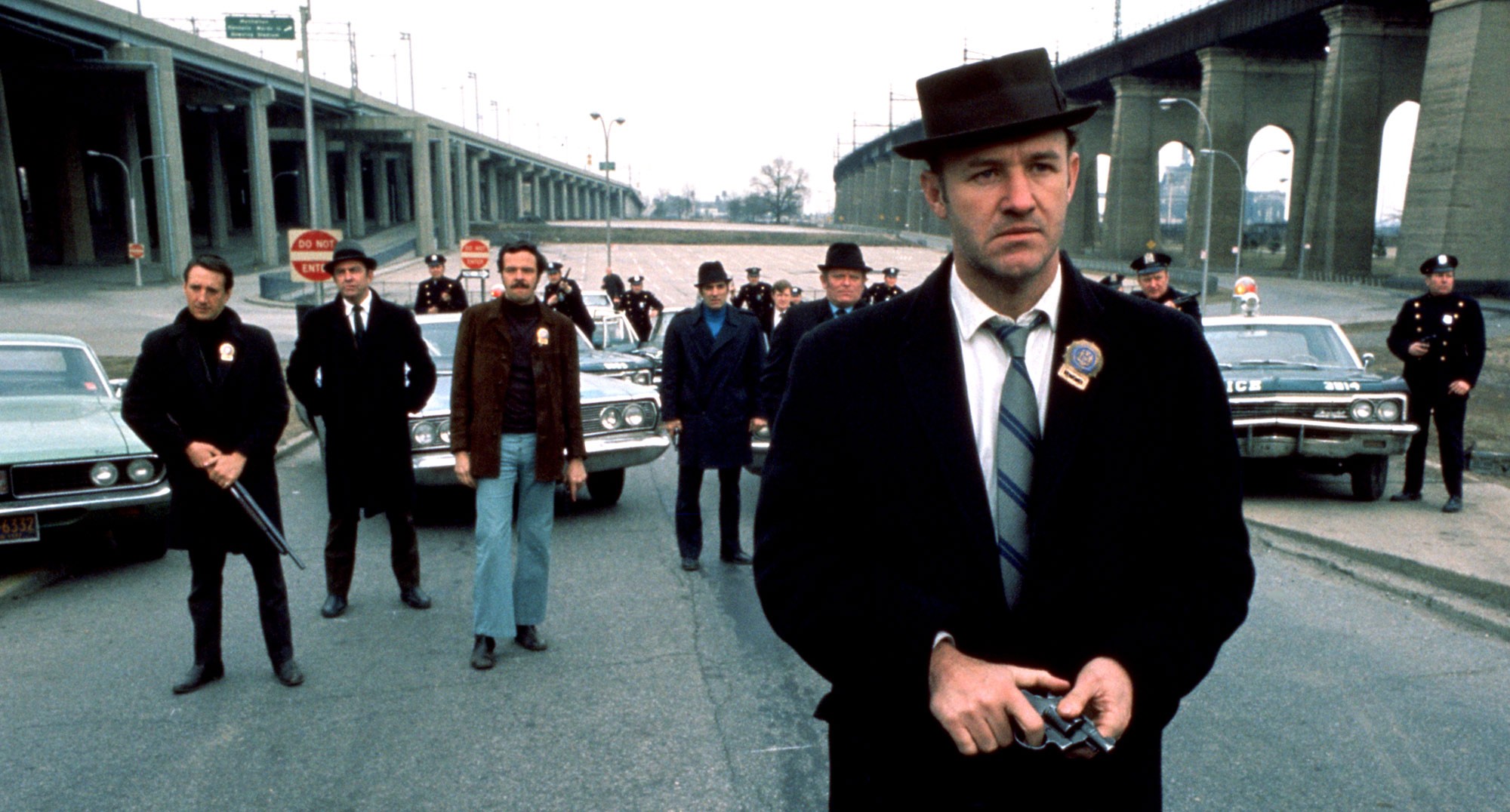
It is, perhaps, that search for safety that has also led to a worrying impulse from streaming services like Netflix and Disney+ to censor titles in their libraries. Episodes from popular TV sitcoms like Community have been delisted for fear of causing offence, while Disney's antics have ranged from the hilariously prudish to the downright vandalistic, whether that be hiding Daryl Hannah's butt with CGI hair in Splash, or accusations that it was behind the removal of a piece of dialogue in William Friedkin's The French Connection, where lead Popeye Doyle (Gene Hackman) uses a racial epithet in casual conversation.
Even if the vast majority of films are preserved on streaming censorship-free, the willingness from these services to tamper with their libraries demonstrates that they are poor custodians. Physical media doesn't entirely circumvent this issue, as new printings may also run the risk of censorship, but older discs are easily acquirable and, even with a 1080p Blu-ray, offer a superior audio-visual presentation compared to digital formats. 4K players will actively upscale 1080p Blu-ray discs, while 4K streams will always suffer from some kind of compression that makes them inferior to native 4K UHD discs. Physical releases also don't carry the risk of inconsistent subtitles or sudden delistings. In short, when you buy the disc, you're getting the superior package.
Not to say that there aren't pitfalls, of course. Navigating different restorations, editions, and cuts of different films can be a bit of a minefield - especially when it comes to discussions surrounding film grain, digital noise reduction, and so on. But at least there are options. On streaming, you get what you're given, whether it's a Frankensteined recolourisation of a black and white classic or the rubbery AI-laden restorations James Cameron has been going whole-hog on in the past few years. We're paying for a buffet, but the selection - most of the time - is wholly inadequate.
There'll be those who point to the fact that even with ballooning costs streaming still presents a cheaper alternative to amassing a physical library of films and TV shows, as well as the fact that film-first services like MUBI, BFI Player, and the Criterion Channel provide what the big streamers do not, but value is subjective.
Even if forking out cash for fancy limited editions or just average ordinary Blu-rays is objectively more expensive than paying a yearly fee for Disney+, physical editions - especially those produced by the boutique labels like Arrow - provide more bang for your buck, including a bevvy of complementary material that's absent from all of the streaming platforms. Interviews, commentaries, essays, and thoughtful physical collectables are all rolled into that price as well. The experience overall is just way more comprehensive, not to mention the lifetime value of being able to rewatch a film at your leisure however many times you please.
[Article continues on next page...]
Just The Facts, Ma'am - Why Physical Media Isn't Dying, But Changing
It's undeniable that the Blu-ray and DVD market has experienced a stark contraction as streaming increases in popularity, but rumours of its demise have been greatly exaggerated. Each year, Netflix boasts of its platform adding tens of millions of users despite clampdowns on password sharing and decisions to raise the price of its tiered subscriptions. At the same time, retailers like Target in the United States have withdrawn or drastically scaled back their Blu-ray sections, while the pace of new 4K UHD Blu-ray players being manufactured by companies like Sony has also slackened.
Oh, and there's "disc rot" too. Can't forget about disc rot. (An issue that will affect only a tiny percentile of disc-owners who store their collection in the Bog Caves of Swampsville.)
The non-issue of disc rot aside, cumulatively, this paints a despondent picture for the physical media market, particularly when you dwell on how Hollywood has also constricted in variety as the popularity of home releases has declined (again, thank you Matt Damon). But while the rise of streaming has left the medium worse off, the overall niche-ification of this particular industry facet has ironically resulted in something of a golden age for hobbyists. As the big home video arms of companies like Disney and Paramount take their foot off the gas, boutique labels have stepped in to deliver better products, which in turn has also led some of those aforementioned big companies to up their game as well.
Since the advent of the 4K UHD format, cinephiles have been treated to a smorgasbord of restorations of movie classics, giving us our best window yet into how these films looked when they were first screened. The difference in visual fidelity, colour vibrancy and depth of audio between the Blu-ray of Howard Hawks' Rio Bravo and its 2023 4K release, to use just one example, is night and day, while similar restorations of John Ford's The Searchers and David Lean's The Bridge on the River Kwai have also put their previous releases to shame.
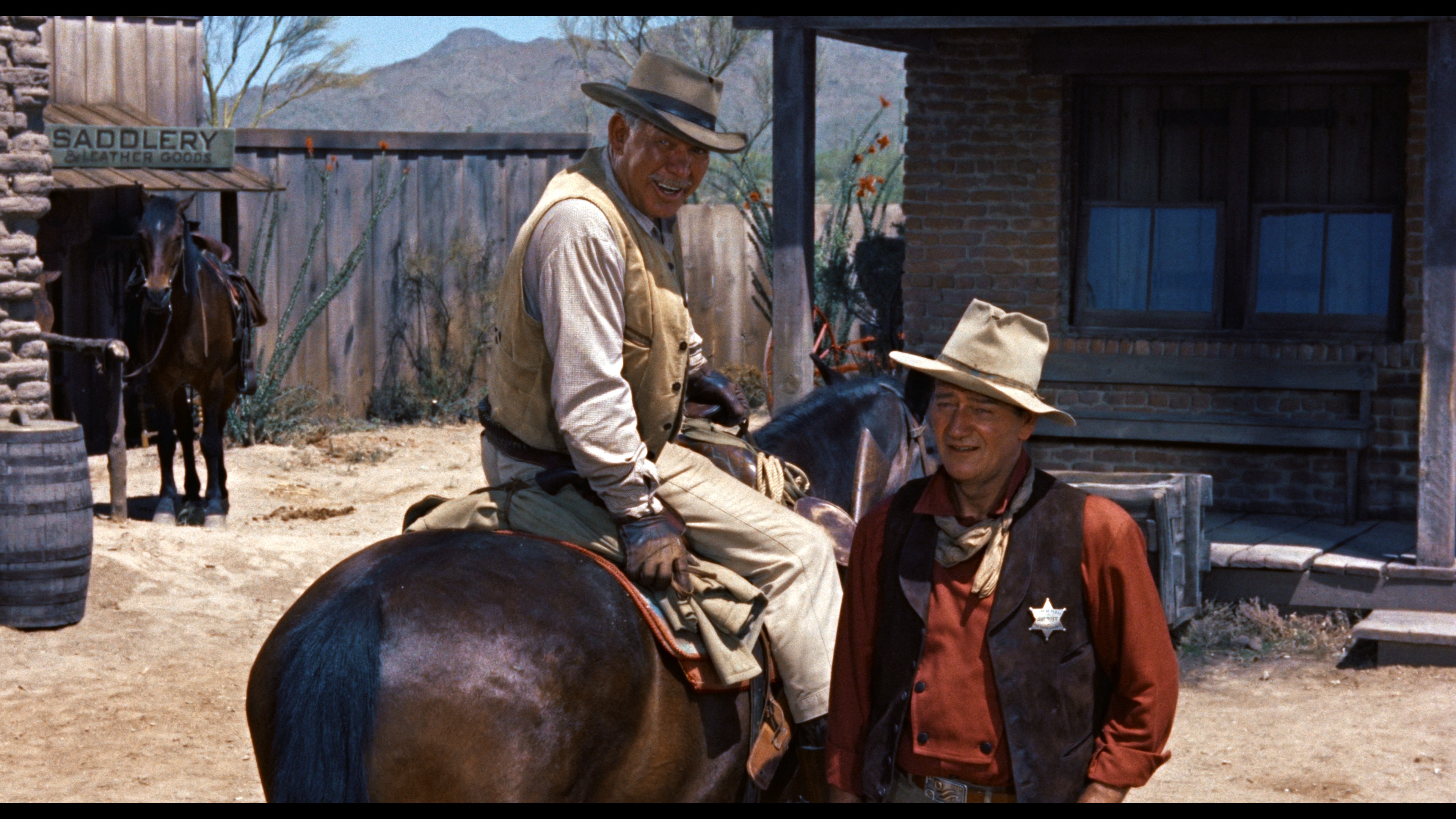
Even as the audience for physical media has shrunken, these new restorations - many of which are created alongside directors themselves - are reinvigorating familiar classics to a truly transformative degree, a process further buoyed by the revival of rep cinemas, which showcase many of these 4K restorations on the big screen to maximum effect.
But 4K is a format people can enjoy digitally, so what about physical media specifically is adding to that package? Well, apart from the aforementioned lack of compression that comes with using a disc, I think the best way of demonstrating what makes the format so strong is to pick out a few releases from my collection that best exemplify all those lovely little bonuses. Is this a glorified case of adult show and tell? Yes. Do I feel guilty about it? Absolutely not.
The first I want to show off is the collector's edition of The Hitcher done by Second Sight. Like Arrow, Second Sight is a UK-based company that specialises in limited edition packages of genre cinema, and as with Arrow, a lot of its catalogue is primarily centred around horror. I'm going to chalk that up as some kind of response to the video nasty controversies Britain endured in the eighties and nineties - so take this as some kind of ironic rebalancing of the cosmic scales that we're now the boutique horror capital of the world - but the cool thing about it is that both brands feel of a piece with that retro video rental culture, and that relationship - whether tacit or explicit - has led to dozens of cult genre classics getting bespoke 4K treatments. They're real labours of love, and Second Sight's 4K of The Hitcher is a testament to that.
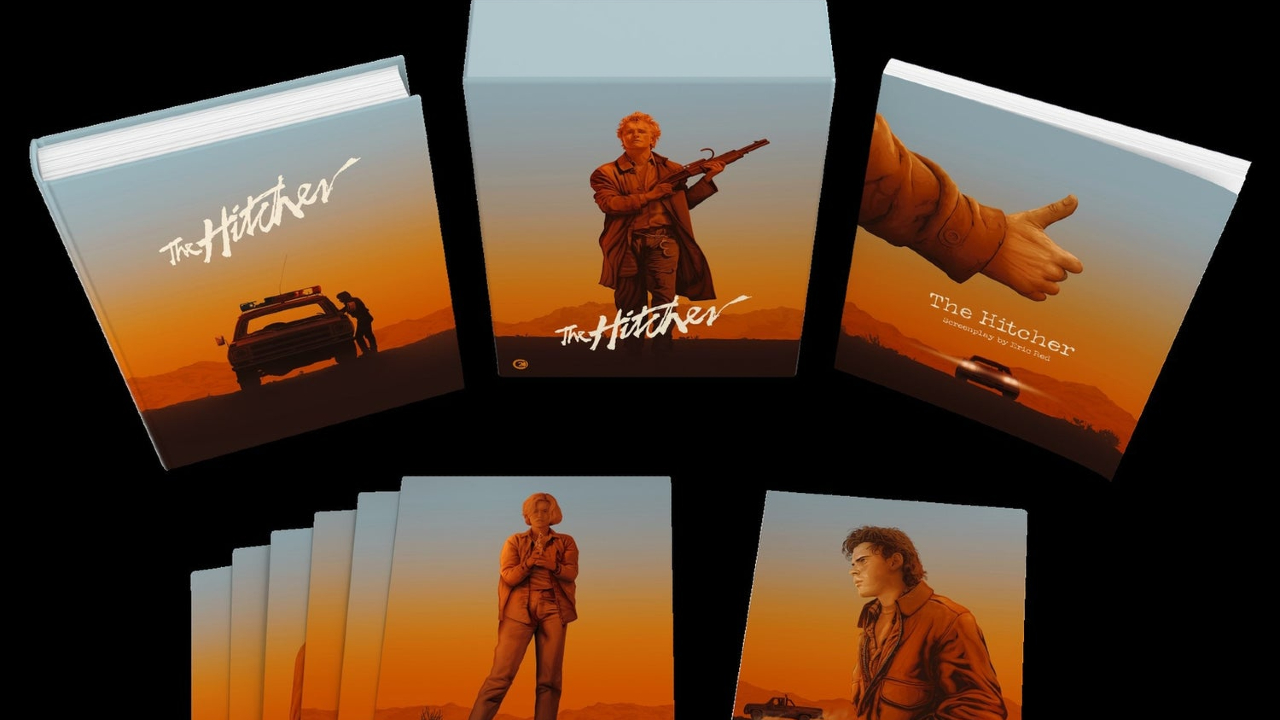
Featuring custom artwork by Adam Stothard, a 200-page book of interviews, essays, and behind-the-scenes photography, and a printing of the full, original script by Eric Red, this is what I'm referring to when I say that physical media is in a golden age. The 4K restoration itself is also stunning, supervised by the film's director, Robert Harmon. It's so good, in fact, that I initially bought the Blu-ray, watched that, was blown away, and then had to go out and get the 4K. It helps of course that The Hitcher itself is an incredible movie - one of the cult masterpieces of the eighties - but what made my affection for it even greater was the collective package provided by the physical release. It was basically the perfect springboard to dive into a Hitcher-themed abyss of thematic analysis and behind-the-scenes insight. You could not ask for more.
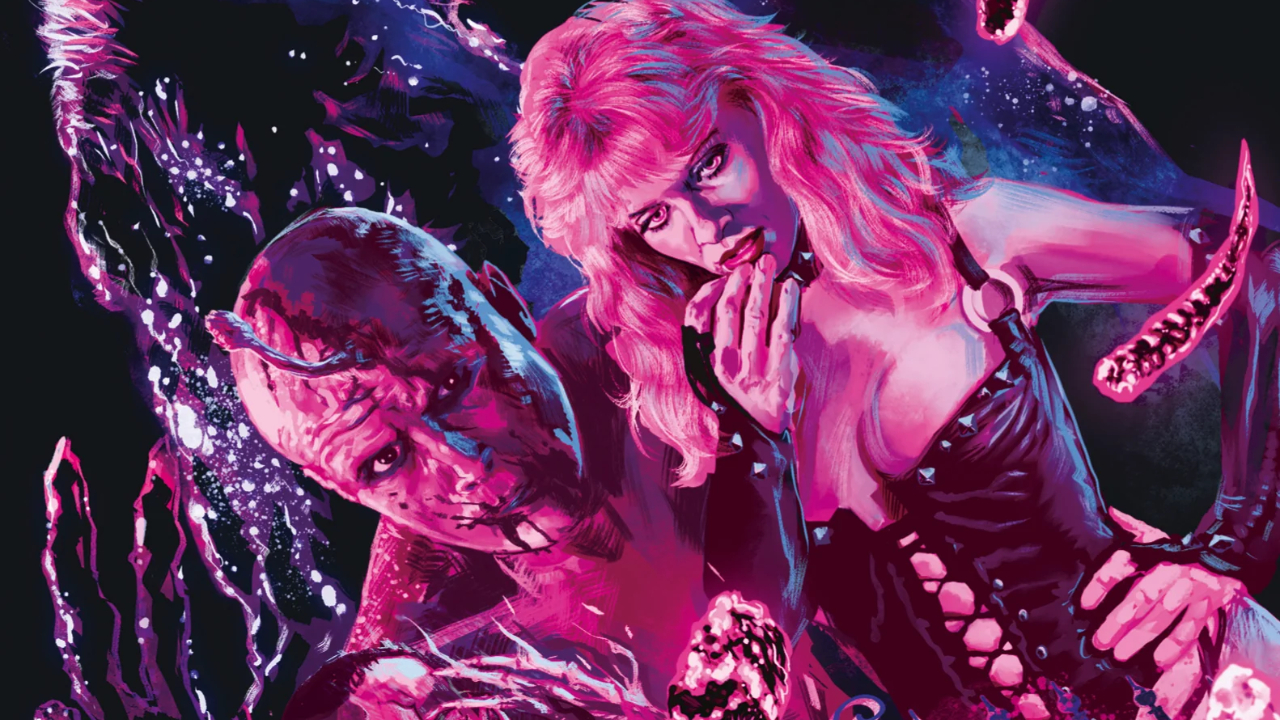
Another amazing UK-based label is 88Films, which is a bit of a genre virtuoso, covering everything from Hong Kong martial arts cinema to drama and horror. Some of my favourites of theirs include the underrated Jackie Chan, Shu-Qi, and Brad Allan-starring Gorgeous; Stuart Gordon's cult classic Lovecraft adaptation, From Beyond, featuring the brilliant Jeffrey Combs and Barbara Crampton; and lastly John Sayles' 1987 opus Matewan, a film everyone must watch at least once in their life and which has been lovingly restored and repackaged by 88.
Then there is the previously mentioned Arrow, whose catalogue spans from obscure cult cinema to mainstream Hollywood cinema. Their limited editions are always worth the price of admission - especially when they feature art from Tony Stella. Combined with that retro logo and theming, Arrow is a delicious vibe all around, as are other UK labels like Indicator and Eureka Entertainment, the latter of which is truly doing the lord's work with its Masters of Cinema series, which collects essential classics from filmmakers like Billy Wilder and Fritz Lang.
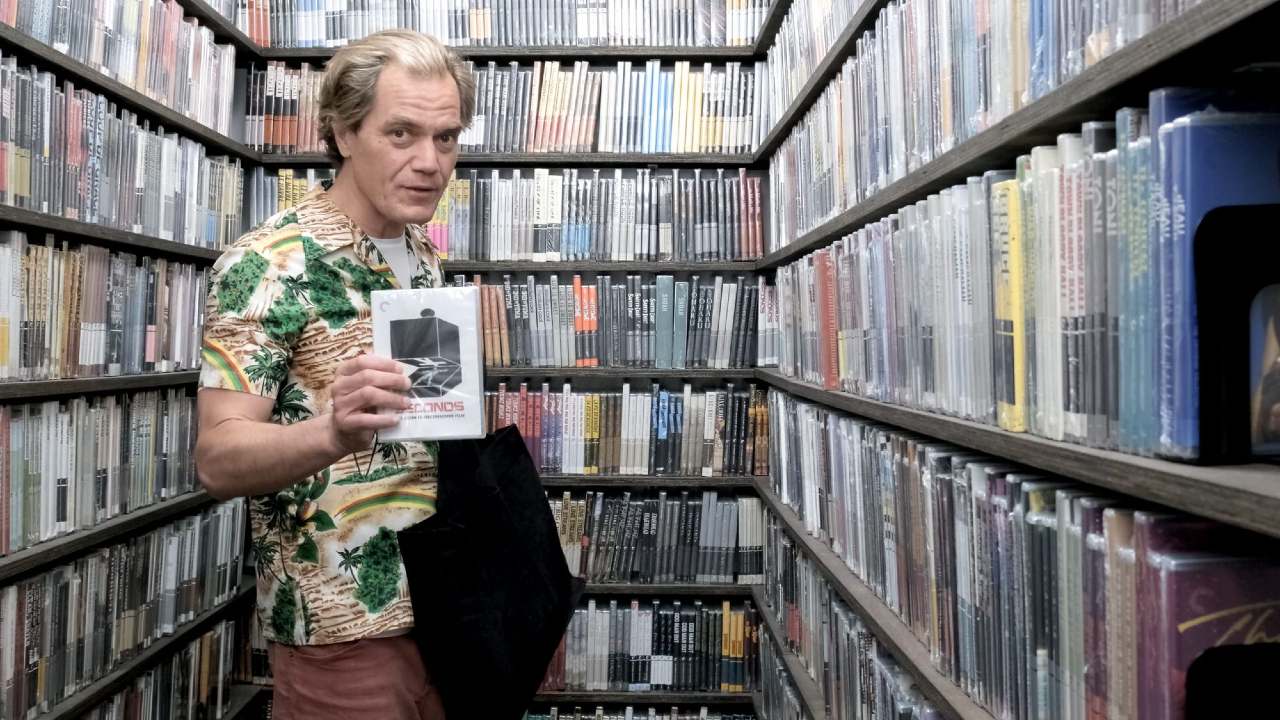
And, of course, there's the daddy of the boutique label scene - Criterion. Criterion's packages may lack goodies but they make up for that with sheer authority and presentation. The brand is also at the forefront of restoration and the cultural conversation surrounding film at home, with the Criterion Closet a physical media Mecca for hobbyists and a fantastic advertisement for the pasttime in general, with actors, directors, and other industry figures being invited to the closet to take home a goodie-bag and have a low-key conversation about the films they're choosing.
Apart from being killer viral marketing, these videos basically epitomise the forgotten catharsis of the rental store experience - the tangibility, the shared conversation, that sense of memory and discovery. Put simply, they're a conduit for community, and while social media should pick up the slack for the decline of those spaces, it's no substitute. There's a fundamental "grass-touching" component that has been steadily eroded, and now what we're left with is glimpses like this.
[Article continues on next page...]
Streaming Might Be Here To Stay, But That Doesn't Mean That Discs Are Dead
It's a sad irony that physical media's golden age has coincided with the decline of these spaces, but at the same time, without their absence - the lack - would the need to innovate and distinguish from the main mode of consumption have been there? Possibly - most of the labels mentioned have been going since the 1990s - but by sheer virtue of the streamers failing to meet the emotional and technical qualities audiences had once grown accustomed to, their boons are rendered in stark technicolor. It might not be enough to stop our myriad hobbies from being stuffed into a digital box, or for Netflix and Disney+ to add another couple of million subscribers to their coffers, but maybe posing the question is all that's needed.
So no, physical media as it pertains to movies is not dying. Is it less popular than it once was? Absolutely, and one would argue that's to the detriment of the industry as a whole (again, thank you Matt Damon), let alone the idea of film as a place of shared experience and community beyond the cinema.
But despite all that, it's thriving in its own way. At no other point in home media's existence has there been as many films available to watch, where we can expect a cult movie like Tremors 2: Aftershocks to get as loving a 4K restoration as something like Francis Ford Coppola's The Conversation. We have, quite literally, never had it so good, bittersweet though it may be to have all this goodness come along after the streaming blob has asserted its dominance.
To be clear - this isn't an argument about swearing streaming off altogether. There is an inherent value-for-money aspect to these services that, even with inflation, makes them an attractive prospect. Fancy 4Ks are a premium product, but sales are regular and 1080p Blu-rays still have a reasonable entry point as far as pricing goes. It's not about completely substituting one method for the other, but rather potentially affording space to a format and letting back in the idea that space is there to be used.
There's a difference between complementary pieces in a home and generic "stuff" that's basically just clutter. We accept this when it comes to books and artwork, but in the frenzy to get streaming and do our best "I don't want to play with you anymore" Toy Story 2 moment, disc-based media seemed to become (and still is, to a degree), a quaint novelty. DVDs and VHS tapes could be garish, but again, looking back over the last decade of physical media specifically, what we have now are legitimate display pieces that reflect the personality of the buyer. If it's a green flag to walk into someone's house and see a well-stocked bookshelf, then surely the same should apply to films? (You know, red-flag interests depending, obviously.)
Ultimately, it's a question of value. While there's a beneficial place for streaming in the industry ecosphere, it lends a transient quality to what are essentially cultural artefacts. (Yes, I am including Scooby-Doo and Scooby-Doo 2: Monsters Unleashed when I say that.) That lack of permanence and the idea of disposability - of background viewing, second screen habits and algorithmic attempts to shunt you from the end credits to something else at the earliest convenience - is antithetical to a healthy viewing experience.
Each time those end cards get minimised, or you're greeted to a little pop-up telling you to skip a TV show's intro, is a big tell that these businesses aren't invested in the art of storytelling. There's a lack of respect afforded to the craft, whereas with the boutique labels especially, it's very clearly the opposite.
Movies have always been a business, and so too is physical media. But by devoting the time and energy to these films, what we essentially have is a refutation of the tech-led industry consensus of art as "content". It's a small act of rebellion, granted, but it's enough to stake survival on and perhaps, long-term, remind everyone why we fell in love with cinema in the first place. It's not meant to be a time filler or a distraction. It's a ritual, and one worth practising.