Physical Media Isn't Dying (You've Been Lied To)
Streaming Might Be Here To Stay, But That Doesn't Mean That Discs Are Dead
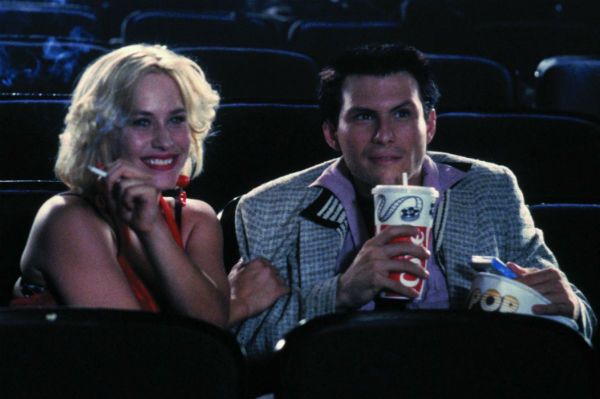
It's a sad irony that physical media's golden age has coincided with the decline of these spaces, but at the same time, without their absence - the lack - would the need to innovate and distinguish from the main mode of consumption have been there? Possibly - most of the labels mentioned have been going since the 1990s - but by sheer virtue of the streamers failing to meet the emotional and technical qualities audiences had once grown accustomed to, their boons are rendered in stark technicolor. It might not be enough to stop our myriad hobbies from being stuffed into a digital box, or for Netflix and Disney+ to add another couple of million subscribers to their coffers, but maybe posing the question is all that's needed.
So no, physical media as it pertains to movies is not dying. Is it less popular than it once was? Absolutely, and one would argue that's to the detriment of the industry as a whole (again, thank you Matt Damon), let alone the idea of film as a place of shared experience and community beyond the cinema.
But despite all that, it's thriving in its own way. At no other point in home media's existence has there been as many films available to watch, where we can expect a cult movie like Tremors 2: Aftershocks to get as loving a 4K restoration as something like Francis Ford Coppola's The Conversation. We have, quite literally, never had it so good, bittersweet though it may be to have all this goodness come along after the streaming blob has asserted its dominance.
To be clear - this isn't an argument about swearing streaming off altogether. There is an inherent value-for-money aspect to these services that, even with inflation, makes them an attractive prospect. Fancy 4Ks are a premium product, but sales are regular and 1080p Blu-rays still have a reasonable entry point as far as pricing goes. It's not about completely substituting one method for the other, but rather potentially affording space to a format and letting back in the idea that space is there to be used.
There's a difference between complementary pieces in a home and generic "stuff" that's basically just clutter. We accept this when it comes to books and artwork, but in the frenzy to get streaming and do our best "I don't want to play with you anymore" Toy Story 2 moment, disc-based media seemed to become (and still is, to a degree), a quaint novelty. DVDs and VHS tapes could be garish, but again, looking back over the last decade of physical media specifically, what we have now are legitimate display pieces that reflect the personality of the buyer. If it's a green flag to walk into someone's house and see a well-stocked bookshelf, then surely the same should apply to films? (You know, red-flag interests depending, obviously.)
Ultimately, it's a question of value. While there's a beneficial place for streaming in the industry ecosphere, it lends a transient quality to what are essentially cultural artefacts. (Yes, I am including Scooby-Doo and Scooby-Doo 2: Monsters Unleashed when I say that.) That lack of permanence and the idea of disposability - of background viewing, second screen habits and algorithmic attempts to shunt you from the end credits to something else at the earliest convenience - is antithetical to a healthy viewing experience.
Each time those end cards get minimised, or you're greeted to a little pop-up telling you to skip a TV show's intro, is a big tell that these businesses aren't invested in the art of storytelling. There's a lack of respect afforded to the craft, whereas with the boutique labels especially, it's very clearly the opposite.
Movies have always been a business, and so too is physical media. But by devoting the time and energy to these films, what we essentially have is a refutation of the tech-led industry consensus of art as "content". It's a small act of rebellion, granted, but it's enough to stake survival on and perhaps, long-term, remind everyone why we fell in love with cinema in the first place. It's not meant to be a time filler or a distraction. It's a ritual, and one worth practising.