Star Trek: 8 Things The Kelvin Timeline Movies Got Right
1. Rebooting Star Trek
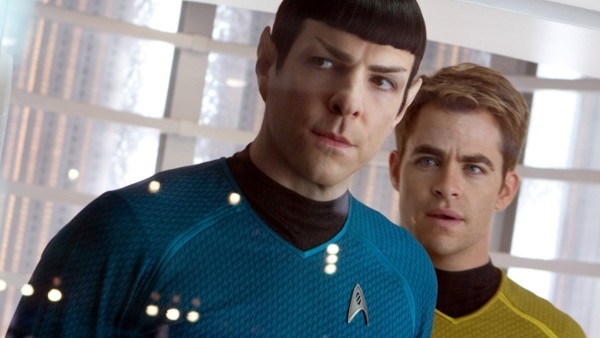
Reboots are notoriously terrible, hence the era of the soft reboot we currently inhabit. But with more than 40 years of canon and history behind it, the Star Trek franchise was bloated and impenetrable when Abrams and Bad Robot took on the unenviable task of reintroducing it to audiences.
By retaining the old timeline and carving out a new continuity in a new universe, Abrams and writers Roberto Orci and Alex Kurtzman were able to walk a fine line between homage and hard reset.
At the time the biggest box office take for a Trek film, Star Trek (2009) clearly succeeded in drawing in new viewers by tweaking the tried and true formula and making these films fun again (imagine that). The confluence of the charming cast, beautiful production design and photography, and a warm, inviting new take on an old universe, made the Kelvin Timeline films the rare reboot success.
Nevertheless, these films became a case of diminishing returns after only three installments. It's possible the resurrection of Star Wars meant audiences only had room in their wallets for one "Star"-based franchise. Or it's the fact that Paramount waited a whopping four years before releasing a sequel to the 2009 crowdpleaser. Or that they released Star Trek Beyond in Summer 2016, a bloodbath for nostalgia franchises including Ghostbusters and Teenage Mutant Ninja Turtles.
Despite all that, there's a reason Star Trek: Discovery and even Star Trek: Picard feel more akin to these films than they do "classic" Trek. The Kelvin Timeline paved the way for CBS' current Star Trek-palooza, so you know, try not to just remember the part where Spock screams "Khaaaaaaaan." These are good.