The Outer Worlds: 11 Gameplay Details You Need To Know
9. Dialogue Options Are Vast (And Dependent On Your Build)
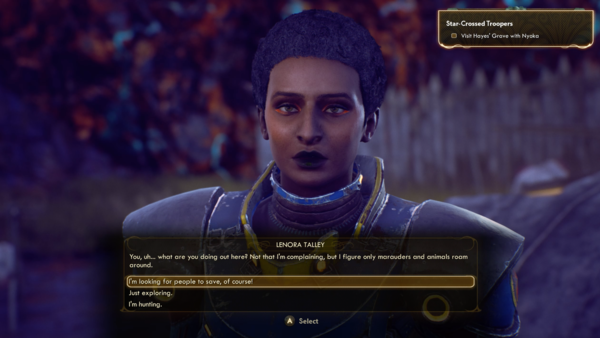
Though it was a noble effort, Betheda's decision to give a voice to the player-created protagonist in Fallout 4 resulted in far more limited options in conversations, exemplified in such a memeable way by the constant appearance of a "sarcastic" option that virtually meant nothing and didn't change the conversations in any meaningful way.
Thankfully, Obsidian have kept it old school, and while your protagonist isn't voice acted, they do have a wide range of responses when interacting with characters. A lot of these aren't simply to prompt a "good" or "bad" narrative path either, on account of there being no overt morality system, which means the role-playing possibilities are way more nuanced and personal.
Even better, on top of the wealth of regular responses are specialist speech checks, which unlock alternate routes through quests or even more dialogue branches. While this has always been a staple of the Fallout franchise (and it works very similar here, requiring your skills to be of a certain level), it's more than just charisma that matters.
The game takes into account a whole load of attributes when it comes to how your character can solve problems, which again really rewards you for adopting a specific role.