8 Mind-Blowing Details In Radiohead Albums You Never Noticed

8 of the most beautiful details that anyone has ever found in a Radiohead album, whether they intended them or not.
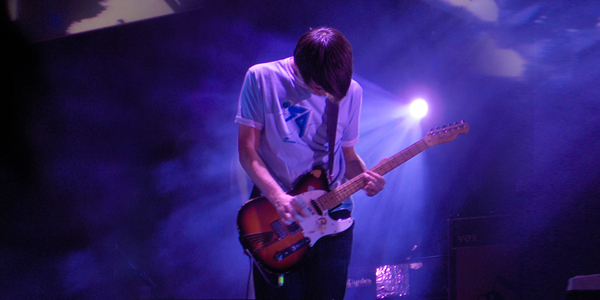
Music is a tool to unite people, but so often it breaks us into subcultures. If there's one thing that we can all agree on as music lovers though, whether we adore them or abhor them, surely it's that Radiohead are absolute geniuses? Radiohead aren't just labelled as geniuses though, they have an almost mythical status, like The Beatles or Pink Floyd, where conspiracies seem to stick to them. It's possibly because there's no one quite like them in the modern world; they're insanely forward-thinking, extremely private and they hardly ever conduct any interviews. That's without touching on how many people claim their music has changed their life. The truth is though, Radiohead are perfectionists. They're ingenious, wonderful musicians, and they really put the hours in; so much so, that Thom Yorke often complains of how physically draining it is making a record with them. Well, here are eight of the most beautiful details that anyone has ever found in a Radiohead album, whether they intended them or not.

8. The Golden Ratio Manifests In Reckoner

There's a number that's used in architectural design, called the "golden ratio". As you can imagine from the name, employing the golden ratio in your work will proportion it to optimum beauty; artists famously used the formula to make their work as aesthetically pleasing as they possibly could. This number works out to about 1.6180339887, or about 61.8%. If you listen to 'In Rainbows', a record that's 42 minutes and 43 seconds long, and work out when you're 61.8% through the record, you can estimate it to be about 2:49 in track 7, 'Reckoner'. At this point in the song, the vocals change key, Thom Yorke's voice ascends, and the backing vocals start whispering the album title. It's a theory that's been refuted in the past, but when asked in the record had a centre, Yorke referred to that moment in 'Reckoner'; "Everything's leading to that point then going away from that point," he said. Whether it's intentional or not, it's a fantastic little detail of a masterpiece.

7. The Portal To The Future

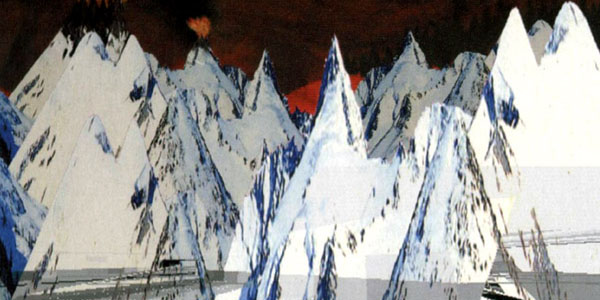
Whilst no one really understood 'Kid A' to begin with, we look back on the record now as a masterpiece beamed to us from the future; even though it was the year 2000, 'Kid A' sounds so much more aware of the decade to come. But actually, it wasn't the just music that was sent from the future. There's a booklet hiding in the 'Kid A' CD case, that contains mysterious scribblings and jumbled poetry. These snippets of phrases would become lyrics on the following two albums, 'Amnesiac' and 'Hail to the Thief', meaning that Radiohead had basically hidden a portal to the future on their album. Most lyrics from that period were actually written by picking phrases out of a hat and forming songs from incoherent feelings; many of the songs that made it onto 'Amnesiac' were actually considered for 'Kid A', and at one point, the band toyed with the idea of releasing a double album. So whilst it's really not that crazy that the band would have lyrics for future songs - they've released songs almost a decade after writing them before - it's a lovely touch for the fans.

6. The Amnesiac Library Book

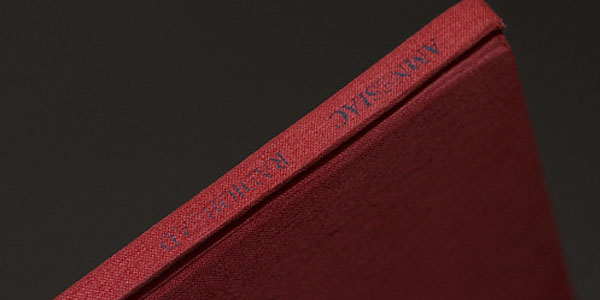
On the subject of 'Amnesiac', it's an unfairly maligned album. It was following two of the greatest records ever released and one of the finest reinventions a band had ever made; it might not live up to those ridiculously high standards, but it's got its fair share of great songs. And it's wonderfully packaged. 'Amnesiac' came as a library book, complete with stamps of how many times it had been taken out from "Nosuch Library". It's an album about trying to piece together the events of the last album, hence its title, and for the record to take the form of a book or journal is a clever move. As is the maybe-reference to the river Liffey, or Lethe if you're interpreting memory loss, mentioned on 'Kid A' centrepiece, 'How to Disappear Completely'. Perhaps the most ingenious little detail though was the card that read, "Spine damage", relating to the fact that text on the spine was slightly faded. If that's not perfectionism, what is?

5. The King Of Limbs Was Teased In These Are My Twisted Words
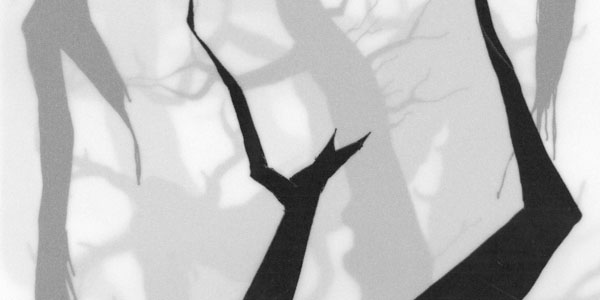
'These Are My Twisted Words' certainly woke the early-era Radiohead fans up; finally, a return to the rock of old, they thought. A following EP 'Wall Of Ice' was believed to be on the way. It never came. A dubstep-influenced fourth record followed much later. Of course though, Yorke and co. knew exactly what the future held when they released 'These Are My Twisted Words'. The artwork to the single-only release contained several sheets of tracing paper with branches on them, that could be rearranged in whichever order you wish: you choose the cover for it. And whilst that's brilliant enough, the band went one step further; these branches can be arranged to spell out the letters to "King of Limbs". This was two years before the album would come out. Now that's foreshadowing for you.

4. The OK Computer Numbers

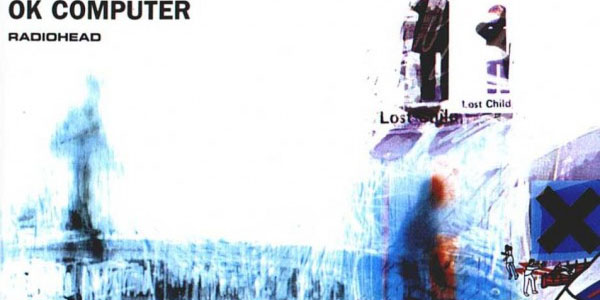
It's not just since 'Kid A' that Radiohead have become astonishing perfectionists intent on turning their fans into nervous wrecks, though. The number 18576397 is printed on the back cover of 'OK Computer'. It's fairly easy to miss, but it supposedly relates to the exact time that the album was completed: 18:57 on the 6th of March, 1997. Which is a nice detail for the record, but it's not the first time that the band have done that sort of thing; the number 1426148550 appears on the Airbag EP, the number of a pager. If you dialled the number, you'd get through to what sounded like Thom Yorke, and a pre-recorded, "Hello?" Is it any surprise that Radiohead fans scan their CD booklets from first page to last, trying to find significance in the smallest of details, when the band themselves do things like that?

3. The Imagery In Hail To The Thief And In Rainbows Aligns
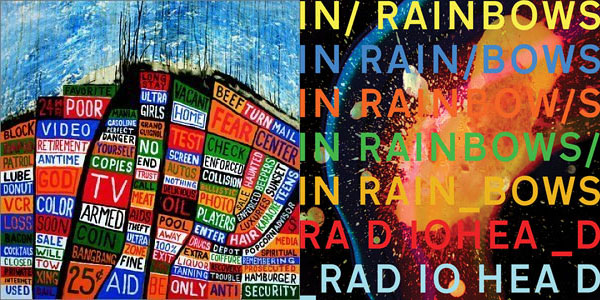
'Hail to the Thief' was an extremely angry record, it's more than fair to say. When Thom sings of sailing to the moon, it becomes apparent that this is an apocalypse for the band; an album about releasing all agitation. Whilst some Radiohead fans, and the band themselves, may claim that its not their best record, it only makes 'In Rainbows' all the more important; a rainbow in the Bible, was God's peace offering after the storm. 'In Rainbows' was a literal peace offering; it was released for however much you wanted it for, and it was a serener record than its predecessor. There's talk throughout the album of the devil being just below, ready to catch you, and that certainly follows on from the almost mystical despair in 'Hail to the Thief'; even though the band are on calmer ground now, it can still crumble.

2. The Water Imagery

Water is used in poetry and literature to suggest many things, but on 'How to Disappear Completely', it was interesting that Thom's desolation and depression manifested in the thought of him floating down a river; later on 'Kid A', he claimed to be "lost at sea". It's the same in 'Like Spinning Plates' and 'Pyramid Song'; though neither of these songs are strictly about depression, it's fascinating that the imagery should carry on through them, in what was a downbeat, introspective and thoughtful record intended to compliment the last one. The ocean is the setting for 'In Rainbows' gem 'Weird Fishes/Arpeggi', too. Only this time, instead of helplessly floating with the tide, Yorke sings about how he wants to "hit the bottom and escape"; it's a much more positive view, and again, he uses water to show the sadder sides of his psyche, as he wants to escape them, and surface from these feelings. The water arc perhaps ends however on 'The King of Limbs', an altogether more comfortable reflection of Thom Yorke. 'Lotus Flower' compares him and his love to the titular plant that actually floats on the surface of water, but has roots deeper in the water; likewise 'Codex' talks of water being "clear and innocent", and about having the choice of swimming, rather than being helpless in the sea. It's an intriguing metaphor to make, and one that Yorke's been making his whole career without us actually realising.

1. The Binary Theory

Finally, the conspiracy to end all Radiohead conspiracies, and something that Yorke has actually referred to, when he stated he was surprised it had taken fans so long to work it out. The theory states that 'OK Computer' is represented in binary as 01; 'In Rainbows' as 10. The 'OK Computer' working title was "Zeroes and Ones", the title starts with an "O", has ten letters, and was released ten years before 'In Rainbows'. 'In Rainbows' starts with a "I", also has ten letters, and was released on October 10th (10/10), after being teased ten days before; the artwork also shows two number tens, hidden in the band's name, as the "I" and "O" are spaced away from the rest of the word. So what? Well, the theory goes that if you align the two albums in a certain way - alternating between the two, but leaving 'Karma Police' and 'Fitter Happier together' - you have a perfectly synchronised playlist. That sounds bonkers - and actually it is - but there's no denying how well the tracks actually flow together, even down to the lyrics. 'Lucky' talks of an air crash, before 'Videotape' talks of death, and alien abduction of 'Subterranean Homesick Alien' follows 'Bodysnatchers'. Remember to leave a crossfade between the songs of the playlist though: ten seconds of course. Which details do you love in Radiohead albums? Comment below!

In this post: 
Radiohead
 
Posted On: 
Contributor
Contributor

Mark White hasn't written a bio just yet, but if they had... it would appear here.