Illegal downloading is killing music. That's what any record label exec will tell you at least; record sales are plummeting, people are caring less and less about music, and the industry will eventually collapse. It's up to a brave and imaginative few to spark life into the art form and keep us excited about music, although let's face it: the music is often the last thing that catches our attention these days. In the age of the internet, Gangnam Style became a worldwide hit off the back of a YouTube video. Less obvious than that, a lot of Daft Punk's success last year came from an intelligent marketing campaign, and David Bowie's triumphant return to music can be attributed to his last few years of laying so low, we wondered if he was okay. Artists can't generate hype in the same ways they used to, and the industry is learning to adapt. It's the album release though that's most fascinating; artists are learning new ways to connect to the public and coming up with new ideas of how to sell their records. But how exactly are artists changing the ways they release albums? Here are eight of the most ingenious ideas and experiments that have happened since the dawn of the internet.
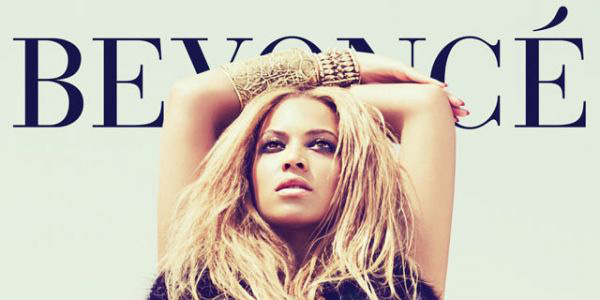
8. Keeping It Secret Beyonce
http://www.youtube.com/watch?v=p1JPKLa-Ofc Beyonce's had the kind of resurgence these days that doesn't really happen to popstars who have been around longer than ten years; suddenly, she's the most talked-about star on the planet, topping charts and being proclaimed a genius, and it's mostly down to her excellent eponymous new album. Its release though, has also captured the imagination of her fans. Rather than posting photos on Instagram and updates on Twitter, Queen Bey didn't tell anyone she was in the studio; her record label codenamed the record 'Lily', and released it exclusively to iTunes with no prior warning or big announcement. It remained exclusive with iTunes for a week before distribution was widened, but many stores, including Target and Amazon, refused to stock the album after the star had released only with Apple. It's a similar idea to that of husband Jay-Z, who along with Kanye West, kept 'Watch The Throne' exclusive to iTunes first; the pair also went to huge lengths to prevent the album from leaking, with West only recording in hotel rooms and refusing to send out copies to journalists. iTunes was the perfect outlet for 'Beyonce,' given that the project had accompanying visuals; it meant that Beyonce could sell HD videos and her music simultaneously. Many though have questioned how long it will be exactly before everyone starts releasing straight to iTunes, bypassing the CD stage completely.
7. The Power Of MySpace Arctic Monkeys
The story of the Arctic Monkeys is a fascinating one. Four lads from High Green and Hillsborough, Sheffield, start a band; Matt Helders only learns the drums because "all the other instruments are taken", and swaps his DJ decks for a kit. The band start writing songs about the world around them and pick up a following: so far, so normal. But then comes the extraordinary side of things. As the band travelled further afield for gigs, they realised that more and more fans would know the words to their songs. Despite a young Alex Turner telling us not to believe it, the hype grew; the band, who weren't exactly internet marketing geniuses, realised that fans had been sharing their demos on MySpace. It was the fanbase that were plugging the band. When the video for 'I Bet You Look Good On The Dancefloor' was filmed, they hadn't finished the album version of the track; 'Whatever People Say I Am, That's What I'm Not' was hurriedly-finished and released to this huge demand. It wasn't the first example of a band using the internet to their advantage or the band's fans, to put it another way but it was the most successful example. The album became the fastest-selling debut of all time, shifting more copies than anyone else in the top 20 combined, and the rest is history. Arctic Monkeys have flown in at number one with all five albums, received three Mercury nominations, and are one of the biggest bands in the world, nearly ten years after recording that first record.
6. Releasing Music Via Sheet Music Beck
Beck Hansen has always an ambitious musician, if not an utterly eccentric one. From the lushly-textured Odelay, to the choose-your-own-artwork of The Information, right up to his fantastic re-imagining of David Bowie's Sound And Vision, complete with a 360-degree orchestra, he's always tried to push the barriers with his music, but 'Song Reader' was a step further than he'd ever been before. 'Song Reader' isn't really an album, but a book; it contains sheet music to twenty new songs, and was released with the idea of the audience in mind. They could interpret the record however they wished - literally - and then hopefully, cover versions would spawn from this project; Beck is actually hoping to release a compilation of fan versions, at some point, but is currently releasing another album, and working on the next one. The ingenuity of 'Song Reader' is that it's impossible to download it illegally, but the problem is that you can't enjoy it unless you play a musical instrument. The idea of getting your fans to learn how to play guitar is a fantastic one, but he'll no doubt get fans more exciting with new record 'Morning Phase', out February 24.
5. Giving Weekly Free Tracks From The Album The Pretenders/Kanye West
Legends from the 70s and 80s don't exactly have a reputation for being inventive with their music; it's generally considered that bands that are still going are simply cashing in on former glories, or reuniting to cash in on huge ticket sales. But whilst a lot of music fans probably don't realise that the Pretenders are still going into the 21st Century, the band's 2008 record, 'Break Up The Concrete' was massively innovative in its release. The band released free tracks from the album in advance, giving fans a weekly taster of what was in store for the album. It's a technique that was later taken up by Kanye West who started the G.O.O.D. Fridays initiative in 2010; West released a track every week from his website, from August until December, and many of the tracks made his 'My Beautiful Dark Twisted Fantasy' album. Swizz Beatz later followed suit, taking a Monday slot before Timbaland Tuesdays. Kanye West in particular didn't actually benefit from the free downloads scheme; 'My Beautiful Dark Twisted Fantasy' had significantly lower sales than his previous records. Following records have been considerably more secretive.
4. Giving Albums Away With Newspapers And Tickets Prince
http://www.youtube.com/watch?v=bG301CI1rHs Pint-sized popstar Prince is known for a fair few things changing his name to a symbol is probably the one that most people will remember but his overwhelmingly generous album releases have probably made his name more than his music this century. In 2004, Prince awarded anyone who was going to his Musicology concerts with an album of the same name; his 'Planet Earth' album was also given away with gig tickets, but what perhaps caught most attention was giving 'Planet Earth' away with the Mail On Sunday. UK record stores criticised the move, so Columbia deciding against stocking the album at all; HMV however took the bold decision of stocking the issue of the Mail that contained the record, claiming it was the only way that they could sell the record. Jay-Z made headlines last year when he struck a deal to put his latest album 'Magna Carta Holy Grail' on all new Samsung phones, meaning that the album sold a million copies overnight without actually being sold directly. It's a scheme that Prince seems to have adopted as the norm, as latest album '20Ten', released conveniently in 2010, followed the example of 'Planet Earth', this time being released with copies of the Daily Mirror; sales of the paper reportedly increased by over 330,000. Unsurprisingly, the Mirror gave Prince a favourable review for the record.
3. Asking The Artist To Build The Record Themselves Kaiser Chiefs
http://www.youtube.com/watch?v=hkVvJQlW9Lc Not exactly indie's big innovators, the Kaiser Chiefs went with a potentially loopy idea to shake up the industry in 2011. The Leeds rockers' fifth record, 'The Future Is Medieval', consisted of twenty-three songs. Fans could visit the site and listen to thirty-second previews of these songs; after these previews, they could then order ten songs, however they wanted, and choose clip-art pictures to form an album cover. Fans could then share their versions of the album: every time a fan version was bought, that fan would earn a pound from the sale. The idea didn't work for several reasons. Firstly, the thirty-second previews didn't give fans long enough to decide on tracks; growers were left off of many albums, and there were too many songs to take in all at once. The fan versions of the record that were available to purchase also flopped, as anyone who wanted the album assembled their own version, and didn't want to pay for the privilege of owning two unofficial versions. The record was Nick Hodgson's last as the songwriter and drummer; 'The Future Is Medieval' might just have taken the band down a wrong turn at a pivotal point in their career. New album 'Education, Education, Education & War' follows this year.
2. Unlocking Content Rihanna
http://www.youtube.com/watch?v=tg00YEETFzg In 2011, Rihanna took took advantage of her 85-million strong Facebook following with the album release for 'Talk That Talk'. A campaign entitled 'Rihanna: UNLOCKED' enabled fans to complete games in order to unlock new information about the record. The Facebook app worked rather like Groupon; the more fans who participated, the closer they became to finding a new piece of information. When a certain number had reached the target, the information would be released; these pieces of information ranged from the cover, to a lyric sheet, to the lead single, 'We Found Love'. On the other side of the web, Rihanna eventually earned herself a million new followers on Twitter, and became one of the most talked about celebrities on the internet; she saw a 445% increase in her being mentioned in tweets. Of course, the 'Talk That Talk' album release only worked because of Rihanna's immense social media presence, but it did imply that other megastars could use their presence like that in future; it perhaps influenced Beyonce to rely on her name to sell her self-titled album.
1. The "Pay What You Like" Model Radiohead
The ultimate innovative album release, Radiohead turned music on its head with 2007 release 'In Rainbows', an album that was released the public for whatever price they wished to pay. The band revealed ten days before the album release that 'In Rainbows' was on the way, before leaking the record themselves. The idea was to give fans the power, after Thom Yorke became increasingly frustrated with both Radiohead and his solo career being dogged by online leaks. The release caught the imagination of music fans across the world though; some claim that it did more damage than good Lily Allen was among the doubtful, claiming that music should have a price and some claim it has revolutionised the art form. Everyone had an opinion, from Bono stating that it was imaginative, to the Guardian worrying that Radiohead had "made it increasingly hard for new acts to survive." Whilst many argued that the model was crazy and that the band wouldn't make any money, it was claimed that the band made more money from 'In Rainbows' than any other record, despite a rumoured 60-70% of downloads being free, and 2.4million copies being downloaded over bittorrent. Whether they bought it, downloaded it or stole it though, the band didn't seem to care; even Thom Yorke didn't pay anything for it.