10 Traitors Who Were Proven Right
4. James II Wasn't Fit To Sit On The Throne - James Scott, 1st Duke Of Monmouth
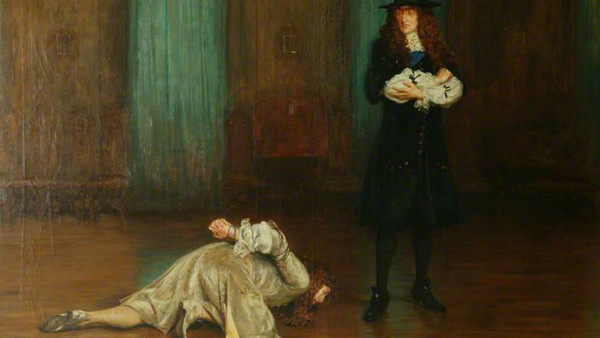
Poor James Scott (aka James Crofts, aka James Fitzroy, aka The Duke of Monmouth). The illegitimate son of Charles II, Scott was born into a privileged position.
Popular with the nobility and the common man, like many illegitimate royal children (and Charles II had plenty of them), Scott could have lived quite happily in a life of luxury.
However, Scott was convinced that Charles II had in fact been secretly married to Lucy Walter, Scott's mother, when the then exiled King was living in Europe during the period of the English Commonwealth that followed the civil war.
Though Charles II acknowledged James Scott as his natural son, he refuted to the end any claims that he had ever been married to Lucy Walter.
So when Charles II died in 1685, it was his younger brother James II who succeeded him. James was a Catholic and much less even-tempered than his elder sibling. Even before he came to the throne, efforts were made by some in parliament to exclude him from the succession on account of his religion.
Scott's popularity with the masses, and alleged involvement in plots against the King, had forced him to live abroad for a time. When his father died, Scott felt he was secure enough to make his move. Unfortunately, it was a case of bad timing.
Returning to England shortly after his Charles II's death, the Duke of Monmouth hoped to raise an army and overthrow his uncle. Although he managed to gather together many supporters, it was not enough to take on the new King's army, and Monmouth's Rebellion -as it came to be called- was swiftly crushed.
Captured two days after his defeat at the Battle of Sedgemoor, Monmouth was found guilty of treason and executed.
If only Scott could have waited. Opposition to James II's religion, and even more so the opposition to his belief in the absolute power of the monarchy, led the people to rise up against him. Even some of the commanders who had suppressed Monmouth's Rebellion, such as John Churchill, turned their back on James II.
Parliament invited Mary, James II's own daughter, to invade England with her husband William of Orange in 1688, and the King was overthrown in the Glorious Revolution.