8 Venomous Creatures We Use To Make Drugs
They bite, they sting and they hurt but they also help cure diseases.
When you think venomous snake, the last thing that comes to mind is saving lives. However, scientists have found a way to make the deadliest creatures here on earth seem much friendlier. There are all kinds of different venoms, from the venom of toad skin to the sting of a cone snail, all the way to the modified saliva of a snake. Some can affect the nervous system neurotoxins others can affect tissue and blood haemotoxins and some can concern muscles or the heart myotoxins and cardiotoxins. Certain animals can even bear a combination of these toxins. Regardless of the types, all these toxins werent good news - that is until scientists got involved. Researchers have managed to extract good from what we thought was all bad. Now venoms can help cure excessive bleeding, strokes, neurological diseases and even cancer and ageing in some cases. Here is a small guide to venom based drugs and the creatures we got them from.
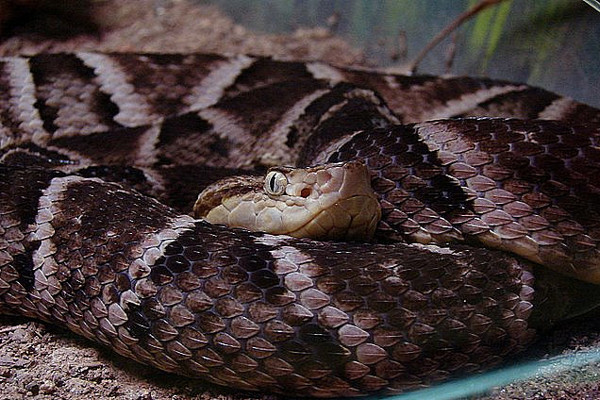
8. Brazilian Pit Viper - The Hypertension Master
7. The Cone Snail - Natural Morphine
Cone snails (Conus magus) live natively in the Indian and Pacific Oceans, where they feed on small fish. The little defenceless and slow-looking snail is actually a vicious predator. Their prey is often much faster than they are, so rather than go into training, they've armed themselves. The snails fire a tooth which contains the venom at prey or enemies, just like a harpoon. The snails use potent neurotoxins in their venom to immobilise and capture their meals. The smaller species of snails produce a painful sting like a bee, but larger ones can be fatal - for any human who has been stung by a cone shell, the chance of mortality is 90 percent. These little snails produce hundreds of different conotoxins, each with its own specific molecular targets, making them one of the most exciting sources of potential new drugs. A single conotoxin will only bind with a single type of nerve ion-channel. This makes the conotoxins a very precise and effective tool for research. Neuroscientists can reach into this toxic tool chest and switch on or off the precise component of the nervous system they are studying. Scientists produced a synthetic peptide called Ziconotide capable of blocking pain inspired by one the of the snails conotoxin that paralyses prey. This drug is used to relieve chronic pain, and is 100 times as effective as morphine and because it targets different receptors to opiates it is unlikely to produce the same addiction response. There are also a few other cone snail toxins that have been transformed into potential pharmaceuticals to treat pain, addiction and cancer, awaiting the results of clinical trials.6. The Dusky Pygmy Rattlesnake - No More Blood Clots

5. The Gila Monster - The Anti-Diabetic Soldier
The Gila monster (Heloderma suspectum) is not a monster like its name may suggest but a lizard with a fierce reputation found throughout the south western US and into Mexico. According to a Native American legend, Gila monsters can spit venom and kill a man with just their breath. But while theyre not the most cuddly lizards around, they cant really spit venom nor does their breath smell terrible. However, with their venomous bite, they can hold on like their lives depend upon it. Though their venom isnt fatal, it certainly isnt comfortable, and perhaps their tenacity is partially to blame for their bad rep. More than a dozen toxic peptides have been isolated from the Gila monsters venomous saliva. Among these, there is a molecule that can mimic our bodies natural hormones that stimulate insulin release when blood sugar rises. The lizard protein is about 50% identical to a hormone released from the human digestive tract that helps to regulate insulin and glucagon but remains effective much longer that the human counterpart. In 2005, the drug was approved by the FDA to treat type 2 diabetes sustaining glucose levels and progressive weight loss and is also being investigated for the treatment of obesity because it helps suppress appetite and increase feelings of fullness. The saliva of the Gila monster also contains a chemical that affect and heighten memory. Several companies have been researching the abilities of this chemical to help memory loss due to various diseases such as Alzheimers, schizophrenia, and ADHD. Gilatide is likely to be researched further to provide help to Alzheimers patients.4. The Lancehead Snake - Monitoring Your Blood Pressure

3. The Medicinal Leech - The Blood Doctor
Leeches were used in medicine long before we understood the causes of many diseases. People believed that excess blood or bad blood were to blame for just about any medical problem. Thus, some societies would perform bloodletting with the aid of leeches to treat a wide variety of illnesses. Still today, medicinal leeches (Hirudo medicinalis) are sometimes used to enhance circulation in skin grafts or reattachment surgeries, and there are doctors who will use leeches to treat muscle cramps and varicose veins. Now, though, the leeches therapeutic effects have nothing to do with the blood they remove, but rather the more than 60 compounds in their venom that have anaesthetic, anti-coagulant, vasodilatory and anti-inflammatory properties. All these are necessary for a stealthy blood sucking meal and preventing the ingested blood from clotting and turning the leech into a brick (which can somewhat inhibit your ability to be a leech). Unlike conventional anticoagulants, these leech-anticoagulants have the advantage of being selective for specific clotting factors, without affecting others. At least 14 different anticoagulants have been obtained from leeches.2. The Saw-Scaled Viper - Blood-Thinning Specialist
