10 Best Lighthearted Doctor Who Episodes

There's camp, and then there's CAMP.
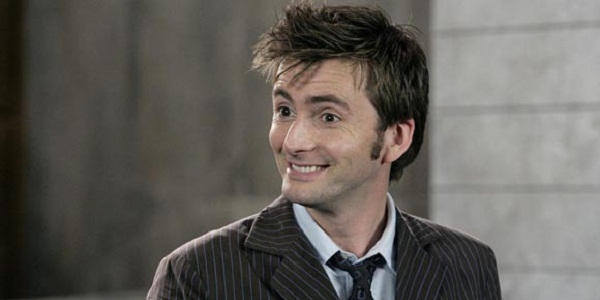
The lighthearted episodes of Doctor Who vary public opinion massively. Some love them, and some loath them. They are often labelled as camp romps, but surely that assessment is unjust for some of the dreary tales the viewers are greeted with. Boom Town, anyone? The universal appeal of Doctor Who is its diversity; in the twelve weeks comprising series eight viewers have had terror from Listen, tales of morality from Into The Dalek, whimsical fairytales from In The Forest of the Night and€ camp romps from Robot of Sherwood. Each series generally follows a similar format of mixing up the types of episodes in order to appeal to everyone. Series eight, touted as the darkest since its return, has been quite dark in parts admittedly, but nowhere near as dark as many had hoped. Its lighthearted episodes are where the Twelfth Doctor stalls, somewhat. Peter Capaldi is much more suited to the dark terrors of Kill The Moon than the lacklustre laughs of The Caretaker. The finale, which begins with Dark Water on Saturday, looks set to be another extremely dark tale so let's take a look through some of the best lighthearted episodes of the past eight series as the calm before the storm.

10. Love & Monsters

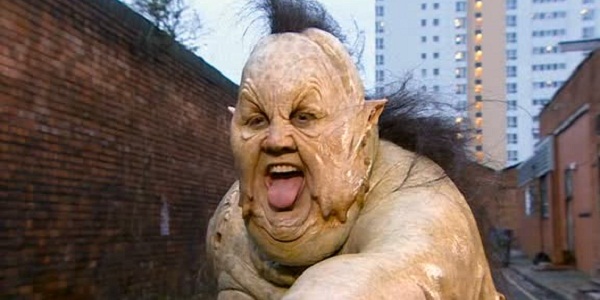
Love & Monsters is universally hated by the masses so it may be surprising that it even made this list, but it gave series two some much needed breathing space amidst the slavery of the Ood and the battle between the Daleks and the Cybermen. Admittedly it may not be the best story, but its humour sparkled. It was based upon concept art created by a child as part of a competition for Blue Peter and this is very evident from the crude form of the Abzorbaloff. But Doctor Who is a show for children, so this doesn't matter much. Here the Doctor and Rose take a backseat, and Marc Warren€™s Elton Pope takes the central role. He is clearly companion material and it is surprising that he was never brought back. Love & Monsters showcased what an asset to Doctor Who Camille Coduri was and her partnership with Warren likewise sparkled. Taking a u-turn midway through, the lighthearted elements fizzled out as the extent of the Abzorbaloff€™s murderous spree manifested - with some dodgy CGI. So why is this episode so hated? Perhaps it's the lack of the Doctor, perhaps it's the inclusion of Peter Kay and his over-the-top portrayal, perhaps it's the humour. Many disliked the implied reference to Elton€™s relationship with the Ursula paving slab. Looking at it overall, it is very east to see why it is hated. But placing it amongst the darker notions of Tennant€™s debut run allowed it to standout. This may be for all the wrong reasons, yes, but it is still remembered. Surely that€™s a good thing?

9. Dinosaurs On A Spaceship

Dinosaurs. On a spaceship. Already that had many sold. Anything including dinosaurs is going to appeal to many, and this episode was a massive step up from Doctor Who€™s last bout of dino-fever in 1974. The special effects were sensational for Doctor Who€™s TV budget, and the supporting cast were all great. Like most episodes on this list, Dinosaurs on a Spaceship included darker notions as Solomon€™s massacre of the Silurians became apparent and the Doctor chose to kill him, but the lighthearted elements rendered most of this suitable for primetime TV. Viewers were greeted with feminism trumping misogyny as Amy and Queen Nefertiti battled the velociraptors, family relationships as Rory€™s dad boarded the TARDIS, and the Doctors blossoming friendship with Tricey. All of these were a pleasure to watch. We won€™t mention the robots though€ Again this episode worked so well because of its scheduling. It was common knowledge that the Ponds were departing midway through the seventh series, so a lighthearted adventure was needed. It couldn't be all doom-and-gloom.

8. New Earth

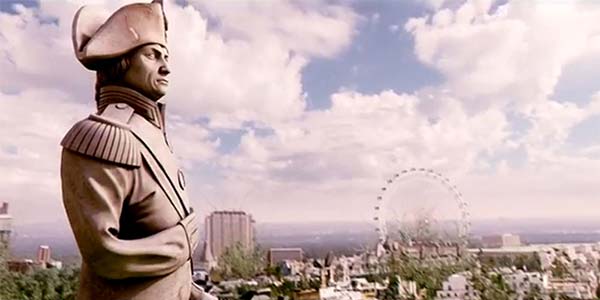
Ij Cassandra Most new Doctors feature familiar characters and enemies to help ease in the transition. The Eleventh Doctor faced the Daleks early in his run, and the Twelfth Doctor adventured with the Paternoster Gang. New Earth saw the return of Cassandra and the Face of Boe. Yes, Cassandra is the very epitome of camp, and a character many would like to forget. But she was very memorable. The Michael Jackson-esque character featured in two parts of this loose trilogy and her nefarious ploys gave way to a vulnerable past. This was a prime example of Doctor Who doing sincere, and it worked exceptionally well. But prior to all this the viewers saw a zombie-like plague sweep through the New New York Hospital and some feminine acting from Tennant. Like Love & Monsters this episode divided public opinion, but it did greet the viewers with their first glimpse of an alien world (albeit, one which looked pretty much identical to our own) and it sparked the romance between the Doctor and Rose. And it was all down to Cassandra€™s meddling. Surely you all have to be thankful for that at least.

7. The Lodger
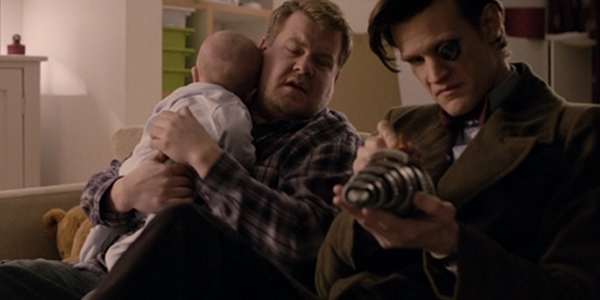
The Lodger was fantastic, as the Ninth Doctor would say. Utterly fantastic. But its sequel, Closing Time, ruined it. It's not as though Closing Time was extremely poor, but many can€™t quite accept that the notion of love defeated the Cybermen. Hopefully they have upgraded beyond this flaw for their return. Taken as itself, The Lodger is a prime example of Doctor Who doing something different and excelling. Amy takes the backseat here, and James Cordon€™s Craig Owens welcomes a new flatmate. Matt Smith shows of his comical acting here as the socially-inept Doctor in one of many standout performances. It was a tale laced in humour and, like many of these tales, one much needed before the darkness of the ensuing story. Many disliked the failed resolution at the climax of the tale, but that should surely be forgiven now that fans know who the ship belonged to. In the grande scheme of things it doesn't much matter. What does is the chemistry between Smith and Cordon, one which fizzles likewise in its sequel. Rumours have been rampant online that Cordon will eventually return for a final appearance, forming another loose trilogy, but it remains to be seen how that will work with Capaldi€™s gruffer Twelfth Doctor.

6. Aliens Of London / World War Three
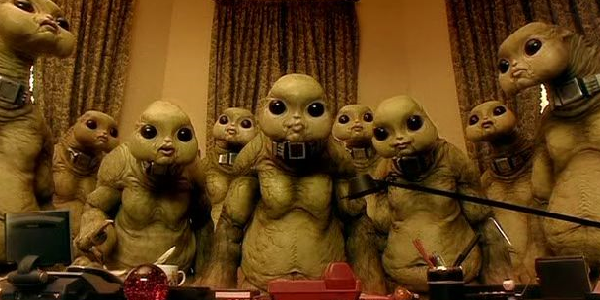
Farting aliens may not be many people's cup of tea, but the Slitheen are an extremely memorable race. They are amongst the small handful of aliens who have come from the newer series of Doctor Who and can be classified as iconic - the Ood, the Weeping Angels and the Silence are perhaps the only other races. So what is so great about this tale? For the first time the viewers come to realise that the Doctor isn't brilliant; he has taken Rose from her family for an entire year and her family must confront the truth about her disappearance. Its bleak undertones play beneath a blanket of flatulence and Aliens of London and World War Three are amongst the highlights of the debut series. This tale wouldn't suit Steven Moffat and it certainly wouldn't suit Peter Capaldi, but somehow it did suit Christopher Eccleston. As nice as it would be for the Slitheen to return at some point, it would be quite hard envisage Capaldi€™s Doctor facing off against them. The Slitheen's return in Boom Town was a massive letdown and yet there is still scope to expand upon these Raxacoricofallapatorians.

5. Let's Kill Hitler

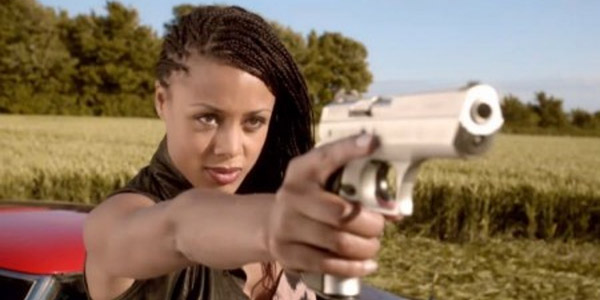
Following the sublime A Good Man Goes To War, Let€™s Kill Hitler was a bit of a let down. River Song was brilliant as always, as was Alex Kingston€™s chemistry with Matt Smith, but it is quite hard to fathom that Amy and Rory would simply accept not bringing their child up. Nina Toussaint-White€™s turn as Mel / River Song would have surely worked better had she recurred for the majority of the second half of series six; her reveal in the finale would have come as a huge shock. That said, shock she did, and her brief appearance generated an iconic image for the show. So why does this episode rank so high on this listing? Purely based upon Kingston€™s portrayal of the young, deranged River Song. Her deliverance of €˜Well, I was on my way to this gay Gypsy bar mitzvah for the disabled when I suddenly thought "Gosh, the Third Reich's a bit rubbish. I think I'll kill the Fuehrer.€€™ was laugh-out-loud funny, and perhaps one of the most memorable lines in the eight series thus far. Poking fun at Hitler by banishing him to a cupboard disgruntled many fans, but this line made it all worth it. Bring back River.

4. The Crimson Horror

Surprisingly, Mark Gatiss produced a stellar episode during the show's seventh run, one which his past escapades failed to match. The Crimson Horror was another example of laugh-out-loud humour as the Paternoster Gang, and in particular Jenny, took the forefront. These three characters vary public opinion, but they somehow worked brilliantly in this tale. The Crimson Horror gave viewers an insight into how the Paternoster Gang work together and the fantastic acting by all included should be lauded. They, and Smith, made what is otherwise a rather boring tale into one extremely memorable. These four actors made this macabre episode deliciously camp which more than made up for the poor reveal of Mr Sweet. Diana Rigg was likewise brilliant as Mrs Gillyflower; her portrayal of deranged, strong willed biddies is exceptional. Just look at Game of Thrones€™ Olenna.

3. Partners In Crime

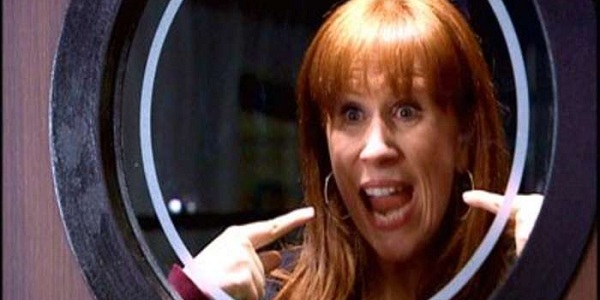
Blobs of fat aside, Partners In Crime is remembered for that scene. You know the one of course - the reunion between the Doctor and Donna. Catherine Tate€™s comedy finesse plays exceptionally well here, and yet her portrayal isn't over the top like her previous appearance. It's more subtle, and ultimately more funny. Who can forget her refusal to mate with the Doctor or her giddy glee upon spying the Doctor through the windowpane? Both scenes are extremely memorable and they made previous naysayers fall in love with Donna. The return of Rose aside, this episode is lighthearted with a capital L. Sarah Lancashire€™s Ms Foster began a long line of strong female villains, Donna€™s relationship with Gramps Wilf was beautiful to watch, and the Adipose were perhaps the cutest monster to ever grace our screens. In order to showcase the descent Donna undergoes, such a lighthearted introduction was needed and Partners In Crime is perhaps the greatest opener we€™ve had to date.

2. The Unicorn And The Wasp

Doctor Who has done murder mystery many times before - most recently in Mummy on the Orient Express - but it never worked quite as well as The Unicorn and the Wasp. Taking elements from Agatha Christie€™s influential work, The Unicorn and the Wasp was camp. Boy was it camp. But it worked. Catherine Tate is on top form in this episode, and is clearly relishing the comedic tones from Gareth Robert's script. There are many memorable scenes, including the Doctor and Donna€™s infamous kiss, Donna trying to guess the culprit and Donna unwittingly giving Agatha Christie many influences for her future works. Hell, this was an episode all about Donna. Like Partners In Crime, such an episode probably wouldn't have suited a different companion. It is Tate€™s previous work which allows her to excel in this tale; there are tones of many of her sketch show characters in her portrayal here. The Unicorn and the Wasp was, along with Partners In Crime, the only lighthearted episodes in series four and yet the fourth series is generally regarded as the best series of Doctor Who's return. It's all down to Tennant and Tate€™s insatiable chemistry.

1. In The Forest Of The Night

Lacking a threat, In The Forest of the Night could ultimately be forgotten. But it's a broad episode combining ingenious concepts and cinematic shots which culminate in a beautiful fairytale-esque narrative about the world standing up for itself. Child actors are generally rubbish and yet series eight has been the exception. Ellis George€™s Courtney Woods was a delight in Kill The Moon following some lacklustre prior performances, and the children in In The Forest of the Night were likewise likeable. Maebh was loveably insecure; Ruby was over-the-top; and George had several funny lines. The luscious forest gave way to more faces of Clara€™s relationship with both the Doctor and Danny. She finally begins to realise what a catch Danny is and she totally forgives the Doctor for his previous malice. Their farewell scene was exceptionally written and acted, following a long line of strong performances from both actors. When Jenna Coleman finally departs the TARDIS, she sure is going to be missed. Like previously mentioned on this list, many of the lighthearted tales in series eight haven€™t worked in comparison to the darker ones and yet In The Forest of the Night does. Its whimsical notions give breathing space following Kill The Moon and Flatline, and preceding the dark tones of the finale. It's a tale which deserves to be remembered, but one which probably won€™t be. What did you think of our look at the lighthearted episodes of Doctor Who? Do you agree, or is there something missing? Let us know in the comments.

Contributor
Contributor

English Language and Literature graduate. Creative Writing student. Aspiring creative and professional writer.