10 Biggest Mistakes Of The Doctor Who Disney Era
The Doctor Who Disney era is over. So why didn't it work?

The Disney era of Doctor Who is already over, and it’s rather short tenure has come to an awkward, quiet end: a barely publicised break-up in the off season - not the most dazzling endorsement of The War Between The Land And The Sea.
RTD marketed this as a new dawn, a second rebirth of the show. After what we saw from this man in 2005, we’d be forgiven for expecting NuNuWho to become a revitalised global juggernaut. What we got instead was a string of baffling decisions and a show that, in spite of some moments of brilliance, could not shake the feeling that it had lost its soul.
So what went wrong?
The internet will tell you: quite a lot (and sadly, for once, they aren’t far off the mark). Some mistakes were creative. Some were logistical. Some were down to Disney seemingly forgetting they even had the show. And some were simply the result of Bad Wolf trying to speedrun their own MCU.
Here are the ten biggest missteps that defined the Disney era.
10. Casting A Doctor Who Could Not Fully Commit

Ncuti Gatwa is electric as an actor, and none of this criticism applies to him personally, but the harsh truth remains. If your brand-new Doctor cannot appear in every episode of only an eight episode season, then you need to delay the shoot, or you cast someone else. This is the danger of gunning for an up-and-coming star, especially one with a prior filming commitment to one of the biggest shows on Netflix.
The result of this high-profile casting is that we got multiple Doctor-lite episodes at a point when the audience was still trying to understand who this Doctor even was. Bafflingly, production also opted to air 73 Yards and Dot and Bubble back-to-back, which only made that Doctor-shaped hole feel even bigger. And unfortunately for Gatwa, these two episodes also comprised half of Season 1’s non-duds, leaving only Boom and Rogue for us to see the Fifteenth Doctor in action with solid writing. Season 2 was an improvement, but even then we got a third Doctor-lite story in Lucky Day.
Then there’s the whole ‘figurehead’ issue. When a new actor takes on the role, they become the custodian of a legacy. There’s the press cycle and the cons, yes, but even in the off-season, prior actors have represented the show offscreen. Capaldi was an outspoken mega-fan, Whittaker was sensational, producing in-character videos during lockdown, and Tennant… well, Tennant didn’t really ever leave. But Gatwa never felt like he had the same level of commitment to the show.
Granted, his run didn’t even last two years and it’s not really up to him to arrange the Children in Need sketches and other public appearances, but the net result is that the Fifteenth Doctor just feels… fleeting.

Nowhere is this seen clearer than in this year’s debacle, and his rumoured reasons for leaving the show. The moment production was up in the air, he had no reason to stick around. If he did, we’d have one of the UK’s most promising young talents putting his career on hold and squandering his momentum, not to mention turning down other acting jobs. Hell of an ask.
It’s this lack of foresight in casting that ultimately landed us with those last-minute changes to The Reality War’s ending, and while the show’s next episode has now been confirmed, most of the drama of the last year could’ve been avoided if the issues in casting Gatwa had been more deeply considered at the start.
Whoever plays the next Doctor, getting them to sign a more concrete, long-term deal is ESSENTIAL.
9. Abandoning Sci-Fi Roots

Doctor Who is almost entirely unique in its flexibility when it comes to genre – frankly, I doubt we’d still be getting new ideas almost 900 episodes in without its ability to regenerate week-on-week. It’s a show that, while asking to suspend your disbelief on occasion, has always stuck to some ground rules.
At its heart, it’s sci-fi, and this means that the more fantastical episodes have always at least attempted to justify themselves with science-y wience-y technobabble, to mixed results. There’s a reason that the ‘it was aliens all along’ trope has become such a recognisable cliche of the show. Vampires? Aliens. Werewolf? Alien. It’s a tried-and-tested trick. Ghosts, Mummies, Witches, Zombies, Demons, Sirens, even bloody bees are aliens! It might get tiring, but without these rules, the show loses its identity along with any sense of grounding or internal consistency (and that can sometimes be in short supply as it is).
But the Disney era drifted into full-blown fantasy territory without the usual veneer of pseudo-science to hold things together. The big-time villains of Gatwa’s era were The Pantheon of Discord – cosmic gods that can bend reality to their will. There’s no science here, not even a flimsy justification. This time around, it really is just magic, and it’s extremely prevalent across the era – a whopping 10 out of 19 Gatwa episodes feature a threat that is magical in nature. It’s hard to call it sci-fi at this point.
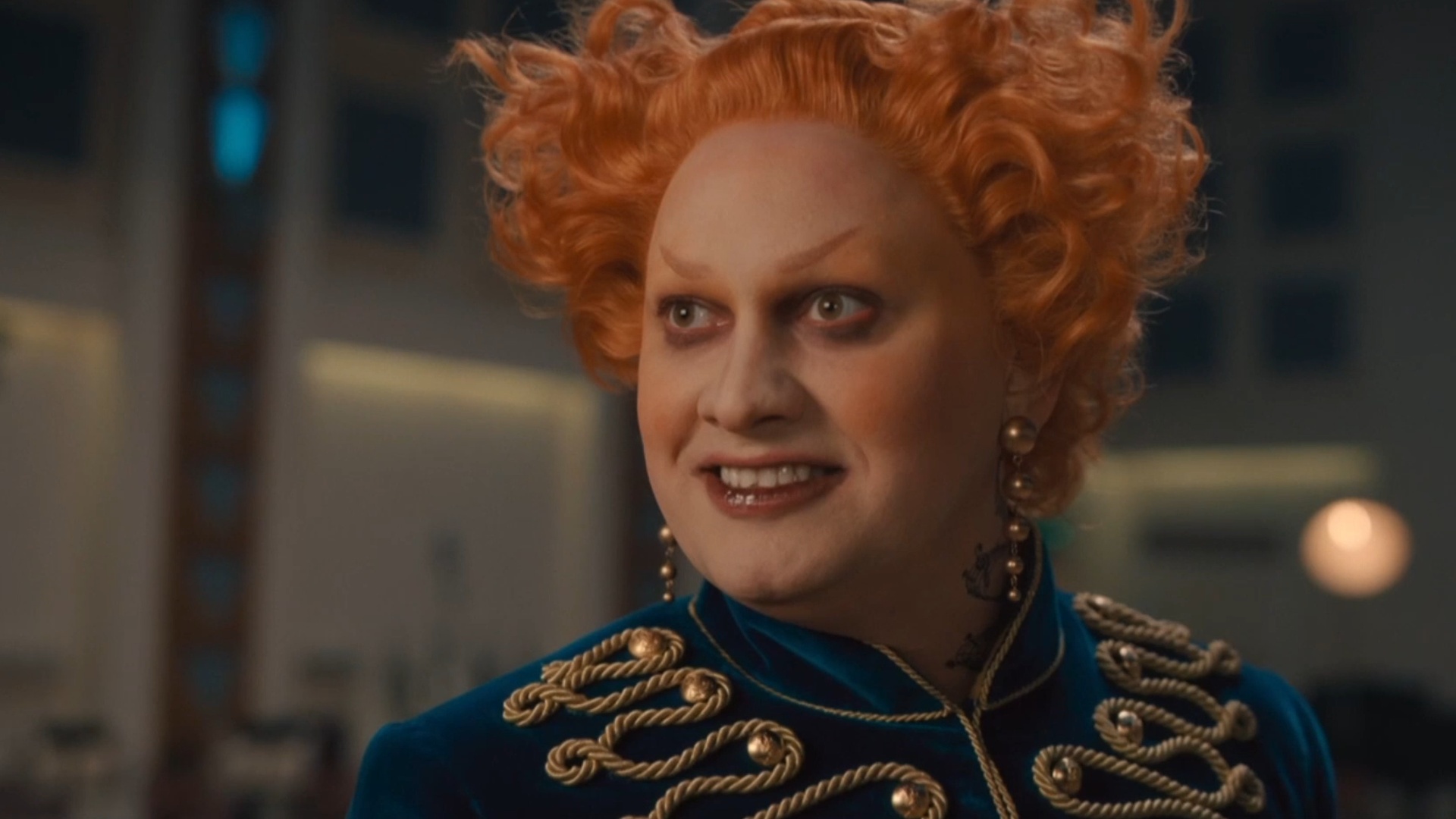
Playing with the rules was fun as a one-off in The Giggle with the return of The Toymaker, but with the context of the era to come, that outing has lost some of its charm. For some this may be a non-issue, but for others, suspension of disbelief finally snapped during The Devil’s Chord with its fourth wall breaking, floating musical notes, and that horrible, horrible musical number.
Lux shredded any benefit of the doubt that remained by having the Doctor literally climb out of the telly and interact with his fans. After 20 years scoffing at folks who claimed the show had ‘jumped the shark’, that claim became more true than it ever had been before.
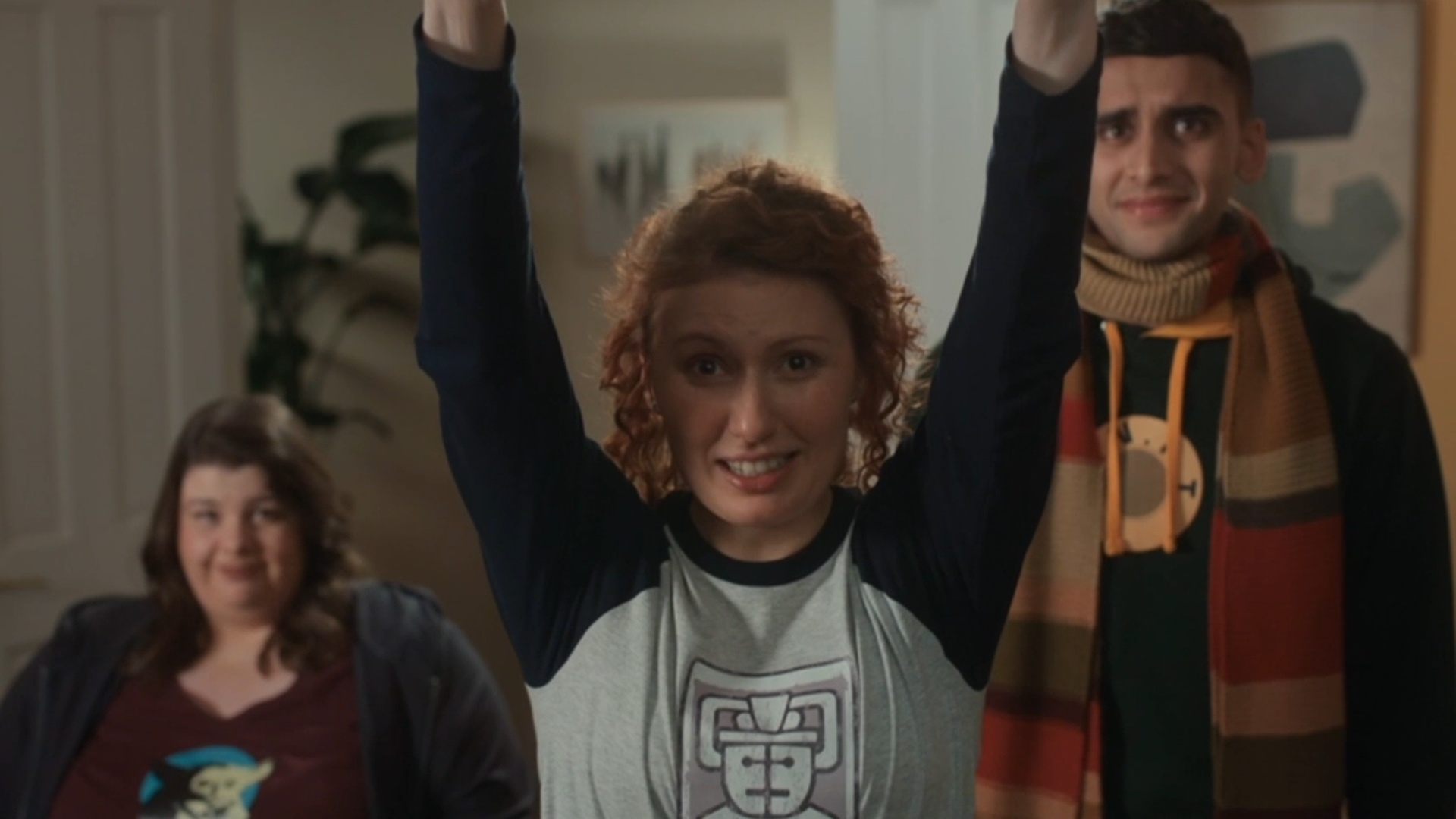
If the Doctor can run into a reality-bending god every few weeks, why should we believe in any permanent consequences? The bad things can be wished away with a magic baby, or miraculously fixed as ‘part of the Toymaker’s game’. Even nonsense needs internal consistency. Without it, the universe starts to feel weightless.
8. Commissioning A Spinoff Too Early

The Disney era saw the launch of the ‘Whoniverse’ – the show’s attempt at ‘doing a Marvel’.
Fundamentally, fans know the show has the potential to pull this off. RTD did Infinity War before it was cool back in 2008 with The Stolen Earth, and both Torchwood and The Sarah Jane Adventures took off in their own right. There was no reason why a second attempt at this by RTD, with both the benefit of hindsight and a glowing proof of concept in the MCU, couldn’t be a smash hit.
Except they got cocky and rushed it. Before the main show had even re-earned its stars, a UNIT spinoff was pushed into development. Sure, this is something we’ve wanted for years (inclusion of the Sea Devils notwithstanding), but Torchwood was commissioned only once the main show had become a big hit. And it’s far from that at the moment.
The result is a spinoff that nobody really cares for, and one that seems to lack a vote of confidence from even the team that made it. It feels like the BBC wants to just dump it out so that it can move on from the Disney deal, while Disney clearly doesn’t care about it in the slightest, bizarrely delaying it to 2026 and barely even acknowledging that it exists.

The War Between the Land and the Sea also seems to have caused problems for Doctor Who, with its mere existence delaying Disney’s decision about whether to continue with the Whoniverse. If the spinoff didn’t exist we might’ve heard about the future of Doctor Who much sooner, and as a result it just feels like a holiday with your recently-divorced parents that you’ve still got to go on because they booked it two years ago and it wasn’t cheap.
The War Between the Land and the Sea could end up being the best bit of Who in years, granted. But to give oxygen to this project before the main show had re-established itself was clearly a mistake.
7. The Back Catalogue Black Hole

If there’s one thing this show has going for it, it’s a sprawling back catalogue (and, as I’d hope most people who have read seven pages deep into this article would agree, most of that back catalogue is pretty good). For most of the revival, I’d argue Doctor Who has been consistently great - the reason we’re now twenty years into NuWho is because of the solid foundation of series past.
Disney+ launched the new era without access to Classic or NuWho, and, in the process, lost huge swathes of people who would have flocked to watch 60 years of Who, either for the first time or the fiftieth (this show, with its anthological structure, is perfect for rewatching in the era of streaming). International viewers have been clamouring for a steady home for the NuWho library for years, and this deal didn’t just pass up the perfect opportunity to give them that, it straight up led to the end of exclusivity agreements with other streamers, meaning viewers in some countries could no longer watch series 1 through 13 (or the classics) without paying through the nose or investing in a VPN.
Another great thing about this back catalogue is that it contains a plethora of far better jumping on points than The Star Beast (which, in spite of being labelled a special, is where most viewers are going to start after a quick Google). Now, The Star Beast, along with the other two 60th anniversary specials, hinged heavily on foreknowledge of the show - and by foreknowledge, we mean Series 4, because the show has been draining that well for years.
Can most viewers actually watch Series 4 for some much needed context? Nope. New viewers had to guess their way through Donna’s history, go down a Wikipedia rabbit hole, or go on a scavenger hunt across other streaming services.
The Disney era, in spite of acting like this wasn’t the case, expected audiences to jump into a sixty year old franchise blindfolded. If the goal was building a global fanbase, maybe provide more than a fraction of the actual show.
6. The Degeneration Of Regeneration

This era has made a mess of regeneration, from start to finish. First, we had Jodie Whittaker regenerating into David Tennant (with magical regenerating clothes). Having Fourteen be a returning actor was the first non-standard regeneration in an era of non-standard regenerations, and perhaps the earliest sign of the desperation of this run.
Fourteen then lasted, as far as we can tell, barely a day, before getting laser-beamed to death for the second time in quick succession – truly the unluckiest week in the Doctor’s life. This was the catalyst for the real problems to begin.
Bi-generation was flashy in the moment, and at the time seemed fairly justifiable, giving the Doctor a way to work through his trauma. Sadly, we now know that was not to be, and that the long-term implications were catastrophic for the show’s lore. We now have a David Tennant walking around, putting his feet up while the world nearly ends multiple times, not to mention the bi-generation of every former Doctor, if we’re to take RTD’s ramblings on The Giggle’s commentary as canon.
This totally undercuts the emotional finality of regeneration and opens up the mother of all plot holes. It was meant to be a one-off, a result of the Toymaker’s state of play, but of course the Rani went and did it too… for some reason. There wasn’t even much point to doing this, as the new Rani was killed off unceremoniously soon after following two seasons of build-up.
And then to top it all off, Fifteen goes and turns into Billie Piper. Opinion on this will be decided based on how well RTD writes himself out of the monumental corner he’s written himself into, but right now it reeks of desperation and further entangles the messy web that regeneration has become. It’s also damaged the hype surrounding new Doctors, given that they may just be faces we already know.
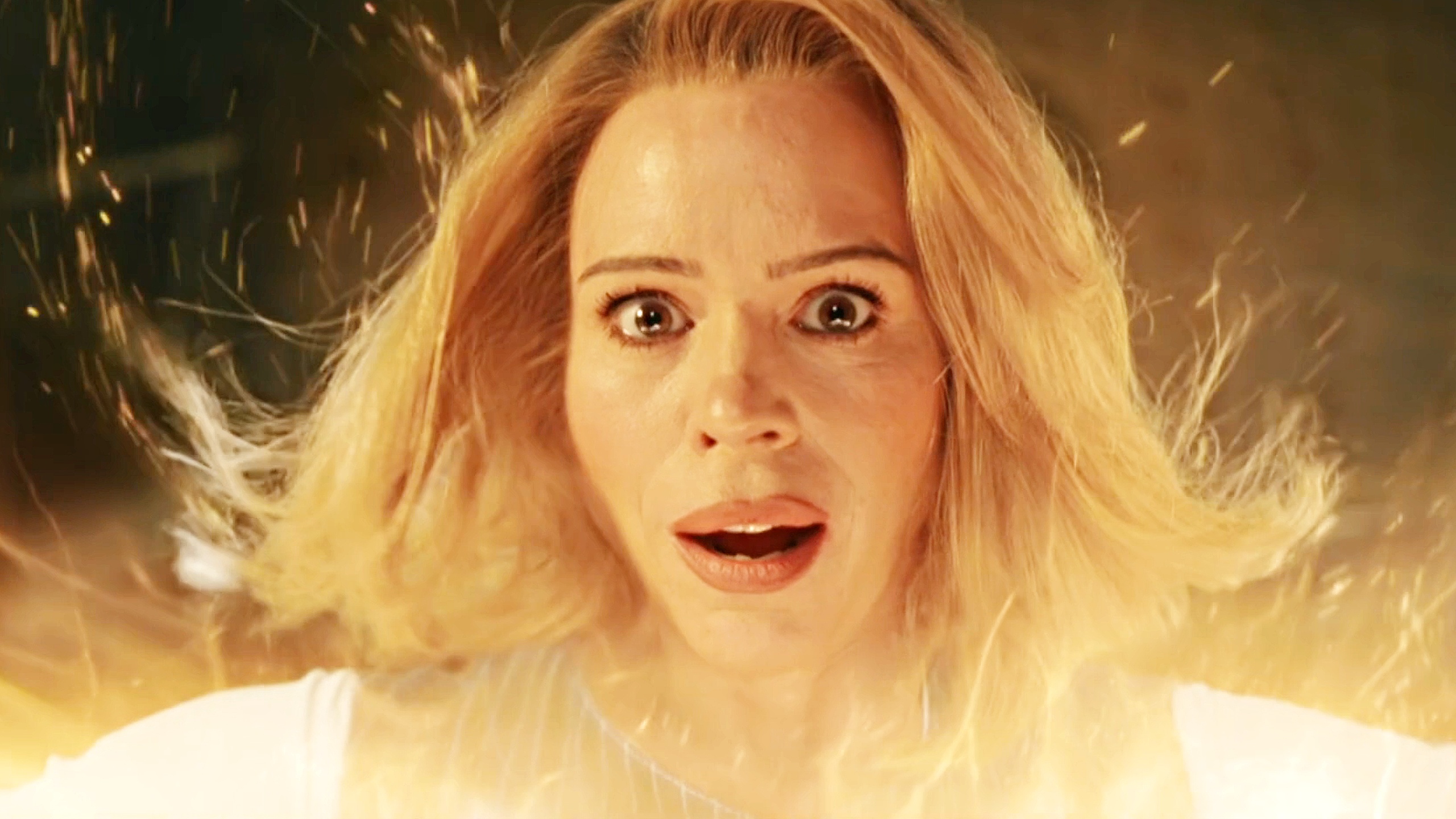
What was once the key to the show’s longevity now feels like the antithesis of that.
5. Mystery Box Arcs With Clickbait Payoffs

One of the big questions of the Disney era was how it would adapt for the modern media landscape, and that’s sadly where we fell apart a little.
In the modern era of streaming, with a plethora of shows available to most households, what really cuts through the noise is prestige quality and a unique premise. With an improved budget, Doctor Who could manage the former no problem, and it already had the latter on lock.
Unfortunately, the entire era was designed around outdated notions of ‘going viral’. We’re all familiar with how much Russell loves the word ‘content’ by now, but that seems to be the foundation on which his second era was built. You might have got away with hollow mystery boxes in 2005, but 20 years later, they are exhausting, and audiences expect more.
Ultimately the huge mysteries of RTD2 that we were all meant to be super excited about were old lady cameos that went nowhere. And to be fair, we did all have fun speculating in the build-up. But none of the payoffs lived up to the hype.
There clearly wasn’t a plan for Mrs Flood, as evidenced by some of her bizarre dialogue in Season 1 about “storming down the gates of gold”, and apparently the Rani somehow knows about Sutekh too, for some reason. And the identity of Ruby’s mother, while a sweet and emotional resolution, was pure clickbait. The mystery of Ruby was clearly and blatantly teased with supernatural clues like falling snow and a mysterious hooded figure acting mysteriously, so for the solution to be an ordinary single mother leaving her baby outside a church just made no sense.

In the end, in spite of all the ‘shocking’ twists of the Disney era, what moment was it that actually went a little bit ‘viral’? It was Mr Ring-A-Ding. As it turns out, the era’s boldest departure from its own formula and its most unique and original creation in years was in fact the moment that captured the audience’s imagination. Fancy that.
4. Flaky Character Work

Doctor Who has never looked slicker, that I will not debate. The problem is that, in all that style, we’ve lost more than a little substance.
The emotional foundation, as well as the Doctor-companion dynamic (i.e. the core of the show), has often felt as thin as toilet paper. Ruby was charismatic but hollow, as if waiting for character development that never quite materialised – interestingly, she actually seems far more like an interesting human being in her solo outing, Lucky Day.
The Doctor himself had moments of brilliance here and there, but sadly ended up feeling slightly more flat than previous incarnations due to a lack of moral complexity. That’s without even touching on the criminal character assassination of poor Belinda after an extremely promising first outing. The unfortunate truth is that all three of these characters ended up feeling like rough outlines drawn from an amalgamation of past characters.
But by far the biggest crime in terms of narrative was the fact that these characters did not enhance each other in any way. We seemed to skip over the companions settling into TARDIS life, instead just jumping to them being besties with the Doctor. There was no intrigue, no challenging of the Doctor, and Fifteen himself was lacking in any sort of arc.
At first, he was clearly being set up to be the ‘self-love’ incarnation, going on a journey of emotional healing. This didn’t happen. Instead we just watched him being sad a lot.

What’s frustrating is that RTD1 excelled in this area. The deeper nature of the core characters really resonated with 2005 audiences and made the revival what it is, so it’s baffling to me that this time around, this was skipped over.
Sure, the reduced episode count was always going to impact on this a little, but the fact that audiences are expected to fill the gaps in character development is sub-par writing for a prime-time drama. I guess this is what happens when your lead actor isn’t around a lot during your first season!
3. Disney’s Failure To Properly Push The Show

Let’s talk about the corporate elephant in the room.
Disney did almost NOTHING to push Doctor Who to a new global audience. Minimal trailers. A handful of social media posts. Zero merchandising (and Disney LOVES its merch, as we all know). Not even a visible spotlight on Disney+. One of the biggest upsides of a partnership with Disney was its potential as a platform for marketing the show, but this didn’t happen. It’s all good putting the show on a huge global streaming service, but you’ve got to tell people it’s there.
It often felt like Disney had no idea what it was sitting on (and if rumours are to be believed, it’s actually Bluey they wanted off the BBC, and Doccy Who came as a package deal). They had a 60-year-old franchise with a built-in fanbase, iconic branding, and unlimited storytelling potential. Instead of shouting about it from the rooftops, they mumbled its name into a cushion and kept milking Marvel and Star Wars for every last scrap of intellectual property.
Even something as basic as how the show was labelled on Disney+ was fumbled. The Church on Ruby Road was called both “Special 4” AND “Season 1 Episode 1”. There have been a shocking amount of comments and Reddit posts from people who actually aren’t sure which episodes they’re supposed to watch, in what order. How do you mess this up?!
The show deserved a platform that actually recognised its value. What it got instead was apparent disinterest. There was a huge audience out there ready for the taking, but Disney didn’t seem all that bothered about trying to reach them.
2. Too Much Deep Cut Lore In A ‘Relaunch’

Adjacent to the previous point is the fact that this era was marketed as a new entry point – a fresh slate after 20 years of lore and baggage. They restarted the series numbering (which is even more frustrating with hindsight), split our Doctor from the existing Doctor, and promised he was headed in a new direction.
In theory, this meant you could go in with no foreknowledge of the show whatsoever. That was, if you’d watched The Celestial Toymaker, Pyramids of Mars, The Mark of the Rani, and Midnight. That’s Doctors One, Four, Six, and Ten – just to make sure they hit the widest spread of eras possible so that everyone has a chance to feel left out.
Bringing back classic villains is a time-honoured trick, and most of the time it works. The issue here is in the execution. Previous monster revivals have offhandedly alluded to classic adventures, but reintroduced and redefined the monsters for a new era, as if they were appearing for the first time. When the Cybermen first crashed Pete Tyler’s mansion party, we didn’t get Ten having flashbacks to the Tenth Planet, because it wasn’t needed – they were cool and scary and that’s what mattered. When Cold War brought back the Ice Warriors, it wasn’t made into a big deal, because the show understood that most viewers didn’t know who they were.
Contrast that with Sutekh. A huge tease, and a massive reaction from the Doctor, complete with flashbacks to Tom Baker. But in all likelihood, less than 5% of the audience knew who Sutekh was. The show had to literally release a special bonus episode of Fifteen, Ruby, and Mel watching Pyramids of Mars just to lend some context! Meanwhile, Omega and the Rani were revealed so unceremoniously that it’s baffling nobody said anything behind-the-scenes. This era was supposed to be for newcomers! Are you expecting them to sit and clap while these obscure classic villains are namedropped like iconic rock stars?

All this approach does is alienate audiences, who feel like they’re missing out on some huge reveal, or aren’t invited to a private party. You can either have the big shock reaction and do the proper legwork (on screen) to make it work, or you can underplay the reveal and have it as an easter egg for hardcore fans.
What you can’t do is take a one-off villain from 1975 and hinge your entire series arc around it while simultaneously calling it ‘Season 1’.
1. Starting With Space Babies

For any show, your pilot is make or break. For a new era of Doctor Who – especially one with as much pressure as this – this is no exception.
If you’re trying to reassure fans that the show is back and better than ever, then you want to hit the ground running. The Eleventh Hour, Partners in Crime, The Impossible Astronaut, Deep Breath – these are standout episodes that brilliantly introduce the show and its characters while setting up interesting mysteries to come.
We had the 60th anniversary specials and The Church on Ruby Road which were all pretty good episodes, but Space Babies was the TRUE jumping on-point. It was the big relaunch, the main event. The start of the era. RTD has even commented how Disney only really started pushing the show from the start of Season 1!
So what did new and returning viewers get? They got Space Babies – one of the few episodes of the show that can be considered genuinely embarrassing, and painful to watch.
It was annoyingly, deliberately juvenile, with its CGI deepfake babies, literal bogey monster, and nappy fuelled spaceship – it’d be childish even by CBBC standards. It wasn’t morally complex or dramatic. There was no fantastic hook. It was what it was. This was a make or break moment and the era could not have got off to a more catastrophic start. You’ve got to seriously question who signed off on this being the FIRST episode, and who allowed it to be written in the first place.
When your viewers can flick to a different channel and watch the likes of Severance, Slow Horses, Shogun, The Bear, and Succession, it’s no surprise that many bailed before the era even began.