10 Deleted Doctor Who Characters You've Never Heard Of
The Doctor's father, forgotten friends, and more Doctor Who characters that never made the screen!

A lot goes into making any TV show, especially one that's lasted over 60 years – but almost as much gets left on the cutting room floor. Doctor Who history is littered with abandoned plot threads and even entire episodes, but also a ton of deleted characters who never made it to the screen.
As a show that moves from planet to planet and timezone to timezone on a weekly basis, Doctor Who can produce more memorable side characters in a single series than most shows have in their entire runs. Nearly every episode also has a whole secondary cast that didn't survive the multiple script revisions, and that's before you even begin to think about all the story arcs that were trimmed back, or all the scenes that were deleted during the edit.
From companions who never saw the light of day, to enemies who would have had massive lore implications, to monsters who just sound like they would've been cool to see, let's dive into the weird and wonderful world of Doctor Who's various almost people.
10. Prime Minister Aubrey Fairchild

The Stolen Earth already features what must be close to the maximum number of characters you can fit into the end credits of a Doctor Who episode, so it’s in some ways both surprising and unsurprising to find out that there were even more who didn't make the cut.
One of these characters would've been yet another British Prime Minister, with Russell T Davies planning on introducing someone called Aubrey Fairchild as the successor to Harold Saxon, continuing the chain of fictional PMs that began in Aliens of London.
Fairchild’s premiership would not have been long however, as he would've been promptly exterminated after an ill-conceived attempt to negotiate with the Daleks at Westminster. He was removed from The Stolen Earth's script when RTD realised that the Daleks probably wouldn’t bother faffing about with negotiating, and would skip straight to the exterminating.
1/2 DELETED SCENE. There’s an alternative BIG BUDGET version of this, Marvel-movie sized! I think Worldwide should make that, one day, heh. I’ll point out some of these as we go along…HERE, I brought in the Prime Minister. And killed him! #SubwaveNetwork pic.twitter.com/R9dKpIrsdn
— Russell T Davies (@russelldavies63) April 19, 2020
Fairchild's role in the episode was subsequently reduced to a line about Torchwood losing contact with his plane, and he was gone altogether by the time of Torchwood: Children of Earth in 2009, with this story introducing Brian Green (below) as the new UK Prime Minister.
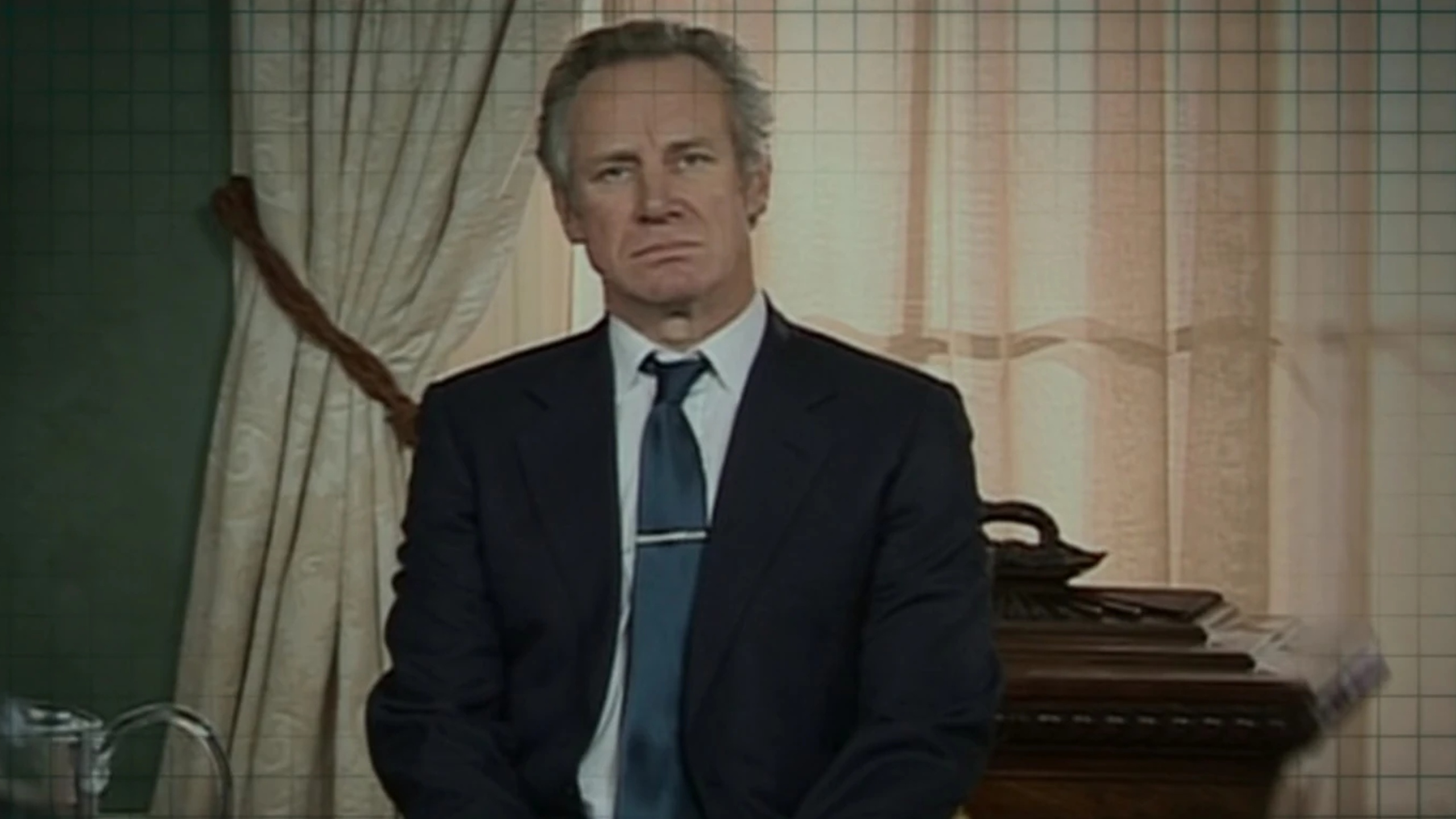
Meanwhile, RTD would reuse the name Aubrey Fairchild in the 2008 Christmas special The Next Doctor, with the Doctor and Jackson Lake investigating his house after he's murdered by the Cybermen.
If nothing else, Fairchild would've at least held the honour of being the least evil Prime Minister of the original RTD era – although that might've just been a result of not having enough screentime to start massacring retreating aliens, or trying to take over the world.
9. The Conjoined Autons

A lot of these deleted characters are notable because they represent some sort of major “what-if” – whether it’s taking episodes in drastically different directions, or fundamental changes to the show itself.
But some of them wouldn’t have done any of those things. Sometimes, they just sound like they would've been really really cool.
One of the best examples of this is an abandoned idea from the development of Rose, where, at one point, Russell T Davies considered making the main villain of the episode two Autons... that were fused together!
Perhaps instead of the giant CGI monster lurking underneath the London Eye, the Nestene Consciousness would've taken the form of Rose’s twin bosses, who were always seen holding hands because they were in fact two plastic bodies that were joined together, something that would've been revealed in a big twist moment.
It's one of those ideas that sounds like it had the potential to be laughable or deeply chilling, depending on the execution. Either way, sounds more frightening than a burping wheelie bin.
8. Raine Cunningham

Though Doctor Who’s standing within the BBC suffered a slow, sorry decline in the 1980s, it wasn’t considered an inevitability that the show would be cancelled in 1989 – at least, not on the production side.
In fact, the production team actually got as far as creating a plan for a potential Season 27, before word came down from on high that it wasn't going to happen.
One of the biggest elements of this plan was Raine Cunningham, the Doctor’s new companion and replacement for Ace, who was to leave the TARDIS and study at the Time Lord Academy on Gallifrey (that's a whole other kettle of fish).
Raine’s introduction alone would've likely made her one of the most memorable classic series companions, with her staging an audacious jewel heist during a high-society party, expertly cracking open a safe only to discover the Doctor himself hiding inside.
When Doctor Who was taken off the air after Season 26, Raine was relegated to being one of the show’s great “what could have been” companions – but on the plus side, a version of the character did ultimately see the light of day, on audio, in Big Finish's The Lost Stories range, though she did end up playing second fiddle to Ace here, who featured a lot more in these audio versions than she would've done had they originally been made for TV in 1990.
Just think: if classic Doctor Who had lasted one more season, it might've been Raine who returned for a heartwarming reunion with the Seventh Doctor in The Power of the Doctor, rather than Ace!
7. Valentina Kerenski

Doctor Who is known for its big celebrity guest stars, and they don't come much bigger than the Hollywood royalty that nearly appeared in 2009's The Waters of Mars.
Originally intended as a Christmas special titled “Red Christmas” or "Christmas On Mars", one thing that remained a constant throughout development was that Russell T Davies wanted the one-off companion to be a strong, older woman.
To that end, RTD hoped to get Academy Award-winner Dame Helen Mirren to play Valentina Kerenski, the Mars colony’s Russian commander. This would've been such a get for Doctor Who that it was initially planned to use Mirren in one of that era's signature cliffhangers, with preceding episode Planet of the Dead closing off with a knock at the TARDIS doors, and the Doctor opening them to find Mirren on the other side.
However, Valentina Kerenski ultimately didn't make it into The Waters of Mars, and for quite an unusual reason.
During development, RTD decided to massively overhaul the character out of concern she was too similar to Tanya Kirbuk, the spacefaring Soviet captain played by Mirren in the film 2010: The Year We Make Contact. The episode’s Christmassy tone was also dropped, and somewhere along the way we got the British Captain Adelaide Brooke leading the Mars colony instead of the Russian Kerenski, with Lindsay Duncan assuming the role once intended for Mirren.
The surname "Kerenski", meanwhile, was recycled for Yuri Kerenski, the Russian nurse onboard Bowie Base One.
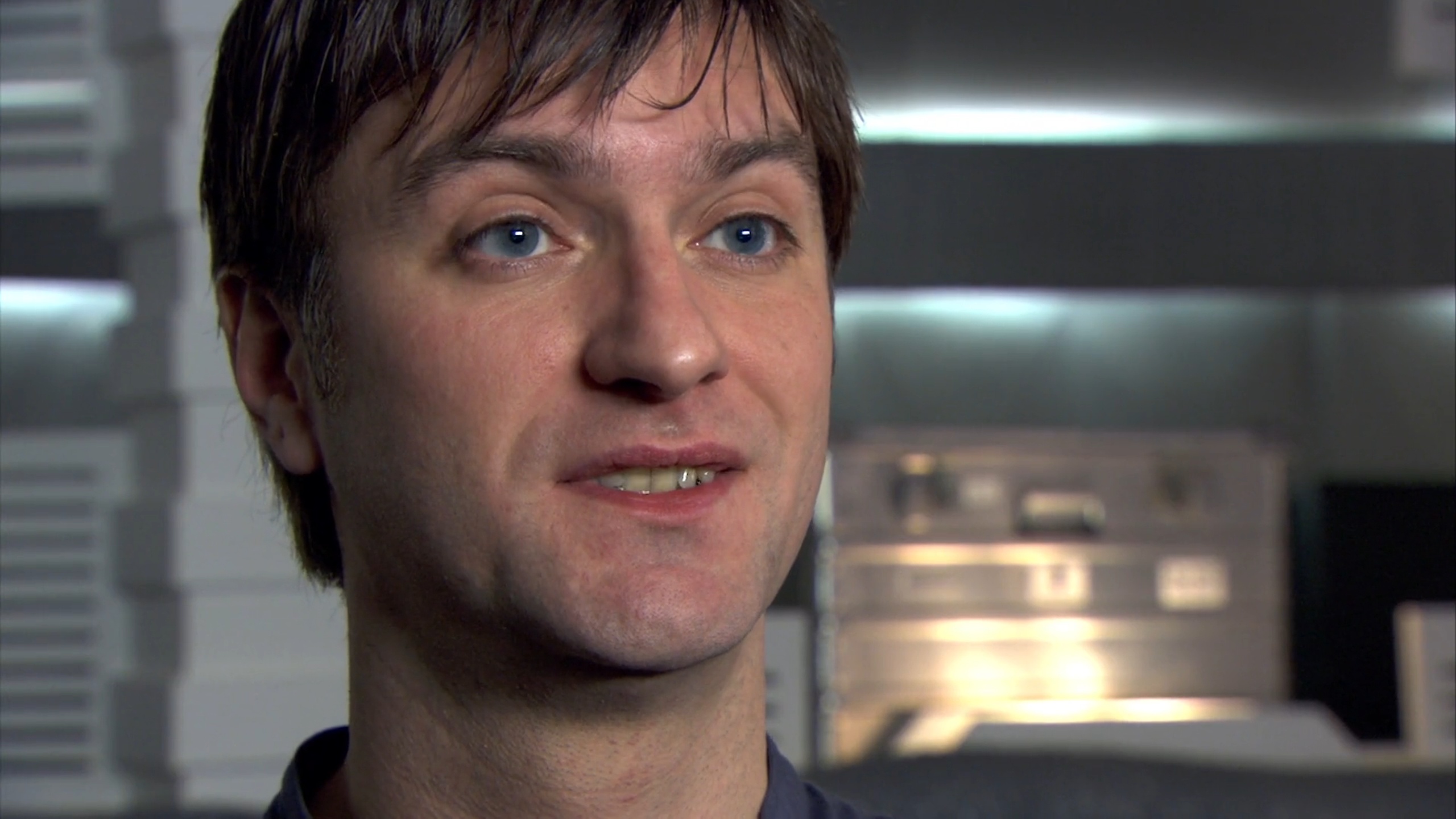
Considering that The Waters of Mars is one of the best and scariest episodes of the modern series, it’s hard to feel particularly bad about any of the changes made during production.
Though it would definitely have been mind-blowing to see Dame Helen Mirren fighting water zombies!
6. The Queen Of Time

The most recent season of Doctor Who re-introduced The Pantheon, a collection of sinister inter-dimensional gods who are each defined by a different concept, and are all intent on wreaking havoc throughout the universe.
The Pantheon’s inclusion was a massive shakeup, taking the show in a distinctly fantastical direction and establishing the Doctor fighting gods as a new normal. It’s also an idea that had already been attempted, nearly 60 years earlier.
The Queen of Time was a serial originally pitched for Doctor Who’s fifth season back in 1967. It would have introduced Hecuba, the titular Queen of Time, and sister of the Toymaker. But where her brother was all about toys and games, Hecuba had dominion over time and clocks. The Queen of Time serial would've seen Hecuba trap the Second Doctor and his companions, forcing them to compete in a gauntlet of time-themed trials for her amusement.
Like the aforementioned Raine Cunningham, a version of Hecuba did see the light of day in a Big Finish audio adaptation, though it is incredibly disappointing that such a fascinating character never made it into the show proper.
Still... you never know. The Pantheon is back and we've already met the child of the Toymaker, so who's to say we won't meet his sister in Season 2? A character with the omniscience of Mrs Flood sure would seem to fit the bill of a time-themed god... just saying.
5. Biddy, Lola, And Cliff

It takes a long, long time to create a brand-new television series, and along the way there are countless ideas considered, altered, and thrown away. Doctor Who was no exception.
During the show’s development in the early 1960s, the basic characteristics of what would become the original TARDIS team were established quite early. There would be the Doctor of course, travelling alongside a teenage girl, a young teacher somewhere in her mid-20s to early-30s, and an action-focused younger man.
While these are pretty consistent with the trio of Susan, Barbara, and Ian that we ended up with, the original plan was for the names and the specifics to be quite different.
Biddy, Lola, and Cliff were the original characters to fill the three companion roles. Biddy wasn't actually related to the Doctor at this stage, and simply discovered the TARDIS alongside Lola and Cliff, who, unsurprisingly, was named after pop legend Cliff Richard.
Even the Doctor himself went through a few big changes, with some original documents describing him as fleeing some sort of interstellar war, while his time machine was going to be invisible.
Watching the finished result, it's hard to imagine things being any other way. Would Biddy, Lola, and Cliff have been as iconic as the characters who replaced them? Who knows.
4. The Rain Gods

It took an insane amount of effort to get The Doctor's Wife beamed out across the world, even by Doctor Who standards. Originally planned for Matt Smith’s first series, it was delayed by a full year due to budget issues (surprise surprise), and various elements were changed, rearranged, or cut altogether.
One of those cut scenes was the episode’s original opening. As written, the Doctor, Amy, and Rory would be on the verge of being sacrificed to “Rain Gods” by a tribe of primitive aliens, who would then be scared off by the arrival of the Corsair’s hypercube, which led into the rest of the episode.
Aside from the fact that "Rain Gods" is just a really awesome name, the fear that the hypercube strikes into the tribespeople would've done a lot to build up the mystery of the Corsair, which in turn would've made House even more frightening (not that he wasn’t a fairly creepy villain already).
A version of this scrapped Rain Gods sequence was eventually produced, but as a minisode on the Series 7 box-set. This version featured River Song in place of the Ponds, with her and the Eleventh Doctor almost being sacrificed on one of their intergalactic date nights.
3. Ulysses, The Doctor's Father

The production history of the 1996 TV Movie is as long and complicated as just about any Doctor Who story out there.
Sandwiched between the classic series and the BBC Wales revival and now viewed as a bit of an oddity, there were many ideas thrown about for the TV Movie during its development, and many more proposed for the full series that was hoped to follow it.
And one thing that many of these ideas had in common was that they would've made some drastic changes to Doctor Who lore.
One early concept was to follow the Doctor’s quest to find his father, the long-lost Time Lord explorer Ulysses. In this version, the Master – who had become the President of Gallifrey – was the Doctor's half-brother! The Doctor’s search would take him to his mother’s home planet of Earth, where he would've searched for Ulysses before returning to Gallifrey to depose the Master.
Eventually, the decision was made for the TV Movie to continue on from the classic series rather than reboot it, which in hindsight, was clearly for the best.
If you’re one of the many fans who recoils in disgust at the idea of the Doctor being half-human, just remember... it could've been much, much worse.
2. Penny Carter

Donna Noble might be a fan-favourite companion today, but back when she first appeared in The Runaway Bride, she was only ever meant to be a one-off character, briefly filling the gap between series like Astrid in Voyage of the Damned, or Lady Christina in Planet of the Dead.
And so when the time came for Russell T Davies to plan the fourth series of Doctor Who without Martha Jones, he did the obvious thing: he created a new companion, Penny Carter.
While RTD did have an actress in mind to play Penny, there aren’t too many details on what the character would've been like, beyond that she was going to be introduced in Partners in Crime, and was described as being similar to Donna Noble. It's unsurprising then that as soon as Catherine Tate showed interest in returning to the show for a full series, Penny was dropped.
With Donna having such a massive influence on the Doctor's life to the point that the Fourteenth Doctor chose to retire with her and her family, this is no doubt one of the biggest 'what-ifs' in the modern era of the show.
And as for Penny Carter? She did still show up in Partners in Crime, with the journalist investigating Adipose Industries also being given that name.
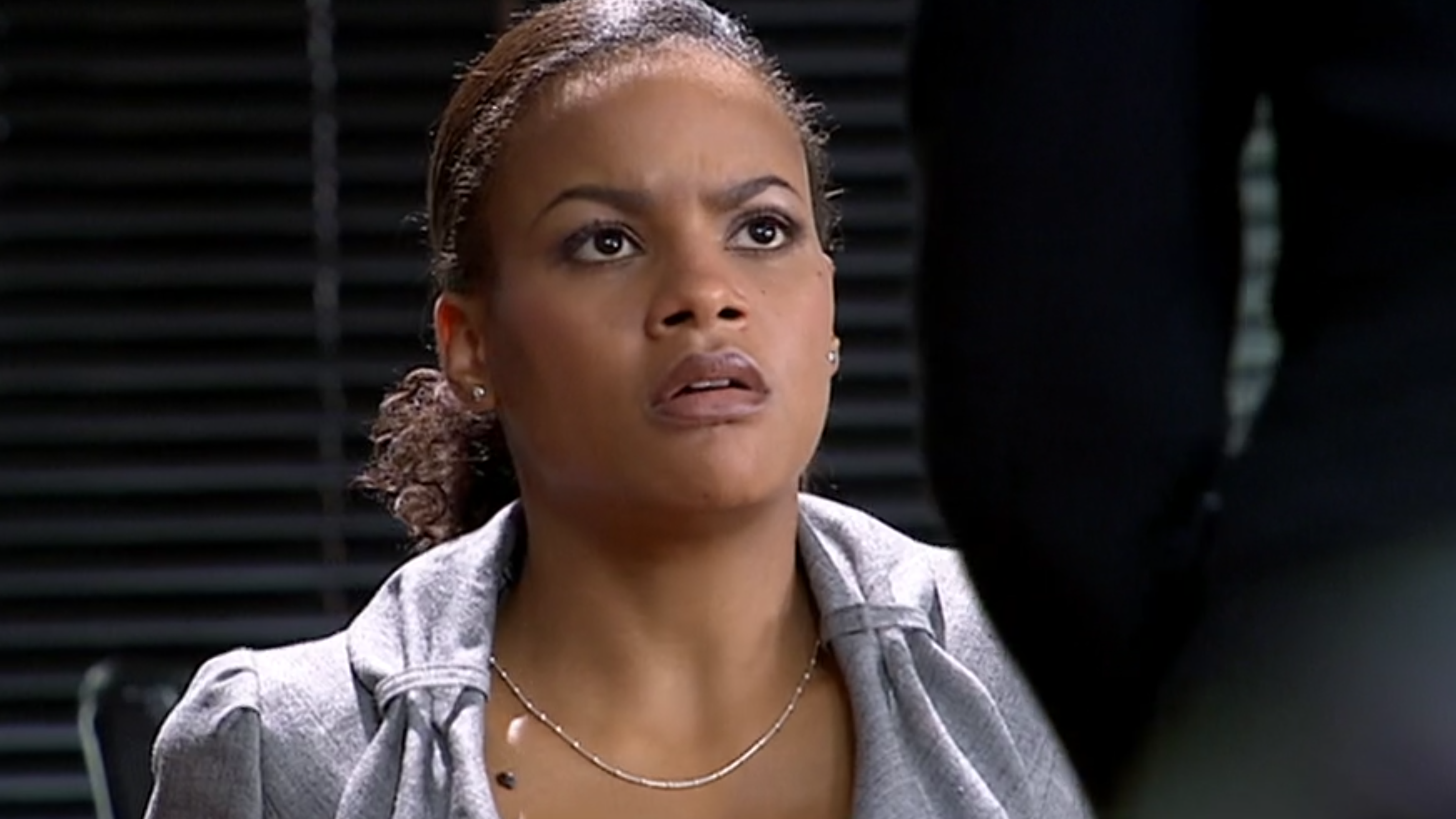
This character bore no resemblance to the original version of Penny however, and was simply a way for RTD to pay tribute to an unused companion.
1. The Lost Lord

While the version of Hide that made it to screen is relatively low-key, the original plan for the episode had a much wider scope.
Not only did writer Neil Cross want it to be a crossover featuring Bernard Quatermass – the hero of three BBC serials from the 1950s, that heavily inspired Doctor Who – but he also planned for the villain to be a figure from Time Lord mythology.
In the first drafts of Hide, the mysterious creature trapped in the pocket universe wasn’t the lonely Crooked Man, but The Lost Lord, an ancient Time Lord who had been trapped so long he was remembered on Gallifrey only as a myth. The Time Lords' bogeyman, essentially.
And while the Crooked Man was trying to break into our universe in a surprisingly heart-warming attempt to reunite with its long-lost lover, The Lost Lord’s ambitions were a little more nefarious than that: he wanted to absorb all of time itself.
Though Hide is generally a well-regarded episode, if it had stuck to the original plan, it would've been one of the biggest episodes of Series 7. Gallifrey and Time Lord history is still somewhat nebulous, and so getting insight into a Gallifreyan ghost story would've been an interesting way to flesh things out, without compromising any of the mystery or intrigue surrounding the Doctor themselves.