10 Unnecessary TV Deaths That Outraged The Fanboys
 With the exception of a premature cancellation, very little earns the ire of the fan boys like the death of a beloved character. In the current TV climate we are used to fans hoping for a character to meet their demise, baying for blood with each passing episode. The likes of Joffrey of Game of Thrones and Andrea of The Walking Dead, have united the fan base in a collective sea of hate, which often seems to take on a life of its own. As all-encompassing as these hate campaigns can be, there is something more powerful- and that is the death of a character that we actually like. In this day and age killing a character is a sure fire way to unleash message board hell. Its understandable of course; we watch these characters live their lives for a number of years and become invested in them and their journeys, so to see these journeys come to an end can be devastating. Having said that there are times when you just want to tell the fans to stop and remember that it is just a television show. Every time a show runner like Joss Whedon kills a character off, it seems like the geek apocalypse has begun. The internet lights up and millions of fans discuss their mutual devastation and anger with the events of the show- some vow to boycott the series and others plan to protest- but those of us that arent crazy will simply sit and reflect on the loss of a character that mattered to us. There are times however that the outrage is justified, when a character is exits the show in an incredibly unfitting way. A way in which neither you or any other fan would have predicted nor wanted, it may seem like an exaggeration but it can be an event that genuinely ruins a show for some people. Lets check out 10 unnecessary TV deaths that outraged the fan boys.
10. Carson Beckett- Stargate Atlantis
 The Stargate franchise wasnt opposed to killing characters, were it not for the fact that we had seen him die several times already then Daniel Jacksons brief departure in the fifth season would be the most shocking in all of Stargate. However as most of us correctly guessed Jackson would be back one day, the most shocking and outrageous death goes a character from SG-1s sister show Atlantis- the loveable Dr. Carson Beckett. This was a death that smacked of the writers confusing shocking the audience with pleasing them. Did the majority of us see Carsons death coming? No, but that doesnt mean that we enjoyed it, quite the opposite in fact. Not long before this happened SG-1 had aired a similar storyline featuring the surprise death of its Doctor, Janet Frasier. Though many of us were sad to see her go, in reality she was only a side character and her death added a sense of tragedy to what was an excellent episode. Yet when it came to Carsons exit, any sense of tragedy was overshadowed by intense fury, this was mindless and senseless. After doing his thing and removing an explosive tumour from a patient, suddenly it explodes and he is gone. Its one of those scenes that we have all watched plenty of times in film and TV- the tense disposal of the bomb, which no one really believes is going to end in death- then boom! In true Stargate fashion Beckett would eventually return to the show (as a clone) but it was never really the same. In fact in the opinion of some was that his death actually took away from the departure of Elizabeth Weir at the end of the season. Stargate Atlantis was still a good show for the rest if its run, but the exit of these two characters led to a distinctly different feel for the remainder of the series and the loss of Beckett in particular left a real bad taste in the mouths of its fans.
9. The Lone Gunmen- The X-Files
 Victims of both the X Files losing its identity in its later years and a failed spin off which had turned the network against them, The Lone Gunmen were unceremoniously killed off in an episode titled Jump the Shark. The name of this episode may as well have been, Screw the Fans because that is exactly what it felt like, The Gunmen were extremely popular characters and a massive part of the X Files legacy. They, like Deep Throat, The Smoking Man and of course Mulder and Scully, had become a fixture of modern pop culture and for them to be discarded in this way was a disgrace. Though most of us would have preferred that the Gunmen lived, it wasnt so much that they were killed but the manner in which they were. Yes the argument can be made that they went out as heroes, but do you know what feeling the episode generated more than any other? Boredom! For such entertaining characters to go out in an otherwise completely forgettable episode is a real kick in the teeth. To make matters worse this episode came in the ninth and final season of the show, and with one lead gone, the other appearing part time and two failed spin offs behind it, The X-Files really was circling the drain by this point. Having fulfilled his contractual obligations at the end of the previous season, David Duchovny appeared in no episodes except for the finale. This meant that Fox Mulder missed out on the last hurrah of his sidekicks, and that is another testament to how wrong the whole thing was. The Gunmen were Mulders' support crew. When everyone else, even Scully didnt believe, they were there backing him all the way so for them to die without Mulder there to pay tribute to them was spitting in the face of their very purpose on the show. We loved The Gunmen but without Mulder it was never really the same. The Network hated the characters and the fans paid the price.
8. Trip- Star Trek: Enterprise
 Ah Enterprise, the black sheep of the numerous Star Trek televisions shows. This show had the shortest run since the original series, with the Next Generation, Deep Space Nine and its immediate predecessor Voyager each clocking in at seven seasons. Being a prequel, it always felt like the show was struggling to establish its own identity, especially with the addition of enemies like The Ferengi long before humanity should have encountered them. It is generally agreed, however, that Enterprise began to hit its stride in the fourth and final season- though there werent many watching by this point- the diehards were still hanging in there. One of the reasons for this was the crew, specifically the friendship of Captain Archer and Trip Tucker. Trip's death came in the much maligned series finale, These Are the Voyages and was nothing more than a needlessly forced plot device. The only thing it managed to achieve was to make the fans hate the finale more than they already did. Not only was it totally pointless to kill the character but the way it was done sucked as well- it was a fairly innocuous Trek moment which we have seen play out over and over again- we have seen plenty of characters, including Trip himself get out of far more dangerous situations. Killing him like this didnt seem like a clever shock that would get the audience; it felt more like a cheap shot intended to get some semblance of drama from an episode which was completely lacking in it. It comes so close to the end of the episode that we dont even get to see the characters really deal with the fact that they have lost a key part of their crew, and of course there is the small matter of Riker and Troy. If watching Trip suffer such a contrived and forced death wasnt bad enough- we also had to deal with the fact that we were not really seeing it anyway- instead we were watching two Next Generation characters watch a recording of the episodes events. This finale was an insult to Trip as a character, to Enterprise as a show and to us as an audience.
7. Lawrence Kutner- House
 Where the hell did this come from? Kutners departure from House was a necessity as the characters portrayer, Kal Penn, had joined the Obama administration and would be leaving the show. What was not a necessity however was the entirely random exit that the writers came up with. Having not showed up for work, and therefore annoying House, Thirteen and Foreman travel to Kutners home only to find him dead from a self-inflicted gunshot wound. This suicide happens entirely off screen and aside from hallucinations in later years we never see Kutner again, nor do we ever get an explanation for why he took his own life. There is an argument for this episode handling the topic of suicide extremely well, I understand and in part agree with this argument. The crux of it is that suicide is a shocking thing that none of us can truly understand and we can never really know what is going on in someone elses head. The teams utter shock and Houses desperate attempt to prove foul play when there was none, is meant to represent the feelings of bewilderment and frustration that people feel after a real-life suicide. There is certainly some merit to this idea and for the characters it works, especially House who has a pathological need to understand everything and this is something that he never will. Thats all well and good, but House is not real life, its a TV show. Whilst it may be a cool storytelling device for the characters to be blindsided by the suicide, we as an audience should be able to understand what in the hell is going on. We were never given any indication of Kutners mental instability and there was exactly zero build up to his death. The week before he was helping patients and now he was blowing his brains out off-screen. I suppose the episode had the desired effect - we were all frustrated by the fact that we will never get the answers that we want. Yet the fact that Kutner was leaving the show and that there was no build up whatsoever makes me think that this was nothing more than a shameless plot device.
6. D.L. Hawkins- Heroes
 In retrospect we all probably should have seen this horribly handled death as a sign of what was to come from Heroes. The show had burst onto the scene with a brilliant first season, which setup what we thought would be a long and fruitful run. However, in between seasons the 2007 WGA strike occurred and preparations for the second season suffered as a result, it is the opinion of many that the show never recovered. D.L. had the ability to make his body intangible and in the first few episodes of the series it appeared that he was going to be an antagonist. However, it turned out that he was an honourable man who simply wanted to look after his wife and child. By the end of the first season D.L. was one of the most likable characters in the cast- he did the right thing because it was the right thing to do and because he wanted his son to be proud of him. This guy was one of the most heroic characters in the show. Which makes it all the more ridiculous that in the second season premiere we discover that D.L has died, and a few episodes later there is a flashback episode which actually depicts his death. For some absurd reason, D.L. who has the ability to phase through objects, is shot and killed by a random one-off character that we never see again. Not only is it terrible that the characters death completely defies the powers that he has, but it also does irrevocable damage to the characters around him. D.L., Niki and their son Micah were something different in the main cast of Heroes- they were a family. By the next season of the show Nikki was also killed off and Micah was quietly cut from the cast. This was an absolute waste of a likeable guy, as well as a pointless decimation of a family that provided a unique dimension to the Heroes roster of characters.
5. Bobby Singer- Supernatural
 Bobby was Sam and Deans rock. Considering everything they went through and all that time on the road, you could forgive the Winchester brothers for thinking they were alone in the world. Yet they werent, they knew that Bobby was the man that they could always rely on for help. Whether it was vampires, zombies or the Devil, the boys could hop in the Impala, drive to Bobbys salvage yard and ask his assistance. Though John Winchester had a big role in the earlier seasons of the show, in truth it was Bobby that was the closest thing they had to a father. Due to Johns desire to hunt down The Yellow-Eyed Demon, he was a cold and mostly absentee father. Bobby was always there and his first concern was the safety of the brothers. I think even the most ardent of Supernatural fans would admit that the show has run too long. Bobby has become a victim of this bloated run, and though he stuck around as a ghost for a while his death is eventually made permanent and he ascends to heaven. Why on earth would you kill Bobby? Sam and Dean have already lost both of their parents, they dont need to lose another one, and there were no lessons to be learnt here. This death didnt lead to any character development for the Winchesters, admittedly it added a brief period of drama, but that is over now and the show has lost a key and distinctive element. Bobbys death felt like the writers trying to justify the fact that the show was still going on, that by having Bobby killed it establishes the Leviathan threat as something on a par with Lucifer. Of course Supernatural always has been about the journey of Sam and Dean- but Supernatural without Bobby is like Batman without Alfred or 24 without Chloe- it can carry on, but it will never be the same.
4. Tasha Yar- Star Trek: The Next Generation
We return to Star Trek with the first death a main crew member in the TV entries of the franchise. (Spock had passed in Wrath of Khan) Anybody who knows the backstory of this particular entry will be aware of the fact that Denise Crosby wanted to leave the show, so Tashas exit isnt exactly what could be described as unnecessary. A lot of Trek fans have used the fact that Crosby chose to leave as a stick to beat her with as it went on to become a massive success and with all due respect, she didnt. The reason this is unnecessary is that the whole situation could have been avoided, if the writers actually gave her something to do. Aside from bedding Data, the only thing Tasha did was stand in the background, occasionally say yes sir and watched everyone else develop as characters. You can hardly blame the woman for not wanting to be window dressing when she is meant to be a star in the show. The death itself was a laughable farce, though there was an element to it that I think would have been very cool if it was handled differently. The fact that Tasha was killed so suddenly was very surprising and could have been a great moment, if it wasnt for the fact that she was killed by one of the lamest villains in all of Star Trek. Tasha Yar wasnt taken out by one of the great Trek villains or even a memorable one off foe; she was murdered by an enemy named Armus, who was literally a big puddle of tar with a ridiculous crackly voice over. Had the villains of the episode been the Romulans, (who would return a few episodes later) then the scene could have played out in a similar way and it might have been brilliant. As she hadnt been fleshed out as a character, Tasha wasnt particularly missed and the show powered on without her. Thankfully Denise Crosby would return as an alternate Yar a couple of years later for the episode Yesterdays Enterprise which is one of the best episodes in the shows history. This provided the character with a much better exit and even led to Crosby having a recurring role as a different character.
3. Tara Maclay- Buffy the Vampire Slayer
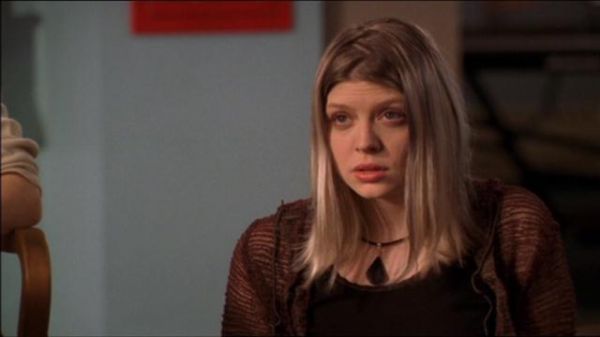 Ill put my cards on the table here, I actually have no problem with the death of Tara but for a couple of reasons I think I have to include her. Firstly if you are going to do an article about death and fan outrage, you have to include Joss Whedon somewhere and as this is limited to TV that means no Wash from Firefly. Secondly, anyone who was watching Buffy at the time will remember the ridiculous amount of anger this generated - it really did push the limit of how much we as people should invest in fictional characters. So even though I personally wasnt bothered, why exactly did this anger so many people? Tara and Willow certainly werent the first gay couple on television - theyre not even the first lesbian couple - but they are considered to be an important landmark for LGBT representation in entertainment. Perhaps this is because Buffy was an important show for a generation of young people which was more accepting of alternative lifestyles. maybe it was simply a well written love story between two people, or - if we are being honest - they were two hot women that made out with each other, and who doesnt want to see that? Willow and Tara had to overcome a number of obstacles to maintain their relationship, none more troublesome than Willows growing obsession with dark magic. In the sixth season, however, they were together and happy- until tragedy struck when Tara was killed by a stray bullet. This death led to a massive outcry from certain sections of the fan base, the producers were inundated with letters from disgruntled fans, some of whom vowed to never watch the show again. Things got especially out of hand when people began to label Joss Whedon as homophobic. I mean, writing letters is one thing but labelling the guy a bigot is way over the line. The episode featuring Taras death aired in 2002, just as the digital age was beginning to take hold, this made the reaction that much more venomous. It has been over decade now and debates still continue to this day over whether it was necessary or not. A similar scenario would play out several years later in the BBC show Torchwood- when the death of character Ianto Jones led to cries of homophobia, despite the fact that the creator and lead actor are both gay men.
2. Curtis Manning- 24
 24 is on its way back! I, like many others, hold out hope that the break and the new limited series format will help 24 recapture the brilliance that made it one of the most must-see shows in the world. The original run of 24 lasted for eight seasons and a TV movie and millions of fans around the world tuned in each week to see how Jack Bauer would save the day. In a show like this it is an inevitability that the death toll is going to be rather large. Despite the fans general acceptance of this being the status quo ,with each passing year more and more questions began to be raised about the manner of certain characters exits- especially that of Curtis Manning in the sixth season. We all know that Chloe is Jacks sidekick but when it comes to actually supporting him in the field, no one lasted longer than Curtis. Others, such as Chase from day 3 and Mike Doyle for day 6, only lasted the one season, but Curtis made it from the fourth season until the sixth, which makes how his death was handled all the more insulting. Curtis had always supported Jack and unlike a lot of characters in the show you really got the feeling that he had his back. A big reason for this was probably due to him seeming to be a relatively level headed guy. He gave the impression that he was in control of his emotions- he had a job to do and he knew how to do it. Apparently not though, because out of the blue he decides to go rogue and that meant Jack Bauer had to put him down. With the exception of Jack - and probably Chloe - everyone on this series has a shelf life and Curtis had exceeded his, but why does that mean he had to die like this? Just because a character doesnt quite fit in anymore, doesnt mean they have to be murdered on the job or go crazy. Why not just have Curtis get another job and thus allowing the character to return if he is needed? Instead the writers have him act completely out of character, jeopardise a mission and make Jack kill him. We are meant to feel sympathy for Jack in that moment as he has just put down his friend. Instead, we as an audience share Jacks disgust with the ordeal- him with the job and us with the writers for putting him in that situation the first place. It felt like a cheap attempt to recreate the emotion and drama of Chappelles death in day 3 and it is worth noting that the sixth season is considered by many fans and critics to be the worst in the series.
1. Sun and Jin- Lost
 When I was putting this feature together I knew that Lost was going to be here - it just had to be. I know the show has been talked about nonstop over the years and perhaps its time to let it rest, but I cant let this go. Every fan of the series has a death that they think was pointless and unnecessary; Mr. Eko, Sayid and Daniel Faradays exits numbered just a few of those that were heavily lamented by the viewers. For me though, there is only one choice, and that is Sun and Jin. At the very beginning of the show it seemed as if they were among the most likely to die. Unlike Sayid neither of them spoke English ,and for many that meant that their days were numbered. Then with the relatively simple revelation that Sun was actually fluent in English, they suddenly became some of the most interesting characters on the show. We watched these two go through hell to be together; in flashbacks we see the fishermans son Jin join the Yakuza and become the cold, hardened man from the first season. This plays out as we see the Jin of the island grow as a person, learn English and regain the humanity that he shed, because he wrongly believed it was the only way that he could make Sun happy. Sun was also incredibly well-developed over the six seasons; the daughter of a mob kingpin, she railed against what was expected of her by asserting her independence, becoming a key figure in the group and helping Jin realise that like her, he was a good person who wasnt being true to himself. The two fought valiantly to reunite whenever they were separated, with Jin literally travelling through time and Sun leaving the island to give birth to their child and return to save her husband whom everyone believed was dead. Youd think after all that they would get the happy ending they deserve right? ... Wrong! They both die in the same submarine explosion that claimed the life of Sayid. Sun is trapped as the wrecked submarine is flooded with water and Jin-who does not want to leave his wife-stays with her and they both drown. In the opinion of some this was a fitting end as all they wanted was to be together and in tragic way thats what happened. Yet these people seem to be forgetting something- they had a child. Jin never even got to meet his daughter and she is more than likely raised by Suns parents, and as such will grow up in the gangster lifestyle that she desperately wanted to escape. Crazy Claire, whose purpose on the show died with Charlie, got to home to a kid that calls Kate mother but Sun and Jin dont. This was not the right ending for them, and that flat-out sucked.