8 Good TV Shows One Crippling Flaw Away From Being Awesome

Sadly, not everything's perfect, least of all TV...
Sometimes we discover new TV shows through our own efforts, and sometimes they're introduced to us by friends and family. Maybe we see a good review and decide to try it out and end up binge watching it on a weekend. Others we discover completely by accident and end up loving it: case in point, I just stumbled on Impractical Jokers through their guest appearance on Conan and I have been hooked ever since. Sometimes TV shows are like sports teams: its a good show, but it feels one key ingredient away from awesomeness. Whether it's a clear expiration date on its main premise (Prison Break, for example) or being tied down by decisions that network executives have no business making (the show creators usually know what's best for the story, after all), or being bogged down by outside issues, some shows just slightly miss the mark at becoming an instant classic. Here are some good TV shows who are just a single flaw away from being great.

8. The Big Bang Theory Focuses Too Heavily On Relationships, No Clear Ending In Sight
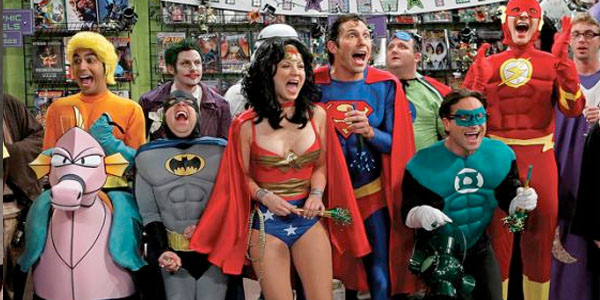
The Big Bang Theory is a tribute to all things pop culture: the heroes are the geeky scientist roommates who are into comic books, superhero movies, and video games. Their interactions with their friends and colleagues make up the bulk of the show, and it is still highly entertaining in its current iteration. Here's a question for the show creators, Chuck Lorre and Bill Prady: how exactly do you end this show? What is the end goal: will it be Leonard and Penny getting married? What about Sheldon and Amy tying the knot? Or Raj finding true love? For a show that started out with geeky references, the present episodes seem to focus more on relationships now. In season 1, the payoff is for Leonard to overcome his fears and ask Penny out. We then got Howard Wolowitz, who started off as a creepy putz, get married and go to space. And I enjoyed the way Amy Farrah Fowler was introduced as Sheldon's love interest, as well as the way they got together. But after all that has happened, what is there left to do, really? It is a show with no clear end in sight. We can continue on and on and not get any payoff for our viewership, because really, what is still there to wait and long for? It is still a good show, just not great since we don't have anything to watch out for except the same old things.

7. Agents Of SHIELD Overplayed Its Hand, Set Up As Clear B-Show In MCU

Agents of S.H.I.E.L.D. is an ambitious project, and I must admit that it got me excited €“ especially when I saw Joss Whedon's name attached to it. But with Marvel entrusting its cinematic universe in Whedon's hands, I wondered where he would find the time to run a TV show. The answer was that he wouldn't €“ he wrote the pilot and is listed as an Executive Producer, but that was it. All the other episodes will be penned by other writers. That should have been the first warning sign that this show may not be as awesome as expected. After a promising start, the show tumbled through the first few episodes, and even though it has since recovered (kind of), Agents of S.H.I.E.L.D. just suffers from the reality of the business: it is the B-show, and it has more of a weekly formula than a central theme. Also, the show can only talk about Iron Man, Thor, Hulk, Captain America and the Avengers but can never actually feature them in the show, which severely cripples its potential to become great. Can you imagine if all the Avengers appeared for at least a three episode arc? It should happen in terms of it being set in the Marvel Universe, but it is highly improbable for budget constraints and availability of the main actors. And therein lies the rub: at the end of the day, its the heroes who are the stars of the Marvel Universe, and even though Clark Gregg is terrific as Agent Coulson, his supporting cast (including the great Ming Na Wen) only acts as the cleanup crew and really don't do anything earth-shattering in the process.

6. The Walking Dead Writes Good Characters Badly, Keeps Switching Showrunners
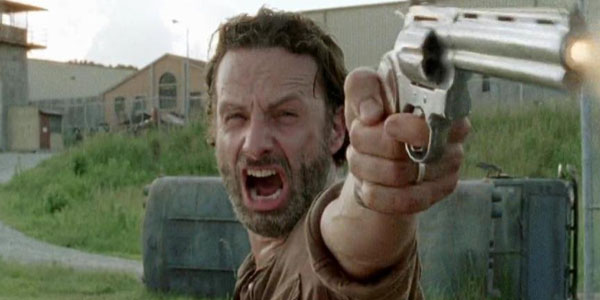
The first season of The Walking Dead blew me away: it was short and intense. Most of all, it felt real, like this is how the world itself can end. Frank Darabont did so much with only six episodes as he told the story of this zombie apocalypse. Then came Season 2 and the dragging episodes in the farm, the disappointing prison battle in the Season 3 finale, the Lori and Andrea haters: you know where I'm going with this. The fans essentially 'killed' the characters of Andrea and Lori with their online hatred. Also, with Frank Darabont being replaced by Glen Mazzara as showrunner, the episodes had a more different feel than before. And let's be honest, Mazzara also had his miscues as the top guy, and current show head Scott Gimple has had to clean up that mess as well. There was a reason why Breaking Bad was so transcendent: Vince Gilligan wrote and ran the show himself. It was not too long nor too short, and it was not dependent on fan reactions: he had a story to tell, he stuck with it and told it. I'm not saying that Walking Dead isn't a good show €“ it is, but when you have so many chefs cooking the broth, the results will be uneven. This is especially true if you're following a story that's already been told in another medium, never mind the fact that they do deviate from the source material. How amazing would it be if the head honchos on AMC let the writers run wild and tell them that no one is safe and they can kill off anyone and everyone? It is a zombie show, first and foremost: the walkers don't care that you're Rick Grimes or Daryl Dixon before they eat you, so why should the writers care? Because the fan backlash that will come from killing popular characters will cripple the show's ratings and AMC's monster hit series will sink right along with it. In a way, the Walking Dead is crippled and limited by its own popularity.

5. How I Met Your Mother Is Far, Far Too Long For Its Own Premise
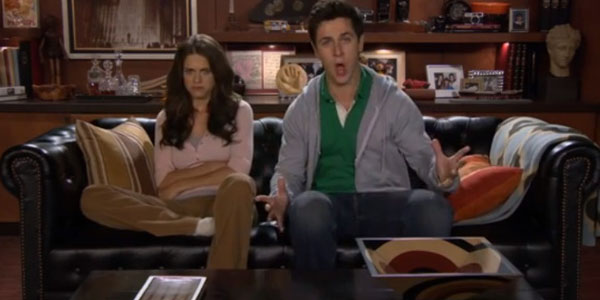
You see those two kids up there? Those are Ted Mosby's kids: they've been sitting on a couch for nine seasons, and though we have met the Mother (and she is absolutely wonderful), we did take kind of a super-duper-roundabout-going-in-circles way to get to her. The starry-eyed romantic in me fell in love with Ted Mosby's story right away: here's a good guy who believed in love so strongly and was willing to do anything and everything to attain it. Robin Scherbatsky will fit anyone's qualifications as their dream girl to a T, Marshall and Lily were a funny and incredible couple, and let's be honest €“ we all have that one friend who is like Barney Stinson. Seasons 1 and 2 were comedic gold with a heart, and season 3 was enjoyable. But then came Season 4 and the quality just went downhill. Once your show focuses on the 'Best Burger in New York' and you have the normally loveable Jason Segel wax poetic about onions and pickles, then you've run out of stuff to talk about. If you have never seen this show, go ahead and binge watch up to season 3, skip seasons 4-7 and go straight to season 8 and 9. Honestly, you will not miss anything. Maybe the fault doesn't lie with the creators alone but with the TV networks who continue to order season after season even if the show has reached its peak in popularity. HIMYM would have been more special if the teases and glimpses led to a shorter and more satisfying payoff than the one we have now. It's not bad, but it could have had such a greater impact.

4. Game Of Thrones Is Limited By Close Adherence To The Source Material

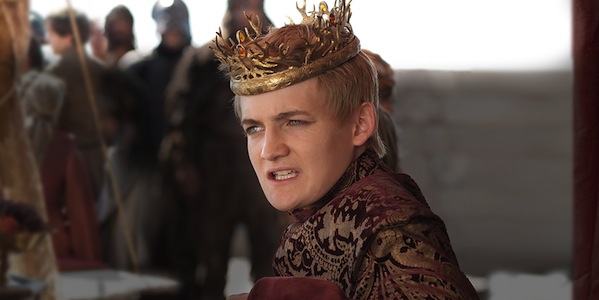
There's SPOILERS in here, be warned. It breaks my heart to put this show on this list €“ I absolutely love the alternate reality that George R.R. Martin created, and it is such a huge world full with moral ambiguities and complications. Westeros is a cruel place, and it will destroy you if you don't have the mindset and internal fortitude for it. It is as real as real can be, with politics and alliances playing key parts in the story. That said, it's based on a medium that's already out there for everyone to see, and even for those who do not have patience with reading books (what has happened to our generation?) there are plenty of sources even for even the newest Game of Thrones fans to find out what is currently happening in Westeros. It will take only a few seconds for anyone to find out what eventually happens to that cruel King Joffrey. And there's the catch €“ anything based on another medium will have to follow the path that is already laid out for it. Granted, they do deviate from the source material, but with George R.R. Martin also so closely involved with the show, you can't throw in major changes or hope to surprise your audience completely. In Season 1, you have to kill Ned Stark because that's how the war begins; Jon Snow has to go to the Wall, Khal Drogo must die of an infected wound, and so on and so forth. Granted, it prevents the show from swaying to fan opinion but it limits its true potential. Imagine how terrifying it would have been had everybody been on the same level of knowledge (read: none) about Ned Stark's execution and death €“ the blow-up on social media and on the internet would have been ten times more powerful.

3. Heroes Was Hamstrung By The Writer's Strike, Couldn't Fulfil Potential
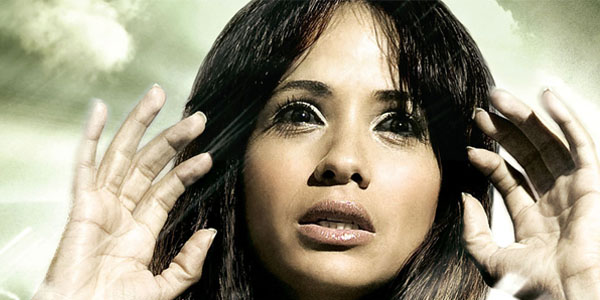
Created by Tim Kring, Heroes had the potential to be a groundbreaking series with a very strong opening season. The tagline 'Save the Cheerleader, Save The World' caught on, the mystery of Sylar intrigued viewers, and Hiro Nakamura remains memorable up to this day. The finale was a bit flat, but it still delivered on its promise, and the following season was loaded with potential. Instead, Heroes was an unlucky victim of the WGA writer's strike, severely shortening its second season from the planned 24 episodes to just 11. The show also suffered from too may convoluted plotlines and characters: it became tough for the viewers to track the overall story. It eventually recovered to have a good enough opening in Season 3, but the quality of the show eventually declined as the show was cancelled after four seasons.

2. Smallville Peaked Too Early And Overstayed Its Welcome
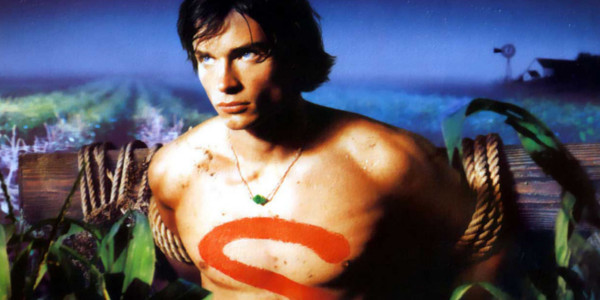
I remember watching Smallville in its early seasons and was absolutely thrilled at the possibilities. A show about the formative years of Clark Kent, as he discovers his powers and strives to be as normal as he possibly can? Hook, line and sinker. Smallville started off strong with terrific performances and solid storylines in the first two seasons. It just had enough to cater to Superman fans constantly waiting for a new aspect of the mythology to crop up, and casual fans who just want to see Clark kick butt and deal with his feelings for Lana Lang. The Clark/Lana/Chloe love triangle also catered to sappy romantics (like me) who enjoyed the romantic teases on the show. Smallville could have just kept it short and sweet: there was no need for the show to run for ten seasons and actually never show Clark Kent donning the Superman suit. A show of this format clearly had an expiration date, and some showrunners and producers need to know that going out on top of your game is best if you want your show to be classified and remembered fondly as a great, great show. Again, I use the Breaking Bad example €“ BB ran for five seasons and maintained a high quality and viewership in its tenure. I for one would not have minded if Smallville ended after five seasons, and there was no need for most of the fluff of guest heroes and villains (Major Zod? Really?) to pollute what once was an above-average show.

1. Dexter Was Held Back By Executive Interference

Dexter was a show that I followed religiously up to the bitter, bitter end. The quality of the show was very, very high during its first two seasons, and though it did drop off a bit in Season 3 with the Miguel Prado storyline, it picked up the pace again with a brilliant Season 4 which featured the brilliant John Lithgow as the Trinity Killer. Dexter is a show about a killer who kills only those who fit the code instilled to him by his dead stepfather: you punish only those who have done bad things, mostly murderers, and he must have conclusive, dead-on proof of their guilt. Judge, jury and executioner, all in one. Surely it's an interesting concept, and the tease is that we root for Dexter to never get caught, no matter how sloppy he became towards the end. For the most part, the show was a great one, tapping into the darkness of Dexter's psyche and his methods towards killing, and his efforts to justify his actions. For the final season, it became apparent that something great was in the works. This was the show's chance to redeem itself and go into the upper pantheon of shows you remember for years as a great one. What will be the ultimate payoff in the life of a vigilante serial killer? Will he get caught and sent to prison? Will he die making the ultimate sacrifice and redeem himself at least partially? Well, the higher ups at Showtime had other ideas, as stated by producer John Goldwyn from Vulture.com:
"They won't let us kill him," he told us. "Showtime was very clear about that. When we told them the arc for the last season, they just said, 'Just to be clear, he's going to live.'
So the ultimate payoff which would have saved the series from its lacklustre middle seasons was squashed by its own network execs, which underscores the truth that 100 percent creative control over shows is a rare thing nowadays. Shame, really. Do you have any shows that you feel are only one thing away from being an instant classic? Perhaps they stayed on the air too long or missed a major plot opportunity? Sound off in the comments below.

Contributor
Contributor

A fan of all things pop culture: movies, TV, comics and music. He is also an avid WWE and sports fan, and supports Boston sports teams, especially the Celtics and the Red Sox, very passionately. He has also been called a 100 percent certified geek.