Doctor Who: 12 Fanboy Complaints That Need To Die

Definitive truth that you just can't please all of the Whovians all of the time.

We Whovians are a passionate bunch; particularly in the ways in which we seem to love and hate Doctor Who equally. Ever since the show's return in 2005, there has been much rumour, debate, praise and complaint; as the show has risen in popularity both in its original home of the UK and across the pond, the engagement of Doctor Who's fan base has only increased. Unfortunately, it's the complaints that seem to attract the most focus. Nit-picking, needless grumbling and miscasting murmurings; all are very much part of a day in the life for most Whovians. So from the point of view of someone who loves the show (Classic and Nu Who) and who has written more than my fair share of Doctor Who articles for Whatculture, we've compiled a look at some of the worst whinges from Whovians with too much time on their hands and grumpiness in their hearts and ask, is it all really necessary?

12. Doctor Who Was Never As Good After David Tennant Left. Bring Him Back!
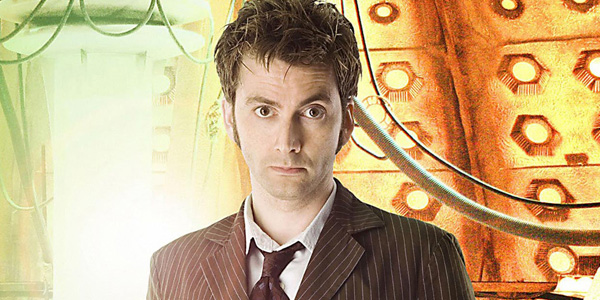
The term 'fan boy' is used loosely in this case, because anyone who realises that the show precedes 2005 by quite some time would understand that the clever thing about Doctor Who is that it's always changing. There are few other shows that can reboot with a brand new leading man over and over again and still be as successful. David Tennant was a romantic, dashing Doctor with 'vanity' issues, a hero who valiantly saved Earth on countless occasions and then began a full on love affair with his companion Rose. He was the Doctor to bring the fan girls as well as the fan boys... but he was only one Doctor. Yes he was great and he had some incredible moments; it's easy to see why he's often voted as one of the very best Doctors. And yes, it was hugely disappointing when he left, but by 'fish custard' fans were already asking Tennant-who? Personally speaking, Matt Smith is by far my favourite as he is for many other fans and as such, it's more than likely that we will all see the 'bring back Matt Smith brigade' in a couple of years' time.

11. Doctor Who Has Become The River Song/Amy/Clara Show!
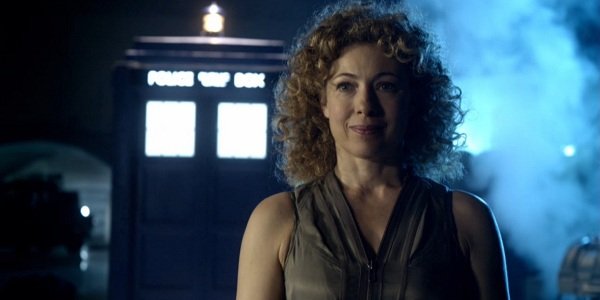
Let's great straight down to business and discuss the Doctor's wife (no not that one; it is very much the Tardis's show as it is the Doctor's). You might love River Song or hate her, but to suggest that Doctor Who has ever become the River Song show is frankly ridiculous. River Song has appeared in 14 episodes across four series; eight episodes are in fact four two-part stories and she had little more than a cameo in the closing moments of another, which should qualify her as an occasional recurring character. Sure she was a central player in series six, but the on-going arc of that particular run was the Doctor's death, not her past (which was covered within four key episodes). Now the mystery of her story has been told, she popped up just twice in series seven and any future appearances are likely to be no more than fleeting. That doesn't mean she shouldn't return: the idea of her facing off against Peter Capaldi is a mouth-watering prospect to say the least. As for Amy and Clara, the mystery behind the companion may have been the staple of the Eleventh Doctor's era but they were never the primary focus: the cracks in space and time; the death of the Doctor - Amy (and Rory's) story ran underneath this main arc, and it certainly wasn't the focus of the show. God forbid that Doctor Who might have layers to its story telling! And sure Clara may have been the focus of a mini arc, but that's tied up now (quite satisfying in my opinion) in The Name Of The Doctor, and in the last two stories she has been a great support character to the Doctor himself.

10. Doctor Who Has Become Too Complicated/Doctor Who Is Too Simple

There's just no pleasing some people. The arc has taken over the show, fans complained about series six - there's no depth to the show anymore, fans complained about the stand-alone episodes of series seven. So what do fans want? Before you accuse me of basking in my love of Moffat's storytelling and refusing to hear criticism, hear me out: Steven Moffat has demonstrated time and time again that he has the skill to play with time travel and non-linear storytelling in much greater depth that Russell T Davies ever did, but there have been issues. While the arc story lines of series six were a high point, the stand alone episodes suffered - particularly where Amy and Rory 'forgetting' that their child had been kidnapped - and some stories in series seven felt rushed. The show missed the great cliff hangers that only multiple-episode stories can bring, and it's no accident that series five felt like Moffat's best, as it was the perfect blend of arc and stand alone. It probably depends on whether you felt Time Of The Doctor resolved the Eleventh Doctor's story line satisfactory, in order to judge the success of the plot begun way back in The Eleventh Hour - I felt it did; there were only a few minor stumbles along the way. The movie-themes of series seven were a breath of fresh air too, embracing the change that Doctor Who does so well. It will be a different show again when it returns to our screens later this year, and that's a good thing; story arcs and stand-alone stories... we need it all.

9. Doctor Who Needs To Stop Bringing Back/Has To Bring Back

This is a complaint that just doesn't seem to go away, if the show brings back villains and they feel over used. And if it has a run of original villains and we're immediately questioning which classic villain or monster will be making its long awaited return. The Daleks are the biggest source of complaint: the Fifth, Sixth and Seventh Doctor only faced this iconic foe once and Tom Baker's Fourth Doctor twice in his seven years on the show; one of those was the almighty Genesis Of The Daleks. The biggest issue was the fact that they kept coming back in the RTD years, all powerful and yet wiped from existence at the end of each battle. How could they truly be a threat if they keep getting defeated so easily? Like it or loathe it, Victory Of The Daleks did one great thing; they made the Daleks win, surviving to fight another day. The other thing to consider is the old 'which villain needs to make its comeback?' discussion, which you can guarantee is one of the primary debates before each new series starts. Whatever the choice, there will be those that applaud the Nu Who reinvention and those that label it a travesty. Who could follow the Ice Warriors? How about a Nu Who reinvention of the Zarbi and the Menoptra*? Because what successful sci-fi show doesn't need giant ant people and butterfly men? *Disclaimer: Moffat, please leave the Zarbi alone...

8. The Doctor Should Never Have A Romantic Relationship!
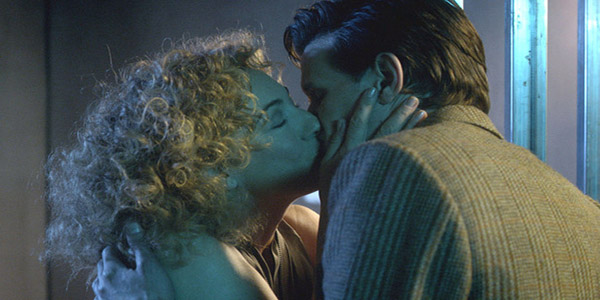
Why? Is the Doctor without emotion? He might have been more asexual in the classic era, but he was certainly not without feeling. The original companion was his own granddaughter Susan, someone he cared for very much, and there's certainly evidence to suggest the Doctors had much room in their hearts for Jamie, Jo, Sarah Jane and Ace. Yet still fans take an instant dislike to romance. The ball really started rolling when the Eighth Doctor kissed Grace. Was that true love? Not really - it was more a 'heat of the moment' moment, like Astrid in Voyage Of The Damned or Clara in The Snowmen. There's nothing wrong with a romantic sub plot to the show - just as long as it's done right; but then Doctor Who hasn't always been successful in that respect: Rose may have brought the Doctor back from his post-Time War slump, but the first full blown case of romance ever committed to screen? It always felt like they were great friends (like the Fourth Doctor and Sarah Jane). The same thing sort of happened for a while with the Eleventh and River: after the initial mystery and innuendo, the story arc of series six suggested that the Doctor had fallen for River completely, but even at their 'wedding', it always felt like River loved the Doctor more than he loved her. Ironically, it was after the bulk of the River Song story line was over that they really became believable, and in both her series seven appearances, their romance felt genuine and the relationship was easy to buy in to.

7. Doctor Who Has Become Too Americanized!

Otherwise known as the 'Doctor Who is too popular; how dare this quintessentially British show try and cater to the US market too?' More success means more money (particularly when it's broadcast outside the UK) and that's a good thing, because unless something drastic happens, Doctor Who is not going to run into the threat of cancellation like it did in the mid to late eighties. Its popularity (as demonstrated by the record-breaking worldwide broadcast on the 50th special in cinemas) means that we're getting Doctor Who for many more years, so you should perhaps not be complaining about anything that facilitates that. Doctor Who really is its own show. How many other programmes can have a gothic horror murder mystery one week and an action blockbuster the next? It hasn't changed because audiences outside the show are enjoying it. it's changed because Doctor Who is a show that is always evolving. It's still the staple show for great British actors, just as it was in the classic era; from the Doctor and his companions to great guest appearances from Michael Gambon and Bill Nighy. Up next... Judi Dench perhaps? Fans shouldn't worry: Doctor Who will continue in its very own style for many years to come.

6. There's Not Enough Doctor Who On TV Anymore!

This one is a particularly personal grumble: if we had had a new series each year since Matt Smith took over the role in 2010, we might have even got a fourth series out of him. The problem of course is those series splits; series six was bad enough in the same year... but series seven split across two years resulted in an endless waiting game. I know I wasn't the only fan asking why isn't there enough Doctor Who on TV anymore? The thing that all fans have to remember is that Doctor Who is going strong and there is no end in sight. It is infinitely better to have a few less episodes each year than the years of endless waiting that began in 1989, and too much Who will always come with the possible caveat of overkill and oversaturation that will spell likely disaster. You also need to consider other factors such as the BBC's budget (Doctor Who isn't the only successful program on their channels), and that age old argument of quality over quantity: it's better to have a great show that had the right care and attention devoted to it rather than lots of mediocre episodes. The model is a good one, with precedent: it certainly works for Sherlock. Besides, you'll be pleased to know that series eight will run uninterrupted, as apparently will series nine, and perhap this complaint will start to become a thing of the past once more...

5. There Are Too Many Earth-Based Story Lines/Companions

One of the cleverest things about Doctor Who is having a companion acting as our window into the Doctor's world: it allows the Doctor to be as alien as he likes because we, the audience, have someone we can relate to. It was the case when Ian and Barbara stumbled into the Tardis back in 1963 and it was even more prevalent in Nu Who, where modern companions Rose, Martha, Donna, Amy, Rory and Clara have allowed us to experience all of time and space from an early 21st century perspective. Of course, by having a companion with ties to modern day Earth means there is always going to be a number of modern-Earth based stories, which is no problem as long as it is tempered with a healthy dose of historic episode, future based adventures and trips to far flung planets, which the show has done more and more of in recent years. Budgets are always going to dictate that setting an episode on modern day will be infinitely cheaper. There are many fantastic 'modern day stories; Blink, Doomsday and The Eleventh Hour in Nu Who. In the Classic era the majority of Jon Pertwee's era was confined solely to Earth and it was during this time that we got some all-time classics; Spearhead From Space, The Silurians, Inferno, The Daemons, The Sea Devils... The fact is, like any episode, modern-Earth based, historic or set on another planet, it's all about having great script and performances, and modern companions work because they serve as our link to this world. Should there be historic, future or alien companions too? Absolutely - that's where multiple companions come in and it's something Doctor Who should definitely deliver in the future.

4. The 50th Anniversary Was A Wasted Opportunity Because There Were No Classic Doctors!
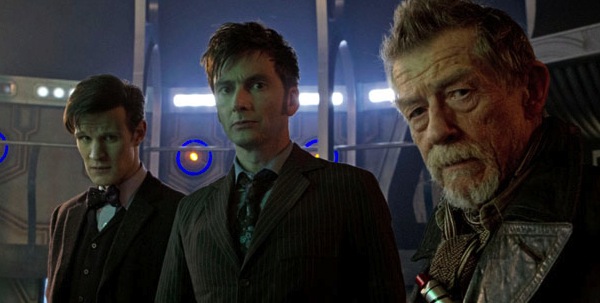
The Day Of The Doctor was a great celebration of Doctor Who with some electric interplay between the War, Tenth and Eleventh Doctors. (You can read my review of this and the other 50th specials here). Having visibly older, larger Doctors running around, squeezing into their old costumes, trying to keep up with Tennant and Smith; is that what audiences really wanted? They would have become caricatures of their former selves. Besides, if you really wanted the Fifth, Sixth and Seventh Doctors in action again, then you had to look no further than the brilliant Five(ish) Doctors. Steven Moffat absolutely went in the right direction with the 50th special; he focused on story first. Had his first thought been to fit as many Doctors in the episode, we might have ended up with something like The Five Doctors - a virtual fan-love-in of Doctors and companion cameos without any real content. There's still the bickering interplay between Doctors as per the previous anniversary specials and David Tennant and Matt Smith light up the screen together, only to be outdone by the mastery of John Hurt's performance. But it really was about the most significant event in the Doctor's long life; the Time War and the fall of Gallifrey. If there was ever a moment to delve straight into it, it was the 50th and it was done with real style and celebration. Old Doctors weren't forgotten - they all got a part to play in saving their home world and the unforeseen arrival of Peter Capaldi's Doctor had audiences cheering in the cinema; immediately outdone by the wonderful scene between Smith's Eleventh and Tom Baker's curator, surely the most touching homage to the show of them all.

3. The Retconned Thirteen Regenerations In 'Time Of The Doctor' Was The Worst Thing Moffat Has Ever Done To The Show!
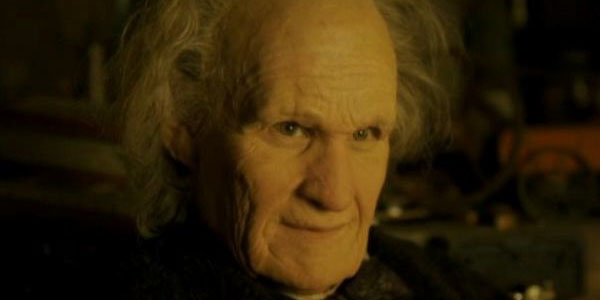
What gives Steven Moffat more or less right than Russell T Davies or his successor to tackle this story line? The advent of the 50th anniversary year was the perfect opportunity to do this; it closes on the Doctor's run of lives and starts the next 50 years with a new lease of life (and regenerations). The biggest issue with the Eleventh Doctor being the thirteenth regeneration was how quickly this story line was brought up and resolved, though in this aspect Steven Moffat wasn't entirely at fault. There were perhaps two other culprits; Russell T Davies for throwing away a regeneration in Journey's End and Christopher Eccleston for not agreeing to take part in the 50th anniversary. That's not to say that Eccleston had an obligation to be involved (he should have), but had he done so, it might have been the Ninth Doctor to led the charge in the Time War, fulfilling the same role as John Hurt (dialogue and all) in Day Of The Doctor. Considering the way it played out though, John Hurt's War Doctor became the highlight of the 50th anniversary anyway! It looks like Moffat always intended to tackle the 'last regeneration' story, just with Matt Smith's successor instead. He was right to include the second Tenth Doctor in the regeneration limit but making the Eleventh the last does mess with a few plot moments (specifically those in The Impossible Astronaut and Let's Kill Hitler). It came out of nowhere in Time Of The Doctor, but it did allow for one hell of a performance from Matt Smith. In the end, it all kind of made sense, but there's no doubt that some fans would have preferred more of a forbidding build up to what is supposed to be THE END of the Doctor.

2. Modern Doctor Who Is Not The Same Show As Classic Who!

Again it comes back to that previous statement that Doctor Who is always changing, always reinventing itself and that is what keeps it fresh to this very day. Sure it has a somewhat different format to Classic Who, but that's because the show had to attractive to a 21st Century audience. TV is faster paced than it was back in the 70s and 80s; had Doctor Who followed the same style as Classic Who, the chances are it might not have been as successful, certainly not outside the UK. That's not to say all twenty seven series of Doctor Who, from An Unearthly Child to Survival were the same either; quite the opposite. Harttnell's era was hard sci-fi and historical narratives, Troughton brought the fear with many memorable monsters, there was a radical change with Pertwee's Earth-based UNIT era and then the show went back to the stars with gothic horror in Tom Baker's early years. It's not just the style; the formats changed too: in Colin Baker's years, Doctor Who ran in the now traditional 45 minute format and if you look at the companion-centric arc surrounding Ace in Sylvester McCoy's last couple of years you begin to see a show that isn't far off Nu Who. If you went straight from the final pre-cancellation story Survival and go straight into Rose, you wouldn't see a radical change in style between them. Simply put, Nu Who and Classic Who are the one and the same show.

1. Steven Moffat Should Be Kicked Off Doctor Who Because...

We all had massively high expectations when Steven Moffat took over from Russell T Davies in 2010. We all imagined classics like The Empty Child and Blink week after week so naturally fans were always going to be a little disappointed. Many Whovians have short memories it seems: by the end of his run, fans were clamouring for Russell T Davies to leave and heralding Moffat as the saviour of Doctor Who. Now we see the same argument again and those that criticised Russell T Davies during his tenure have put on those rose-tinted glasses to reminisce about all the greatness he achieved. These arguments are always going to happen. Fans lay a long list of charges at Moffat's feet, many of which I have covered in this article, but the truth is, a few years down the line, when there is a new head writer in place, Whovians will argue that he (or she) is the cause of many, many problems with Doctor Who and reminiscing about the time when Steven Moffat was in charge. IT all boils down to one observation: if you don't like the show, don't watch it. You can always come back to it when there's a new Doctor or companion (if a particular actor isn't your cup of tea) or when Moffat has moved on to pastures new. Doctor Who is always changing, giving us a new face (literally) every few years. We're about to hit one of those major changes now in 2014. Let's see what joys (and issues), Peter Capaldi's reign as the Doctor brings to the show. Which enduring complaints about Doctor Who do you think should disappear? Share your own grumbles below in the comments thread.

Contributor
Contributor

A writer for Whatculture since May 2013, I also write for TheRichest.com and am the TV editor and writer for Thedigitalfix.com . I wrote two plays for the Greater Manchester Horror Fringe in 2013, the first an adaption of Simon Clark's 'Swallowing A Dirty Seed' and my own original sci-fi horror play 'Centurion', which had an 8/10* review from Starburst magazine! (http://www.starburstmagazine.com/reviews/eventsupcoming-genre-events/6960-event-review-centurion) I also wrote an episode for online comedy series Supermarket Matters in 2012. I aim to achieve my goal for writing for television (and get my novels published) but in the meantime I'll continue to write about those TV shows I love! Follow me on Twitter @BazGreenland and like my Facebook page https://www.facebook.com/BazGreenlandWriter