Doctor Who: Every Modern Companion's DEFINITIVE Episode
What is the standout moment of every NuWho companion?

Recently, I selected my picks for each NuWho Doctor's quintessential episode. This time, we'll be looking at NuWho's companions. A companion's quintessential story isn't necessarily their best episode, nor is it their most emotional, or this list would be full of companion departure episodes.
For the purposes of this list, I'm qualifying 'quintessentialness' using a few factors. Firstly, does the episode capture what defines this companion - their core traits, their strengths and flaws? Secondly, does the companion drive the plot (there are plenty of episodes where they're front and centre, but we're looking for stories about them, not just stories where things happen to them)? Lastly, does this story work if you swap out the companion for someone else, or is it custom-built for that character?
I am including only televised companions from the 2005-2025 era of the show, and am keeping each companion to a single defining story. I'll be focusing on 'primary' companions here, but I've slotted in a bonus quickfire round for secondary companions who don't have quite enough spotlight to have a quintessential episode.
10. Father's Day (Rose Tyler)

The first half of Series 1 is all about an ordinary girl being dragged into the Doctor's world.
Father's Day, at the midpoint of the series, is the first time we see the Doctor pulled into her world.
Straight off the bat, it's Rose who sets the wheels in motion by saving her father Pete from his pre-determined death, and her additional motivation for travelling through time is revealed. Not only does this betrayal of the Doctor's rules give Rose more depth, it puts them at significant odds for the first time, with him going so far as to question whether he's made a mistake in travelling with her.
Rose isn't a passenger in this story – the entire thing orbits around her as she deals with the consequences of breaking time, an alien threat, the Doctor's anger, terrified wedding guests, her own mother, and the fact that her late father is standing right in front of her.
To shift the spotlight even more towards Rose, the Doctor is gobbled by a gargoyle halfway through the episode, leaving the finale to hinge not on the Doctor's heroics (as would usually be the case), but on a difficult and very human choice for Rose and Pete.

Rose isn't shown as particularly selfless or heroic in this story. Her complexity really starts to show itself, and Piper's acting chops are phenomenal, especially in her one-on-one scenes with Shaun Dingwall. The story also gives her emotional closure, even though Pete still dies. She gets to meet him, and Pete, in turn, gets to be a father to her and sacrifice himself for her. She also manages to change time – just a little – as Pete no longer faces his death alone.
The dynamics introduced in this episode would become a backbone of the first two series, doing a lot of early legwork to make the introduction of 'Parallel Pete' work in Series 2. It's a top-notch story that makes Rose Tyler the character she is.
9. Last Of The Time Lords (Martha Jones)

At its core, Last of the Time Lords is about Martha finding her independence, and realising she does not need the Doctor to make her strong. She's the hero that brings down a renegade Time Lord all by herself. The Doctor, in comparison, spends most of his time as a sad little house-elf.
This episode is defined by Martha's quest. She travels the world and survives in hiding, gathering information where she can and spreading the gospel of the Doctor. She outwits the Master completely, managing to hide the true nature of her travels and duping him into thinking she's been assembling a superweapon. The resolution to the story – with its network-powered messiah Doctor – is one hell of a Davies-ex-machina, but it works because Martha sells it completely. Freema Agyeman is just fantastic in this story.
Underpinning all of this is Martha's love for her family, and we see that they are her source of hope, and her drive to compete against what appear to be pretty insurmountable odds. It's nice to see them get some spotlight of their own, especially Francine, who has her best scene in this episode as she turns a gun on the Master.
This episode showcases Martha's competence, endurance, and wit. She becomes a folk hero and a leader, and realises what she can be without the Doctor. She even meets someone who looks at her the way she looks at the Doctor – sure, he gets shot and killed, but it's okay due to the aforementioned space magic ending!
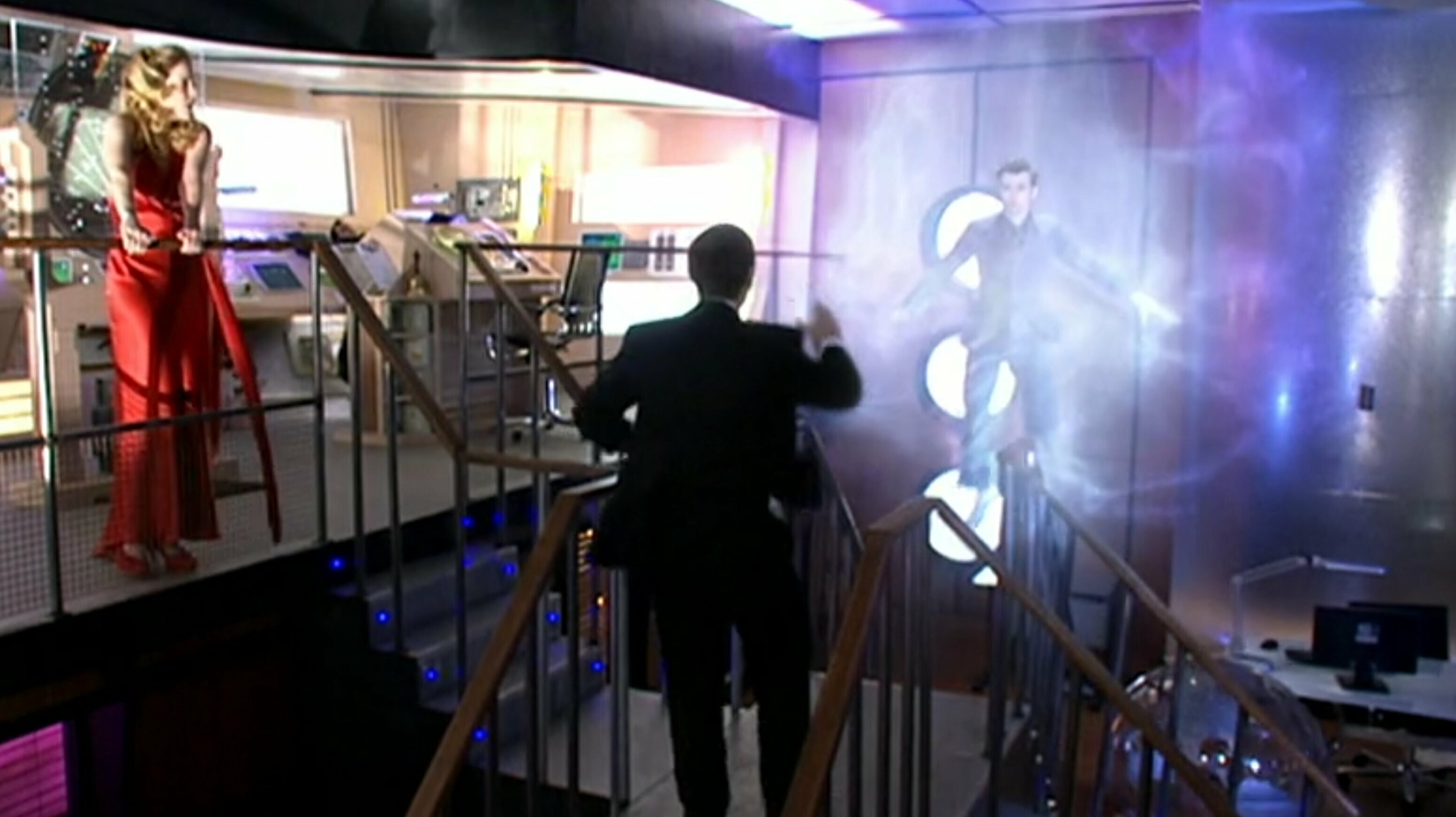
This culminates in Martha's realisation that she needs her independence from the Doctor, and she makes the decision to take it for herself. It's one of the most underrated companion exits ever – it's understated, mature, and entirely borne of her own agency. After a series of the Doctor treating her as a rebound, it's immensely gratifying to watch her step out from his shadow, call him out on his behaviour, and walk away with dignity.
It's the scene that defines Martha's entire character journey.
8. Turn Left (Donna Noble)

Turn Left is a character study of Donna Noble, stripping the Doctor and his influence away entirely. The show has laboured the point of Donna being made better by the Doctor, but this story shows us that everything the Doctor brought out in her was there all along, with or without his guidance.
This is a version of Donna that remains exactly as we first met her in The Runaway Bride, trapped in an unexciting life and stifled by a demeaning mother. But there are also echoes of the Donna she grows into – her inherent humanity and heroism shine through, filtered through her slightly abrasive exterior.
Even without the Doctor, the Donna we know and love is still in there, she's just too guarded and worn down to let it come to the surface.
At the same time, the episode also allows us to see what Donna might have been like before the Doctor, spending an extended period of time with her as she just tries to live her life as the world collapses. Her lack of purpose and drive becomes more prominent, her relationship with Sylvia is colder and even more strained, and she harbours a general resentment for the world and everyone in it.
Wilf, by contrast, is still an absolute gem and a saint, and his bond with Donna in this parallel world is the only thing that anchors her.
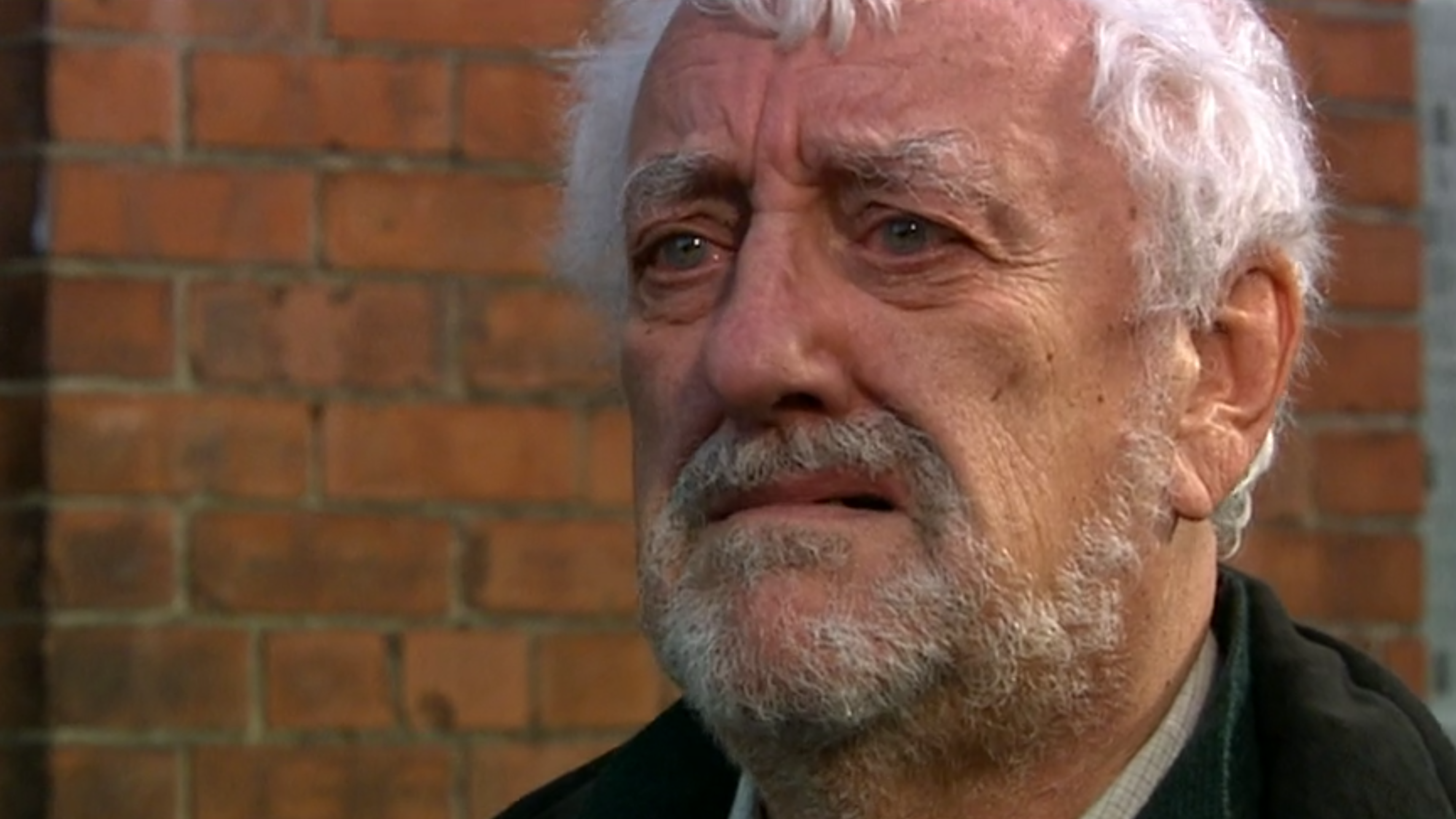
We can see that the traits we often associate with Donna (her humour, and quickness to anger) aren't just kooky traits, but tools she uses for self-preservation. The humour is still there, but it's more biting and harsh – you can feel her sense of desperation and helplessness through her every action.
It's a subtle change, but it's a perfect showcase of exactly why Catherine Tate blew us away in 2008. For someone who honed their craft in comedy, she might be one of the best dramatic actors to ever take on the role of a companion, and there is no better showcase for her talent than this episode.
Much like Human Nature is a story about the Doctor 'without' the Doctor, Turn Left isn't really about an alternate timeline Donna – its actual purpose is to reveal that the 'ordinary' Donna is anything but ordinary.
7. The Girl Who Waited (Amy & Rory)

Amy and Rory come as a pair, and their arcs are so intertwined that any episode that's quintessential for one is likely quintessential for the other.
At first glance, The Girl Who Waited seems like Amy's story – a companion trapped in isolation, ageing alone, forced to survive in a hostile environment. But the episode is doing a lot more than that – it's also about the difference in Rory and the Doctor's perspective of Amy.
The plot revolves around 'Old Amy', who has grown bitter, resentful and distant, but the point at which the story really gets going is when 'Young Amy' is recovered. This is an Amy who hasn't aged, and hasn't suffered the same isolation. And the kicker is, it's impossible to save both.
The Doctor sees this problem in black and white. To him, Amy is an idea – she's as much his imaginary friend as he is hers. She is still the girl in her back garden, the one he first met. He's attached to the youthful, optimistic Amy because that's the mask he wants to wear himself, and when he's with her, he can pretend that he isn't approaching the end of his life.
Old, bitter Amy is difficult for him to look at or accept, because he doesn't want to be reminded of her mortality, and also because he's losing his dreamy-eyed, adventuring imaginary friend.
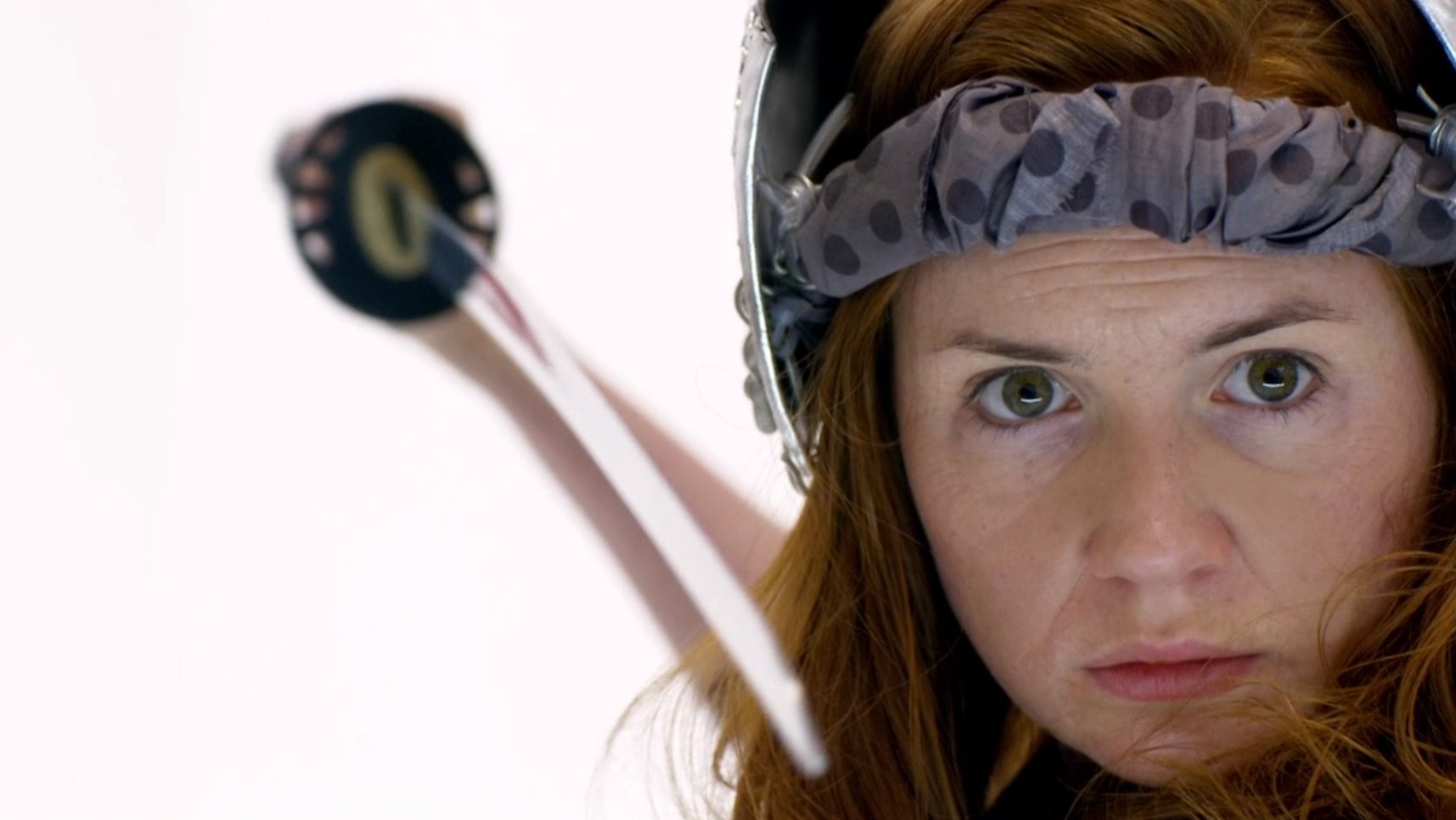
Rory, however, just sees Amy. He can't possibly choose young Amy or old Amy, because they are both the woman he loves. This, of course, sets them on a collision course, and during his confrontations with the Doctor, this is the argument that draws the starkest contrast between them. It shows us, in many respects, why Rory is the better man, and why, beyond a shadow of a doubt, he is better for Amy than the Doctor is.
Amy herself is the heart of the story. The episode shows what happens when her trust in the Doctor is broken. She has spent much of her life placing her faith in him, despite her feeling abandoned by him as a child, and here (though again, through no fault of his own), he does it again.
Amy's survival for so many years in this hostile facility shows how far her character has come, and the resentment and deep regret with which Karen Gillan plays this alternate Amy almost has you forgetting that they're the same actor. It's undoubtedly her best performance on the show, and you could make a pretty solid case for it being Arthur Darvill's too.
After a series-and-a-half of love triangle drama, The Girl Who Waited reinforces once and for all that Rory is Amy's anchor. After some initial tension between the two Amys, it's ultimately their love of Rory that brings them together, and bridges the gap between them.
6. The Husbands Of River Song (River Song)

River Song is an incredible character, but in almost every story she appears in, she's defined by everything around her. She's Moffat's great enigma.
For most of Matt Smith's run, the Doctor (like he is with Clara) seems mostly attracted to her because she's a puzzle to be solved. There are teases and spoilers and paradoxes, the reveal of who she is and why she's in jail, her wedding to the Doctor... ultimately, she's a plot device. Luckily, Alex Kingston plays her with such charm that this is easily overlooked.
The Husbands of River Song, casting off the shackles of the Smith era's timey-wimey series arcs, is a story that finally treats River as a person. The episode isn't about who River is in relation to the wider Doctor Who mythos, and it doesn't present any big mysteries. It's just about her, what the Doctor means to her, and what she means to him.
To be more specific, the story is about what it actually means to love the Doctor. The Smith era presents them as being a couple but you never quite buy that Eleven loves River. Here, she pours her heart out in a beautiful monologue, and in that moment, it's the first time you can really see that he loves her too.
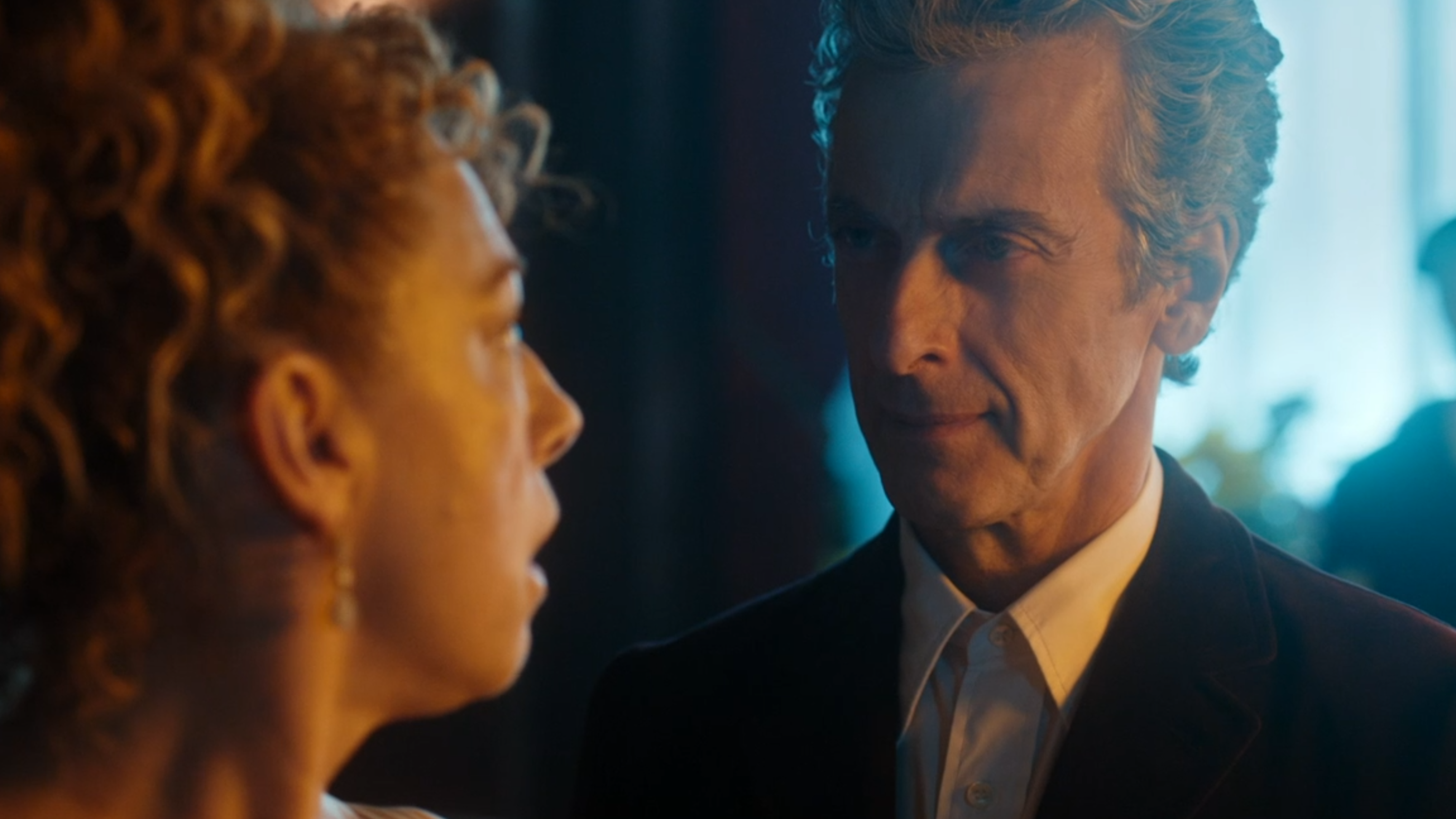
There's no clutter in this story – there's no full-time companion to be juggled and the threat is relatively minor and lighthearted, which befits both Christmas and the rom-com vibes the episode is shooting for. River, for the very first time, is a co-lead (and Kingston finally gets her well-deserved place in the opening credits).
The story gives us payoffs that have been teased as far back as River's first appearance in Silence in the Library, and they land precisely because they have been built towards for so long. The Singing Towers of Darillium and the Doctor gifting River her screwdriver are woven into the narrative in a more beautiful way than we might have imagined, culminating in the wonderful reveal that their final date night lasts not a few hours, but 24 years.
Alex Kingston puts in her best performance here, unburdened by having to play the mysterious angle. She's able to play River with a looseness and vulnerability that there wasn't space for before, and her chemistry with Peter Capaldi is electric.
The choice to make this episode a quiet, personal story that patches what was most lacking in River's character was an inspired choice that ended Kingston's time on the show on a soaring high.
5. Dark Water/Death In Heaven (Clara Oswald)
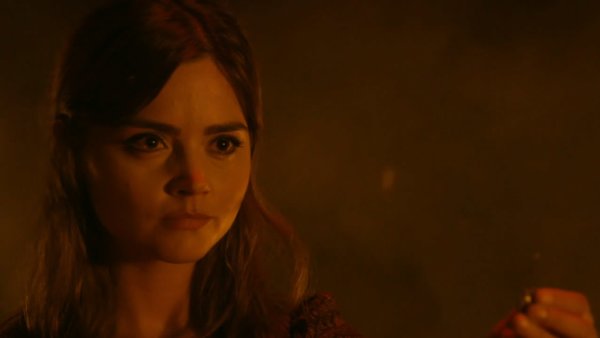
If you're trying to define Clara as a companion in a single story, the Series 8 finale is the one. This is the moment that her complex companion dynamic is pushed to its breaking point.
What makes Dark Water so compelling is that it doesn't soften Clara's flaws to make her sympathetic. Clara deceives and betrays the Doctor in the opening moments, and this isn't framed as a minor lapse in judgement or a misunderstanding. It's a calculated and selfish betrayal, and probably by far the worst that any modern companion has committed.
She lies to him, manipulates him, and ultimately attempts to threaten him to get her way, to the point where she's willing to doom both of them if he doesn't comply. Clara, in this story, is selfish, reckless and controlling (even if her motives are sympathetic), and Moffat doesn't sugarcoat it.
These glaring flaws in her character are what makes Clara so interesting, and while they might rub some fans the wrong way, they're a compelling break from the norm. In Capaldi's era, she is rarely his moral compass, and is far closer to mirroring the Doctor than any companion we've seen prior. In this two-parter she even goes so far as to convincingly impersonate him (and steal his name position in the credits) to really hammer the point home.
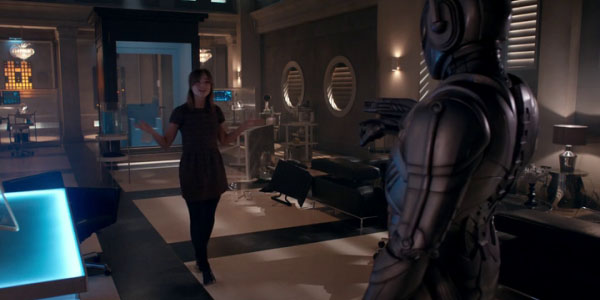
She's gone through her period of outrage at the way Twelve conducts himself, and has come round, dangerously so, to his callous and cold way of thinking. In an odd twist, it's actually the Doctor who is forced to pick up the emotional slack in this one, forgiving Clara in spite of her betrayal.
At the same time, the story sees the climax of Clara's relationship with Danny Pink, which is handled here with an unusual finality for the show in the form of a "boring" car accident. Danny’s death isn't reversed (though there's a little subversion in the story with it looking like it will be undone). This is a huge moment in Clara's arc, and her grief directly drives her character for the remainder of her time on the show, with her recklessness ultimately being her undoing.
This is pivotal character development for Clara. Her complex relationship with the Doctor is what she's most remembered for, and you can't get a better case study for why that pairing is bad news than this story right here.
4. The Pilot (Bill Potts)

Introductory episodes, by nature, can easily qualify as definitive, so they're a bit of a cheat for this list – hence why we've avoided them!
In the case of Bill though, The Pilot is such a clear statement on what Moffat was trying to achieve with her (and by extension, Series 10) that it simply has to be the pick.
Series 10 was billed as a new start, a breath of fresh air after the cerebral and serious tones of Capaldi's first two series. Part of this shake-up was a return to 'normality' for the show, less tied into big mythos and more centred on ordinary people. Enter... Bill.
The Pilot serves as a perfect introduction because it doesn't overcomplicate Bill, and it doesn't overcomplicate the plot. That's not to say Bill is lacking depth (far from it), but rather that the show is very upfront about who Bill is – she does what it says on the tin. There's no crazy lore or mystery behind Bill, she's simply an inquisitive, chatty, funny woman with a thirst for the unknown. What you see is very deliberately what you get, and Moffat was right: at this stage of the revival it very much was a breath of fresh air.
The Pilot makes a conscious effort to contrast Bill with the 'most important woman in the universe' companions that have come before her. The Doctor notices her not because she is extraordinary, but because she's unapologetically curious. She doesn't do anything particularly special or brave to win her spot in the TARDIS, she just asks good questions and makes good company.
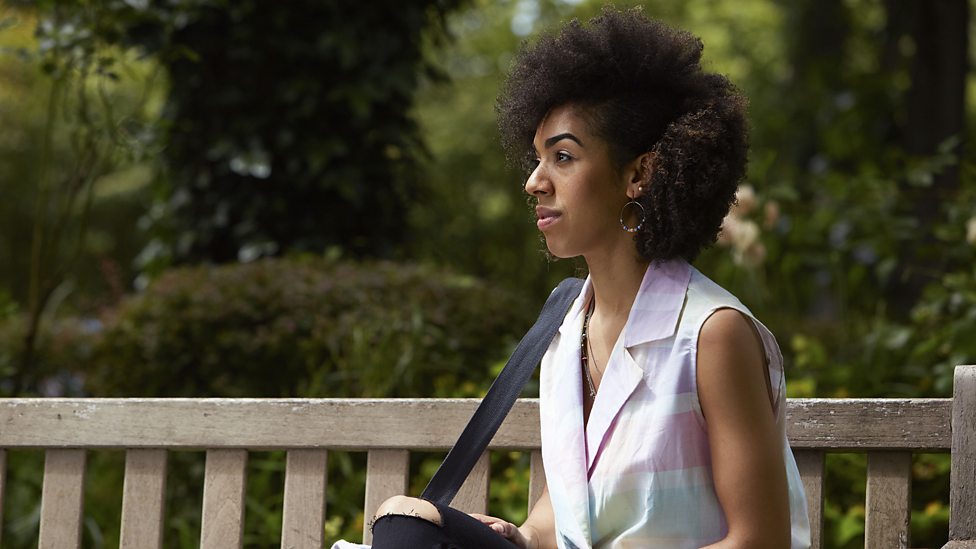
The teacher/student dynamic is absolutely key to this series, and this episode serves as a perfect introduction to it. It's a bit Seven and Ace, but this time, the Doctor is quite literally her university tutor. Bill functions as a genuine audience surrogate in a way that we hadn't had since Donna.
She asks questions the show needs asked, but not in a naive way, and also has a subversive way of thinking that leads her to ask questions that haven't occurred to other companions in the 60 years of the show, often with a sarcastic and slightly meta sense of humour. Pearl Mackie is supremely good at disguising exposition dumps and making them seem more natural.
What the episode also does particularly well is establish that Bill’s emotional and narrative arcs aren't about uncovering hidden secrets, but about expanding on the traits she already has.
Her relationship with Heather and her mourning of her mother are very simple, everyday troubles (yes, Heather turns into a sentient puddle, but you know what we mean), and throughout the series the things we see Bill dealing with outside the monster of the week are refreshingly relatable: bickering with her foster mum, trying to get on the property ladder and juggling homework.
In all instances, Bill faces everything with a smile. And we see that right from the beginning of her journey.
3. Eve Of The Daleks (Yasmin Khan)

Considering that Yaz is one of the longest-serving companions in the revival, it's hard to nail down a definitive episode for her.
Demons of the Punjab was an option, but upon closer inspection, the story doesn't actually give her much to do. Likewise, Can You Hear Me provides some great development for Yaz, but not much in the way of focus.
Eve of the Daleks however is the episode that finally confirms what had gone unspoken for a very long time – Yaz has romantic feelings for the Doctor. The scene where Yaz finally admits this to herself and Dan is among her best moments, but it's not what stands out the most.
This is also the episode in which Yaz starts to really challenge the Doctor on her behaviour, becoming frustrated about being sidelined for her 'own protection', and disregarded emotionally because Thirteen is too afraid of having a mature conversation, and would sooner pretend she hasn't noticed the way Yaz feels. There's tension in this episode between the duo, which is finally allowed to surface and bring them all the closer for it, as Dan quietly plays Cupid in the background (and when is he not in the background? Bless him).
Eve of the Daleks itself is a bit of a banger, and while it's not quite Heaven Sent, the episode does make very good use of its time-loop gimmick to apply emotional strain on the characters, exacerbating their honesty with each other.
Yaz isn't the hero of the story but her persistence and determination is showcased throughout – she's given more to do than normal, and is an integral part of the team. There are certainly episodes where Yaz does more, but this one still takes the 'definitive' crown as it's where Yaz's emotional arc hits its apex.
It's just a shame the next episode spends more time on silly pirate jokes than actually following up this solid setup.
2. Lucky Day (Ruby Sunday)
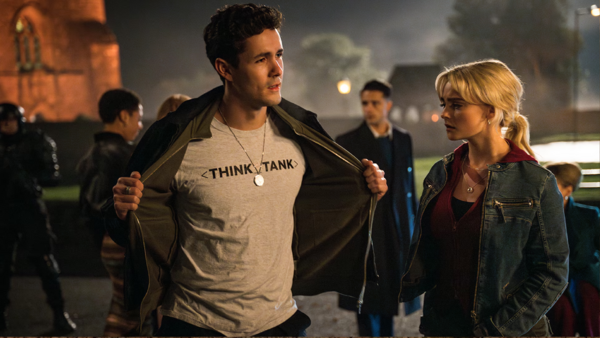
Interestingly, the pick for Ruby's most quintessential episode doesn't come from the season in which she travels with the Doctor. She does get some development in Season 1, but much like other companions covered in this list, she spends most of her run as a mystery box, with a particularly underwhelming reveal to boot.
Lucky Day is the only story where we get to see Ruby divorced from her season arc baggage, and can finally see her as her own person, heading up a Doctor-lite episode that devotes its runtime to exploring what life is like for companions after travelling in the TARDIS.
From the off, we see that Ruby is no longer the same person she was when she started travelling. She is more alert, more confident, and more willing to jump into action when something isn't right, even going so far as to take command of a room as the Doctor would.
But this episode zones in on a very understandable side effect of returning to normal life after experiencing the Doctor's world, one that we haven't seen with previous retired but still earthbound companions: Ruby is paranoid.
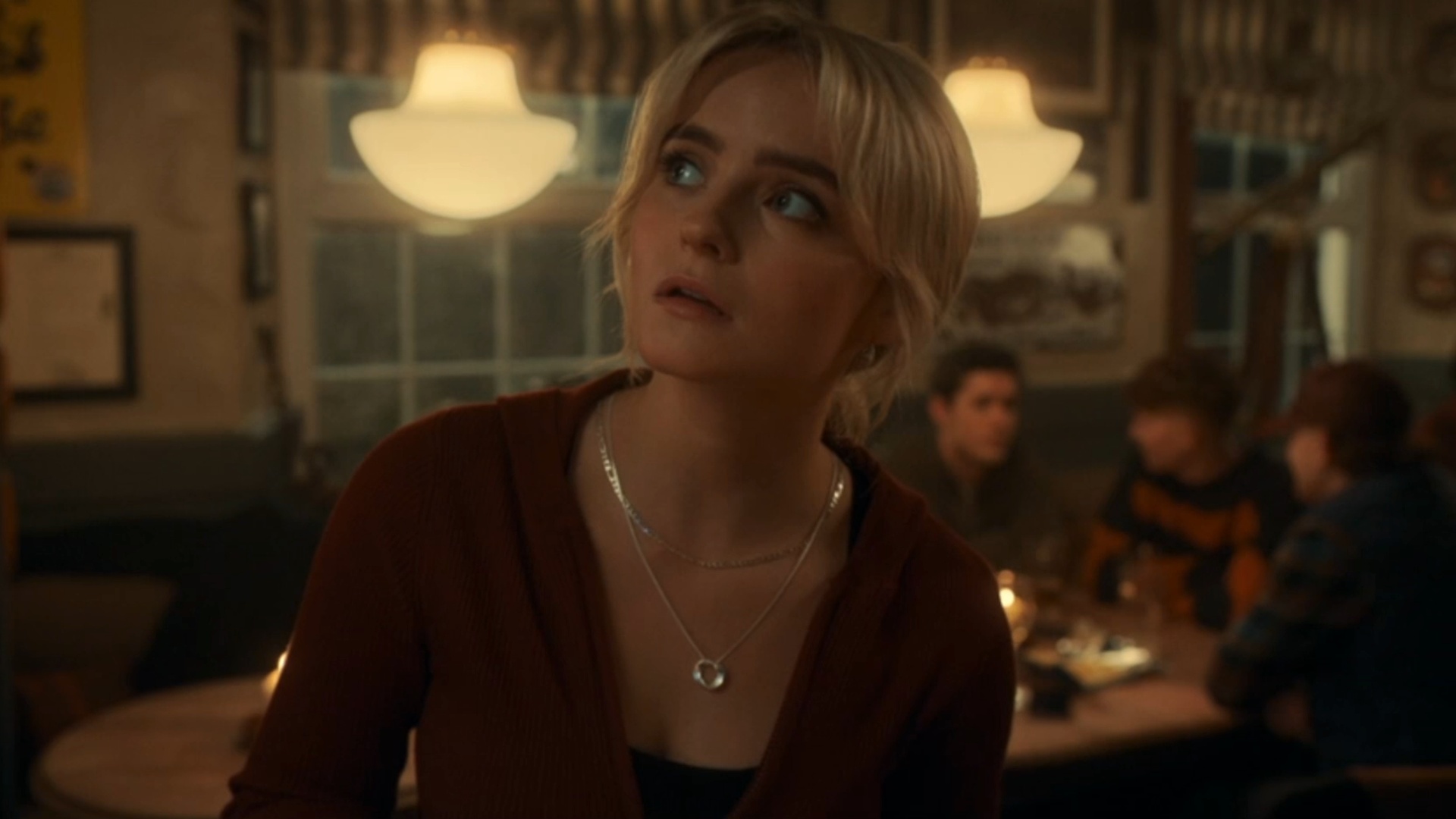
She's trained herself to analyse threats in the environment around her to a degree that is no longer necessary, and it's made her a little inaccessible. She struggles to connect with others as she looks at the world through a different lens.
Ruby's unique struggles distinguish this story from others with similar ex-companion storylines, like School Reunion, The Sontaran Stratagem, and The Power of the Doctor. Lucky Day also has an antagonist that directly ties into this exploration of Ruby, with Conrad actively exploiting and weaponising her trauma.
Think Tank (and the way they use Ruby in this story) allows us to really explore the ways in which life with the Doctor can lead to changes that aren't always for the better, and how it's often up to other friends of the Doctor, in this case Kate, to handle companion aftercare. It's a great story for UNIT, and for once, Kate isn't possessed by an evil force!
We also get to see snippets of Ruby's family life, and her relationship with her birth mother, juggled alongside her adoptive family. This is the only story we get to properly see the aftermath of Season 1, and these charming scenes are some small solace for Empire of Death's terrible handling of Ruby's parentage mystery.
It's a shame she didn't get a full season unburdened by her narrative baggage.
1. The Robot Revolution (Belinda Chandra)
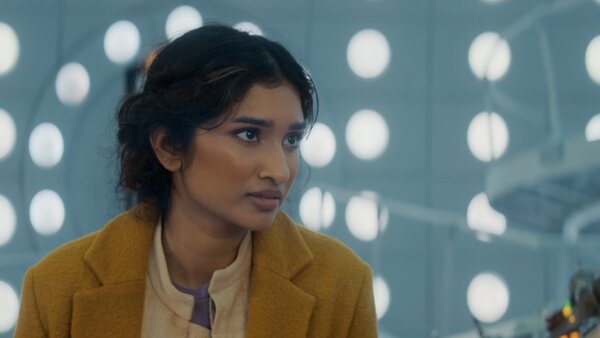
Belinda is a slightly frustrating case in terms of this list, because let's be honest, The Robot Revolution is the only story that feels like it's written specifically for her character.
It isn't the most remarkable episode, and there are some very debatable writing choices, but what it does do supremely well is paint a very promising picture of the companion Belinda is going to be. Sadly, this isn't carried throughout the series, but in isolation it's great stuff.
The Robot Revolution clearly establishes who Belinda is and what drives her. She is not the adventurous, 'waiting to be swept off her feet' type, and she will not be wooed by the Doctor's promises of intergalactic travel. More than anything, she's just looking to return home ASAP.
She's a nurse with a defined ethical code, more concerned with tending to the injured than partaking in any traditional heroics, going so far as to (fairly) take issue with the Doctor scanning her without consent. She has a sense of humour, but chides the Doctor for not taking life and death scenarios seriously enough, and often talking over people's heads. The bones of a very interesting dynamic are laid down here – one that breaks from the NuWho norm by having an unwilling companion. Why on earth they didn't stick with this, we'll never know.
While it doesn't do it overly well, the episode does at least connect directly to Belinda's own past, and this is the only time the season bothers to do so.
RTD introduced a companion that had the potential to be a classic, hired a cracking actress to play the part, then did absolutely nothing with her, and character-assassinated her by giving her a 'happy ending' that robbed her of her autonomy and gave her a child without consent – remember in The Robot Revolution when this was mentioned as being one of Belinda's core principles?
A solid start, but it all could've been so much better.