Doctor Who: EVERY Modern Series Ranked Worst To Best
With another Doctor Who series under our belts, let's see how the past 19 years stacks up...

We’re now 14 series, plus change, into the modern era of Doctor Who. And hasn't the time flown?
With Season 1 concluded and a new run of episodes to slot into the ranking, now is as good a time as ever to cast an eye back, and rerank every single series from Christopher Eccleston's first through to Ncuti Gatwa's latest.
The show has had quite the journey since 2005. We've seen the first female Doctor, brilliant new foes like the Weeping Angels, and Gallifrey's been destroyed about a hundred times. Every single series has its high points, but only one can reign supreme!
A few house rules: I’m not factoring in the runs of specials in 2009, 2013, or 2022 (though if you’re curious, they’d probably sit very low, quite high, and somewhere in the middle, respectively). The Fourteenth Doctor's specials won't be included either.
I also won’t be taking into account any of the Christmas specials, as it’s quite hard to know which series to attach them to.
14. Series 11

Something has to be last, and with a poorly characterised Doctor, a wooden cast of companions the writing simply can’t juggle, and too many middling to downright bad episodes, Series 11 is an easy choice here.
The Ghost Monument, The Tsuranga Conundrum, and The Battle Of Rabid Al’s Cupboard often sit near the bottom of NuWho rankings, with Arachnids In The UK never too far behind. And deservedly so.
The series is also held back by its hollow political commentary. Episodes like Kerblam and Arachnids completely fumble the bag – in Kerblam's case, you only have to look at something like Boom to see how those issues can be tackled better, with real intent.
Still, there are some highlights. The series opener is fun, It Takes You Away is a unique little acid trip, and Demons Of The Punjab is easily the standout, as the only episode that lands its emotional beats and gives us a glimpse of Jodie Whittaker with some strong writing.
The bad far outweighs the good, however.
13. Series 13

Flux was something a little bit different, and you have to give it points for that.
While the decision to run a six-part serial was borne out of necessity due to the pandemic, it gave us a chance for a wildly unique series. So it’s a shame that what we got was an absolute mess of ideas.
The main story of Flux feels like Chris Chibnall playing with his toybox, never lingering on an idea long enough to make it work, with an overarching threat that is completely undersold and a resolution that frankly beggars belief (thank god for Di from Liverpool, or the universe would've been eaten up). It’s a series that, at its worst, is laugh-out-loud bad.
The editing and pacing is extremely choppy too, and almost feels as if it’s stitched together from whatever could be filmed – which honestly might be the case, given the circumstances.
It does have more merit than Series 11 however. The more standalone episodes War Of The Sontarans and Village Of The Angels are among the best of the era, and newly-introduced characters Dan the Wok-Fu Man and Professor Jericho are likewise Chibnall-era standouts.
And big up for Karvanista too!
12. Series 2

Now hang on a second, put the pitchforks down and hear us out!
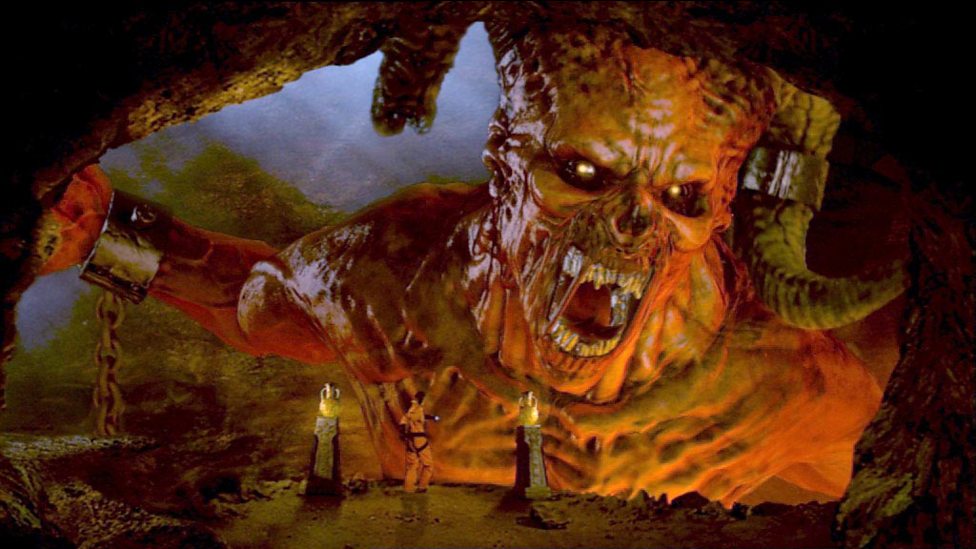
The nostalgia goggles are still powerful, but Series 2 has had something of a reverse renaissance in recent years. It's easily the weakest of that first Russell T Davies era, with more poor stories than you probably remember – from New Earth to the The Idiot's Lantern, and the almost impressively bad back-to-back bombs Love & Monsters and Fear Her.
Everything else is kinda middling too. School Reunion is lovely but it's hardly a series-saver, Tooth and Claw is okay, and you totally forgot about that Cyberman two-parter, didn't you? The finale then treats the Mondasian Metalheads like such chumps that their reputation wasn't salvaged until Series bloody 10.
Points for The Impossible Planet/The Satan Pit though, which absolutely deserves its stellar reputation.
But then... there's the cringeworthy TenRose duo. Their lovey-dovey shtick with puppy-dog eyes and in-jokes borders on obnoxious, and holds back two leads that we know are more than capable based on what we see outside their shared run.
It's a series that showcases RTD at his worst: the melodrama, the campiness that oversteps into childishness, and of course, deus-ex-machinas galore!
11. Series 12

Let's get the Timeless Child out the way right up top. Does it work? No. But ultimately, it’s had little bearing on the show since, so it's easily ignored. It’s actually Chibnall’s pointless re-destruction of Gallifrey that grinds the gears more.
Anyway, on the whole, Series 12 is the best of Chibnall's three-series run.
For a start, the larger TARDIS team is balanced a little better, though Ryan does draw the short straw, with his entire character arc being to... throw a ball. Seriously. Tosin Cole has mentally checked out too, which isn’t ideal.
Thirteen's characterisation is much better this time around too. She has a darker, secretive streak that gives her a much-needed edge, but she’s also allowed to flex her humour in a more natural way. Series 12 also has a higher quantity of good stories than Thirteen's other runs: Spyfall is the most fun this era ever gets, Nikola Tesla’s Night Of Terror is a great episode that does right by one of history’s most overlooked figures, and The Haunting Of Villa Diodati is the best episode of Jodie Whittaker's time in the TARDIS.
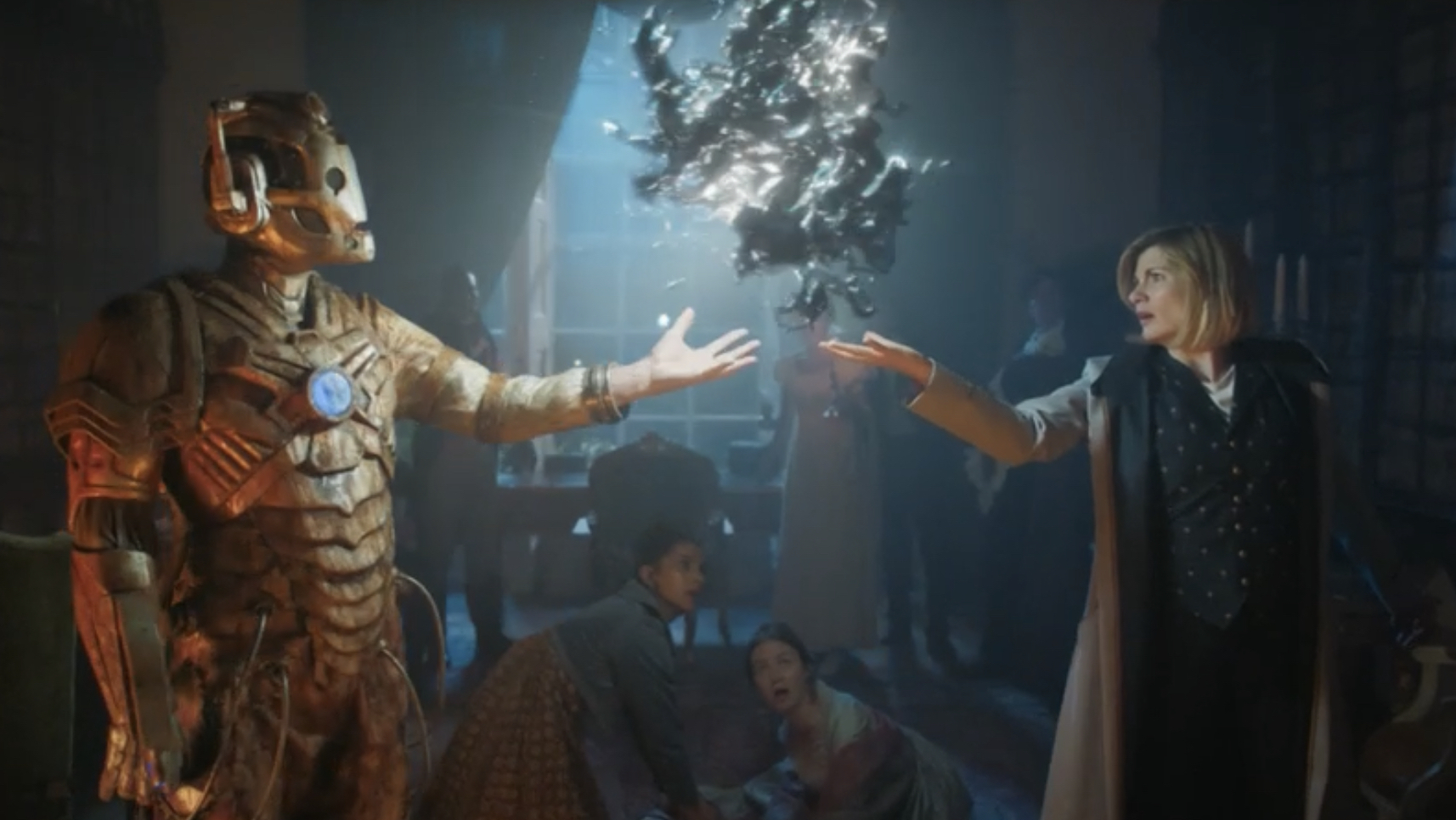
Even Praxeus and Can You Hear Me get a worse rap than they deserve!
Series 12 would actually be ranked higher were it not for two things: the abysmal and self-indulgent finale, and the fact that it contains what might just be the worst episode in the history of the show: Orphan 55.
10. Series 7

Series 7 is well-documented as being a result of Steven Moffat’s ‘year from hell’, with the overworked showrunner capping off his immensely popular Sherlock series and also ensuring that Doctor Who's 50th anniversary wouldn't be a massive letdown (which it wasn't).
It’s a series that lacks cohesion, and also marks a frustrating flanderisation of the Eleventh Doctor, who spends his time skidding round corners and behaving very innapropriately towards his female friends at times (did we really need him daydreaming about Clara’s tight skirt?).
A mid-series companion swap doesn't help matters either. The Ponds find themselves staying beyond the natural completion of their story arc, forcing Moffat to introduce the horrible ‘divorce’ plotline, though the pair do get two more bangers in the criminally underrated A Town Called Mercy, and their heartbreaking sendoff in The Angels Take Manhattan.
Fortunately, Matt Smith and Jenna Coleman have pretty good chemistry, especially in The Snowmen. The only downside is that Clara is relegated to being ‘the impossible girl’ rather than her own character. The Bells Of Saint John is another super underrated script, The Rings Of Akhaten bumbles its way into one of the best scenes ever, and the rest of the series, while never really churning out a great episode, is pretty good.
It's not a series that there's too much to dislike in – it just lacks that 'wow' factor.
9. Season 1

Placing this season was hard, and it's bounced around a lot. The low placement might suggest general dislike, but the truth is that every series from this point onwards is at least good – it's just that Season 1 isn't quite as good as the ones we'll be talking about next.
The most important thing is that, on balance, it was a return to form for the show. Ncuti Gatwa and Millie Gibson are two of the most likeable actors we’ve ever had in the TARDIS, and their chemistry and individual moments of brilliance do a lot of heavy lifting. The season is far too short though – character development is almost nonexistent, and the growth of Fifteen and Ruby’s friendship doesn’t feel believable.
The episodes themselves are a mixed bag, with a 50:50 split of stories that nail it, and stories that don’t. Those middle four episodes though? What a run.
Boom is Steven Moffat’s grand return, with an electric premise and the best dialogue of the season; 73 Yards feels more like an artsy indie thriller than an episode of Doctor Who (not a complaint); Dot and Bubble is a Black Mirror riff that reveals itself to be far smarter than you gave it credit for; and Rogue, though the most 'traditional' Doctor Who adventure of the season, is an incredibly fun time.
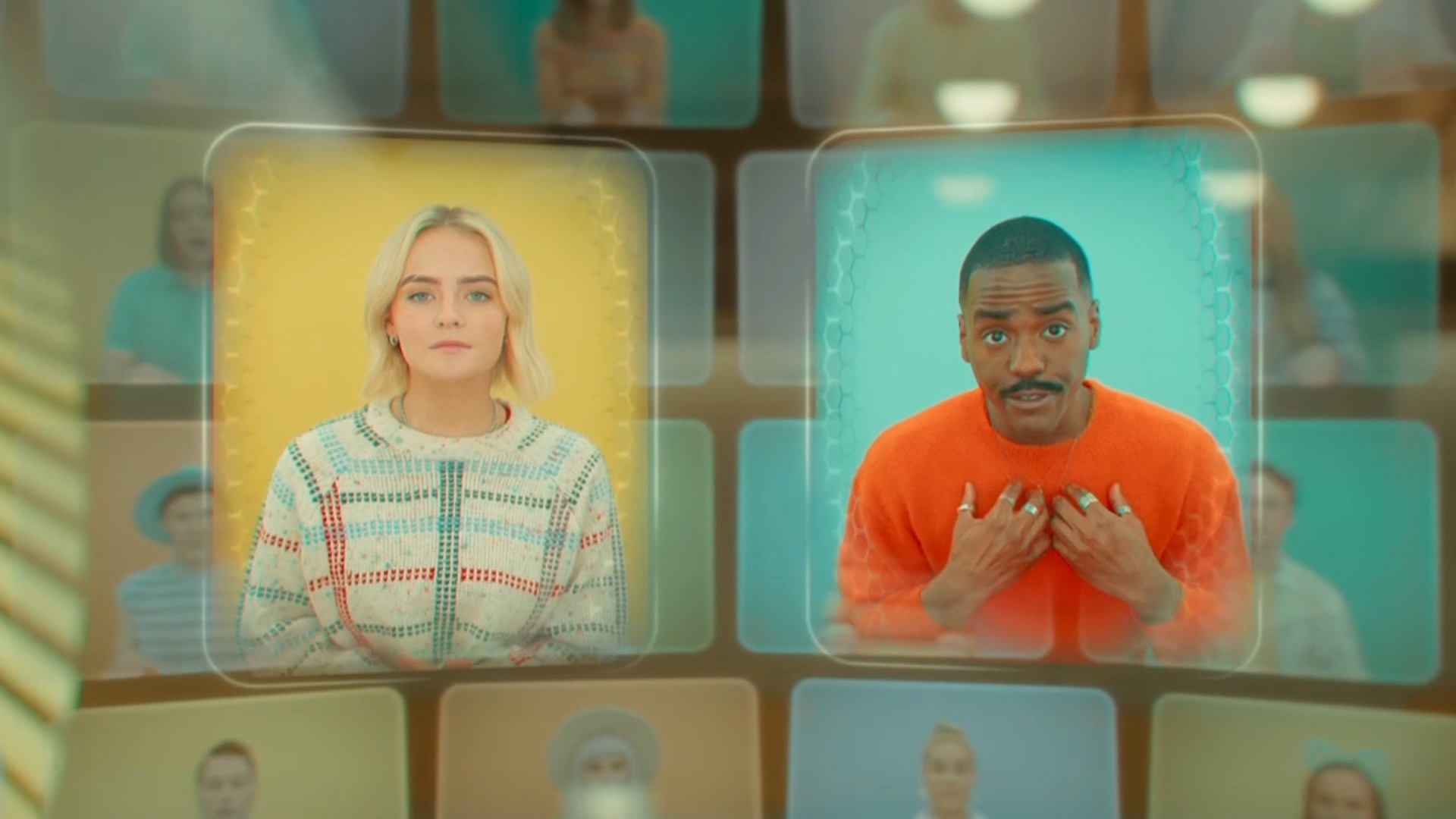
The rest though? Yeesh. Space Babies was flat-out the wrong choice for a big series opener, The Devil’s Chord felt like a lame Saturday morning cartoon (and also wasted The Beatles), and while the finale is a fun romp, the answers to pretty much every mystery were either unsatisfactory or underexplained.
On the whole though, some of the best Who we’ve had in years, and a solid foundation to build off for Season 2.
8. Series 9

Many consider Series 9 to be Peter Capaldi’s best. But if you remove Heaven Sent, is it still your favourite?
That episode is a flawless example of what this show can do when it’s firing on all cylinders – a beautiful story about the stages of grief with a haunting soundtrack and a one-hander script that understands how to make Capaldi shine. Face The Raven is a fantastic, heart-breaking prelude, and Hell Bent is the subversive sequel Heaven Sent deserved. This three-part finale is one of the crowning jewels of the modern era.
The problem is, the rest of the series is nowhere near as good. The opening Dalek two-parter has some great moments (Capaldi playing an electric guitar atop a tank will never not be iconic), but is weirdly lacking in stakes, considering it’s set on Skaro of all places. The Zygon two-parter falls flat aside from Capaldi’s belter of a speech, and let us not forget, Moffat let Mark Gatiss write a whole episode about sentient eye bogies.
The only exception is Under The Lake/Before The Flood, which has a great timey-wimey twist on the base-under-siege formula, a fantastic supporting cast, and a splendidly-crafted script. One of the most underrated stories of Capaldi's tenure.
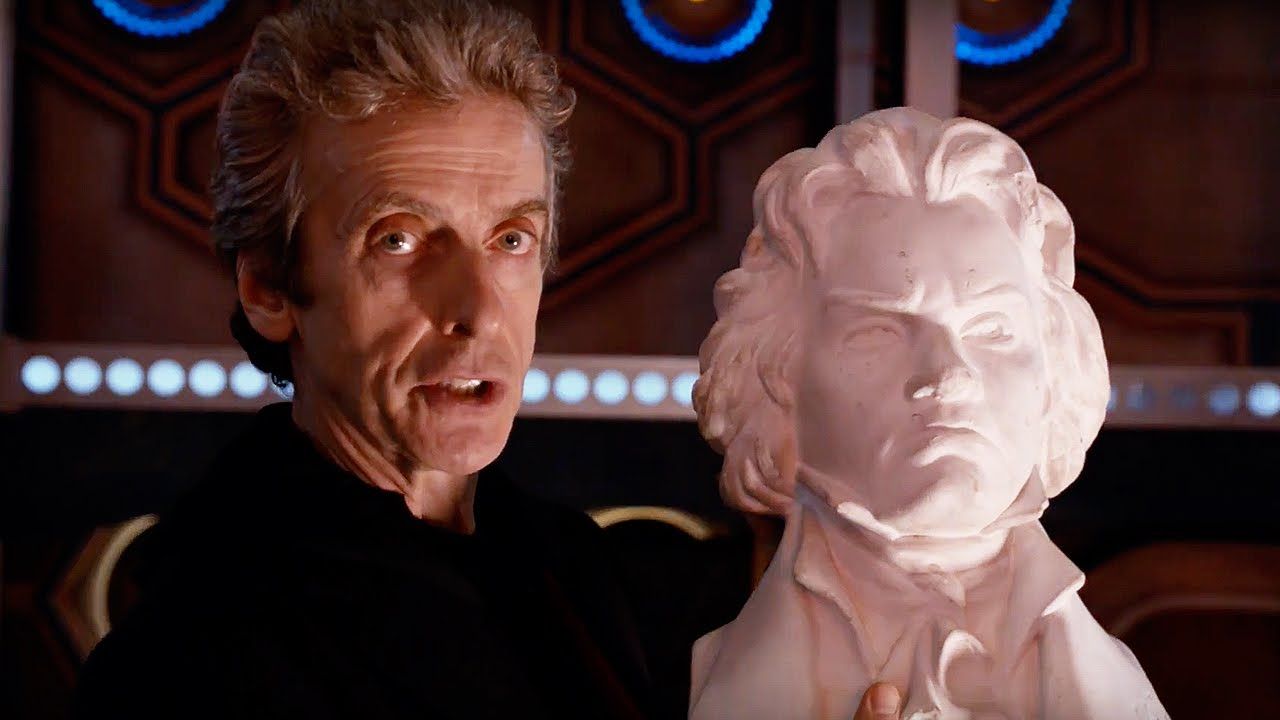
It's a series where you have to accept the rough with the smooth, though the fantastic characterisation for both Twelve and Clara, along with the finale, elevates it above some of the others.
7. Series 1

We owe everything to the series that relaunched the show in 2005, but it does have its faults.
Rose is a very iffy start and would be torn to shreds were it released today. It’s indicative of Series 1's biggest shortcoming: it’s too childish in places, which can undermine the plot. The Slitheen episodes for example have a solid backbone, but are let down by a barrage of fart jokes. Other mediocre stories like The Unquiet Dead and The Long Game also hold this series back.
But when it hits its stride, it’s fantastic. Dalek marks the start of a much-needed shift for the series, and we get some absolute classics from then on. Father’s Day, The Empty Child/The Doctor Dances, and RTD’s best finale elevate Series 1 and give it a darker edge that suits Eccleston nicely.
Billie Piper works far better here than she does in Series 2, as an everyday girl swept up into a world of adventure. The late series inclusion of Captain Jack Harkness rounds out the team extremely well, and the show manages to find its footing, setting the template for series to come.
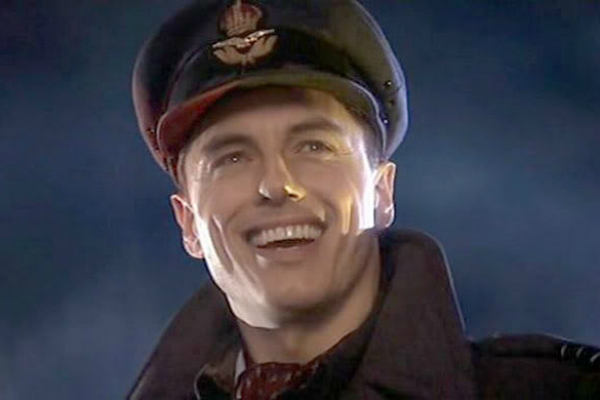
Series 1 is often criticised for being too Earth-based, but this actually leads to a level of cohesion we've rarely seen since. Every episode feeds into the wider story, introducing new elements to the puzzle to the point where, when we hit the finale, every moment feels earned.
It’s a shame that Russell seemed to take away the message that the repeated ‘Bad Wolf’ hook was what made this work, and has repeated it every series since.
6. Series 8

We'll say it: Series 8 is the most underrated run in modern Who. Many struggled with it the first time, because it was such a departure from what we'd come to expect. But removed from those expectations, it's a cracker.
Series 8 is dark. Real dark. The Doctor is now an abrasive anti-hero, and the series arc, rather than focusing on a big alien mystery, questions the very nature of our protagonist. Capaldi’s performance is incredible, and he and Jenna Coleman get some of the best Doctor-companion material ever written, testing that decades-old dynamic like never before. Series 8 explores the toxicity and co-dependency of that relationship, and what happens when it’s pushed so far it snaps.
Sure, there are some duds in there (hello The Caretaker and In The Forest Of The Night) but Capaldi and Coleman carry this series so hard that even at its worst, it’s highly enjoyable.
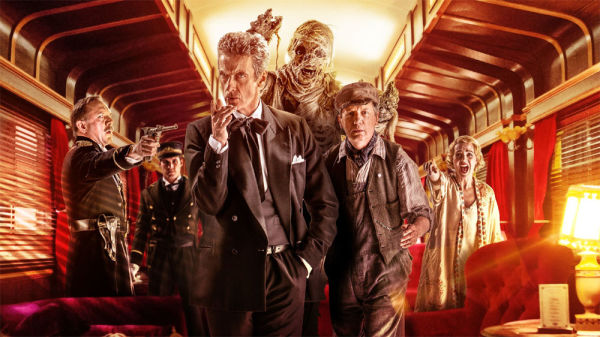
You’ve got Deep Breath, Into The Dalek, Listen, and Time Heist, all of which are excellent. Add to that Jamie Mathieson’s back-to-back belters Mummy On The Orient Express and Flatline, and you’ve got one hell of a run.
That’s without mentioning possibly Doctor Who’s darkest story of all time, Dark Water/Death In Heaven (you know, the one where people live through their own cremations, and Danny Pink is reunited with a child he accidentally shot dead – yeah, that one), which introduces an incarnation of the Master played exceptionally by Michelle Gomez.
It's the most thematically and emotionally mature the show has dared to go, and a real standout series.
5. Series 3
All together now: Martha Jones is criminally underrated. Freema Agyeman steals Series 3, though she did deserve a better arc than realising the Doctor is more interested in Rose!
This is a series that's often overlooked because of how good Series 4 is, but it’s actually not far behind in quality.
Smith And Jones and Gridlock are early doors classics, even if the rest of the front half is saddled with poor episodes like The Shakespeare Code, The Lazarus Experiment, and 42. The Dalek two-parter is weirdly hated despite being quite good, even if Dalek Sec does look a bit of a prat with his trainers and face tentacles. Still, it does something interesting with a foe that can often be a bit one-note.

It’s in the back half that things really pick up though, with four 10/10s in a row in Human Nature/The Family Of Blood, Blink, and Utopia. Few other series can match such a feat.
Even the finale has a lot to love, despite the infamous 'Space Jesus' ending. Master stories generally have better material for the Doctor than Dalek stories, and both episodes are brimming with scenes that Tennant really sinks his teeth into.
Series 3 is top-tier, and deserves more credit than it gets!
4. Series 10

Series 10 is Peter Capaldi’s greatest series. It may not be jam-packed with amazing stories, but in many ways, it feels like the quintessential series of Doctor Who – a perfect marriage of classic Who vibes, while retaining that modern take.
Capaldi puts in his most well-rounded Doctor performance here, as a version of Twelve who has softened into a gentle, humble soul after two series of character development. Pearl Mackie is fantastic, and Bill is a breath of fresh air – there’s no mystery surrounding her, no big shock reveal, she’s just an ordinary woman who’s curious about the universe.
The chemistry and humour between Capaldi and Mackie is top-notch, and the on-off inclusion of Matt Lucas works far better than it has any right to. We’d just come off the back of two emotionally intense series, and this trio was the antidote.
The stakes may be a tad lower than we're used to, but aside from a couple of stumbles towards the end with Empress Of Mars and The Eaters Of Light, this series doesn’t really have any bad episodes. The Pilot is a strong start that immediately endears us to Bill, Thin Ice is an overlooked story that gives our protagonists some great moments of reflection, and Oxygen is as tense as they come, uniquely leaving the Doctor with lasting consequences for his actions.
And then you’ve got the finale, World Enough And Time/The Doctor Falls – one of the greatest Doctor Who stories of all time.
It feels like the culmination of the entire modern era. The show could've ended right there, and it would've been a perfect final note. A bleak one though – "just this once Rose, everybody dies!"
3. Series 6

Can we all finally admit that Series 6 is elite? People seem to forget that at the time, this era was hailed as a new golden age for Doctor Who, and deservedly so. It may not be as consistent or cohesive as Series 5, but its highs are dizzying.
Eleven, Amy, and Rory – with the occasional appearance from River – is the best TARDIS team in the revival. The family dynamic and shared love between them is pure, cosy comfort food. And despite what many often claim, the series arc is not in fact convoluted. Everything with River’s identity and the Silence lands with a big bang (especially the closing moments of A Good Man Goes To War), though the finale doesn't quite bring it all together as satisfyingly as you'd hope.
And sure, there are a couple of iffy episodes. The Curse Of The Black Spot, Night Terrors, and Closing Time are middling at best, but nothing ever strays into bad or unwatchable territory because the core trio is so damn lovable. And when you have those aforementioned dizzying highs like The Doctor's Wife, The Girl Who Waited, The God Complex – and others – the good far outweighs the bad.
Similarly, that opening two-parter is a masterclass in how to launch a series. Constantly funny and clever, a terrific monster, incredible production values, and a genius hook in killing off the Doctor early. Take note, Space Babies.
2. Series 4

Series 4 is held in such high esteem for a very good reason.
Tennant and Tate’s run made a cultural splash unlike anything we’ve had since, and those two are fabulous together. It took a few years, but RTD finally found the perfect companion for Ten! Ultimately, it’s Donna Noble and her family (and by family, we mean the legendary Bernard Cribbins) that make this series special, though Donna does also bring out the very best of the Tenth Doctor.
What's more, this is the only series where every single episode is at least good. Planet Of The Ood and The Doctor’s Daughter are the weakest of the bunch, but none of them dip below a 6/10 – it’s a remarkable run. The Sontaran two-parter and The Unicorn And The Wasp are ridiculous amounts of fun, The Fires Of Pompeii is crushing in the best way possible, and we all know how good Silence In The Library/Forest Of The Dead is.
Even better is the fact that Russell T Davies finally shows us what he's capable of, with his two best Doctor Who scripts back-to-back. Midnight and Turn Left are the shining lights of this series, while the finale is the apex of RTD’s excellent worldbuilding.
This is what Doctor Who looks like when it's firing on all cylinders, and it came so close to claiming the top spot.
1. Series 5

Nothing can match how Series 5 makes you feel. From the moment Eleven crashes into Amelia Pond’s garden, there's a magic in the air that never goes away. It's almost like it unlocked what Doctor Who was supposed to be all along.
The Eleventh Hour introduces Matt Smith's Eleventh Doctor, who hits the ground running. There's something to Eleven here that does start to come undone in later series, when he's turned into more of an idiot. Here, he's an oddball, but still unquestionably the smartest man in the room.
Karen Gillan is also wonderful this series, and as great as the addition of Rory is later on, Eleven and Amy on their own are electric. Their connection works better than any other Doctor and companion, and because we initially see the Doctor through young Amelia's eyes, you buy that she'd put him on a pedestal. It's an emotional well the series constantly revisits, to great effect.
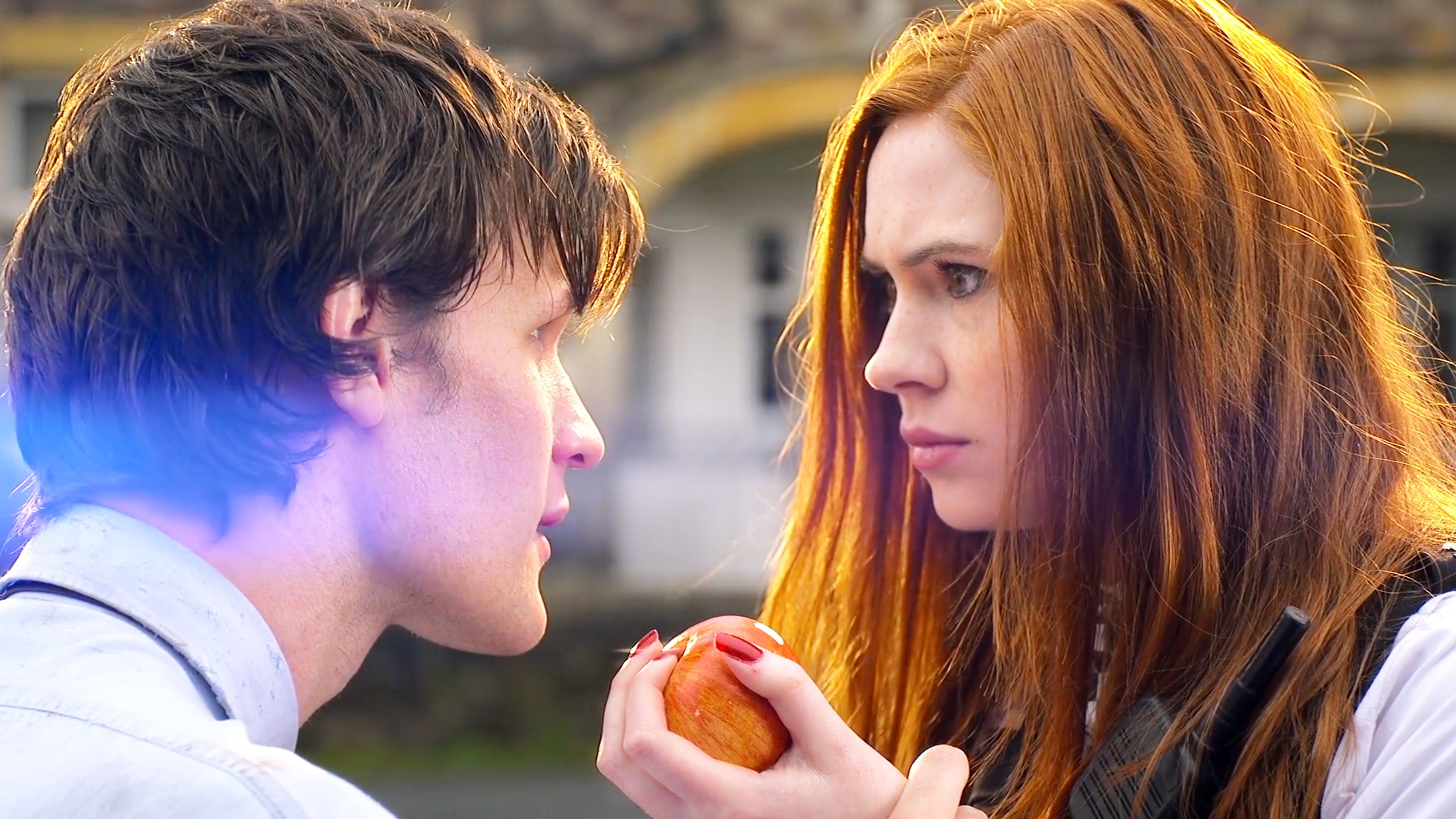
Elsewhere, Murray Gold has never been better, and in terms of overall series arcs, neither has Steven Moffat. The story of the cracks in time and how it builds throughout the series – not just getting the odd background mention, but being woven into the fabric of certain stories, like the Angel two-parter – is sublime, building to what is still Doctor Who's most thrilling, satisfying finale. Every moment is paid off, and every character gets their due – it's a clever inversion of the formula we’d got used to during RTD’s era, shrinking the cast and focusing on emotional beats over epic showdowns.
Throw in the likes of Amy's Choice, The Beast Below, The Lodger, and of course, Vincent And The Doctor, and you have a remarkably consistent and cohesive package here. The Raggedy Man reigns supreme!