How Star Trek Writing Needs To Change
A long-running franchise must change over time, but how does Star Trek reflect that in the writing?
I’ve been putting it off for a while now, but I think it’s time.
Breaking down and comparing the visual construction of new and old Star Trek was something I felt confident in tackling, but there was another element to how the show is made that I purposefully left out: The Writing.
It wasn’t left out because I wasn’t confident in tackling it, but because I felt it deserved its own breakdown - and here we are! And while I don’t have a degree in it, I have written a couple of novels, so that’s something, right? You put an ‘and’ here, a comma there, that’s basically it.
Obviously, the visual side of Trek and its writing go hand in hand, and often complement or influence one another, so I imagine some of the points I made in the last article/video will show up again here. But, while saying that, there are a whole load of choices made in the writing of current Star Trek, some more subtle than others, that I believe have negatively contributed to the current state of where Trek is, and where it will soon end.
So, I felt this was the perfect time to look into the writing, and see if I could work out some of the main reasons it may not be working for some audiences, and what they might be able to do to fix it - starting with, arguably, the most obvious one…
Star Trek seems to have settled into a 10-episode per series format, but it didn’t start that way. In general, everything from Enterprise and before would be somewhere around 22-26 episodes per season, with the episodes running from 45 minutes to 1 hour. Fast forward to Discovery, and season 1 only started with 15 episodes. Season 2 went down to 14. Seasons 3 and 4 had a measly 13 each. And, finally ending with season 5, it had been cut down to its new standard of 10 episodes, matching the likes of Lower Decks, Strange New Worlds, and Picard.
Prodigy was the only outlier, having 20 episodes per season. Although the runtime for Prodigy episodes is only around 25 minutes, which, if you add every two episodes together, that basically makes it 10 episodes per season again - Oh man, they just can’t help themselves.
Although the shorter episode seasons have been a main complaint about modern Trek for a lot of people, having a short season of a television show isn’t strictly a problem - if you use the format wisely. No, not Wesley, wisely. Twin Peaks is an example of a TV show that had a very strong 8 episode first season, which was then expanded into 22 for the second season by the network, leading it to be bloated and meandering, with a strong start and end, but with an aimless middle.
Picard season 3 is an example of a short Star Trek season that was fairly tight throughout, and seemingly planned from the start. Unlike the first two seasons, which dealt with an aging Picard, the aftermath of the Romulan Supernova, PTSD, secret societies, Robot Picard, multiple Brent Spiners, a dying Q, Time Travel, actual Wesley, trauma, and a heap of other themes and topics all squeezed into a confusing and unfocused 20 episode mess - Season 3, on the other hand, is basically a ship chase, similar to The Wrath of Khan. This simplicity allows the short episode season to focus on the tension, which in turn gives the characters room to breathe as the story unfolds.
Where it doesn’t work is when the show is trying to cram too much into it - such as the aforementioned Picard Season 1 and 2, some of Discovery, and Strange New Worlds. A lot of these shows also try to have their cake and eat it too - by sprinkling in a few bottle episodes and character-focused pieces. This is fine, of course, and sometimes makes for my favourite Trek episodes, but when they exist in a show so short, they can sometimes feel like they are wasting my time, or straying from the overall story in a way that doesn’t seem to add much. These kind of episodes excelled in the golden age of the late 80s and 90s, where it was a nice break and chance to learn more about a certain character or characters, or to take a breather between the heavier storylines - such a Take Me Out to the Holosuite in Deep Space Nine’s final season, a wonderful and fun excursion from the political and bloody war with the Dominion.
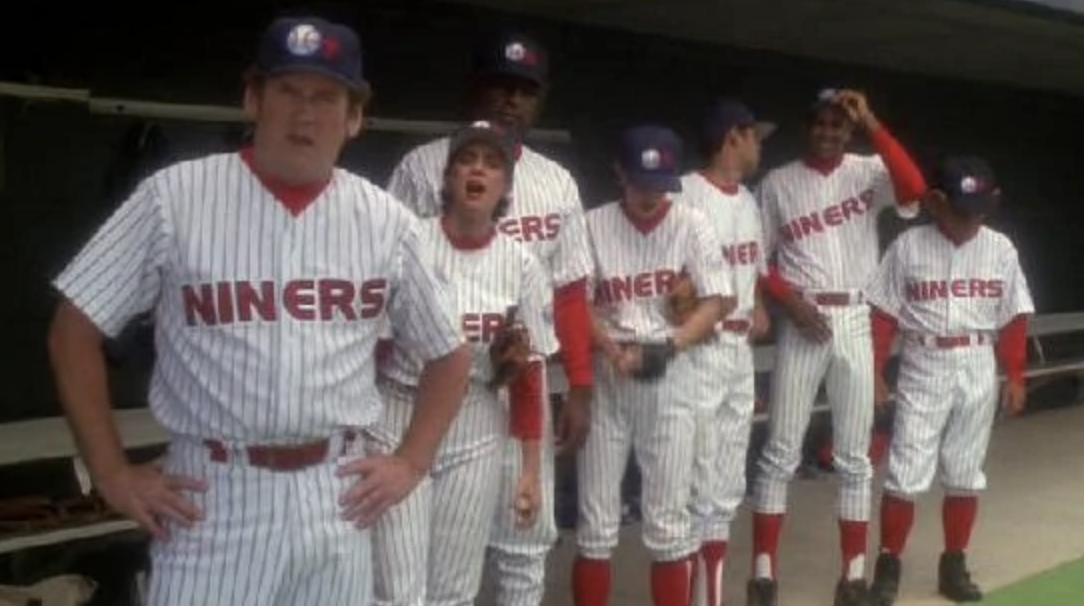
Strange New Worlds and Starfleet Academy are the biggest offenders of this. They seem to be written by people who understand the importance of these types of episodes, while placing them in shows that don’t benefit from them.
Something that I feel lies hand in hand with short seasons of Star Trek are the character-focused shows. Star Trek: Picard is obviously focused on a single character… It's Picard. Discovery was supposed to focus on Michael Burnham more than the other characters, especially in the first few seasons. This changed a little as the show went on, but even then, it always felt like the Michael Burnham show plus a few others, which could have been the showrunners trying to cling to what they had initially planned, even when they were gradually changing it to a different format. Other than Picard, Discovery has gone through the most changes in the current era of Trek, for better or for worse.
Again, focusing a show on a single character is not a bad thing in itself, but it is how you do it that counts. Is the character interesting enough to stay with? How do the situations that they are placed in affect them? Does their personality lean to a more interesting result than just “hero saves the day”?
These are the sort of questions I try to ask myself when I’m writing a character-focused story, but I don't think these come into play with some of the newer Star Trek shows. The Star Trek structure lends itself to the ensemble - it’s about a crew, after all. The Next Generation sometimes felt like the Picard show, but other times it was the Data show, or the Riker Show, or the Deanna Show, and sometimes, a story involved the entire crew - The Next Generation's episode Disaster is a great example of this - a handful of characters all have their own part to play, while their personalities add to the drama. The situation is used to help them overcome their own foibles, and not just the disaster itself.
Even The Original Series was mostly the Kirk, Spock and Bones show, with the other players helping out here and there. But I think once they got to the movies, they realised how important the ensemble was, and how fond the audience had become of all the characters - especially once you get to Star Trek IV: The Voyage Home.
Strange New Worlds tries to be a character-focused show, while mostly falling flat, in my opinion. It’s the heavy-handedness that causes this for me. For example, every episode starts with a reminder of a specific character's story so far, hitting you over the head with “THIS EPISODE IS ABOUT THIS CHARACTER, AND THIS IS WHAT YOU NEED TO REMEMBER FOR THEIR STORY.” Thanks, Star Trek, it wasn’t like this happened two episodes ago or nothing, I really needed that reminder, what would I do without you?
Each episode then takes its turn to focus on a different character of the crew, which I feel only creates a slightly disjointed season overall - not to mention the genre play and tone switching that Strange New Worlds is famous for, leading to a series of whiplashes as the season goes on. Half the characters in the show come across very similar to me, with only the odd surface-level differences - Ortegas flies the ship, Uhura listens to the ship, and La’an sometimes frowns at the ship - with quipping as their only real trait, making each episode about a single character feel a little redundant.
And don’t worry, we’ll get to the quipping.
But before we do that, I want to focus on a different aspect of the dialogue in New Star Trek, and that’s the focus.
Writing dialogue is hard - it needs to fit the character, and equally as important, it needs to fit the world the show is set in. If a Western has a character say “howdy”, well, that makes sense. If Star Trek had Data say “howdy”, well, that would be mighty confusing, wouldn’t it, partner? Except in that episode where they go to Deadwood in the holodeck, and Data starts talking like a cowboy… okay, fine, ignore that example.
The tone is a tricky aspect of the show’s language to nail, and I find older Star Trek did this pretty well. This also bleeds into the overall feel of the show, so getting the dialogue right is fairly important - when it goes wrong, it can take the viewer out completely, ruining immersion and causing precious minutes to go by as they try to ease back in. Let's look at the difference in dialogue between The Next Generation and Picard.
Although being more of a luxury cruise compared to other ships in Star Trek, The Next Generation was still about space exploration and diplomacy, with a professional crew that cared about protocol. This doesn’t sound like a warm show on paper, but over time, the characters come through with comedic situations and interpersonal relationships that make you care for them. The dialogue was filled with techno babble, navy phrases, and cold scientific facts and explanations. The people on this ship had a heart, but they were serious about their work, and their work was very serious. Picard himself was a very distant person, with open struggles when dealing with children aboard the ship. He was cold and calculated, which made for an impressive and interesting captain. He had passions when it came to relationships, the arts, and archaeology, but this didn’t merge with his work… most of the time.
Fast forward to Star Trek: Picard seasons 1 & 2, and the focus has been completely moved to a more romantic view of space and exploration. The warmth is fed to you through the dialogue, rather than the characters themselves or the situations they are put in. Space is beautiful, and I don’t doubt that Picard feels this way, but it takes away from the more interesting aspects of his character when he outright explains this beauty to you. There’s that heavy-handedness creeping back again!
Let’s look at two examples of Picard dialogue, first from The Next Generation, then from Picard:
Star Trek: The Next Generation:
“The first duty of every Starfleet officer is to the truth, whether it's scientific truth or historical truth or personal truth! It is the guiding principle on which Starfleet is based. And if you can't find it within yourself to stand up and tell the truth about what happened, you don't deserve to wear that uniform!”
Star Trek: Picard:
“There are moments in our lives we fear to relive, and others we long to repeat. While time cannot offer us second chances, maybe people can.”
While the first quote is very direct and focused on the hard guidelines of an officer - you know, something that is very important to the structure of Star Trek - the second quote is far more of a philosophical platitude, the kind of non-direct sentence that you would find in a movie trailer. Of course, a character can feel different over time, but this type of language is all over newer Star Trek, so it feels less of a character trait and more of a writing crutch.
As if the writers are thinking - “That sounds like a smart thing to say, right? Star Trek is smart, isn’t it? Well, I guess my job here is done!”
I’m being glib again, I know. I just can’t help it, alright? But I think this is an important point to make. I find space and science fiction to be inherently romantic, so I don’t need or want the characters to constantly remind me in such a clunky fashion. Science fiction lends itself to visuals and soundscapes, even with the written word, which gives the creators a plethora of ways to show me the romance of space travel. Basically, it comes down to the age-old technique of “show, don’t tell”.
And, as we’re talking about language, we might as well get to my biggest pet peeve of current Trek…
Quipping!
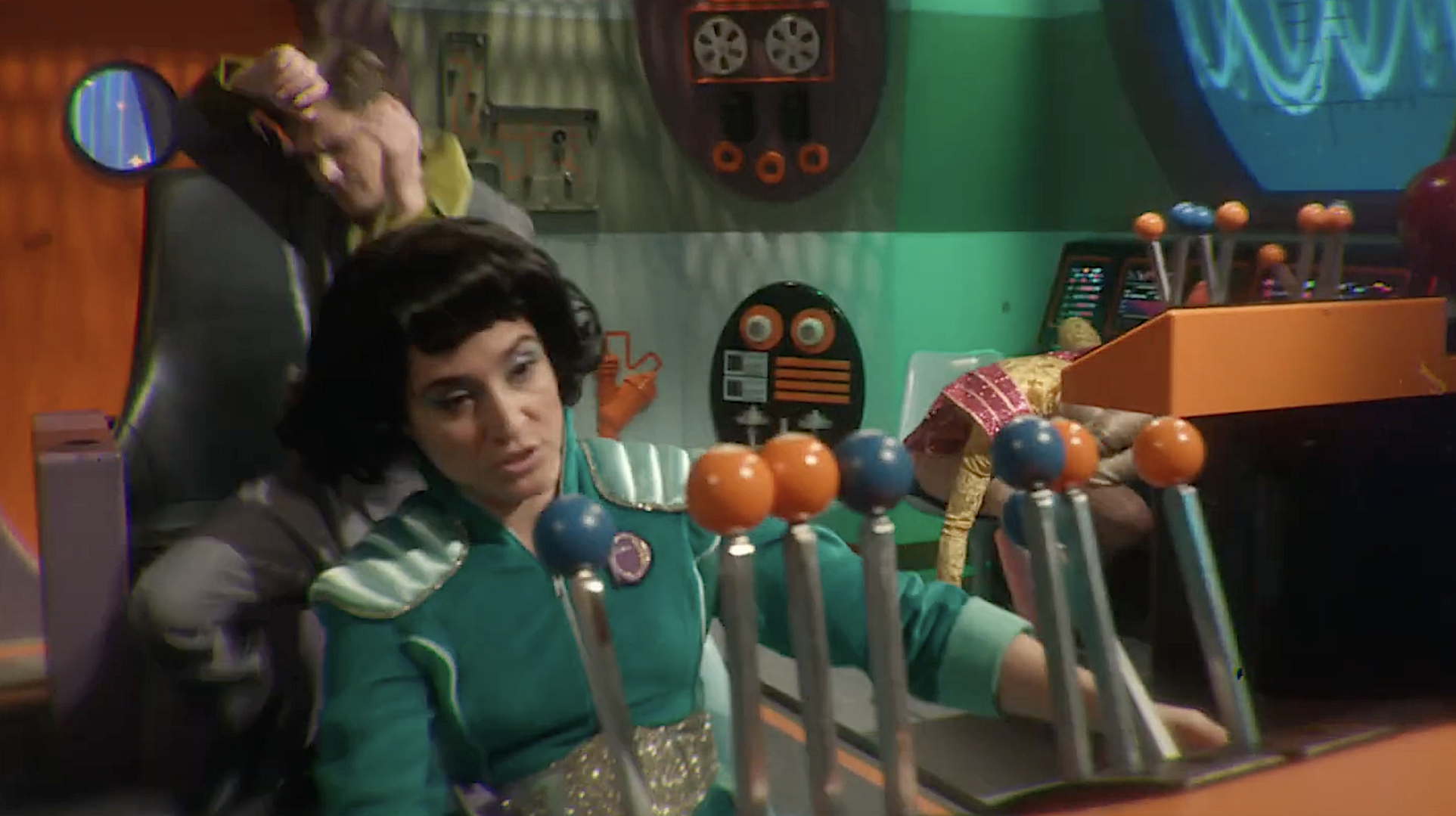
It is a plague on modern writing, which I believe can be traced back to the first Avengers film - its success clearly rippled into the minds of creatives and studio executives everywhere, and with it, the snark and undercutting jokes that made it feel fresh at the time. Well, folks, it is no longer 2012, however much the remaining out-of-date humour would like you to believe so.
“And Uhura for the win” - Strange New Worlds, Memento Mori
“80% for the win” - Discovery, Red Directive
This type of dialogue is not only out of place for any genre fiction, but especially in a show set in the far future. Of course, characters are allowed to joke about, but when every character feels like they have the same kind of humour, and let it out during what should be a serious moment of their workday, it feels forced and obviously written. Plus, when the joke already feels out-of-date, and likely became popular on the internet 10 or so years ago, it sticks out like a sore thumb. It would be like if an Avengers film made a “what are those” reference… wait a minute.
I can’t help but imagine the writers trying to come up with something to relate to the kids of today, which never goes well. Plus, when your mind goes to these places, it means you’re not concentrating on the show anymore, which is clearly not what they want. It would be like if Wesley Crusher said, “Cowabunga, dude.” It would have been strange then, and it's strange now.
Starfleet is a quasi-military, with ranks, officers, ships, and weapons - this serves to not only give structure to the world and the people in it, but also structure to the stories and characters within. What makes Star Trek interesting to me is seeing this structure put up against moral conundrums and science fiction disasters. In a sense, it is order vs chaos. And, as I’ve stated before, humanity surfaces through this. There is a joy and satisfaction that comes with watching the best of the best work out how to solve a problem - having characters snide and undercut this with a joke not only feels like the antithesis of this ‘order’ I mentioned earlier, but it also brings the stakes down.
Here is a recreated example -
“Ensign, put us in warp.”“Warp? Into that freaking huge black hole, sir? Erm, I don’t think so, that’s coo coo bananas, but I guess you’re the boss! Alright, Cappy! Full speed ahead, hold on to your butts!”
That very last bit was from a real episode of Star Trek, by the way - Strange New Worlds, S02E5. If the writers want us to take these threats seriously, then so too should the characters. How they’re not sent off the bridge in the first place, I will never know. Back in my day, Picard would send you off the bridge just for being a child!
Language and the way people speak will and should change over time. The Next Generation had more of the theatrical style, especially with a Shakespearean actor at its helm. But then look over at Deep Space Nine, where the dialogue changed to not only fit the style, but the characters themselves. Quark was far more sarcastic than any character we had seen before, and Sisko liked to have a few shouting matches every once in a while. This would have likely been jarring for people at the time, used to the cool calm, collected crew of the Enterprise D, only to be thrust into this darker, more seedy world, where our main characters are trying to scam folk out of latinum, or punch their own crew.
But as Sisko says - “I am not Picard”
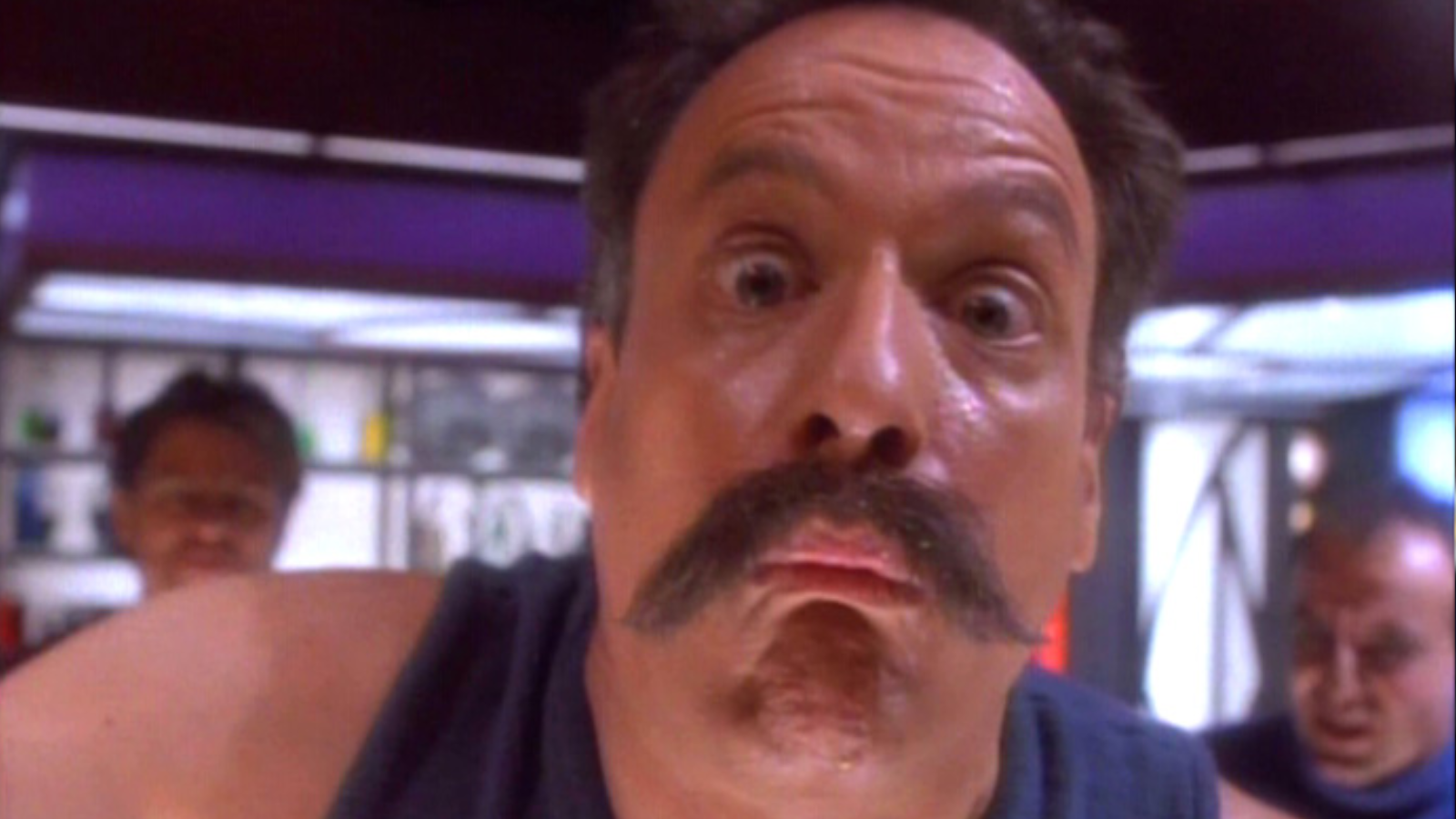
And that’s an important point to make. While I’m comparing Newer Trek to 90’s Trek, I don’t just want it to copy that style and run with it - I want it to recognise what worked at the time and what doesn’t work now. Sisko would have seemed over the top compared to Picard, but the way he was written suited his character. I wouldn’t want Pike punching Scotty in the face, the same way I wouldn’t want Pike saying “Captain Pike for the win”.
The Original Series was a very forward-thinking show for its time, especially when it came to its crew and themes, but there are plenty of things that happen in that show that wouldn’t work now. Can you imagine Captain Picard reading out the Declaration of Independence? Of course not. Each show evolves into something new, but as I’ve stated before, new doesn’t = great. If the characters don’t behave in a way that fits the world, then it doesn’t matter if they are performing Shakespeare or quipping about sex toys; you still don’t believe their authenticity.
Similarly, social and political views change and develop over time; what might seem progressive now could feel out of date in 10 years. In The Original Series's The Savage Curtain, Uhura says,
"But why should I object to that term, sir? You see, in our century, we've learned not to fear words."
Not only does this show how language changes over time, but also how the view of language develops. In the 60’s, moving beyond the use of hurtful words would have been seen as a future without bigotry. From 2017 and beyond, the use of certain language is given a far more modern view, spending more time on what you should and shouldn’t say.
Both, in my opinion, miss the mark slightly, focusing too much on the views of the day, rather than exploring them through moral dilemmas and science fiction. Just like adding “for the win” to your script, it takes me out of the story. I don’t have to be told how to feel about something to come to the same conclusion; if anything, it turns me away. I would prefer to come to that decision on my own, through story, themes, and visuals.
While the recent shows don’t seem to take their own material seriously, they are fond of making the stakes skyrocket to the moon! Well, I guess further than the moon, considering this is a space show. World-ending and sometimes universe-ending events have become more and more common in newer Star Trek. Possibly all stemming from the Romulan Super Nova first mentioned in Star Trek 2009.
While the stakes in shows like Voyager and Deep Space Nine could grow to pretty extreme heights, they never lost their personal impact on the characters. Voyager was all about trying to get home, with most of the bigger threats emphasising this - ‘Year of Hell’ and ‘The Void’ - plus a bunch of overused encounters with the Borg, but Star Trek is never perfect. The Dominion arc was the cataclysm of what was set up from the beginning, Cardassian occupation and the tensions between them and the Federation. Most of the time, these never felt over the top or out of the blue, and they especially never felt world-ending.
Star Trek: Discovery had a handful of universe-ending events, or those close to it, especially as the main premise of the season, leading us to the finale. Season two had the mysterious Red Angel and the very dangerous, very likely universe-ending Control. Seasons 3 and 4 both focus on the Burn, an already universe-wide, or at least galaxy-wide event that has put the setting in the most ‘post-apocalyptic’ style we have seen so far for Trek. Plus the 10-C, which made a weapon to eat worlds. Then you have season 5, which, while more of an action-adventure than the previous, still has universe-changing technology at the heart of the story.
I should make it clear that universe-ending events aren’t bad, and most certainly have their place, but as with some of the other topics I have discussed so far, it's all a matter of using them wisely. When you use this trope over and over again, it loses its power. I also feel like it makes the heroes of the story feel way more important than a Trek crew should be; they’re not superheroes after all, just professionals doing their job. Discovery has been accused of being over-emotional, and you can see a little bit of that here - the show ramped everything up, from the stakes, to the emotion, to the language used - which I don’t blame them for, it’s likely hard to ramp one of these up without the rest being dragged along too.
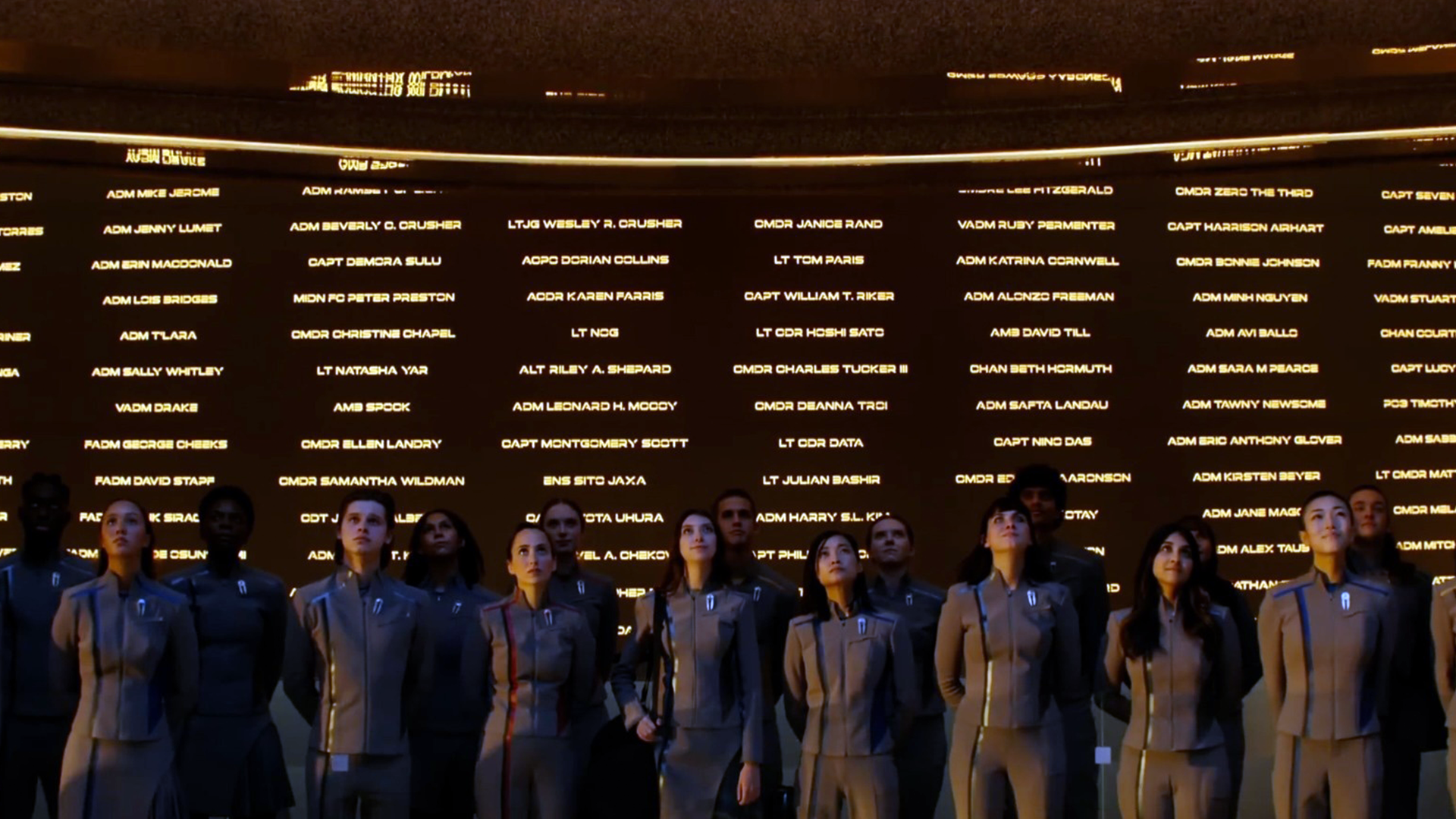
Star Trek: Starfleet Academy pulled a similar card toward the end of the season. My main gripe with the writing of Academy was that the show didn’t focus so much on the academy itself, but more on the main characters and their interpersonal relationships - saying this, the show did manage to stay away from most of the tropes seen in some of the newer Treks, keeping the stakes a little lower, which was a smart choice for a show set in a school. But then the ending for season 1 came around, and they just couldn’t help but raise those stakes to the roof.
The big bad, Nus Braka, has a personal link with Nahla and Caleb, which was something I was never fond of from the start, as I felt it was more of a Discovery-era thing - been there, done that, got the… red…t-shirt…get it, like Star Trek! But, this doesn’t feel like it's going to affect the story too much as the show goes on. And then, AND THEN, he surrounds Federation space with bombs, threatening to set them off if anyone goes in or out.
Bombs. Surrounding. Federation. Space.
When I imagined a show where we finally get to focus on the academy, I never thought it might involve bombs surrounding Federation space - but I guess that’s my fault really. Silly old me.
Our very own Dr. Trek wrote an article defending Nus Braka’s plan, so if you’re interested in a different opinion on this, check that out! -
That’s right, here at TrekCulture, we have different opinions without tearing each other apart -
Looks at comment section for this video.
Sheds one single tear.
Closes laptop.
Goes outside.
Remembers fresh air and birds and grass. Suddenly the world doesn’t seem so bad.
Where the new Star Trek has got it mostly right is with Strange New Worlds. Although fraught with tonal switches that would give Dwayne The Rock Johnson neck ache, what they are pretty good at is understanding the stakes, especially when it comes to season finals. Episode 10 of Season One is a personal story about Pike, accessed via a science fiction lens. The finale of season 2 is set around an attack on a colony by the Gorn. The action is ramped up, and the scale is larger, but it never feels like it's overreaching - the Gorn didn’t put bombs around Federation space, for example.
The last episode of season 3 gets a little more complicated with the Vezda, an ancient evil race that can produce a campy Doctor Who villain as the season’s last antagonist. Although it steps into universe-ending territory here, it does still feature a portion of the episode focused on Pike and Batel. If the fourth season ends with a giant frog that eats galaxies or something, I’m gonna eat my hat. New Star Trek can show how to keep the stakes within the realm of the story they are writing, but it feels like they just can’t help but steer into the more extreme. Possibly due to a lack of confidence in audience interest, or simply because they think it makes for a more enticing story.
I hope I’ve made it clear that the topics I’ve discussed in this aren’t inherently bad, but have either been misused or don’t fit very well within Star Trek. I like my Star Trek to take its time, to drip feed me weekly science fiction and moral dilemmas, where world-ending events are far and few between, and the ensemble cast plays a professional, semi-military crew of explorers and diplomats, where the words “for the win” would most certainly never enter their lexicon.
Of course, no one wants every Star Trek project to be a copy and paste of the last. Keeping it fresh with new ideas and different approaches is a good way to keep something interesting, but when I compare the writing of new Trek with old Trek, there is a clear divide between what worked and what isn’t working.
Star Trek is coming toward a sort of cooling-off period, which I believe to be a good thing - creativity needs time to rest, recuperate, and reignite. There were lots of interesting ideas in the new Trek, and there were a lot of misses too, so my hope is that, whatever happens to Trek in the future, they can look back at this period and use it to inspire them forward, both the bad and the good.
But, whatever they end up doing with it, I just hope it doesn’t include bombs around Federation space.